Category: Blogs

  • Diabetes: Causes, Warning Signs & Prediabetes Symptoms

    Diabetes: Causes, Warning Signs & Prediabetes Symptoms

    Understanding Diabetes: Causes, Types, and Prediabetes Symptoms
    diabetes causes and Prediabetes Symptoms

    Diabetes is more than just a health condition—it’s a chronic metabolic disorder that affects how your body processes blood sugar (glucose). Glucose is the fuel that keeps us going, but when our body cannot use it properly, things go wrong. Diabetes happens when either the body doesn’t make enough insulin or can’t use it effectively, leading to elevated blood sugar levels.

    Understanding diabetes is important because it isn’t just about high sugar levels; if left unchecked, it can damage vital organs like the heart, kidneys, eyes, and nerves. Millions of people worldwide are living with diabetes, and many more are unaware they are in the prediabetic stage. That’s why knowing the causes, signs, and prediabetes symptoms is crucial—it can save lives.

    The Basics of Blood Sugar and Insulin

    Role of Glucose in the Body
    Glucose comes from the food we eat and acts as the main energy source for our cells. Without enough glucose, our body would feel weak and tired. But too much glucose in the bloodstream becomes harmful.

    Importance of Insulin
    Insulin is a hormone produced by the pancreas. Its role is simple but vital—it helps glucose enter cells to be used as energy. Without insulin, glucose keeps floating in the blood, causing high sugar levels.

    What Happens When face High Blood Sugar (Hyperglycemia)
    Hyperglycemia is a medical term for high blood sugar. If it happens occasionally, it’s not alarming, but persistent hyperglycemia indicates a serious underlying problem. Over time, it damages blood vessels and organs, leading to diabetes-related complications.

    Common Causes of Diabetes

    Genetic Factors
    Genetics plays a significant role in both type 1 and type 2 diabetes. A family history of diabetes increases the likelihood of developing the condition. In type 1, genetic predisposition can trigger autoimmune responses, while in type 2, inherited insulin resistance tendencies combine with lifestyle factors to cause the disease.

    Lifestyle and Dietary Factors
    Modern lifestyles characterized by fast food, high sugar intake, and processed diets are strongly linked to diabetes. Excessive consumption of refined carbs and sugary drinks overwhelms the body’s insulin response, leading to insulin resistance.

    Obesity and Physical Inactivity
    Excess fat, especially around the abdomen, makes it harder for insulin to work effectively. Lack of physical activity further worsens insulin resistance. Together, obesity and inactivity are the biggest modifiable risk factors for type 2 diabetes.

    Hormonal and Medical Conditions
    Certain conditions, such as PCOS (Polycystic Ovary Syndrome), pancreatitis, or hormonal imbalances, increase diabetes risk. Long-term use of medications like steroids can also impair insulin function.

    Different Types of Diabetes

    Type 1 Diabetes
    Type 1 diabetes is an autoimmune disorder in which the immune system mistakenly attacks insulin-producing cells in the pancreas. As a result, the body cannot produce insulin at all, making insulin therapy essential for survival. It is often diagnosed in childhood or adolescence but can develop at any age.

    Type 2 Diabetes
    This is the most common type of diabetes, accounting for the majority of cases worldwide. In type 2 diabetes symptoms , the body either resists insulin or does not produce enough of it. Lifestyle factors such as poor diet, obesity, and lack of exercise contribute significantly. Unlike type 1, type 2 can often be managed or even reversed with lifestyle changes if detected early.

    Gestational Diabetes
    Gestational diabetes occurs in pregnant women when hormonal changes interfere with the body’s ability to use insulin. While it often disappears after childbirth, it increases the risk of developing type 2 diabetes later in life for both the mother and the child. Early diagnosis and careful monitoring are essential to prevent complications.

    Other Rare Types
    Rare forms include MODY (Maturity Onset Diabetes of the Young), LADA (Latent Autoimmune Diabetes in Adults), and secondary diabetes caused by conditions such as pancreatitis or prolonged steroid use. These types are less common but highlight the complexity of how diabetes can develop.

    Understanding Symptoms of Prediabetes

    Prediabetes is a stage where blood sugar levels are higher than normal but not high enough to be diagnosed as diabetes. It is often silent, without obvious symptoms, making it easy to miss. Prediabetes is a red flag indicating that your body is struggling with insulin resistance.

    Why Prediabetes Should Not Be Ignored
    Ignoring prediabetes is dangerous because it significantly increases the risk of developing type 2 diabetes, heart disease, and stroke. Most people with prediabetes progress to diabetes within a decade unless lifestyle changes are made.

    Risk Factors for Prediabetes
    Factors include being overweight, leading a sedentary lifestyle, poor diet, having a family history of diabetes, and being over 45 years old. Ethnicity also plays a role, with higher risks among Asian, African, and Hispanic populations.

    Symptoms of Prediabetes

    Subtle Warning Signs: Prediabetes often shows mild symptoms, such as fatigue, slight weight gain, or dark patches on the skin (acanthosis nigricans), particularly around the neck or armpits.

    How Prediabetes Differs from Diabetes Symptoms: Unlike diabetes, prediabetes does not cause severe thirst or excessive urination in most cases. Instead, symptoms are subtle, making blood tests crucial for detection.

    Long-Term Risks if Ignored: Untreated prediabetes almost always leads to type 2 diabetes. It also increases the risk of cardiovascular disease, kidney problems, and stroke over time.

    Managing Diabetes and Prevention of Prediabetes

    Lifestyle Changes: Managing diabetes starts with lifestyle changes. These include adopting healthier eating habits, staying active, and reducing stress levels.

    Healthy Eating and Balanced Diet: A diet rich in fiber, whole grains, vegetables, lean proteins, and healthy fats helps regulate blood sugar. Processed foods and sugary drinks should be avoided.

    Exercise and Physical Activity: Regular physical activity improves insulin sensitivity, lowers blood sugar, and helps maintain a healthy weight. At least 30 minutes of moderate activity daily is recommended.

    Medications and Insulin Therapy:  In addition to lifestyle changes, medications such as metformin may be prescribed. Type 1 diabetics and some type 2 patients require insulin injections to manage their condition.

    Preventing Prediabetes from Progressing

    Small Lifestyle Adjustments: Losing just 5–10% of body weight and adding physical activity can dramatically lower the risk of developing diabetes.

    Role of Regular Health Checkups: Routine checkups allow early detection and timely management of rising blood sugar levels.

    Community and Family Support: Emotional and practical support from family, friends, or support groups can make lifestyle changes easier to maintain.

    Related post: Internal Medicine and When Should You See a Specialist

    Take Charge of Your Health Today in Gurdaspur – Abrol Hospital

    If you or your loved ones are experiencing early signs of diabetes or prediabetes, don’t wait until it progresses further. Consult our experienced Endocrinologist – Diabetes Specialist in Gurdaspur today for accurate diagnosis, personalized care, and long-term health management. Book your appointment now and take the first step towards a healthier future.

    FAQs (Frequently Asked Questions)

    Common diabetes symptoms include frequent urination, excessive thirst, unexplained weight loss, fatigue, blurred vision, and slow-healing wounds.

    Symptoms of high blood sugar include headaches, blurred vision, fatigue, frequent urination, and increased thirst. Severe cases can lead to diabetic ketoacidosis.

    To lower blood sugar quickly, drink water, exercise moderately, and follow your doctor’s insulin or medication plan. Always consult a healthcare provider before making changes.

    Prediabetes often has no obvious symptoms, but some people may experience fatigue, increased thirst, or darkened skin patches (especially around the neck or armpits).

    Related Post
    Book Appointment

  • Fatty Liver Disease: Causes, Symptoms & How to Reverse It

    Fatty Liver Disease: Causes, Symptoms & How to Reverse It

    Fatty Liver Disease Explained: Causes, Symptoms & How to Reverse It

    Fatty Liver Disease Causes, Symptoms

    Fatty liver disease (Hepatic steatosis) is becoming one of the most common health issues around the globe. Millions of people are diagnosed every year, and many don’t even realize they have it until the condition progresses. In simple terms, fatty liver is diagnosed by abdominal ultrasound, & its happens when excess fat builds up in the liver cells. Normally, your liver should contain little to no fat, but when fat makes up more than 5–10% of the liver’s weight, it’s considered fatty liver disease.

    The scary part? In its early stages, fatty liver often shows no obvious symptoms. That’s why it’s called a “silent” disease. But the good news is—it’s reversible if detected early and managed properly.

    Types of Fatty Liver Disease

    Mild Fatty Liver

    In many cases, fatty liver is mild and doesn’t immediately cause serious damage. However, without lifestyle changes, it can progress into more dangerous conditions.

    Non-Alcoholic Fatty Liver Disease (NAFLD)

    NAFLD is the most common type of fatty liver, especially among people who don’t drink much or any alcohol. It is often linked with obesity, high blood sugar, and unhealthy diets. NAFLD can progress into nonalcoholic steatohepatitis (NASH), which involves liver inflammation and scarring.

    Alcoholic Fatty Liver Disease (AFLD)

    AFLD results from excessive alcohol consumption. The liver breaks down alcohol, producing harmful substances that damage cells and trigger fat accumulation.

    Difference Between Non-Alcoholic and Alcoholic Fatty Liver Disease

    The key difference lies in the cause—alcohol. NAFLD is related to lifestyle and metabolic factors, while AFLD is directly caused by alcohol consumption. Both, however, can progress to severe liver complications if ignored.

    Common Causes of Fatty Liver Disease

    The liver is like the body’s natural detox machine, but poor lifestyle choices and underlying health conditions can overburden it.

    Poor Diet & High Sugar Intake: Consuming processed foods, sugary drinks, and refined carbs overloads the liver, causing fat storage.

    Obesity and Sedentary Lifestyle: Being overweight or inactive is one of the biggest triggers of fatty liver. Excess body fat increases fat storage in liver cells.

    Excessive Alcohol Consumption: Alcohol weakens liver cells, making them unable to process fats properly, leading to AFLD.

    Genetics and Family History: If your parents or siblings have fatty liver, you might be at higher risk due to genetic predisposition.

    Medications and Toxins: Certain drugs, like steroids and chemotherapy medicines, can contribute to fatty liver development.

    Symptoms of Fatty Liver Disease

    In many cases, people don’t feel any different at first. But as the condition progresses, the following symptoms may appear:

    Fatigue and Weakness: Feeling tired all the time is one of the most reported fatty liver disease symptoms.

    Pain or Discomfort in the Liver Area: A dull ache or fullness on the upper right side of your abdomen may indicate fatty liver.

    Sudden Weight Changes: Unexplained weight loss or gain can be a red flag.

    Hepatic Steatosis Symptoms: “Hepatic steatosis” is another name for fatty liver. Common symptoms include poor concentration, bloating, and discomfort after meals.

    Fatty Liver Symptoms in Females: Women may experience additional symptoms like hormonal imbalances, irregular periods, and higher chances of developing polycystic ovary syndrome (PCOS)

    Diet Plan for Fatty Liver Disease

    Food is medicine, and when it comes to fatty liver, what you put on your plate can either heal or harm.

    Foods to Eat for Liver Health

    Certain foods are proven to support liver repair and reduce fat buildup:

    • Green leafy vegetables – Spinach, kale, and broccoli are rich in antioxidants that fight inflammation and protect liver cells.

    • Fatty fish like salmon – High in omega-3 fatty acids, they reduce liver fat and improve cholesterol levels.

    • Nuts and seeds – Almonds, walnuts, chia, and flaxseeds provide healthy fats and antioxidants.

    • Olive oil – A great source of monounsaturated fats that improve liver function and reduce inflammation.

    • Whole grains – Brown rice, oats, and quinoa provide fiber and stabilize blood sugar, reducing fat buildup in the liver.

    When to See a Doctor

    👉 Don’t wait for fatty liver disease to progress—take charge of your health today! Our experienced Gastroenterologist in Gurdaspur,  specialize in diagnosing and treating fatty liver with personalized care plans that focus on lifestyle, diet, and long-term recovery. Book a consultation now and get expert guidance tailored to your needs. 

    📞 Call us today or schedule your appointment online to start your journey toward a healthier liver! 

    FAQs (Frequently Asked Questions)

    Yes, fatty liver should not be ignored. While mild fatty liver may not cause immediate problems, if left untreated, it can progress to serious conditions like liver inflammation, fibrosis, cirrhosis, or even liver cancer. The good news is that in its early stages, fatty liver is reversible with lifestyle and dietary changes. Consulting a doctor early is the best step to prevent complications.

    You can prevent fatty liver by adopting healthy lifestyle habits. Some effective steps include:

    • Maintaining a healthy weight

    • Exercising regularly (at least 30 minutes a day)

    • Eating a balanced diet rich in vegetables, fruits, lean proteins, and whole grains

    • Reducing intake of sugar, refined carbs, and processed foods

    • Limiting or avoiding alcohol consumption

    • Managing stress and sleeping well
      These small changes go a long way in keeping your liver healthy.

    The liver can repair itself surprisingly quickly when given the right support. The fastest ways include:

    • Losing 5–10% of body weight if overweight

    • Quitting alcohol completely (especially if you have alcoholic fatty liver)

    • Eating liver-friendly foods such as leafy greens, fatty fish, nuts, and olive oil

    • Exercising regularly to burn fat and improve metabolism

    • Avoiding processed foods and sugary drinks
      With these steps, improvements in liver function can often be seen in as little as 6–12 weeks, though full recovery takes consistent effort.

    The early signs of a liver in trouble may include:

    • Persistent fatigue and weakness

    • Unexplained weight changes

    • Loss of appetite

    • Yellowing of skin or eyes (jaundice) in severe cases

    • Abdominal discomfort or swelling

    • Dark urine or pale stools
      Since symptoms may be mild or even absent in early stages, regular checkups are essential if you are at risk.

    Related Post
    Book Appointment

  • 7 signs of a Hormonal Imbalance — what to do about it

    7 signs of a Hormonal Imbalance — what to do about it

    7 signs of a hormonal imbalance — what to do about it

    7 signs of a hormonal imbalance — what to do about it

    What is a Hormonal Imbalance?

    A hormonal imbalance happens when there’s too much or too little of a hormone in your bloodstream. Since hormones regulate everything from metabolism to mood, even a small imbalance can have big consequences.
    A hormonal imbalance occurs when the body produces too much or too little of certain hormones. Since hormones are chemical messengers that regulate metabolism, mood, sleep, fertility, and more, even a small shift can create major disruptions. For instance, your thyroid hormones influence metabolism, cortisol handles stress responses, and insulin controls blood sugar. A problem with just one of these can set off a chain reaction across your whole body.

    Major Hormones That Impact Health

    • Insulin: Manages blood sugar and energy use. Too much or too little can cause weight fluctuations or diabetes.

    • Thyroid Hormones: Control metabolism, body temperature, and energy levels.

    • Estrogen and Progesterone: Regulate menstrual cycles, fertility, and mood.

    • Testosterone: Present in both men and women, affects libido, energy, and muscle strength.

    • Cortisol: Known as the “stress hormone,” it influences energy, sleep, and metabolism.

    • Melatonin: Governs sleep-wake cycles.

    • Serotonin and Dopamine: Impact mood, emotional balance, and brain function.

    Common Causes of Hormonal Imbalance

    Hormones can be disrupted by many factors. Chronic stress is one of the most common, as it keeps cortisol levels abnormally high, which suppresses reproductive and thyroid hormones. Poor diet, especially one loaded with sugar and processed foods, can trigger insulin resistance. Medical conditions like PCOS, thyroid disease, or diabetes directly disrupt hormonal function. Medications, aging, lack of sleep, and even environmental toxins can also play a role.

    7 Key Signs of a Hormonal Imbalance

    1. Unexplained Weight Gain or Loss

    Sudden changes in weight often point toward hormonal disruption rather than lifestyle choices. For instance, if you’re eating the same diet and exercising regularly but still gaining weight, your body may be storing fat due to insulin resistance. Insulin imbalance causes cells to stop responding properly, leading to excess glucose being stored as fat, increasing the risk of type 2 diabetes.

    On the other hand, an overactive thyroid (hyperthyroidism) speeds up metabolism, often leading to rapid weight loss, while an underactive thyroid (hypothyroidism) slows metabolism, causing weight gain. Cortisol, another key hormone, can trigger fat storage around the belly during times of chronic stress, also linked to Cushing syndrome.

    2. Irregular Menstrual Cycles and Heavy Periods

    For women, menstrual health is one of the clearest signs of hormonal balance. If your cycle becomes unpredictable—too short, too long, or completely absent—hormones may be the cause. PCOS (Polycystic Ovary Syndrome) is a major contributor, as it creates an imbalance between estrogen, progesterone, and androgens, leading to missed or irregular cycles.

    Thyroid disorders also play a role. An underactive thyroid may cause heavy, painful periods, while an overactive thyroid can lead to lighter or absent periods. Estrogen dominance, where estrogen levels are higher than progesterone, is often linked to heavy bleeding, clotting, and severe PMS symptoms. Women should pay close attention, as these cycle changes are often early signs of deeper reproductive or thyroid issues.

    3. Persistent Fatigue and Low Energy

    Feeling drained even after a full night’s rest is a common but often overlooked sign of hormonal imbalance. This isn’t the usual tiredness after a long day—it’s a persistent exhaustion that doesn’t improve with sleep. One culprit is adrenal insufficiency, where the adrenal glands fail to produce enough cortisol, leaving you constantly fatigued.

    A sluggish thyroid (hypothyroidism) can also slow down your metabolism, leading to brain fog, low motivation, and reduced stamina. Meanwhile, high levels of cortisol from chronic stress may initially make you feel “wired” but eventually lead to burnout and extreme tiredness. Unlike normal tiredness, hormonal fatigue feels never-ending, often affecting concentration and productivity.

    4. Skin Issues — Acne, Dry Skin, and Skin Tags

    Your skin is a mirror of your hormonal health. For example, hormonal acne usually appears around the jawline, chin, or back and is linked to increased testosterone or estrogen imbalance. Unlike teenage acne, adult hormonal acne is stubborn and resistant to normal skincare treatments.

    Dry skin can indicate low thyroid function since thyroid hormones help regulate skin cell turnover and oil production. Meanwhile, skin tags, those tiny harmless growths, are commonly associated with insulin resistance. This is why people with prediabetes or diabetes often notice an increase in skin tags, especially around the neck or underarms.

    5. Sleep Problems and Insomnia

    Struggling to fall asleep or waking up repeatedly at night can be a hormonal issue. Cortisol should naturally be higher in the morning and lower at night, but stress can flip this cycle, keeping you awake when you should be resting. This leads to insomnia and restless nights.

    Thyroid imbalances can also disrupt sleep. Low thyroid hormones make you feel drowsy during the day but restless at night. Meanwhile, low melatonin production directly impacts your ability to fall asleep. Sleep disturbances caused by hormonal imbalance often go hand-in-hand with anxiety, depression, or mood swings, making the cycle even harder to break.

    6. Low Libido and Sexual Health Issues

    A sharp decline in sex drive is often hormonal, not just psychological. Low testosterone in men and women is one of the leading causes of reduced libido, decreased energy, and weaker orgasms. For women, low estrogen can cause vaginal dryness, painful intercourse, and difficulty conceiving.

    In men, testosterone deficiency may contribute to erectile dysfunction. Hormonal imbalance can therefore affect not just physical intimacy but also emotional connection in relationships, leading to frustration for both partners. If you’re struggling with unexplained changes in sexual health, hormones are often the missing piece of the puzzle.

    7. Emotional Health — Depression, Anxiety, and Mood Swings

    Mood and hormones are deeply connected. Estrogen plays a role in producing serotonin, the “feel-good” brain chemical, and when estrogen levels drop (such as before periods or during menopause), mood swings and depression can follow. Similarly, low progesterone can lead to anxiety, irritability, and poor sleep.

    High cortisol from chronic stress can also throw emotions out of balance, leaving you constantly on edge. Over time, this imbalance contributes to depression and anxiety disorders. Unlike occasional stress or sadness, hormonal mood issues are persistent, cyclical, and often accompanied by other physical symptoms like fatigue or sleep troubles.

    What to Do About Hormonal Imbalance

    Lifestyle Changes

    Start with the basics: a balanced diet full of protein, vegetables, healthy fats, and fiber. Regular exercise improves insulin sensitivity and reduces stress hormones, but overtraining can actually worsen imbalances. Managing stress through yoga, meditation, or even simple breathing exercises helps normalize cortisol levels.

    Medical Treatments

    In some cases, medical support is necessary. Hormone Replacement Therapy (HRT) can help with menopause or low testosterone. Thyroid medications balance metabolism, while diabetes treatments restore insulin control. Doctors may also prescribe birth control or fertility treatments to regulate cycles in women with PCOS.

    Natural Remedies and Supplements

    Certain natural remedies can help balance hormones. Ashwagandha is known for reducing stress and lowering cortisol. Maca root supports energy and libido. Vitamin D, magnesium, and omega-3 fatty acids are crucial for overall hormonal health. However, supplements should be used alongside—not instead of—medical advice.

    When to See a Doctor

    If you notice sudden weight changes, missed periods, persistent fatigue, or mood swings, it’s time to consult a professional. Early diagnosis makes treatment more effective and prevents long-term complications like infertility, heart disease, or diabetes.

    Hormonal imbalances can feel overwhelming because they affect nearly every aspect of life—your energy, mood, skin, weight, and even relationships. But the good news is that recognizing the signs early and taking the right steps can help you get back on track. From lifestyle changes to medical treatments, there are many ways to restore balance and feel like yourself again.

    FAQs (Frequently Asked Questions)

    Yes, chronic stress raises cortisol, which disrupts reproductive and thyroid hormones, eventually leading to fatigue, weight gain, and mood issues.

    Choose whole foods: lean proteins, leafy greens, nuts, seeds, olive oil, and complex carbs. Avoid processed foods and refined sugars.

    Mild imbalances may improve in weeks with lifestyle changes, while severe cases may take months of medical treatment.

    Yes, conditions like PCOS, thyroid disease, and low testosterone are common causes of infertility in both men and women.

    Yes, for mild cases—through diet, stress management, exercise, and supplements. However, severe imbalances often require medical treatment.

    Related Post
    Book Appointment

  • Dengue Fever Explained: Warning Signs, Causes, Symptoms & Treatment

    Dengue Fever Explained: Warning Signs, Causes, Symptoms & Treatment

    Dengue Fever Explained: Warning Signs, Causes, Symptoms & Treatment

    Dengue Fever Causes, Symptoms & Treatment

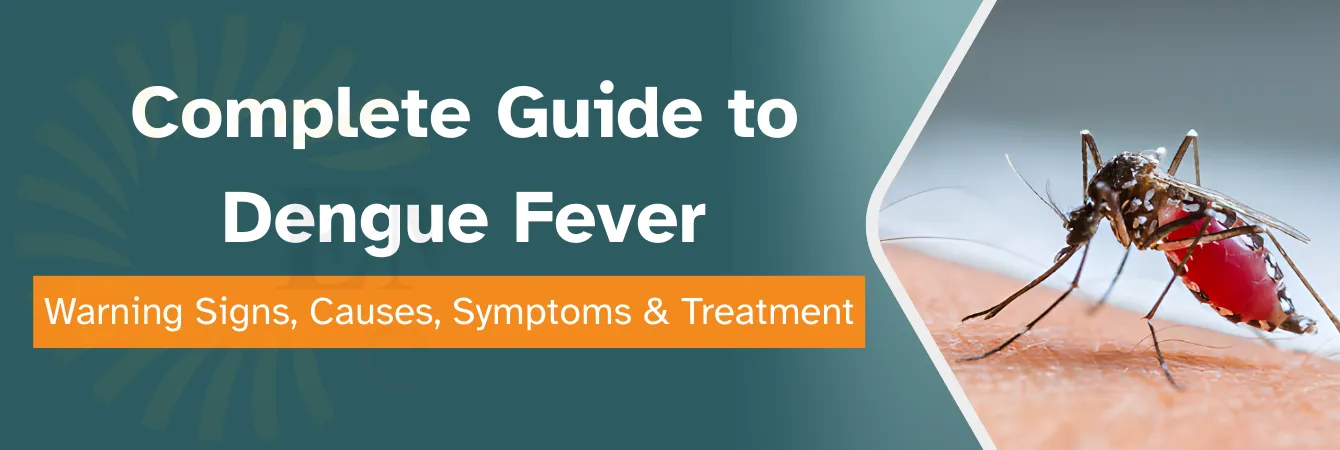
    Dengue fever is one of the most common mosquito-borne viral diseases, spreading rapidly in tropical and subtropical regions around the world. It is transmitted through the bite of an infected Aedes aegypti mosquito. The infection is often referred to as “breakbone fever” because of the intense joint and muscle pain it causes. Accurate diagnosis and appropriate treatment can be ensured by consulting with experienced internal medicine specialists. Every year, millions of cases are reported worldwide, making it a major public health concern. The World Health Organization (WHO) states that nearly half of the global population is at risk of contracting dengue.

    Dengue Fever Causes

    Dengue Virus and Its Types (DENV 1–4)

    The disease is caused by the dengue virus (DENV), which has four distinct strains: DENV-1, DENV-2, DENV-3, and DENV-4. Once a person recovers from one strain, they develop lifelong immunity against it. However, infection with a different strain increases the risk of severe dengue in the future. This means a person can have dengue multiple times, and the second or third infection often tends to be more dangerous.

    How It Spreads Through Aedes Mosquitoes

    Transmission happens when a female Aedes mosquito bites a person already infected with dengue. The virus then multiplies inside the mosquito and is passed on when the mosquito bites another healthy person. Unlike most mosquitoes that bite at night, Aedes mosquitoes are aggressive daytime biters, making dengue harder to avoid.

    Risk Factors for Dengue Infection

    Certain factors increase the chances of contracting dengue, such as living in densely populated cities, areas with stagnant water, poor sanitation, and regions with heavy rainfall. Travelers to tropical countries are also at high risk. People with weakened immune systems or who have already had dengue once are more likely to develop severe complications.

    Understanding the 4 Stages of Dengue Fever

    Febrile Stage
    This stage is marked by sudden high fever (often up to 104°F), intense headache, pain behind the eyes, nausea, and skin rashes. It lasts between 2–7 days, and many patients mistake it for a regular viral infection.

    Critical Stage
    This is the most dangerous phase. It usually occurs after the fever subsides, giving a false impression of recovery. In this stage, fluid leakage, low platelet count, and internal bleeding may occur. If untreated, the patient may progress to severe dengue or shock syndrome.

    Recovery Stage
    In the recovery stage, the patient’s condition improves gradually. The appetite returns, energy levels increase, and fluid absorption stabilizes. Rash and itching are common during this stage, signaling that the body is healing.

    Severe Dengue Progression
    Some patients develop severe dengue, characterized by plasma leakage, organ impairment, or shock. This stage requires hospitalization and intensive care because it can become life-threatening within hours.

    Dengue Fever Treatment

    There is no direct cure for dengue. Treatment focuses on relieving symptoms and preventing complications. Patients are advised to rest, stay hydrated, and take paracetamol for fever and pain. Aspirin and ibuprofen should be avoided as they can worsen bleeding. Severe cases may require hospitalization, IV fluid replacement, and platelet transfusions if levels drop dangerously low.

    7 Warning Signs of Dengue Fever

    Daingue fever symptoms Recognizing  early can save lives. There are several warning signs that we feel in our body that may cause daingue fever. These are:

    1. Severe Headache – Intense headaches that do not respond to regular painkillers are common in dengue.

    2. Pain Behind the Eyes – A unique symptom, causing discomfort and sensitivity to light.

    3. Joint and Muscle Pain – Known as “breakbone pain,” this is one of the most painful aspects of dengue.
      Skin Rash – Red rashes or tiny spots appear within a few days of fever, indicating low platelet count.

    4. Bleeding Symptoms – Gum bleeding, nosebleeds, or easy bruising signal that the body’s clotting ability is compromised.

    5. Persistent Vomiting – Continuous nausea and vomiting may indicate fluid imbalance and dehydration.

    6. Fatigue and Weakness – Severe tiredness even after rest is a hallmark of dengue.

    Take Action – Don’t Wait, Consult Our Doctor Today!

    If you or your loved ones are experiencing high fever, body aches, rashes, any of the warning signs of dengue or dengue symptoms, don’t take chances with your health. Dengue can progress rapidly, and early medical attention makes all the difference between a quick recovery and dangerous complications.

    Your health is too important to ignore. Whether it’s for a consultation, diagnosis, or ongoing care, our doctors are here to support you every step of the way.

    👉 Book your consultation today and let our doctors help you recover safely.

    FAQs (Frequently Asked Questions)

    Dengue usually lasts 7–10 days, with fever present for the first 2–7 days followed by recovery.

    Foods rich in Vitamin C (oranges, papaya), iron (spinach, beetroot), and fluids (coconut water, juices) help boost immunity and support platelet recovery.

    Dengue often comes with severe joint pain, pain behind the eyes, rashes, and low platelet count, which are not common in normal viral fevers. A blood test is the only sure way to confirm.

    Yes, since there are four different strains of the dengue virus, you can get infected again with another type, and subsequent infections may increase the risk of severe dengue.

    Related Post
    Book Appointment

  • Migraine: Causes and Relief options for Migraine Headache

    Migraine: Causes and Relief options for Migraine Headache

    Migraine: Causes, Symptoms, Types, and Triggers You Should Know

    migraine headache symptoms and Migraine Causes

    Migraines are not always “bad headaches.” They are a  neurological disorder that can affect everyday functioning, occupational productivity, and overall health.

    A migraine headache generally appears in the form of pulsating pain, usually on one side of the head, along with nausea, vomiting, and light or sound sensitivity. It can be a crippling illness for some people, with agony lasting anywhere from a few hours to many days. Reducing the burden of migraines on your life requires knowing the causes of migraines, identifying triggers, diagnosing symptoms early, and understanding about available treatments.

    What is a Migraine?

    A migraine is more than an ordinary headache; it is a complex brain condition involving changes in nerve signals, brain chemicals, and blood flow. here are times when the migraine location shifts or spreads across both sides of the head, and other times it affects just one side. In many cases, migraines follow a pattern, often beginning with warning signs called migraine aura. These can include visual disturbances such as flashing lights, zigzag patterns, or blind spots.

    Other people may not experience aura but still face intense pain. Migraines are classified as a chronic condition if they occur frequently, and their unpredictable nature makes them one of the most challenging headaches to manage.

    Migraine Headache Symptoms

    Recognizing migraine symptoms early can help you take quick action to prevent a full-blown attack. The most common symptom is a throbbing or pulsating headache, often concentrated on one side of the head. This pain can intensify with physical movement, making daily activities challenging. Many people also experience nausea and vomiting, which can make it difficult to take medication orally. Light and sound sensitivity are hallmark symptoms, forcing sufferers to seek dark, quiet rooms for relief.

    Visual disturbances are common, especially with ocular migraine, which can temporarily affect vision in one eye. Dizziness, vertigo, and balance issues may occur in vestibular migraine, while hemiplegic migraine can cause temporary weakness or numbness on one side of the body, closely resembling stroke symptoms. Because of these variations, keeping track of your symptoms and their duration is essential for accurate diagnosis and treatment.

    Types of Migraines Headache

    Migraines come in several forms, and understanding each type helps in finding the right treatment.

    Migraine with Aura – This type includes warning signs like flashes of light, zigzag patterns, or speech difficulties before the headache phase begins.

    Migraine without Aura – The most common type, it skips the warning signs and jumps directly into head pain and other symptoms.
    Basilar Migraine – Originating in the brainstem, this type can cause dizziness, double vision, difficulty speaking, and coordination problems before the headache.
    Ocular Migraine – This form impacts vision in one eye and may involve temporary blindness or flashing lights. The ocular migraine ICD-10 code (G43.B) is used for medical records.
    Vestibular Migraine – This type primarily affects balance, causing vertigo, dizziness, and nausea, sometimes even without a severe headache.
    Hemiplegic Migraine – This rare type mimics stroke symptoms, with temporary paralysis or weakness on one side of the body.
    Abdominal Migraine – More common in children, it causes abdominal pain, nausea, and vomiting without the typical head pain.

    Migraine Treatments and Relief Options

    Migraine treatment focuses on two goals: stopping an attack in progress and avoiding further incidents

    Medications are often the first line of defense.
    Prescription medications called triptans function by constricting blood vessels and obstructing the brain’s pain pathways. Over-the-counter options like Excedrin Migraine (a mix of aspirin, acetaminophen, and caffeine) and Panadol Migraine (paracetamol-based) provide relief for mild cases. In severe attacks, a migraine cocktail in the ER — which may include anti-nausea medicine, NSAIDs, and intravenous fluids — can be administered to break the cycle.

    5 Tips for Instant Migraine Relief:

    When a migraine strikes, quick action is crucial.
    First, place a cold pack on your forehead or the back of your neck to numb the pain. Second, move to a quiet, dark environment to avoid sensory overload. Third, drink water to prevent dehydration, which can worsen symptoms. Fourth, practice deep breathing or mindfulness meditation to calm your nervous system. Finally, take your prescribed migraine medicine or recommended over-the-counter option as soon as symptoms begin, as early treatment increases the chances of halting the attack.

    Migraine Treatment in Gurdaspur, Punjab

    At Abrol Hospital, Gurdaspur, migraine treatment is designed to provide fast relief from acute attacks while also reducing their frequency and severity over time. Patients are first evaluated to identify the type of migraine—whether with aura, without aura, vestibular, or chronic—so treatment can be tailored accordingly. For immediate relief, the hospital uses evidence-based medications such as triptans, NSAIDs, anti-nausea drugs, or combination therapies like the migraine cocktail for severe cases.

    In cases of frequent or disabling migraines, preventive treatments are introduced, which may include beta-blockers, calcium channel blockers, anticonvulsants, or certain antidepressants as part of migraine prophylaxis. Alongside medication, patients receive guidance on trigger management, stress reduction, sleep regulation, and dietary modifications, ensuring a comprehensive approach that addresses both symptoms and root causes of migraines.

    Book a Consultation with Our Doctor Today

    Migraines aren’t “just headaches” — they can severely affect your work, relationships, and quality of life. You don’t have to suffer in silence or rely on temporary fixes. Our experienced doctors specialize in diagnosing the root cause of migraines and creating personalized treatment plans that work for you.

    Whether your migraines are occasional or chronic, timely medical care can make a life-changing difference. From advanced diagnostic tools to the latest in preventive and pain-relief therapies, we provide comprehensive care tailored to your needs.

    📞 Book an appointment online to take the first step toward a migraine-free life.

    FAQs (Frequently Asked Questions)

    Migraine relief often depends on identifying and addressing the underlying triggers. For quick relief, you can:

    • Rest in a dark, quiet room.

    • Apply a cold or warm compress to the head or neck.

    • Stay hydrated and avoid strong smells or bright lights.

    • Take over-the-counter pain relievers (such as ibuprofen or acetaminophen) early in the attack.
      For frequent or severe migraines, prescription medications and preventive strategies from a doctor are recommended.

    In women, migraines are often linked to hormonal fluctuations, particularly changes in estrogen levels during menstruation, pregnancy, or menopause. Other triggers like stress, diet, and sleep changes can also play a role.

    Migraine treatments may include:

    • Medications (acute and preventive).

    • Lifestyle changes (healthy sleep, hydration, balanced diet).

    • Trigger management (identifying and avoiding personal triggers).

    • Therapies like biofeedback, acupuncture, or cognitive behavioral therapy.

    • Neuromodulation devices for drug-free relief in certain cases.

    The exact cause of migraines isn’t fully understood, but they are believed to result from abnormal brain activity that affects nerve signals, blood flow, and brain chemicals. Genetics and environmental factors also play a role. Common triggers include hormonal changes, certain foods, stress, sleep disturbances, and sensory stimuli.

    The “5 C’s” are a simple way to remember common migraine triggers:

    1. Chocolate – and other foods containing caffeine or theobromine.

    2. Cheese – particularly aged cheeses high in tyramine.

    3. Caffeine – both excess and sudden withdrawal.

    4. Citrus – certain acidic fruits may trigger attacks.

    5. Cured Meats – foods with nitrates like salami or bacon.

    If left untreated, migraines can become more frequent and severe, potentially leading to chronic migraine (15+ headache days per month). Ongoing migraines may also contribute to anxiety, depression, poor sleep, and reduced quality of life. In rare cases, severe migraines can be linked to neurological complications.

    Related Post
    Book Appointment

  • Pancreatic Cancer: Causes, Symptoms, and Treatment Options

    Pancreatic Cancer: Causes, Symptoms, and Treatment Options

    Pancreatic Cancer: Causes, Symptoms, and Treatment Options

    pancreatic cancer - panceras Causes, Symptoms, and Treatment Options

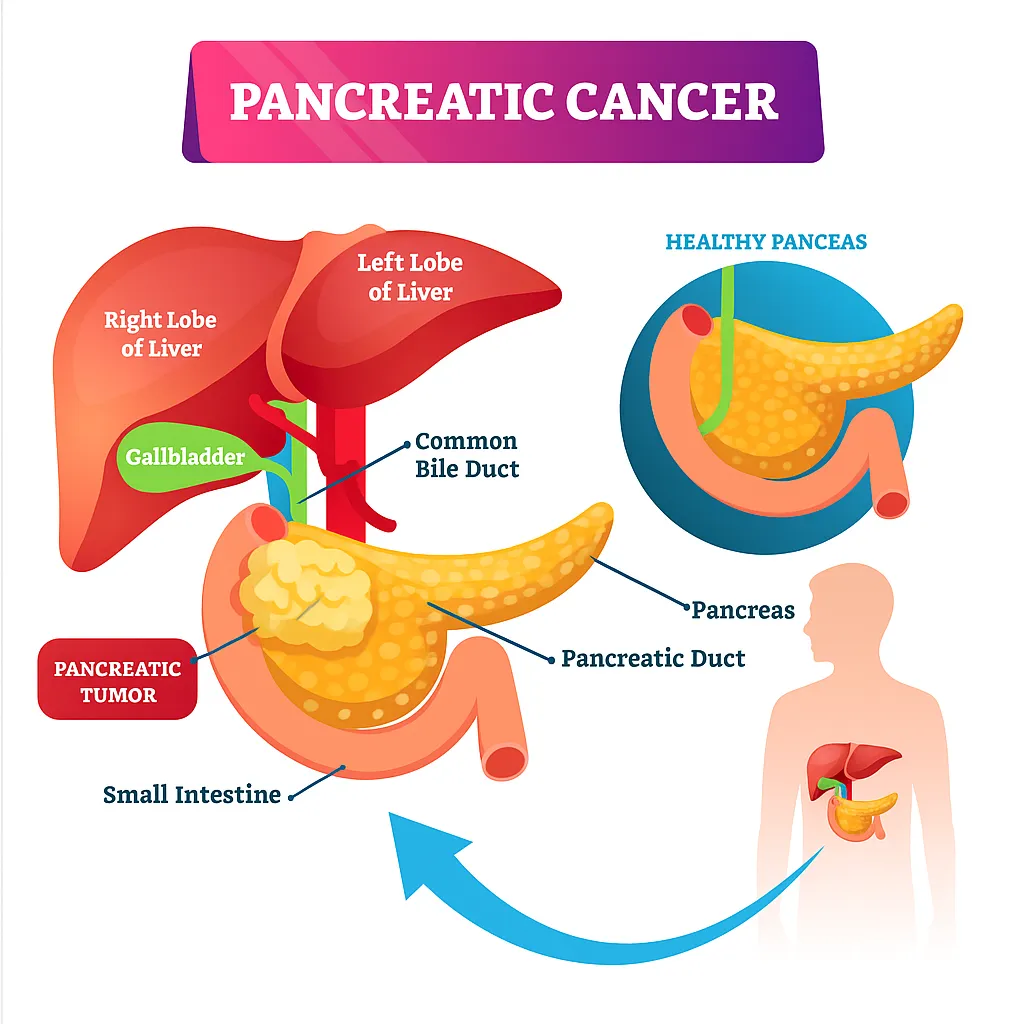
    Pancreatic cancer is one of the most serious and life-threatening cancers because of its silent progression and rapid spread. Located deep in the abdomen, the pancreas is a vital organ that quietly performs crucial tasks for digestion and blood sugar regulation. Unfortunately, its hidden position often allows tumors to grow unnoticed until they reach advanced stages or diagnose by abdominal ultrasound. This is why pancreatic cancer is often referred to as a “silent killer.” Early diagnosis can dramatically improve treatment success rates, but in reality, most cases are diagnosed late. Raising awareness about its causes, symptoms, and treatments can help change that.

    What is Pancreatic Cancer?

    Pancreatic cancer develops when abnormal cells in the pancreas start to multiply uncontrollably, forming malignant tumors. These cancerous cells disrupt the pancreas’s normal function and can spread to other parts of the body. There are two main types:

    Exocrine tumors, which make up the majority of cases and affect the enzyme-producing cells.

    Endocrine tumors, which are less common and affect hormone-producing cells.

    The most common type, pancreatic adenocarcinoma, is especially aggressive and begins in the pancreatic ducts.

    Importance of Early Detection

    Detecting pancreatic cancer early is challenging because initial symptoms are either mild or mistaken for other conditions. However, catching it early can mean the difference between life-saving surgery and only palliative care. Early detection allows for more treatment options, including surgical removal of the tumor, which can potentially cure the disease. That’s why understanding the warning signs and risk factors is so vital.

    Understanding the Pancreas & Its Role in the Body
    In order to ensure that the body absorbs nutrients effectively, it creates digestive enzymes that aid in the breakdown of fats, proteins, and carbs which helps to improve your digestive system. Additionally, it releases chemicals that regulate blood sugar levels, such as glucagon and insulin. Without a functioning pancreas, both digestion and metabolism would be severely impaired.

    How Cancer Affects Pancreatic Function
    When cancer develops, it can block the release of digestive enzymes, leading to malnutrition and weight loss. Tumors can also interfere with hormone production, causing sudden-onset diabetes in some patients. As the tumor grows, it can press on nearby organs and nerves, causing pain and other complications.

    Causes of Pancreatic Cancer

    Genetic Mutations
    DNA damage within pancreatic cells can cause them to grow out of control. Mutations in genes such as BRCA1, BRCA2, and p53 are linked to higher pancreatic cancer risk. While some mutations evolve over time as a result of environmental and lifestyle factors, others are inherited.

    Lifestyle-Related Risk Factors
    Smoking, heavy alcohol use, and diets high in saturated fat can increase the risk. Cigarette smoke contains carcinogens that can directly damage pancreatic cells, while alcohol abuse can trigger chronic inflammation of the pancreas.

    Medical Conditions Increasing Risk
    Diseases like chronic pancreatitis, long-standing diabetes, and certain infections have been shown to raise the likelihood of pancreatic cancer. Chronic pancreatitis, in particular, creates an environment of continuous cell damage and repair, which can eventually lead to mutations.

    Family History and Hereditary Syndromes
    A family history of pancreatic cancer or certain hereditary syndromes (like Lynch syndrome) significantly raises risk. People with multiple relatives affected should consider genetic testing.

    Risk Factors You Should Know

    Age and Gender
    The risk of developing pancreatic cancer rises sharply after age 60. Men are slightly more prone than women, possibly due to higher rates of smoking and occupational exposures.

    Smoking and Alcohol Consumption
    Smoking nearly doubles the risk of pancreatic cancer. Alcohol, especially in large quantities, can damage the pancreas and cause chronic pancreatitis, another risk factor.

    Diet and Obesity
    Diets rich in red meat, processed foods, and sugary drinks increase inflammation and insulin resistance, both of which can promote cancer growth. Being overweight also places extra stress on the pancreas.

    Chronic Pancreatitis
    Over time, chronic inflammation weakens pancreatic tissue, which fosters the growth of cancer cells.

    Symptoms of Pancreatic Cancer

    Early-Stage Symptoms
    Early symptoms, like moderate stomach pain, inexplicable exhaustion, and slight weight loss, are frequently ambiguous. Unfortunately, these signs are easily overlooked or attributed to less serious conditions.

    Advanced-Stage Symptoms
    In later stages, symptoms become more obvious and severe. Jaundice (yellowing of the skin and eyes) occurs when the tumor blocks the bile duct. Patients may also experience dark urine, pale stools, and severe abdominal or back pain.

    Symptoms Often Misdiagnosed
    Because early signs resemble gallbladder disease, hepatitis, or stomach ulcers, diagnosis is often delayed until the disease is advanced.

    Diagnosis & Stages of Pancreatic Cancer

    Imaging Tests
    CT scans, MRI, and endoscopic/ abdominal ultrasound are the primary tools for detecting pancreatic tumors. These provide detailed images to locate and assess the tumor’s size and spread.

    Blood Tests and Tumor Markers
    The CA 19-9 blood test measures a protein that may be elevated in pancreatic cancer patients. While not perfect, it can help monitor treatment effectiveness.

    Biopsy and Histological Analysis
    A biopsy involves removing a small tissue sample from the pancreas for microscopic examination. This confirms whether the tumor is cancerous.

    Stages of Pancreatic Cancer
    Stage 0 – Carcinoma in Situ
    Cancer is confined to the inner lining of the pancreas and has not spread. This stage has the highest cure potential if detected.

    Stage I to IV Overview
    Stage I: Localized tumor within the pancreas.
    Stage II: The tumor has extended to lymph nodes or adjacent tissues.

    Stage III: Major blood arteries close to the pancreas have been affected by the cancer.

    Stage IV: The liver or lungs are among the distant organs where the cancer has progressed.

    How Staging Affects Treatment Choices
    Lower stages are often treated with surgery and may be curable, while advanced stages focus on slowing progression and relieving symptoms.

    Book a Consultation with Our Doctor Today

    Our experienced doctors specialize in Gastrorentrology and oncological care, using advanced diagnostic tools and personalized treatment plans to give you the best possible outcome. From early screening for high-risk individuals to comprehensive treatment strategies, we are committed to providing compassionate, expert care at every stage.

    Remember: The difference between a timely check-up and delayed diagnosis could be life-changing.

    📞Scedule your consultation and take the first step toward clarity and peace of mind. Your health is worth it — and we’re here to fight alongside you.

    panceras cancer
    FAQs (Frequently Asked Questions)

    Many patients report initial symptoms like persistent indigestion, mild abdominal discomfort, fatigue, or unexpected weight loss. However, symptoms can vary greatly between individuals.

    Pancreatic cancer is often found through imaging tests like CT scans, MRIs, and endoscopic ultrasounds. Blood tests such as CA 19-9 can provide clues but aren’t definitive. In most cases, a biopsy is performed to confirm diagnosis.

    Common symptoms include jaundice (yellowing of the skin and eyes), unexplained weight loss, abdominal or back pain, loss of appetite, nausea, and light-colored stools. In some cases, new-onset diabetes can also be a sign.

    Exocrine tumors, the most common type, affect enzyme-producing cells and are usually more aggressive. Endocrine tumors are rarer, affecting hormone-producing cells, and often have a slower growth rate.

    The survival rate depends on the stage at diagnosis. Early-stage pancreatic cancer has a higher survival rate, but overall, the 5-year survival rate remains lower than many other cancers due to late detection.

    While the exact cause isn’t always clear, risk factors include smoking, chronic pancreatitis, obesity, family history, certain genetic mutations (like BRCA2), and a diet high in processed meats.

    Related Post

    Book Appointment

  • What Is Typhoid Fever? Causes, Symptoms & Prevention Tips

    What Is Typhoid Fever? Causes, Symptoms & Prevention Tips

    What Is Typhoid Fever? Causes, Symptoms & Prevention Tips

    typhoid fever Causes, Symptoms & Prevention

    Typhoid fever is a bacterial infection that can affect the entire body but primarily targets the intestinal tract and bloodstream. It’s caused by the Salmonella enterica serotype Typhi bacterium, which enters the body through contaminated food or water. In regions of the world with poor sanitation, typhoid fever is common.

    If treatment is not received, this illness can result in serious side effects such as internal bleeding and intestinal perforation. However, with early diagnosis and proper antibiotic treatment, most people recover fully. Understanding what typhoid fever is, along with its causes and symptoms, is crucial for effective prevention and control. Consulting experienced Internal Medicine specialists can help ensure accurate diagnosis and proper care.
    What Causes Typhoid Fever?

    Consuming food or water tainted with Salmonella Typhi bacteria is the cause of typhoid illness.. Unlike other strains of Salmonella that cause temporary food poisoning, Salmonella Typhi can multiply in the body, invade the bloodstream, and result in prolonged illness.

    Once inside the human body, the bacteria travel from the intestines into the bloodstream, where they are carried to various organs. Typhoid is highly contagious and can also be spread by individuals who are carriers — people who have recovered but still carry the bacteria in their body, unknowingly transmitting it to others.

    How Typhoid Fever Spreads to People

    Understanding how typhoid fever spreads is vital in preventing it. The infection primarily spreads through:

    Contaminated drinking water: In areas with poor sanitation, water supplies are easily polluted with human feces containing S. Typhi.

    Contaminated food: Food that is handled by someone with poor hand hygiene or prepared in unhygienic conditions can harbor the bacteria.
    Direct contact with an infected person: Especially if proper hygiene is not practiced.

    Asymptomatic carriers: Some people can harbor the bacteria in their gallbladders and shed it in feces for months or years without showing any symptoms.

    This is why typhoid outbreaks often occur in regions where public health systems are underdeveloped.

    ⚠️ Early Symptoms of Typhoid Fever

    The early symptoms of typhoid fever typically appear within 6 to 30 days  after exposure. These symptoms can be mistaken for other common illnesses, which is why many cases go undiagnosed initially. To avoid serious problems, early detection and treatment are essential.
    Common Signs and Symptoms:

    High Fever: The most consistent symptom is a gradually rising fever, reaching up to 103°F–104°F (39°C–40°C) over several days.

    Fatigue and Weakness: The infection can drain your energy quickly, causing extreme tiredness.

    Abdominal Pain: Cramps or abdominal pain is common due to inflammation of the intestinal lining.

    Loss of Appetite: Most people experience a significant decline in hunger.

    Constipation or Diarrhea: Depending on the individual, both symptoms can occur. Children are more likely to have diarrhea, while adults may be constipated.

    Headaches and Body Aches: These resemble flu-like symptoms and can mislead diagnosis.

    Rose-Colored Rash: Some patients, especially children, may develop small, rose-colored spots on the trunk or chest.

    If you’re experiencing these symptoms — especially after traveling to or living in a typhoid-prone area — consult a doctor immediately for diagnosis and treatment.

    How to Prevent Typhoid Fever

    Prevention is the best strategy, especially if you’re traveling to or living in high-risk regions. Below are key typhoid prevention tips that can protect you and your family.

    1. Get Vaccinated

    There are two main types of typhoid vaccines:

    • Injectable (inactivated) vaccine

    • Oral (live attenuated) vaccine

    Vaccination is not 100% effective but significantly reduces the risk of infection. It is strongly recommended for:

    • International travelers to high-risk countries

    • People working in laboratories or sanitation departments

    • Children in endemic areas

    2. Practice Safe Food and Water Habits

    A major component of how to prevent typhoid fever is ensuring food and water safety. Follow these rules:

    • Drink only boiled, bottled, or purified water

    • Avoid ice cubes unless made from safe water

    • Eat freshly cooked hot food

    • Stay away from raw salads or unpeeled fruits unless you wash and peel them yourself

    • Avoid street food in high-risk areas

    3. Maintain Proper Hygiene

    Good hygiene practices go a long way in preventing typhoid in children and adults alike. Make these a daily habit:

    • Wash hands thoroughly with soap and water before eating or preparing food, and after using the toilet

    • Teach kids the importance of handwashing

    • Avoid sharing utensils or cups with others in endemic areas

    4. Improve Community Sanitation

    Addressing systemic sanitation issues helps reduce typhoid cases long-term:

    • Use toilets instead of open defecation

    • Dispose of human waste properly

    • Ensure your community has access to clean water and safe sewage systems

    Supporting clean water initiatives and public health education also plays a vital role in typhoid eradication.

    Book a Consultation with Our Typhoid Specialist Today

    Typhoid fever is a serious health concern that should never be ignored. If you or a loved one is experiencing symptoms like persistent high fever, abdominal discomfort, or fatigue, especially after travel or exposure to contaminated food or water, it’s essential to seek professional help.

    👉 Don’t wait for complications to arise. Early diagnosis and proper treatment can make all the difference.

    FAQs (Frequently Asked Questions)

    While both conditions may present with nausea, stomach cramps, and diarrhea, typhoid fever is more severe and long-lasting. It’s caused by Salmonella Typhi, which enters the bloodstream and affects multiple organs. Food poisoning, on the other hand, is usually short-term and caused by various other bacteria or viruses. Unlike typical food poisoning, typhoid requires antibiotic treatment to recover fully.

    Yes. Typhoid fever is highly contagious and can spread from an infected person to others through:

    • Contaminated hands or surfaces

    • Improperly handled food or water

    • Infected individuals who are chronic carriers (they have recovered but still shed the bacteria)

    Good hygiene, including frequent handwashing, is essential in stopping the spread.

    Absolutely. In fact, preventing typhoid in children is critical because they are more vulnerable to infection. The typhoid vaccine is safe for children over 6 months of age in most cases, and it’s highly recommended if:

    • You live in a typhoid-endemic region

    • You are planning to travel to high-risk countries

    Speak to our doctor for guidance on the best vaccination option for your child.

    During recovery, your digestive system is sensitive. Stick to:

    • Soft, bland foods like boiled rice, bananas, toast, applesauce, and boiled potatoes

    • Hydrating liquids like clear soups, oral rehydration solutions, and coconut water

    • Avoid spicy, fried, and high-fiber foods, which can irritate your gut

    Your doctor may also recommend nutritional supplements if appetite is severely reduced.

    The protection offered by typhoid vaccines varies:

    • Oral Ty21a vaccine (capsule): Usually offers protection for about 5 years

    • Injectable Vi polysaccharide vaccine: Typically lasts around 2 years

    Booster doses are recommended for people who continue to be at risk. Our clinic provides both vaccine options and guidance on booster scheduling.

    Related Post

    Book Appointment

  • Understanding Chest Pain: Causes, Symptoms & ICD-10 Codes

    Understanding Chest Pain: Causes, Symptoms & ICD-10 Codes

    Understanding Chest Pain: Causes, Symptoms, and ICD-10 Codes for Chest Pain

    Understanding Chest Pain & ICD 10 Code

    Chest pain refers to any discomfort, pressure, or pain that occurs in the chest region, between your neck and upper abdomen. The causes of chest pain is diagnoise by ICD-10 codes. For some, it may last only a few seconds, while for others it can persist for hours. This symptom can be associated with a wide range of medical conditions—from minor issues like indigestion to severe, life-threatening problems like heart attacks. Understanding what kind of chest pain you’re experiencing is essential for proper treatment.

    Why Chest Pain Should Never Be Ignored

    Even if there are some harmless reasons for chest pain, it’s wise to be safe. The chest houses vital organs including the heart and lungs, and any issue affecting them can present as pain. Ignoring chest pain can delay treatment of serious conditions like myocardial infarction or pulmonary embolism, which could result in fatal outcomes. Even if the pain turns out to be harmless, it’s better to get a clear diagnosis rather than risk your life on guesswork.

    Understanding ICD-10 Codes

    ICD-10 stands for the International Classification of Diseases, 10th Revision. It’s a globally accepted system for coding diseases, conditions, and symptoms. These codes help healthcare professionals accurately document diagnoses and treatments in a standardized format, ensuring consistency across medical records, hospitals, and insurance providers.

    Common Causes of Chest Pain

    1. Cardiac-Related Causes

    i) Heart Attack (Myocardial Infarction): When a clot or plaque accumulation in the arteries blocks blood flow to a portion of the heart, this  can cause of heart attack . This blockage can damage or destroy heart muscle, and the classic symptom is intense chest pain or pressure—often described as “crushing” or “squeezing.” The pain may spread to the jaw, left arm, neck, or back, and it’s often accompanied by nausea, sweating, and difficulty breathing. Immediate medical attention is crucial to minimize damage.

    ii)Angina: Acid reflux, or gastroesophageal reflux disease (GERD), can cause a burning sensation in the chest known as heartburn. This happens when stomach acid flows backward into the esophagus, irritating its lining. The pain can mimic that of a heart attack, often intensifying after meals or when lying down. Unlike cardiac pain, GERD pain may improve with antacids and doesn’t usually radiate to other parts of the body.

    2. Gastrointestinal Causes

    i) Acid Reflux / GERD: When a clot or plaque accumulation in the arteries blocks blood flow to a portion of the heart, a heart attack occurs. This blockage can damage or destroy heart muscle, and the classic symptom is intense chest pain or pressure—often described as “crushing” or “squeezing.” The pain may spread to the jaw, left arm, neck, or back, and it’s often accompanied by nausea, sweating, and difficulty breathing. Immediate medical attention is crucial to minimize damage.

    ii)Gallbladder Issues: Problems with the gallbladder, such as gallstones, can cause pain in the upper right abdomen that radiates to the chest, mimicking heart pain. This is especially true after eating fatty meals. Gallbladder attacks typically come on suddenly and can last several hours. The pain might be sharp and intense, and it may be accompanied by nausea or vomiting.

    3. Pulmonary Causes

    i) Pulmonary Embolism: This is a life-threatening emergency and can cause sudden, sharp chest pain that worsens with breathing. Shortness of breath, a fast heartbeat, and coughing—occasionally with blood—are possible additional symptoms. PE needs to be treated right away in order to break up the clot and stop more problems.

    ii)Pneumonia: Additionally, pneumonia, an illness that causes inflammation of the air sacs in one or both lungs, can cause chest pain. Usually acute, this discomfort gets worse when you cough or take heavy breaths. Infections such as pneumonia can be serious, especially in older adults or those with weakened immune systems.

    3. Musculoskeletal Causes

    i) Muscle Strain : Overexerting yourself, especially during physical activities that involve the upper body, can lead to chest wall muscle strain. Pressing on the afflicted location might replicate this localized pain, which typically gets worse with movement. While not dangerous, it can be uncomfortable and often causes unnecessary panic.

    ii)Costochondritis: The inflammation of the cartilage connecting the breastbone to the ribs is known as costochondritis. Many people mistake it for a heart condition since it can cause severe pain, especially on the left side of the chest. This condition is typically harmless and often resolves on its own with rest, ice, or anti-inflammatory medication.

    4. Psychological Causes

    i) Anxiety and Panic Attacks : Panic attacks, which frequently involve tightness or pain in the chest, can be brought on by stress and anxiety. A fast heartbeat, perspiration, shaking, lightheadedness, and a feeling of impending doom can all accompany this agony. Even though it’s not life-threatening, the symptoms are so similar to a heart attack that it often prompts emergency visits.

    Symptoms Associated with Type of Chest Pain

    Pain with Breathing or Movement: The lungs or muscles of the chest wall are probably to blame when chest discomfort gets worse when you breathe deeply or move your body. Conditions like pleurisy, costochondritis, or even a rib fracture fall under this category.

    Radiating Pain: Pain that travels to the arm, jaw, or back typically raises red flags for heart-related issues. The classic example is left-arm pain accompanying a heart attack. However, referred pain can also happen in gallbladder and lung conditions.

    Sharp vs. Dull Pain: Sharp, stabbing chest pain usually points to lung or musculoskeletal issues, whereas dull, heavy pressure is more indicative of cardiac concerns. Knowing the character of the pain helps doctors narrow down possible causes.

    Other Warning Signs: Additional symptoms like nausea, shortness of breath, dizziness, fainting, or cold sweats alongside chest pain should be considered serious and warrant emergency.

    Importance of ICD-10 in Medical Diagnosis

    ICD-10 codes are essential not just for accurate diagnosis, but also for medical billing, research, and insurance claims. Without the right code, patients might face insurance denials or delayed reimbursements. For doctors, the right code ensures the correct treatment plan is followed and tracked.

    ICD-10 Codes for Chest Pain

    There are several specific ICD-10 codes for chest pain:

    R07.0 – Pain in throat and chest: Used when both the throat and chest are involved.

    R07.1 – Chest pain on breathing: Indicates pain linked to the respiratory cycle, common in pleuritis.

    R07.2 – Precordial pain: Refers to pain in the area over the heart (precordium).

    R07.81 – Pleurodynia: Used when the chest pain is due to muscle inflammation from viral infections.

    R07.89 – Chest discomfort that doesn’t fall into one of the more specialized categories is covered.

    R07.9 – Unspecified chest pain: Used when the cause or location of the pain isn’t clear—common in emergency settings.

    How Doctors Differentiate the Root Cause of Chest Pain

    Physical Exam and Medical History
    The diagnostic journey starts with a patient interview. Doctors ask about the nature of the pain, triggers, duration, and associated symptoms. They also consider lifestyle habits, family history, and previous health conditions. This step helps narrow the diagnostic possibilities significantly.

    Diagnostic Tests (ECG, X-ray, Blood Work)
    Electrocardiograms (ECGs) help detect heart problems. Chest X-rays visualize lung issues or rib fractures. Blood tests can identify infections or measure cardiac markers that indicate a heart attack. Together, these tools help doctors determine the exact cause of chest pain and assign the appropriate ICD-10 code.

    Treatment Based on Cause of Chest Pain
    Treatment depends entirely on the underlying cause. Cardiac issues may require medication, stents, or surgery. Acid reflux is managed with lifestyle changes and antacids. Pulmonary embolisms need blood thinners, while anxiety-induced pain may benefit from counseling or medication. Accurate diagnosis ensures the right treatment is administered swiftly.

    Tips to Prevent Chest Pain
    Prevention always beats cure. Maintaining a heart-healthy diet, staying physically active, avoiding smoking, managing stress, and getting regular health checkups can significantly reduce your chances of experiencing chest pain. Also, be aware of your body—don’t ignore small warning signs.

    Worried About Chest Pain? Don’t Take Chances – Talk to Our Doctor Today!

    Chest pain should never be ignored. Whether it’s a sharp twinge, a dull ache, or persistent pressure, it could be a sign of something serious. Our experienced medical team is here to provide a thorough diagnosis and personalized care to get you the answers—and relief—you need.
    📞 Book your consultation now and let our Pulmonologist doctor help you breathe easy.

    TB & Chest in Abrol Hospital
    FAQs About Chest Pain & ICD 10 Codes

    Yes. Stress, anxiety, and panic attacks are known to cause chest pain that mimics heart attacks. It’s called non-cardiac chest pain and is surprisingly common.

    Relieving chest pain at home depends, If it’s due to indigestion or acid reflux, drinking warm water or taking an antacid may help. For muscle strain, applying a warm compress and resting can reduce discomfort. Practicing deep breathing and relaxation techniques can ease pain caused by anxiety or panic attacks. However, if the chest pain is sudden, severe, or accompanied by other symptoms like shortness of breath or dizziness, seek immediate medical attention—never attempt to treat suspected heart-related pain at home.

    R07.9 (Unspecified chest pain) is most commonly used, especially in emergency rooms where immediate, specific diagnosis is not possible.

    Causes include heart disease, anxiety, acid reflux, hormone changes, or muscle strain. Women may experience different heart attack symptoms than men.

    It could signal a heart problem, but may also be caused by indigestion, gas, or muscle pain. Don’t ignore it—get checked if it’s severe or recurring.

    No. While the heart is a common source, chest pain can also arise from the lungs, gastrointestinal system, muscles, or even psychological conditions.

    Related Post

    Book Appointment

  • What is Psychosomatic Disorder? – Causes, Symptoms, Treatment, and Prevention

    What is Psychosomatic Disorder? – Causes, Symptoms, Treatment, and Prevention

    What is Psychosomatic Disorder? – Causes, Symptoms, Treatment, and Prevention

    What is Psychosomatic Disorder - Causes, Symptoms, Treatment, and Prevention

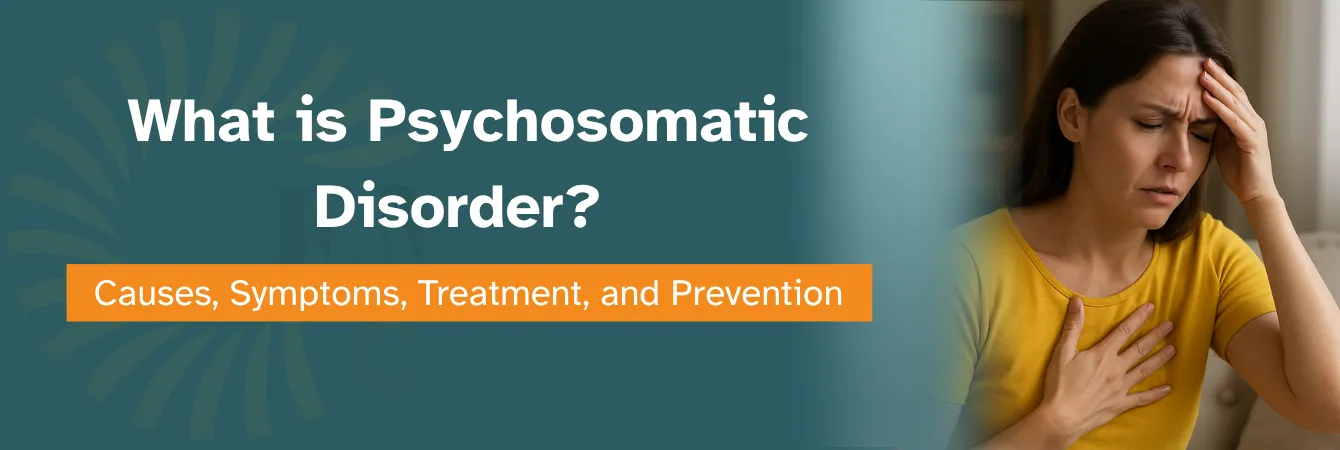
    Psychosomatic Disorder refers to a condition in which psychological or emotional factors affect your physical health. The human body and mind are not separate entities—they’re deeply interconnected. Think about the last time you were nervous. Did your heart race? Did your palms sweat? That’s your brain affecting your body. In a psychosomatic disorder, this mind-body dialogue is amplified. Emotional stress or unresolved trauma leads to physical manifestations, turning emotional suffering into bodily symptoms. Understanding this connection is vital to healing both mentally and physically.

    Causes of Psychosomatic Disorder

    1. Psychological Stress

    One of the most common triggers of psychosomatic symptoms is stress. When a person experiences ongoing emotional or mental stress, the body remains in a constant state of “fight or flight,” releasing cortisol and adrenaline. Over time, this state of hyper-alertness taxes the nervous system and weakens the immune response. The end result? Chronic headaches, chest pain, gastrointestinal distress, and a host of other unexplained symptoms that don’t improve with conventional treatments.

    2. Childhood Trauma or Abuse

    Trauma in early life—such as neglect, emotional abuse, or witnessing domestic violence—can set the stage for psychosomatic disorders in adulthood. Children may not have the tools or vocabulary to express emotional pain, so they internalize it. This buried distress can later resurface as physical symptoms. The body becomes a canvas for unspoken feelings, and the unresolved trauma begins to “speak” through pain, fatigue, or recurring illness.

    3. Anxiety and Depression

    Mental health conditions like anxiety and depression are strongly linked to psychosomatic symptoms. People suffering from these disorders often experience a heightened awareness of bodily sensations. A simple stomach ache may be perceived as intense or dangerous, further fueling anxiety. Additionally, depression can alter how pain is experienced, often intensifying discomfort or creating fatigue and weakness that have no biological cause.

    4. Personality Traits and Coping Mechanisms

    Certain personality types are more prone to developing psychosomatic symptoms. For example, perfectionists, people pleasers, or those who internalize emotions tend to suppress their feelings rather than express them. This emotional bottling eventually finds release in physical form. A person may develop chronic migraines or muscle tension as a result of their inability to manage emotional stress effectively.

    5. Neurological Factors

    Neurotransmitters like serotonin, dopamine, and norepinephrine play critical roles in regulating mood, emotion, and perception of pain. When there’s an imbalance in these chemicals—due to genetics, lifestyle, or trauma—it can disrupt the communication between the brain and the body. This disruption may lead to increased sensitivity to pain or unexplained physical sensations, contributing to the cycle of psychosomatic illness.

    Common Symptoms of Psychosomatic Disorder

    Physical Symptoms with No Clear Medical Cause

    These are often the hallmark of psychosomatic disorders. A patient may complain of chronic stomach pain, heart palpitations, or joint pain, but medical tests show no abnormalities. This disconnect between symptoms and diagnosis can be frustrating for both the patient and the doctor. Yet, the pain and discomfort are very real and can significantly impact daily life.

    Pain, Fatigue, and GI Issues

    Common physical manifestations include tension headaches, lower back pain, and ongoing fatigue that doesn’t improve with rest. Many also suffer from digestive issues like bloating, constipation, or irritable bowel syndrome (IBS). These symptoms tend to flare up during periods of emotional stress or anxiety, making it difficult to maintain normal routines.

    Cardiovascular and Respiratory Symptoms

    Patients may experience racing heartbeats, tightness in the chest, shortness of breath, or even dizziness. These symptoms often mimic more serious conditions like heart disease or asthma, but no physiological cause is found upon examination. The emotional distress fuels the physical sensations, creating a loop of fear and worsening symptoms.

    Skin and Musculoskeletal Complaints

    Rashes, eczema, psoriasis, or joint stiffness may appear or worsen during emotional turmoil. These skin or musculoskeletal issues can be psychosomatic in nature, driven by internal stress that finds expression through external symptoms.

    Emotional and Behavioral Patterns

    Beyond the physical complaints, individuals often display signs of irritability, mood swings, withdrawal, or compulsive behaviors. They may be hyper-focused on their health, constantly visiting doctors or fearing the worst-case scenario. This psychological pattern reinforces the physical symptoms, creating a cycle that’s hard to break.

    Treatment Options for Psychosomatic Disorder

    Cognitive Behavioral Therapy (CBT)

    Cognitive Behavioral Therapy is one of the most effective treatments for psychosomatic disorders. It focuses on identifying and altering the negative thought patterns and beliefs that fuel stress and, consequently, physical symptoms. A person might, for example, believe that a minor stomach ache signals a serious disease. CBT helps reframe that thought into a more rational one. Over time, this reshaping of perception reduces anxiety and breaks the cycle of mind-induced physical pain. CBT also teaches coping strategies, relaxation techniques, and problem-solving skills to manage daily stressors better.

    Medication (Antidepressants & Anxiolytics)

    While therapy remains the cornerstone of treatment, medications can provide crucial support. Antidepressants like SSRIs (Selective Serotonin Reuptake Inhibitors) can help regulate mood and reduce the intensity of both emotional and physical symptoms. Anxiolytics, used under medical supervision, can ease acute episodes of anxiety or panic attacks that may contribute to physical distress. Medication is particularly useful for patients who have co-occurring conditions like major depressive disorder or generalized anxiety disorder alongside psychosomatic symptoms.

    Stress Management Techniques

    Teaching the body how to relax is just as important as treating the mind. Stress management strategies like guided imagery, deep breathing exercises, progressive muscle relaxation, and aromatherapy can ease physical tension. These techniques activate the body’s relaxation response, reducing heart rate, lowering blood pressure, and calming overactive nerve signals that may be misinterpreted as physical pain or illness.

    Mindfulness and Meditation

    Mindfulness and meditation train the brain to stay present rather than ruminate over the past or worry about the future. Daily mindfulness practice helps individuals develop awareness of their physical sensations without reacting with fear or anxiety. Over time, this leads to a decrease in symptom severity. Practices like body scan meditation or mindful breathing have shown impressive results in reducing psychosomatic symptoms and promoting emotional balance.

    Lifestyle Changes and Support Groups

    Daily habits have a direct impact on mental and physical health. A nutrient-rich diet, regular physical activity, consistent sleep, and hydration can significantly reduce symptom flare-ups. Additionally, joining a support group allows individuals to share experiences, exchange coping strategies, and feel less isolated. Peer support can provide encouragement and practical advice, fostering a sense of hope and community.

    Prevention and Self-Care

    Building Emotional Resilience

    Emotional resilience is the psychological strength to cope with stress, adversity, and trauma. It’s like a muscle—it strengthens with regular use. Building resilience through journaling, therapy, or developing positive affirmations can help individuals respond to emotional challenges without internalizing them physically. Resilient individuals are better equipped to process emotions in healthy ways, reducing the risk of developing psychosomatic symptoms.

    Early Intervention for Mental Health

    Recognizing and addressing emotional issues before they spiral is critical. The earlier someone seeks support for anxiety, depression, or emotional overwhelm, the less likely it is that those feelings will convert into physical symptoms. Preventive mental health care, such as routine counseling or mental health check-ins, can catch early signs of distress and guide individuals toward healthier emotional regulation.

    Creating a Balanced Life

    Balance means different things for different people, but the core idea is simple: give time and energy to all aspects of life—work, relationships, rest, and self-care. Overworking or neglecting emotional needs can lead to burnout, which often triggers or worsens psychosomatic conditions. Creating time for hobbies, breaks, fun, and emotional expression is essential to both mental and physical wellbeing.

    Importance of Social Support

    Loneliness and isolation are significant risk factors for psychosomatic symptoms. Having close relationships provides a safety net during tough times. Talking to someone about your feelings—whether a friend, partner, or therapist—prevents emotions from bottling up. Social interaction also releases oxytocin, a hormone that lowers stress and promotes healing.

    Educating About Mental Health Stigma

    Many people suffer in silence because they fear being judged or misunderstood. Educating society about the legitimacy of psychosomatic disorders can reduce stigma and encourage more individuals to seek help. When psychosomatic illness is viewed through a compassionate, informed lens, it becomes easier for patients to access care without shame or guilt.

    🩺 Talk to Our Expert Doctor About Your Symptoms Today

    Are you constantly battling unexplained aches, chronic fatigue, or digestive issues—yet every medical test comes back normal? You’re not imagining it. Your body could be expressing what your mind is trying to hide. Psychosomatic disorders are real, treatable, and often misunderstood.

    📞 Book a consultation with our expert doctor today and take the first step toward healing—both mentally and physically.

    Psychosomatic Disorder Causes, Symptom

    FAQs About Kidney Stones Symptoms

    A common example of a psychosomatic illness is Irritable Bowel Syndrome (IBS), where people experience bloating, cramps, and diarrhea or constipation, often triggered or worsened by emotional stress. Other examples include tension headaches, chronic fatigue, and even high blood pressure. These conditions may have no detectable physical cause, but they’re directly influenced by mental or emotional distress.

    While the list can vary, seven frequently recognized psychosomatic disorders include:

    1. Tension headaches

    2. Irritable Bowel Syndrome (IBS)

    3. Hypertension (High blood pressure)

    4. Peptic ulcers

    5. Chronic fatigue syndrome

    6. Psoriasis and eczema

    7. Asthma
      These illnesses are often worsened or triggered by chronic stress, anxiety, or unresolved emotional issues, showing how strongly the mind and body are connected.

    Psychosomatic pain refers to physical pain that’s influenced by emotional or psychological factors rather than injury or illness. For example, you might feel neck stiffness, chest tightness, or back pain without a clear physical cause. This kind of pain is real—your body is reacting to emotional stress signals, not making it up.

    Treatment for psychosomatic disorders typically involves a combination of mental and physical health strategies, such as:

    • Cognitive Behavioral Therapy (CBT) to change stress-related thought patterns

    • Stress reduction techniques like deep breathing or meditation

    • Medications for anxiety or depression, if necessary

    • Lifestyle changes like better sleep, exercise, and diet
      Treating both the emotional stress and physical symptoms together is key to long-term recovery.

    Related Post

    Book Appointment

  • 10 Warning Signs of Heart Attack – Is your Heart Trying to Warn you

    10 Warning Signs of Heart Attack – Is your Heart Trying to Warn you

    Is your Heart Trying to Warn you? 10 Early Warning Signs of a Heart Attack You Should Never Ignore

    Warning Signs of a Heart Attack

    A heart attack (myocardial infarction) occurs when blood flow to part of the heart muscle is severely reduced or blocked, usually due to a buildup of plaque (cholesterol, fat, and other substances) in the arteries. This blockage prevents oxygen from reaching the heart tissue, which can cause permanent damage or death if not treated promptly.
    Heart disease remains the leading cause of death worldwide. Many of these deaths could be prevented if people recognized the early warning signs of a heart attack and sought medical attention promptly. Often, the body gives subtle but critical alerts before a major Cardiac event occurs. Unfortunately, these signs are frequently ignored or misinterpreted.

    This comprehensive guide explains the ten key early symptoms of a heart attack in detail—and includes essential prevention tips to help you protect your cardiac health.

    1. Chest Pain or Discomfort

    Chest pain is the hallmark and most common warning sign of a heart attack. It may feel like a heavy weight pressing down on your chest, a squeezing or burning sensation, or a feeling of fullness. Some describe it as if “an elephant is sitting on their chest.” The discomfort may last several minutes or come and go. It usually occurs in the center or left side of the chest but may also radiate elsewhere.

    What to do: Don’t wait it out. If the discomfort lasts more than 5 minutes or returns, seek emergency help immediately.

    2. Shortness of Breath

    Breathing difficulties can be an early and often overlooked Cardiac symptom. This may happen with or without chest pain. People might find it hard to breathe during routine activities or even while resting. It occurs when the heart cannot pump blood efficiently, causing fluid to back up into the lungs.

    When to worry: If you’re winded doing activities that were previously easy, or feel breathless while lying down, it could be a red flag.

    3. Pain in Other Parts of the Body

    Heart attack pain doesn’t always stay in the chest. It may spread to one or both arms (especially the left), neck, jaw, back, or even upper abdomen. In some people, especially women, the pain might feel more like tension or discomfort rather than sharp pain.

    Why it matters: Radiating pain is often dismissed as muscle strain or stress, but when combined with other cardiac symptoms, it’s a significant warning sign.

    4. Cold Sweats

    Sudden sweating, especially when it feels more like clammy skin or a cold sweat, can indicate your body is under extreme stress. This occurs because your nervous system activates the “fight or flight” response due to poor heart function.

    Look out for: Profuse sweating without any clear cause (like heat or exercise), especially alongside chest discomfort or fatigue.

    5. Nausea, Indigestion, or Vomiting

    Many people are surprised to learn that heart attacks can mimic gastrointestinal issues. Symptoms like nausea, acid reflux, or vomiting are more common in women but can occur in anyone.

    Don’t dismiss it: If these symptoms are new, intense, and not clearly linked to food or illness—especially if you’re at risk for Cardiac disease—seek medical advice immediately.

    6. Unusual Fatigue

    Unexplained, persistent fatigue can be a subtle sign that the heart isn’t pumping effectively. It may appear days or even weeks before a heart attack. People may feel drained, even after light activities or a full night’s rest.

    Be alert if: You find yourself unusually exhausted doing simple tasks like climbing stairs, walking short distances, or doing housework.

    7. Lightheadedness or Dizziness

    Feeling dizzy or faint can result from reduced blood flow to the brain due to impaired heart function. It may be accompanied by chest pressure or an irregular heartbeat.

    Action point: Don’t ignore dizziness, especially if it occurs suddenly, is paired with other cardiac symptoms, or causes fainting.

    8. Heart Palpitations

    A racing heart or irregular heartbeat (palpitations) may be a sign of underlying cardiac issues. While occasional fluttering can be harmless, a sustained or erratic rhythm—particularly if it’s accompanied by chest pain or fatigue—could indicate a serious problem.

    What to know: If your heartbeat feels off, fast, or irregular without an obvious cause, it’s time to consult a healthcare provider.

    9. Indigestion or Heartburn Sensation

    Some people describe heart attacks as a burning sensation in the chest, often mistaken for indigestion or acid reflux. This is especially common among older adults and women.

    Distinguish carefully: If you’re experiencing “heartburn” with nausea, sweating, or shortness of breath, it may not be your stomach—it could be your heart.

    10. Swelling in Legs, Feet, or Ankles

    Swelling (edema) in your lower limbs may be an early sign of heart failure or cardiac distress. When the heart doesn’t pump effectively, fluid can build up in the body, especially in gravity-affected areas like the legs and feet.

    Monitor closely: Persistent swelling or sudden weight gain from fluid retention requires medical evaluation.

    Prevention Tips for Cardiac Health

    Eat a Heart-Healthy Diet

    • Focus on whole grains, fruits, vegetables, nuts, and lean protein.

    • Reduce saturated fat, trans fat, and sodium.

    • Limit processed foods and sugary beverages.

    Exercise Regularly

    • Aim for at least 150 minutes of moderate activity per week.

    • Walking, swimming, and cycling are excellent for your heart.

    • Even small bursts of activity are better than none.

    Maintain a Healthy Weight

    • Excess weight, especially around the abdomen, increases your risk for Cardiac events.

    • Combine mindful eating with daily movement for sustainable results.

    Control Blood Pressure & Cholesterol

    Quit Smoking

    • Smoking significantly raises your risk of heart attack.

    • Quitting—at any age—dramatically improves heart health.

    Manage Stress

    • Chronic stress can contribute to high blood pressure and unhealthy habits.

    • Practice mindfulness, meditation, or yoga regularly.

    Get Regular Check-ups

    • Don’t wait until symptoms appear.

    • Annual check-ups can catch cardiac risk factors early.

    Heart Attack Symptoms: That Triggers a Cardiac Event

    Here are the most common causes occurs when blood flow to a part of the heart muscle is severely reduced or completely blocked:

    1. Coronary Artery Disease (CAD)

    Coronary Artery Disease is by far the most common cause of heart attacks. It develops when plaque—composed of fat, cholesterol, calcium, and other substances—builds up inside the coronary arteries that supply blood to the heart muscle. Over time, this buildup, known as atherosclerosis, narrows the arteries and restricts blood flow.

    When a plaque ruptures, a blood clot can form and suddenly block the artery completely, leading to a heart attack.

    Key Risk Factors:

    • High cholesterol

    • Smoking

    • Poor diet

    • Sedentary lifestyle

    Why it matters: CAD often progresses silently. Many people don’t know they have it until they experience major cardiac symptoms or a heart attack.

    2. High Blood Pressure (Hypertension)

    High blood pressure silently wears down the arteries over time. It forces the heart to work harder, which leads to thickened heart muscle and weakened blood vessels. This pressure also accelerates the buildup of plaque, increasing the risk of artery blockages.

    Effects on the heart:

    • Damages artery walls

    • Encourages plaque deposits

    • Increases risk of clot formation

    Connection to symptoms: People with uncontrolled hypertension are more likely to experience warning signs of a heart attack, such as chest pain, fatigue, or shortness of breath.

    3. High Cholesterol

    Cholesterol is a fatty substance in the blood. While your body needs some cholesterol to function, too much LDL (low-density lipoprotein)—the “bad” cholesterol—can lead to plaque buildup in your arteries.

    This restricts blood flow and makes it easier for clots to form and cause Cardiac blockages.

    Types to watch:

    • LDL (bad): Builds plaque

    • HDL (good): Helps remove bad cholesterol

    • Triglycerides: High levels can worsen the risk

    Tip: Routine cholesterol screenings are essential, especially for individuals over 40 or those with a family history of heart disease.

    4. Smoking

    Smoking is one of the most harmful habits for the heart. It damages the lining of arteries, promotes plaque buildup, lowers oxygen in the blood, and makes the blood more likely to clot.

    Direct effects of smoking on Cardiac health:

    • Narrows arteries (vasoconstriction)

    • Reduces oxygen supply to the heart

    • Elevates blood pressure and heart rate

    Important to note: Secondhand smoke is also dangerous. Even occasional smoking significantly increases your risk of a heart attack.

    5. Diabetes

    People with type 1 or type 2 diabetes have higher blood glucose levels, which can damage blood vessels and nerves that control the heart.

    Why it’s dangerous:

    • Speeds up atherosclerosis (plaque formation)

    • Increases triglycerides and lowers good cholesterol

    • Masks warning signs of a heart attack, making detection harder

    Fact: Diabetics are up to 2–4 times more likely to experience a heart attack than non-diabetics.

    6. Obesity

    Carrying excess weight—especially around the abdomen—directly increases your risk for heart disease. Obesity contributes to nearly every other Cardiac risk factor, including high blood pressure, high cholesterol, and insulin resistance.

    How obesity affects the heart:

    • Increases workload on the heart

    • Promotes inflammation

    • Causes hormonal imbalances that strain the cardiovascular system

    BMI Insight: A BMI over 30 is generally considered obese. Reducing weight by even 5–10% can significantly lower your risk of a heart attack.

    7. Stress and Sedentary Lifestyle

    Modern life is full of chronic stress—work pressure, financial concerns, lack of sleep—and all of these put immense pressure on the heart.

    Chronic stress triggers:

    • Increased cortisol and adrenaline

    • Elevated blood pressure

    • Inflammation and artery damage

    Sedentary habits, like prolonged sitting and lack of exercise, weaken heart muscles, promote fat storage, and increase the likelihood of other risk factors like obesity and diabetes.

    Warning Signs Often Missed: Stress-related Cardiac symptoms may feel like fatigue, anxiety, or indigestion—early signs that are commonly ignored.

    🩺 Worried About Your Heart Health? Don’t Wait—Talk to Us Today

    If you’re experiencing any of the warning signs of a heart attack—or if you have risk factors like high blood pressure, diabetes, or a family history of Cardiac issues—it’s time to take action.

    Your heart doesn’t wait. Neither should you.

    👉 Schedule a consultation with our expert cardiologist today to assess your heart health, discuss preventive strategies, and get personalized care that puts your well-being first.

    10 Warning Signs of a Heart Attack (myocardial infarction)

    FAQs About Kidney Stones Symptoms

    Yes, women often experience different or less typical symptoms compared to men. While chest pain is still common, women are more likely to report:

    • Nausea or vomiting

    • Unexplained fatigue

    • Jaw, back, or neck pain

    • Shortness of breath

    • Cold sweats

    • Feeling lightheaded

    Because these symptoms can mimic other conditions (like stress or indigestion), they are often overlooked—leading to delayed treatment.

    A heart attack is a circulation problem—blood can’t reach part of the heart due to a blockage. The heart usually continues beating.

    Cardiac arrest is an electrical problem—the heart suddenly stops beating due to an arrhythmia (irregular heartbeat). Cardiac arrest can occur during or after a heart attack and often leads to sudden collapse and death without immediate CPR or defibrillation.

    People most at risk include:

    • Adults over 45 (men) and over 55 (women)

    • Smokers

    • People with high blood pressure, cholesterol, or diabetes

    • Those with a family history of heart disease

    • Individuals who are overweight or inactive

    • People under chronic stress

    However, heart attacks can occur at any age—even in young adults. Don’t assume you’re safe just because you’re young or thin.

    Common diagnostic tools include:

    • Blood tests (cholesterol, blood sugar, troponin)

    • Electrocardiogram (ECG/EKG)

    • Stress tests

    • Echocardiogram (ultrasound of the heart)

    • CT angiography or coronary calcium scan

    If you’re at high risk or experiencing symptoms, your doctor may recommend a more detailed Cardiac evaluation.

    Related Post

    Book Appointment