Category: Blogs

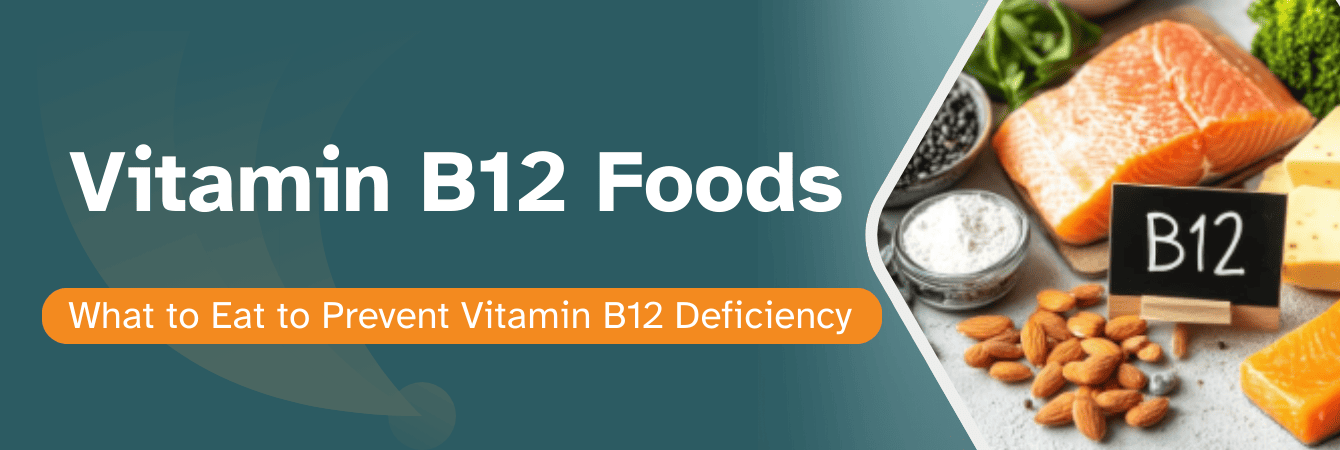
  • Vitamin B12 Foods: What to Eat to Prevent Vitamin B12 Deficiency

    Vitamin B12 Foods: What to Eat to Prevent Vitamin B12 Deficiency

    Vitamin B12 Foods: What to Eat to Prevent Vitamin B12 Deficiency

    vitamin b12 foods & Vitamin B12 Deficiency

    Vitamin B12 is one of the most essential nutrients your body needs for energy, brain function, mood stability, and healthy blood cells. Yet surprisingly, millions of people worldwide unknowingly suffer from Vitamin B12 Deficiency. The good news? Preventing it is easy when you know the right Vitamin B12 Foods to include in your daily meals. VitaminB12 supports nerve health, boosts memory, produces red blood cells, and even helps in DNA formation. Without enough B12, your body simply slows down—physically and mentally.

    Most adults need around 2.4 mcg of Vitamin B12 per day. Pregnant and breastfeeding women require slightly more. Thankfully, a balanced diet can easily provide this amount if you include the right foods.

    Understanding Vitamin B12 Deficiency

    1. Low intake of animal products: People who follow a vegetarian or vegan diet often struggle because Vitamin B12 is mainly found in animal-based foods.

    2. Digestive issues: Conditions like gastritis, celiac disease, Crohn’s disease, and IBS can interfere with B12 absorption.

    3. Medications: Certain medicines, such as metformin (for diabetes) and acid-reducing drugs (PPIs), reduce the body’s ability to absorb Vitamin B12.

    4. Old age: People over 50 naturally produce less stomach acid, which is needed to absorb B12 from food.

    5. Alcohol consumption: Excessive alcohol weakens the stomach lining, reducing B12 absorption.

    Vegetarian vs Non-vegetarian B12 Foods

    Vitamin B12 is mostly found in animal-based foods, but vegetarians can get it from fortified foods and certain dairy products. Non-vegetarians have a wider range of natural sources like fish, meat, and eggs.

    Vegetarian Sources of Vitamin B12

    Since plants don’t naturally produce B12, vegetarians rely on fortified foods and dairy products:

    Fortified cereals – Many breakfast cereals are enriched with B12.

    Fortified plant-based milk – Soy, almond, and oat milk often have added B12.

    Fortified nutritional yeast – A popular vegan-friendly source of B12.

    Dairy products – Milk, yogurt, and cheese contain moderate amounts.

    Paneer (cottage cheese) – Common in Indian diets, provides some B12.

    Fortified tofu/soy products – Some brands enrich tofu with B12.

    Mushrooms (limited) – Certain varieties like shiitake may contain trace amounts, but not reliable alone.

    Non-Vegetarian Sources of Vitamin B12

    Animal-based foods are the richest natural sources:

    Fish – Salmon, tuna, trout, sardines, and mackerel are excellent sources.

    Shellfish – Clams, crab, and shrimp are very high in B12.

    Meat – Beef, chicken, and lamb provide significant amounts.

    Liver and kidney (organ meats) – Extremely rich in B12.

    Eggs – Especially the yolk.

    Dairy (shared with vegetarians) – Milk, cheese, and yogurt.

    Vitamin B12 in Dry Fruits

    1. Almonds: Almonds are naturally nutrient-rich, and many brands now offer B12-fortified almond packs, making them a smart choice to complement your daily intake.

    2. Pistachios: Fortified pistachio mixes are becoming popular as brands enrich them with Vitamin B12, providing a crunchy, satisfying snack with added nutritional value.

    3. Cashews: Some premium dry fruit manufacturers produce B12-enhanced cashews, offering a creamy and nutrient-dense snack option for those avoiding meat or dairy.

    4. Dates: Energy bites made from dates often come fortified with Vitamin B12, making them a sweet, convenient way to include extra nutrition in your routine.

    5. Raisins: Raisins combined in B12-enriched dry fruit mixes help support overall nutrient intake and make for a portable, easy-to-eat snack.

    6. Pumpkin Seeds: Pumpkin seeds themselves don’t have B12, but fortified seed mixes offer the benefits of fiber, iron, and B12 in one nutrient-rich combination.

    7. Sunflower Seeds: Special sunflower seed packs enriched with Vitamin B12 provide a wholesome and crunchy way to support daily nutritional goals.

    8. Figs: While figs are naturally sweet and fibrous, certain fig bars and fig-based snacks are fortified with Vitamin B12, making them a great snack choice.

    9. Walnuts: Walnuts included in fortified mixes provide omega-3 fats along with added Vitamin B12, supporting brain and nerve health.

    10. Pecans: Premium pecan mixes often come with added Vitamin B12, offering a buttery, crunchy snack that complements a vegetarian diet.

    Concerned about Vitamin B12 Deficiency?

    Don’t let fatigue, weakness, or health risks slow you down. At Abrol Hospital, Gurdaspur, our expert doctors provide personalized diagnosis and treatment for Vitamin B12 and other deficiencies.

    📞 Book your consultation today and take the first step toward restoring your energy and well-being.

    विटामिन बी12 की कमी vitamin b12 deficiency Vitamin B12 foods

    FAQs on Vitamin B12 Foods & Deficiency

    The richest natural sources of Vitamin B12 include fish (salmon, tuna, trout), shellfish (clams, crab, shrimp), meat (beef, chicken, lamb), eggs, and dairy products like milk, yogurt, and cheese.

    Vegetarians can get Vitamin B12 from dairy products, paneer, and fortified foods such as cereals, plant-based milk, and nutritional yeast. Vegans especially need fortified foods or supplements since plant-based foods naturally contain very little Vitamin B12

    Vitamin B12 is essential for red blood cell formation, nerve health, DNA synthesis, and energy production.

    Common symptoms include tiredness, weakness, pale skin, numbness in hands or feet, memory issues, and mood changes.

    To prevent deficiency, include seafood, eggs, dairy products, fortified cereals, and fortified plant-based milk in your diet.

    Yes. Fortified cereals, nutritional yeast, and plant-based milk are reliable sources for vegetarians and vegans. Always check the nutrition label to confirm Vitamin B12 quantity.

    Recent Post

    Book Appointment

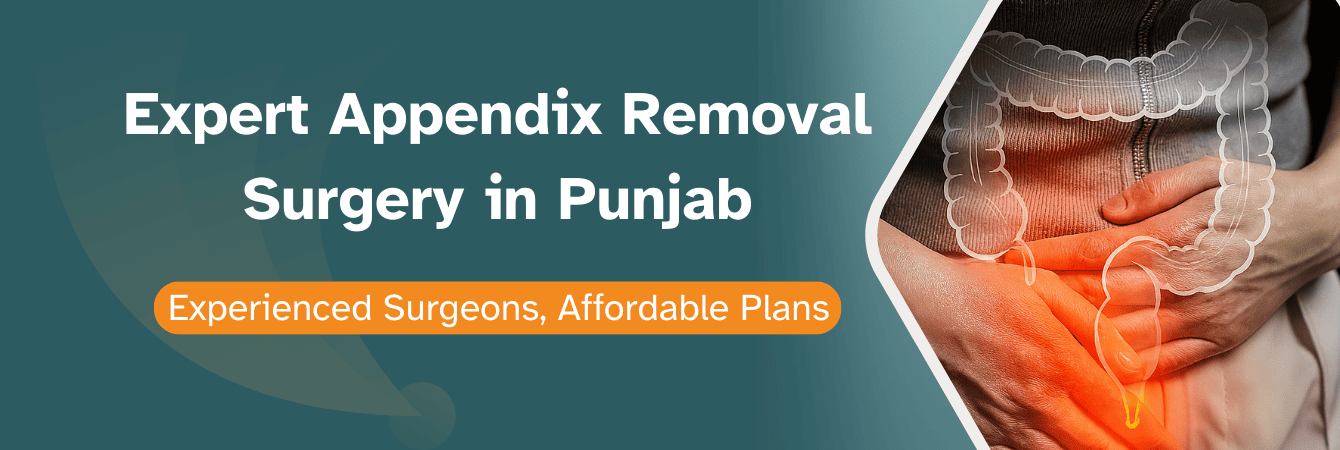
  • Appendix क्या है?  कारण, लक्षण और उपचार

    Appendix क्या है? कारण, लक्षण और उपचार

    Appendix क्या है? कारण, लक्षण और उपचार

    Appendix क्या है? कारण, लक्षण और उपचार

    हमारे शरीर में कई ऐसे अंग हैं जो अक्सर हमारी नजर में नहीं आते, लेकिन उनकी भूमिका हमारे स्वास्थ्य के लिए महत्वपूर्ण होती है। Appendix भी एक ऐसा ही अंग है। अक्सर इसे एक “बेकार” अंग कहा जाता है, लेकिन वास्तव में यह हमारी प्रतिरक्षा प्रणाली में मदद कर सकता है।

    Appendix क्या है?

    Appendix को हिंदी में “अंतड़ी ग्रंथी” भी कहा जाता है। यह एक छोटा, अंगुली के आकार का पतला ट्यूब है जो बड़ी आंत (Large Intestine) के प्रारंभिक हिस्से, यानी Cecum, से जुड़ा होता है। Appendix की लंबाई लगभग 3–4 इंच (लगभग 7–10 सेमी) होती है, और यह पेट के दाएँ निचले हिस्से (Lower Right Abdomen) में स्थित होता है।

    प्राचीन समय में वैज्ञानिकों का मानना था कि Appendix शरीर में कोई उपयोग नहीं करता और यह सिर्फ एक “बेकार अंग” है। लेकिन हाल की शोध से पता चला है कि यह अंग प्रतिरक्षा प्रणाली का हिस्सा है और शरीर में लाभकारी बैक्टीरिया (Good Bacteria) को स्टोर करके पेट की सेहत बनाए रखने में मदद कर सकता है।

    Appendix की संरचना और कार्य (Functions of Appendix)

    Appendix एक पतली, नली जैसी संरचना है, जिसके अंदर लसीका ऊतक (Lymphatic Tissue) होता है। इसका मुख्य कार्य है:

    1. प्रतिरक्षा प्रणाली में मदद करना: Appendix में पाए जाने वाले लसीका ऊतक शरीर को संक्रमण से लड़ने में मदद करते हैं।

    2. अच्छे बैक्टीरिया का भंडारण: पेट में लाभकारी बैक्टीरिया की संख्या संतुलित रखने में Appendix मदद करता है।

    3. पाचन में सहायक: हालांकि यह मुख्य पाचन अंग नहीं है, लेकिन कुछ शोधों के अनुसार यह पाचन तंत्र को बैक्टीरिया के माध्यम से सहारा देता है।

    Appendix में समस्या क्यों होती है? (Problems occur in Appendix)

    Appendix में समस्या मुख्य रूप से Appendicitis के कारण होती है। Appendicitis वह स्थिति है जिसमें Appendix सूज जाता है और अक्सर संक्रमण का कारण बनता है।

    सामान्य कारण:
    1. फूड या मल का अटटना (Blockage): Appendix का मार्ग फूड के टुकड़ों या कठोर मल (Fecalith) के कारण बंद हो सकता है।

    2. संक्रमण (Infection): पेट या आंत में किसी वायरस या बैक्टीरिया के संक्रमण के कारण Appendix में सूजन हो सकती है।

    3. लसीका ऊतक में वृद्धि (Lymphoid Hyperplasia): शरीर में संक्रमण के दौरान Appendix की लसीका ग्रंथि बढ़ सकती है, जिससे रास्ता बंद हो जाता है।

    4. अन्य कारण: कभी-कभी पेट में चोट, आंतरिक सूजन या ट्यूमर की वजह से भी Appendix में समस्या हो सकती है।

    ध्यान दें: Appendicitis एक गंभीर स्थिति है, यदि समय पर इलाज न किया जाए तो Appendix फट सकता है, जिससे पेट में गंभीर संक्रमण (Peritonitis) हो सकता है।

    Appendix में समस्या के लक्षण

    Appendicitis के लक्षण कई प्रकार के होते हैं। शुरुआती चरण में लक्षण हल्के हो सकते हैं, लेकिन समय के साथ यह गंभीर हो सकते हैं।

    मुख्य लक्षण:

    1. पेट में दर्द: आमतौर पर दर्द पेट के मध्य से शुरू होकर दाएं निचले हिस्से में बढ़ता है।

    2. उल्टी और मतली: मरीज को बार-बार उल्टी या मतली महसूस हो सकती है।

    3. बुखार: हल्का या तेज बुखार भी आम है।

    4. भूख न लगना: खाना खाने की इच्छा कम हो जाती है।

    5. पेट फूलना या गैस: पेट में भारीपन और सूजन महसूस हो सकती है।

    6. दस्त या कब्ज: कुछ मामलों में दस्त या कब्ज भी हो सकते हैं।

    चेतावनी: अगर Appendix फट जाए, तो अचानक तेज दर्द, तेज बुखार और उल्टी होना गंभीर स्थिति का संकेत है।

    Appendix में समस्या से बचाव (Prevention)

    Appendix में समस्या को पूरी तरह से रोकना संभव नहीं है, लेकिन कुछ आदतों से जोखिम कम किया जा सकता है:

    1. फाइबर युक्त आहार: हरी सब्जियाँ, फल, और अनाज खाने से मल सॉफ्ट रहता है।

    2. पर्याप्त पानी पीना: डिहाइड्रेशन से कब्ज़ और Appendix ब्लॉकेज का खतरा बढ़ सकता है।

    3. संतुलित जीवनशैली: नियमित व्यायाम और सही भोजन से पेट की सेहत अच्छी रहती है।

    4. संक्रमण से बचाव: साफ-सफाई और स्वच्छ आहार से पेट के संक्रमण का खतरा कम होता है।

    ध्यान दें: Appendix फटने की स्थिति में तत्काल मेडिकल इमरजेंसी है।

    Appendix की समस्या? तुरंत विशेषज्ञ डॉक्टर से इलाज कराएँ

    यदि आप या आपके किसी परिवार के सदस्य को पेट के दाएँ निचले हिस्से में तेज दर्द, उल्टी, बुखार या भूख न लगना जैसी समस्याएँ महसूस हो रही हैं, तो इसे हल्के में न लें। Appendix में सूजन (Appendicitis) एक गंभीर स्थिति है, और समय पर इलाज से जान का खतरा टाला जा सकता है।

    हम सुझाव देते हैं कि आप तुरंत किसी अनुभवी गैस्ट्रोएन्टेरोलॉजिस्ट या General Surgeon से संपर्क करें।
    EMC Hospital Batala में विशेषज्ञ डॉक्टर आपकी स्थिति का सही निदान करेंगे और आवश्यक उपचार या Surgery का सुझाव देंगे।

    Appendix क्या है

    Appendix से जुड़ी आम सवाल और उनके जवाब (FAQs)

    पेट के दाएँ निचले हिस्से में तेज दर्द, उल्टी, बुखार, भूख कम लगना, पेट फूलना या कब्ज।

    आम तौर पर Appendectomy (Surgery) ही सबसे प्रभावी उपचार है। हल्की स्थिति में डॉक्टर एंटीबायोटिक्स के माध्यम से भी इलाज कर सकते हैं।

    नहीं, आधुनिक लैप्रोस्कोपिक सर्जरी सुरक्षित होती है। ऑपरेशन के बाद मरीज जल्दी स्वस्थ हो जाते हैं।

    यह एक इमरजेंसी स्थिति है। तुरंत अस्पताल जाएँ और डॉक्टर से संपर्क करें। समय पर सर्जरी और एंटीबायोटिक्स जीवन बचा सकते हैं।

    फाइबर युक्त आहार लें, पर्याप्त पानी पिएँ, पेट की साफ-सफाई का ध्यान रखें और समय-समय पर मेडिकल चेकअप कराएँ।

    Recent Post

    Book Appointment

  • What Are Senility Symptoms (Dementia)? Causes & Prevention Tips

    What Are Senility Symptoms (Dementia)? Causes & Prevention Tips

    What Are Senility Symptoms (Dementia)? Causes & Prevention Tips

    Senility Symptoms - dementia

    As people grow older, it’s common to experience mild forgetfulness or slower thinking. However, when memory loss and confusion start interfering with daily life, these may be recognized as senility symptoms. Although the word senility is still widely used, the medical term for these symptoms is dementia. Understanding the causes, early signs, and prevention strategies can help individuals and families take proactive steps for long-term brain health.

    What Is Senility? (Senility vs. Dementia)

    The term senility is an outdated, non-medical term used to describe a decline in cognitive abilities in older adults. Today, doctors use the term dementia to describe these symptoms more accurately.

    Common Senility Symptoms

    1. Memory Loss That Goes Beyond Normal Forgetfulness

    Memory loss is often the earliest and most noticeable senility symptom, but it is important to differentiate normal aging from dementia-related decline. With normal aging, you may occasionally forget where you placed your keys or struggle to recall the name of an acquaintance.

    2. Difficulty Performing Familiar Daily Tasks

    Another major indicator of senility symptoms is struggling with tasks that were once second nature. This includes activities like preparing a favorite meal, managing household bills, or using appliances that the individual has used for many years.

    3. Confusion About Time, Places, and Familiar People

    Disorientation is one of the most troubling senile symptoms, both for individuals and their families. A person may suddenly forget what day it is, confuse morning with evening, or struggle to recall the current year or season. They may also lose their sense of direction, even in familiar environments such as their neighborhood or home.

    4. Decline in Judgment and Poor Decision-Making

    Poor judgment is a hallmark of dementia and frequently appears as one of the early senile symptoms. Individuals may make choices that seem unusual, risky, or illogical.

    5. Language Problems and Difficulty Communicating

    Communication becomes increasingly challenging for individuals experiencing senility symptoms. They may struggle to find the right words, pause frequently during conversations, or repeat themselves unknowingly. Sentence structure may become fragmented, and understanding what others are saying can also grow difficult.

    6. Noticeable Changes in Mood, Personality, and Behavior

    Behavioral and emotional changes are powerful indicators of senile symptoms and are sometimes more noticeable than memory loss. A person may become unusually irritable, anxious, or depressed. Others may develop apathy, losing interest in hobbies or social engagements they once enjoyed.

    7. Difficulty With Planning, Problem-Solving, and Critical Thinking

    Planning and problem-solving become increasingly difficult as cognition declines. Individuals with senility symptoms may struggle to follow recipes, plan daily schedules, understand instructions, or solve simple problems that require reasoning. Tasks with multiple steps—such as organizing a meal, preparing for a trip, or even managing household chores—may feel overwhelming.

    How to Prevent Senility Symptoms

    1. Regular Physical Exercise

    Engaging in physical activity boosts blood circulation to the brain, supports healthy neurons, and reduces inflammation. Activities such as brisk walking, strength training, swimming, or yoga stimulate new neural connections and improve memory. Exercise also lowers the risk of stroke and heart disease, both of which contribute to vascular dementia.

    2. Eat a Brain-Healthy Diet

    Nutrition plays a central role in preventing cognitive decline. A Mediterranean-style diet—rich in leafy greens, berries, nuts, legumes, whole grains, and omega-3 fatty acids found in fish—has been shown to protect brain health. These foods help reduce inflammation, support blood flow, and provide essential nutrients that protect neurons.

    3. Keep Your Mind Stimulated

    Mental stimulation strengthens neural pathways and improves cognitive resilience. Reading, solving puzzles, learning new skills, engaging in hobbies, and playing strategic games all challenge the brain.

    4. Social Interaction and Emotional Well-Being

    Loneliness is strongly linked to memory loss and cognitive decline. Regular social engagement keeps the brain active and reduces stress, depression, and anxiety—conditions that can worsen senile symptoms.

    5. Managing Chronic Health Conditions

    Chronic conditions such as diabetes, hypertension, and high cholesterol increase the risk of vascular dementia. Managing these conditions through proper medication, lifestyle changes, and regular medical checkups helps protect the blood vessels in the brain.

    6. Quality Sleep

    A consistent sleep schedule of 7–9 hours per night allows the brain to repair itself, process memories, and clear waste products associated with dementia. Poor sleep or sleep disorders such as sleep apnea can accelerate cognitive decline.

    7. Avoid Smoking and Excessive Alcohol

    Smoking restricts blood flow to the brain and increases inflammation, while long-term alcohol misuse damages brain cells and disrupts communication between neurons.

    Concerned About Senility Symptoms or Memory Loss? We’re Here to Help

    If you or your loved one is experiencing senility symptoms, memory problems, confusion, or behavioral changes, early evaluation is essential. At Abrol Hospital, Gurdaspur, our experienced doctors provide comprehensive dementia assessment, diagnosis, and personalized treatment plans to support long-term brain health.

    📞 Book your consultation today with our specialist at Abrol Hospital, Gurdaspur.
    Let us help you take the first step toward clarity, confidence, and better cognitive health.

    Senility Symptoms - dementia (2)

    FAQs Senility Symptoms (Dementia)

    Yes. What people commonly call senility symptoms are medically known as dementia symptoms. Dementia is a progressive neurological condition that affects memory, reasoning, and daily functioning.

    Early senile symptoms often include mild memory loss, difficulty performing familiar tasks, confusion about time or place, changes in mood, and trouble finding the right words.

    Causes include vitamin deficiencies, thyroid problems, chronic infections, medication side effects, and alcohol-related brain damage. Some causes are reversible if detected early.

    Prevention focuses on maintaining a healthy lifestyle. Regular exercise, a brain-healthy diet, mental stimulation, social engagement, quality sleep, and managing conditions like diabetes or high blood pressure all help reduce the risk of senility symptoms. Avoiding smoking and excessive alcohol also supports brain health.

    Recent Post

    Book Appointment

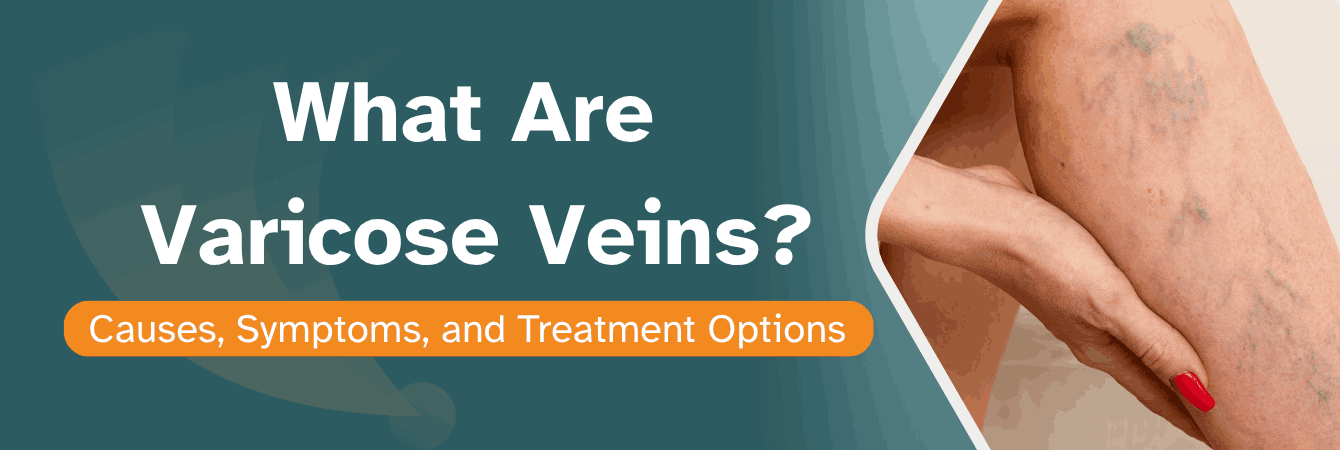
  • What Are Varicose Veins? Causes, Symptoms, and Treatment

    What Are Varicose Veins? Causes, Symptoms, and Treatment

    What Are Varicose Veins? Causes, Symptoms, and Treatment Options

    Varicose Veins Causes, Symptoms, and Treatment Options

    What Are Varicose Veins?

    Varicose veins are enlarged, swollen, and twisted veins that appear just under the surface of the skin. They typically develop in the legs because standing or walking increases the pressure in the veins of your lower body. Normally, valves in the veins help blood flow toward your heart, but when these valves weaken or fail, blood pools in the veins, causing them to stretch and bulge.

    How Do Varicose Veins Develop?
    When the vein valves fail to close properly, blood flows backward and accumulates in the vein. This increased pressure causes the vein walls to weaken, leading to visible, rope-like bulges on the skin’s surface. Over time, this condition worsens if not treated.

    Your veins carry deoxygenated blood back to the heart. Inside the veins are tiny one-way valves that prevent blood from flowing backward. In varicose veins, these valves don’t function properly, allowing blood to pool, particularly in the legs, where gravity plays a major role.

    Common Causes of Varicose Veins

    1. Genetics

    Heredity plays a major role in varicose vein development. If one or both of your parents had varicose veins, your risk increases significantly. This is because the structure of your vein walls and valves can be inherited. People with a genetic predisposition may have weaker connective tissues in their veins, making them more prone to dilation and malfunction over time.

    2. Pregnancy

    Pregnancy is one of the leading triggers for varicose veins in women. During pregnancy, the body produces more blood to support the growing fetus, which increases pressure in the veins. Hormonal changes also relax the vein walls, making them more elastic and susceptible to enlargement. Additionally, as the uterus grows, it exerts extra pressure on the veins in the pelvis and legs, slowing blood flow. Although pregnancy-related varicose veins often improve after delivery, they can persist or worsen with subsequent pregnancies.

    3. Prolonged Standing or Sitting

    Occupations that require long hours of standing — like teaching, nursing, or retail work — place extra stress on leg veins. Similarly, jobs involving prolonged sitting, such as driving or office work, restrict circulation and reduce muscle activity. When leg muscles don’t contract frequently, veins can’t efficiently push blood toward the heart, leading to pooling and swelling.

    4. Age and Gender

    As we age, our veins naturally lose elasticity, and valves weaken. This makes it harder for blood to flow upward, resulting in varicose veins. Women are particularly vulnerable due to hormonal fluctuations during pregnancy, menstruation and menopause, which relax vein walls. Estrogen, the female hormone, plays a significant role in weakening the vein structure.

    5. Obesity and Lifestyle

    Carrying excess weight increases pressure on leg veins, making it harder for valves to function correctly. A sedentary lifestyle also contributes, as physical inactivity reduces muscle contractions that help pump blood upward. People who rarely exercise or have poor posture are more likely to develop varicose veins early.

    Who Is Most at Risk of Developing Varicose Veins?

    Certain groups are more prone to developing varicose veins:

    • Women, especially during hormonal changes or pregnancy

    • Older adults, due to natural wear and tear on veins

    • Individuals with a family history of venous disease

    • People with sedentary or standing occupations

    • Those who are overweight or lead an inactive lifestyle

    Understanding your risk factors can help you take preventive steps early.

    Varicose Veins Symptoms and Signs

    At first, varicose veins might appear as faint blue or purple lines under the skin. Over time, symptoms progress and may include:

    • Aching or heavy legs, especially after standing for long periods

    • Swelling around the ankles and feet

    • Throbbing, burning, or muscle cramps at night

    • Itchy, dry skin near the affected veins

    • Visible bulging veins that look rope-like

    These early signs are a warning to address the condition before it worsens.

    Available Treatment Options for the Varicose Veins

    1. Compression Therapy

    Compression stockings are one of the simplest yet most effective non-invasive treatments. They apply gentle pressure to your legs, helping veins push blood upward and reducing swelling. They’re often recommended as the first step in treatment.

    2. Lifestyle Changes

    Small lifestyle changes can go a long way in managing varicose veins:

    • Exercise regularly to improve circulation

    • Elevate your legs whenever possible

    • Avoid prolonged sitting or standing

    • Maintain a healthy weight
      These steps relieve pressure on your veins and promote healthy blood flow.

      3. Sclerotherapy

      This procedure involves injecting a special solution into the affected veins, causing them to collapse and eventually fade. Sclerotherapy is ideal for small to medium-sized varicose veins and spider veins. It’s a quick, outpatient procedure that delivers visible improvement in just a few sessions.

      4. Laser Treatments

      Laser therapy uses concentrated light energy to close off damaged veins without any incisions. Over time, the treated vein disappears as the body absorbs it naturally. It’s a preferred option for those seeking a painless and scar-free solution.

      5. Radiofrequency Ablation

      In this method, a catheter is inserted into the affected vein, and radiofrequency energy heats the vein walls, causing them to seal shut. It’s minimally invasive and has a short recovery period, making it one of the most effective modern treatments.

      6. Surgical Treatments

      In severe cases, surgical intervention may be necessary. Vein stripping and ligation are traditional surgeries where damaged veins are tied off or removed. However, modern techniques have reduced the need for surgery, offering safer and less painful alternatives.

    Ready to Get Relief from Varicose Veins?

    Don’t let pain or discomfort hold you back any longer! Our expert doctors in Gurdaspur specialize in advanced varicose vein treatments using safe, modern, and minimally invasive techniques.

    Book your consultation today to get a personalized treatment plan and restore your leg health.

    📞 Call us now or visit Abrol Hospital, the best hospital in Gurdaspur to schedule your appointment and take the first step toward pain-free, healthy legs!

    Varicose Veins Causes, Symptoms, and Treatment Options
    dr tanveer ali

    Dr. Tanveer Ali


    Specialties : Consultant Orthopaedics

    FAQs Varicose Veins

    Early signs include visible veins, leg heaviness, mild swelling, itching, and aching after standing for long hours. These symptoms often worsen by evening and can indicate poor vein circulation.

    While often not dangerous, untreated varicose veins can lead to ulcers or clots over time.

    Simple habits like regular exercise, maintaining a healthy weight, elevating your legs, and avoiding long periods of sitting or standing can help prevent varicose veins.

    Modern treatments include laser therapy, sclerotherapy, and minimally invasive vein surgery. These procedures effectively close or remove damaged veins, improving appearance and comfort with minimal downtime.

    Recent Post

    Book Appointment

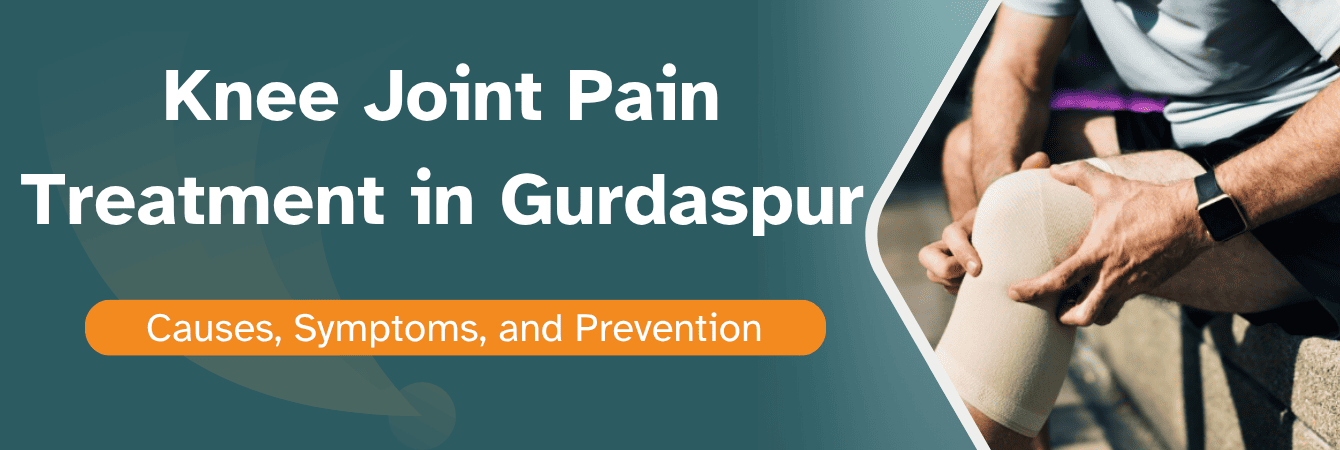
  • Knee Pain Treatment in Gurdaspur: Causes & Symptoms

    Knee Pain Treatment in Gurdaspur: Causes & Symptoms

    Knee Pain Treatment in Gurdaspur: Causes, Symptoms & Best Remedies

    Knee Joint Pain Treatment in Gurdaspur Causes, Symptoms & Best Remedies

    Understanding Knee Pain

    Knee pain is one of the most common joint complaints affecting people of all ages. From young athletes to older adults, knee discomfort can limit movement, reduce flexibility, and significantly impact quality of life. When knee pain becomes chronic or severe, it may even require surgical intervention such as knee joint pain or knee replacement to restore normal mobility.

    In some people, bone alignment problems such as knock knees (genu valgum) or bow legs can cause uneven pressure on the joint, leading to chronic pain. Before discussing treatments, it’s essential to understand what causes knee pain, its symptoms, and how modern medical care can help you regain an active, pain-free life.

    Common Causes of Knee Pain

    1. Osteoarthritis (Degenerative Arthritis)

    Osteoarthritis is the most common cause of knee pain, especially among people over 50. It occurs when the cartilage — the smooth tissue that cushions the bones inside the joint — wears away gradually.

    As the cartilage becomes thin, bones begin to rub against each other, causing pain, stiffness, and swelling. Over time, osteoarthritis can lead to deformity and loss of joint function. Factors like aging, obesity, previous knee injuries, and family history can increase the risk.

    2. Rheumatoid Arthritis

    Rheumatoid arthritis (RA) is an autoimmune disease where the body’s immune system attacks the joint lining, leading to inflammation and damage. It usually affects both knees symmetrically and can cause pain, swelling, and stiffness, especially morning sickness. If left untreated, RA can permanently damage the knee joint.

    3. Knee Injuries

    Injuries such as ligament tears (ACL, MCL), meniscus tears, or fractures can cause sudden knee pain. Sports players and individuals who perform heavy physical work are more prone to such injuries. Even after healing, untreated injuries can lead to chronic pain and instability.

    4. Overuse and Repetitive Strain

    Overuse of the knee joint due to activities like running, climbing, or prolonged standing can irritate the tendons and surrounding tissues. This condition, called tendinitis or bursitis, leads to localized pain and swelling around the knee.

    5. Obesity and Aging

    Excess body weight increases pressure on the knee joints during walking or climbing stairs. Over time, this additional load accelerates cartilage damage. Aging also naturally reduces joint lubrication and elasticity, making the knee more prone to stiffness and pain.

    Symptoms of Knee Pain Problems

    Recognizing the symptoms early can help prevent worsening of knee joint issues. Common symptoms include:

    • Pain or discomfort in the front, sides, or back of the knee

    • Swelling or fluid buildup around the knee joint

    • Stiffness and limited range of motion

    • Clicking, grinding, or popping sounds when bending or straightening the leg

    • Weakness or instability, making it difficult to walk or climb stairs

    • Persistent pain even during rest or at night

    If these symptoms persist for more than a few weeks, it’s advisable to consult an orthopedic specialist for evaluation.

    Treatment Options for Knee Pain

    1. Lifestyle Modifications

    Making small but consistent changes can reduce pain and slow down joint degeneration:

    • Weight Management: Maintaining a healthy weight reduces stress on the knees.

    • Exercise: Gentle, low-impact exercises like swimming, cycling, or yoga strengthen muscles around the knee and improve flexibility.

    • Avoid Overexertion: Rest when pain increases and avoid heavy lifting or prolonged standing.

    • Proper Footwear: Use supportive shoes to maintain correct posture and reduce knee strain.

    • Balanced Diet: Include calcium, vitamin D, and anti-inflammatory foods like turmeric and fish oil for joint health.

    2. Medications

    Doctors may prescribe medications to control pain and inflammation:

    • Pain Relievers (NSAIDs): Such as ibuprofen or naproxen to reduce inflammation.

    • Corticosteroids: To control swelling and pain in severe cases.

    • Hyaluronic Acid Supplements: Help lubricate the joint and improve movement.

    • Disease-Modifying Drugs: For autoimmune conditions like rheumatoid arthritis.

    Medication provides temporary relief but must be combined with physiotherapy and lifestyle management for lasting improvement.

    3. Physiotherapy and Rehabilitation

    Physiotherapy is one of the most effective non-surgical treatments for knee pain.
    A physiotherapist designs exercises to strengthen the muscles surrounding the knee, enhance balance, and improve flexibility. Techniques like ultrasound therapy, heat therapy, and electrical stimulation may also be used to relieve pain.

    Regular physiotherapy sessions can delay the need for surgery and improve the success rate of post-surgical recovery.

    4. Injections and Minimally Invasive Procedures

    For patients who don’t respond to medications or physiotherapy:

    • Corticosteroid Injections: Provide immediate but temporary relief from inflammation.

    • Viscosupplementation (Hyaluronic Acid Injections): Acts as a lubricant to ease movement in arthritic knees.

    • Platelet-Rich Plasma (PRP) Therapy: Uses a patient’s own blood to promote natural healing of damaged tissues.

    5. Knee Replacement Surgery

    When knee pain becomes severe and other treatments no longer work, knee replacement surgery (also called knee arthroplasty) becomes the best option.

    What is Knee Replacement Surgery?

    Knee replacement involves removing the damaged bone and cartilage from the knee joint and replacing them with artificial components made of metal and high-grade plastic. The new joint mimics natural movement, reduces pain, and improves mobility.

    Types of Knee Replacement

    • Total Knee Replacement (TKR): The entire joint surface is replaced with prosthetic components.

    • Partial Knee Replacement (PKR): Only the damaged part of the knee is replaced, preserving healthy bone and tissue.

    Benefits of Knee Replacement

    • Long-term relief from pain

    • Improved walking ability and flexibility

    • Correction of deformities and leg alignment

    • Return to normal daily activities

    • Better quality of life

    Recovery After Surgery

    Recovery depends on the patient’s overall health and post-surgery rehabilitation. Most patients can walk with support within a few days. Physiotherapy plays a crucial role in strengthening muscles and ensuring smooth joint movement. Full recovery usually takes 6–12 weeks.

    Knee Join Pain Treatment at Abrol Hospital, Gurdaspur

    Our Expertise

    Our orthopedic department is led by experienced knee replacement surgeons who have performed numerous successful procedures. Using state-of-the-art technology, we offer both total and partial knee replacement surgeries customized to each patient’s needs.

    Our Facilities Include:

    • Digital X-ray, MRI, and diagnostic imaging

    • Modular operation theatres with infection control systems

    • Advanced physiotherapy and rehabilitation center

    • Pain management and post-surgical recovery programs

    Why Choose Us

    • Skilled orthopedic specialists and surgical team

    • Personalized pre- and post-operative care

    • Latest implant technology ensuring long-lasting results

    • Affordable treatment packages for all patients

    Take the First Step Toward a Pain-Free Life!

    If knee pain is limiting your movement or comfort, don’t wait until it becomes worse. Book a consultation with our experienced orthopedic specialist in Gurdaspur today. Our expert team will assess your condition and suggest the best possible treatment — from advanced therapies to knee replacement surgery if needed.

    📞 Book your appointment today to consult our knee replacement expert in Gurdaspur today!

    Joint Pain Treatment in Gurdaspur Causes, Symptoms & Best Remedies
    dr tanveer ali

    Dr. Tanveer Ali


    Specialties : Consultant Orthopaedics

    FAQs About Morning Sickness during Pregnancy

    The most common causes of knee pain include osteoarthritis, rheumatoid arthritis, ligament injuries (like ACL tears), meniscus tears, overuse, and obesity.

    Treatment depends on the cause and severity of your pain. Common options include medications, physiotherapy, lifestyle changes, injections, and, in advanced cases, knee replacement surgery. At Abrol Hospital, Gurdaspur, our orthopedic experts provide a personalized treatment plan for lasting relief.

    Yes, in many cases, knee pain can be managed without surgery. Treatments such as weight management, exercise therapy, physiotherapy, anti-inflammatory medications, and PRP or hyaluronic acid injections often provide excellent results.

    Knee replacement surgery (or knee arthroplasty) involves removing damaged cartilage and bone from the knee joint and replacing them with artificial components.

    Recent Post

    Book Appointment

  • Brain Stroke Symptoms: Early Warning Signs & Prevention Tips

    Brain Stroke Symptoms: Early Warning Signs & Prevention Tips

    Brain Stroke Symptoms: Early Warning Signs & Prevention Tips

    Brain Stroke Symptoms Early Warning Signs & Prevention Tips

    What Is a Brain Stroke?

    A brain stroke occurs when blood flow to a portion of the brain is cut off or drastically reduced. Since brain cells rely on oxygen and nutrients carried by blood, any interruption can lead to cell death within minutes. Depending on which part of the brain is affected, a stroke can impact speech, movement, vision, memory, and even emotional control.

    When a stroke happens, every second counts — doctors often say “time is brain,” meaning the longer treatment is delayed, the more brain cells are lost. Understanding how a stroke occurs is crucial for prevention and quick response in emergencies.

    Types of Brain Strokes

    Not all strokes are the same. Doctors classify them into three main categories based on their cause and impact on the brain.

    1. Ischemic Stroke

    An ischemic stroke occurs when a blood clot or fatty deposit blocks a brain artery. This blockage cuts off oxygen supply to a specific brain region, leading to tissue death. It accounts for about 85% of all stroke cases. People with high cholesterol, heart disease, or a history of smoking are more prone to ischemic strokes. Immediate medical intervention with clot-dissolving drugs can sometimes reverse the damage if done within the first few hours.

    2. Hemorrhagic Stroke

    A hemorrhagic stroke results from a burst blood vessel that causes bleeding in or around the brain. The leaked blood compresses brain tissue, damaging cells and increasing pressure within the skull. High blood pressure and aneurysms (weakened arteries) are common causes. This type of stroke is particularly dangerous and often requires emergency surgery to stop the bleeding and relieve pressure.

    3. Transient Ischemic Attack (TIA)

    Often called a mini-stroke, a Transient Ischemic Attack (TIA) is a temporary blockage that mimics a stroke but resolves within minutes or hours. Although symptoms disappear quickly, a TIA is a serious warning sign that a major stroke may follow soon. Treating the underlying cause after a TIA can prevent future, more severe strokes.

    Common Causes of Brain Stroke

    Understanding the root causes of a brain stroke can help you take preventive action. Most strokes are the result of unhealthy habits or untreated health conditions.

    High Blood Pressure

    The number one cause of stroke, hypertension, damages artery walls over time, making them more likely to rupture or clog. Regular monitoring and managing your blood pressure with medication, diet, and lifestyle changes can significantly reduce your stroke risk.

    Diabetes

    People with diabetes have higher levels of sugar in their blood, which can damage blood vessels and make them more prone to clotting. Proper sugar control through diet and medication helps reduce this risk.

    Smoking and Alcohol

    Smoking narrows the blood vessels and thickens the blood, making clots more likely. Excessive alcohol raises blood pressure and damages the liver, which also impacts blood flow regulation. Quitting smoking and limiting alcohol are two of the most effective ways to prevent stroke.

    Obesity and Sedentary Lifestyle

    Being overweight increases cholesterol levels, leading to plaque buildup in arteries. Lack of physical activity also weakens cardiovascular health. Incorporating daily exercise and maintaining a healthy weight helps keep your arteries clear and blood flow steady.

    Early Brain Stroke Symptoms

    Recognizing the early signs of a stroke can make a life-or-death difference. Symptoms usually appear suddenly and vary depending on which part of the brain is affected.

    Sudden numbness or weakness: Often on one side of the body, especially in the face, arm, or leg.

    Difficulty speaking or understanding speech: The person may slur words or be unable to find the right ones.

    Vision problems: Blurred or double vision in one or both eyes.

    Loss of balance or coordination: Sudden dizziness or difficulty walking.

    Severe headache: An abrupt, intense headache without any clear cause can indicate a hemorrhagic stroke.

    If you notice any of these symptoms in yourself or someone else, call emergency services immediately.

    Apart from stroke-related conditions, certain rare infections like the brain-eating amoeba (Naegleria fowleri) can also affect the brain and lead to sudden neurological symptoms that require immediate medical attention.

    The FAST Rule in Brain Stroke: Quick Way to Identify a Stroke

    The FAST test is an easy and lifesaving way to identify a possible stroke.

    • F – Face: Ask the person to smile. Does one side of the face droop?

    • A – Arm: Ask them to raise both arms. Does one arm drift downward?

    • S – Speech: Is their speech slurred or strange?

    • T – Time: If any of these signs are present, it’s time to call emergency help.

    The faster you act, the better the chance of recovery. Medical experts emphasize reaching a hospital within 3–4 hours of symptom onset for the best outcomes.

    Prevention Tips for Brain Stroke

    The good news is that most strokes are preventable with small, consistent lifestyle adjustments.

    • Monitor your blood pressure: Keep it under 120/80 mmHg if possible.

    • Adopt a balanced diet: Include whole grains, lean proteins, and fruits.

    • Exercise regularly: At least 30 minutes a day keeps your heart healthy.

    • Quit smoking: It improves circulation and lung health.

    • Limit alcohol: No more than one drink per day for women and two for men.

    Preventing a stroke is about controlling your daily choices before they become medical emergencies.

    Consult Our Expert Neurologist in Gurdaspur for Brain Stroke Treatment

    If you or a loved one experience any symptoms of a brain stroke — don’t wait. Every minute counts when it comes to brain health. Visit Abrol Hospital, Gurdaspur, where our expert neurologists and stroke care specialists provide advanced diagnosis, emergency care, and personalized rehabilitation for faster recovery and better outcomes.

    📞 Call us now or visit Abrol Hospital, Gurdaspur to get expert guidance and timely treatment for brain stroke prevention and recovery. Your brain deserves the best care — let us help you protect it.

    Brain Stroke Symptoms Early Warning Signs & Prevention
    dr mukesh

    Dr. Mukesh Vij


    Specialties : Consultant Neuro & Spine Surgeon

    FAQs About Morning Sickness during Pregnancy

    Sudden weakness on one side of the body, slurred speech, blurred vision, or a severe headache are the most common signs.

    TIA symptoms may last minutes to hours, while major stroke effects can persist for weeks, months, or permanently.

    With early medical care and consistent rehabilitation, many people recover well, but some may experience lasting effects.

    A heart-healthy diet rich in fruits, vegetables, nuts, fish, and whole grains with minimal salt and sugar is best.

    Recent Post

    Book Appointment

  • Respiratory Infections Treatment: Types, Causes & Prevention

    Respiratory Infections Treatment: Types, Causes & Prevention

    Respiratory Infections Treatment: Types, Causes & Prevention Tips

    Respiratory Infections Treatment Types, Causes & Prevention Tips

    Understanding the Respiratory System

    The respiratory system is one of the most vital systems in the human body. Its primary function is to take in oxygen and expel carbon dioxide — a process essential for every cell to function properly. The system includes the nose, sinuses, throat (pharynx), windpipe (trachea), bronchi, and lungs.

    When air enters through the nose or mouth, it travels down the airways and reaches the lungs, where oxygen is absorbed into the bloodstream and carbon dioxide is released. However, this entire pathway is also exposed to the outside environment, making it susceptible to microbial infections such as viruses, bacteria, and fungi.

    What Are Respiratory Infections?

    A respiratory infection occurs when harmful microorganisms invade the respiratory tract, leading to inflammation and disruption of normal breathing. These infections are broadly classified into two categories:

    1. Upper Respiratory Tract Infections (URTIs): These affect the nose, sinuses, and throat. Common examples include the common cold, sinusitis, and pharyngitis.

    2. Lower Respiratory Tract Infections (LRTIs): These affect the lungs and bronchi, leading to more serious conditions such as bronchitis, pneumonia, and tuberculosis.

    While mild infections often resolve on their own, severe infections can lead to breathing difficulties, high fever, and even long-term complications if not treated properly.

    Common Types of Respiratory Infections

    1. Common Cold

    The most frequent type of respiratory infection, the common cold is caused by viruses such as rhinoviruses or coronaviruses.
    Symptoms: Sneezing, sore throat, nasal congestion, mild fever, and fatigue.
    Treatment: Rest, hydration, and over-the-counter medications for symptom relief.

    2. Influenza (Flu)

    Influenza is a viral infection that can spread rapidly, especially during seasonal outbreaks.
    Symptoms: High fever, chills, muscle pain, cough, sore throat, and fatigue.
    Treatment: Antiviral medications (if diagnosed early), rest, and fluids. Vaccination is the best preventive measure.

    3. Sinusitis

    Sinusitis occurs when the sinus cavities become inflamed due to infection or allergy.
    Symptoms: Facial pressure, nasal congestion, thick mucus discharge, and headache.
    Treatment: Decongestants, nasal sprays, and in some cases, antibiotics if bacterial.

    4. Pharyngitis (Sore Throat)

    Pharyngitis is the inflammation of the pharynx, often caused by viral or bacterial infections like streptococcus.
    Symptoms: Throat pain, difficulty swallowing, and fever.
    Treatment: Pain relievers, gargles, and antibiotics (only for bacterial causes).

    5. Bronchitis

    Bronchitis affects the bronchial tubes that carry air to the lungs.
    Acute bronchitis usually follows a cold or viral infection, while chronic bronchitis is often caused by long-term irritants such as smoking.
    Symptoms: Persistent cough, mucus production, chest discomfort, and wheezing.
    Treatment: Cough medicines, bronchodilators, and lifestyle changes like quitting smoking.

    6. Pneumonia

    Pneumonia is a serious lung infection that can be bacterial, viral, or fungal in origin. It causes inflammation of the air sacs (alveoli), which may fill with pus or fluid.
    Symptoms: High fever, chills, chest pain, productive cough, and shortness of breath.
    Treatment: Depends on the cause — antibiotics for bacterial pneumonia, antivirals for viral pneumonia, and antifungals for fungal infections.

    7. Tuberculosis (TB)

    Tuberculosis, caused by Mycobacterium tuberculosis, remains a significant concern in Punjab and across India.
    Symptoms: Persistent cough (more than 2 weeks), blood in sputum, night sweats, weight loss, and fever.
    Treatment: Long-term antibiotic therapy under strict medical supervision. Early diagnosis and adherence to treatment are vital to prevent complications.

    Causes and Risk Factors of Respiratory Infections

    Respiratory infections are primarily caused by pathogens like viruses, bacteria, and fungi that spread through droplets when an infected person coughs, sneezes, or talks. However, several risk factors can make individuals more susceptible:

    • Poor air quality and pollution (common in urban Punjab areas)

    • Smoking or exposure to secondhand smoke

    • Weakened immune system (due to diabetes, HIV, or chronic illnesses)

    • Cold weather, which allows viruses to survive longer

    • Crowded living conditions and poor ventilation

    • Allergies or chronic respiratory diseases such as asthma or COPD

    Respiratory Infection Treatment in Punjab – Expert Care at Abrol Hospital, Gurdaspur

    If you or your loved one is suffering from chronic cough, fever, or breathing problems, Abrol Hospital Gurdaspur provides advanced respiratory infection treatment with modern diagnostic tools and experienced pulmonologists.

    The hospital offers comprehensive care for all types of respiratory infections — from bronchitis and pneumonia to tuberculosis — ensuring accurate diagnosis, personalized treatment plans, and effective recovery.

    For consultation or respiratory infection treatment in Punjab, visit Abrol Hospital, Gurdaspur, where expert care meets compassion.

    Respiratory Infections Treatment
    dr ajaypal

    Dr. Ajaypal Singh


    Specialties : Consultant Pulmonologist

    FAQs About Morning Sickness during Pregnancy

    Common respiratory infections include the common cold, flu, sinusitis, sore throat, bronchitis, pneumonia, and tuberculosis. Some are mild, while others can become serious if not treated on time.

    Yes, most respiratory infections spread through coughing, sneezing, or contact with infected surfaces. Good hygiene and mask use can help prevent transmission.

    You should consult a Pulmonologist or Chest Specialist. Abrol Hospital, Gurdaspur has expert pulmonologists offering advanced care for all types of respiratory infections.

    Watch for high fever, shortness of breath, chest pain, or coughing blood. These signs may indicate pneumonia or other severe infections needing immediate care.

    Yes. Smoke and air pollution damage lung tissues, making the body more prone to infections and long-term respiratory diseases.

    Doctors may use chest X-rays, sputum tests, throat swabs, or blood tests to find the cause of infection and decide the right treatment.

    Practice good hygiene, wash hands often, avoid smoking, stay hydrated, get vaccinated, and eat a balanced diet to boost immunity.

    Recent Post

    Book Appointment

  • Understanding Cardiovascular Disease: Causes, Symptoms, and Prevention

    Understanding Cardiovascular Disease: Causes, Symptoms, and Prevention

    Understanding Cardiovascular Disease: Causes, Symptoms, and Prevention

    Understanding Cardiovascular Disease

    What is Cardiovascular Disease?

    Cardiovascular disease is a broad term that covers various conditions affecting the heart and blood vessels.

    It includes problems like coronary artery disease, heart attacks, heart failure, and stroke. The disease often begins with damage or blockage in the blood vessels, leading to restricted blood flow and oxygen supply to the heart or brain. Over time, this restricted flow can cause permanent damage to vital organs. CVD is not a single condition—it is a combination of disorders that can develop gradually or suddenly, depending on lifestyle factors and genetics.

    Types of Cardiovascular Diseases

    Coronary Artery Disease (CAD)

    Coronary Artery Disease is the most common form of CVD. It occurs when plaque—a combination of cholesterol, fat, and other substances—builds up inside the coronary arteries that supply oxygen-rich blood to the heart muscle. As these arteries narrow, blood flow becomes restricted, causing chest pain (angina) or, in severe cases, a heart attack. CAD is primarily caused by unhealthy diet, smoking, lack of exercise, and high blood pressure.

    Heart Failure

    Heart failure happens when the heart becomes too weak or stiff to pump blood effectively. It doesn’t mean that the heart stops working entirely, but rather that it cannot meet the body’s demand for blood and oxygen. Common symptoms include fatigue, shortness of breath, and swelling in the legs or feet. It often develops after other heart conditions like CAD or high blood pressure have damaged the heart muscle.

    Arrhythmia

    An arrhythmia is an irregular heartbeat—either too fast, too slow, or uneven. It occurs when the electrical impulses that coordinate your heartbeat don’t function correctly. Some arrhythmias are harmless, but others can be life-threatening and require immediate medical attention. Stress, caffeine, and certain medications can trigger arrhythmias.

    Peripheral Artery Disease (PAD)

    PAD affects the arteries that carry blood to the arms and legs. When plaque builds up in these arteries, it reduces blood flow, causing pain or cramps while walking, known as claudication. PAD is a sign that plaque buildup may be occurring elsewhere in the body, such as the heart or brain, increasing the risk of stroke or heart attack.

    Congenital Heart Defects

    Congenital heart defects are structural problems with the heart that are present at birth. These can range from minor issues like small holes in the heart chambers to more severe defects requiring surgery. While some congenital defects may not cause symptoms early in life, they can affect long-term cardiovascular function.

    Common Causes of Cardiovascular Disease

    High Blood Pressure

    High blood pressure, or hypertension, is one of the leading causes of CVD. It occurs when the force of blood against the artery walls is consistently too high. Over time, this pressure damages the arteries, making them more prone to narrowing and blockage. The heart also has to work harder to pump blood, which can lead to heart failure if untreated.

    High Cholesterol

    Cholesterol is a fatty substance found in your blood. While your body needs some cholesterol to function, too much LDL (bad cholesterol) leads to plaque buildup in the arteries. This reduces blood flow and increases the risk of atherosclerosis, heart attack, and stroke.

    Smoking

    Smoking damages the lining of the arteries, reduces oxygen in the blood, and increases heart rate—all of which put extra strain on the heart. The chemicals in tobacco also promote plaque buildup and make the blood more likely to clot, leading to heart attacks and strokes.

    Obesity

    Excess body fat increases the risk of high blood pressure, high cholesterol, and `—all of which contribute to CVD. Obesity also puts physical strain on the heart, forcing it to work harder to circulate blood.

    Diabetes

    High blood sugar levels from diabetes can damage blood vessels and the nerves that control the heart. People with diabetes are more likely to develop heart disease, especially if their blood sugar, cholesterol, and blood pressure are poorly managed.

    Stress

    Chronic stress increases cortisol levels, which can raise blood pressure and trigger inflammation. People under constant stress may also adopt unhealthy habits such as overeating, smoking, or drinking alcohol—all of which increase CVD risk.

    Early Signs and Symptoms of Cardiovascular Disease

    Chest Pain or Discomfort

    Chest pain (angina) is the most recognizable symptom of heart disease. It may feel like tightness, heaviness, or pressure in the chest, especially during physical activity or stress.

    Shortness of Breath

    Difficulty breathing or feeling winded after mild activity can signal that your heart isn’t pumping blood efficiently.

    Fatigue

    Unexplained tiredness or lack of energy may indicate that your heart is struggling to meet your body’s oxygen demands.

    Swelling in Legs or Feet

    Fluid buildup in the legs, ankles, or feet can occur when the heart fails to pump effectively, leading to heart failure symptoms.

    Irregular Heartbeat

    A pounding or fluttering sensation in your chest may be due to arrhythmia, which can disrupt normal heart function.

    🩺 Consult the Best Cardiologist in Gurdaspur Today

    Don’t wait for symptoms to get worse — your heart deserves expert care. At Abrol Hospital, our experienced cardiologists in Gurdaspur specialize in diagnosing and treating all types of cardiovascular diseases (CVD) with advanced technology and personalized treatment plans.

    Whether you’re experiencing chest pain, fatigue, or shortness of breath, our team provides accurate assessments and effective heart treatment to keep your heart healthy and strong.

    📞 Book your consultation today to get expert cardiovascular care in Gurdaspur.

    best cardiologist in Punjab

    Dr. Sanjay Gupta

    Specialties : Consultant Cardiologist

    dr aditi

    Dr. Aditi Mathur

    Specialties : Consultant Cardiologist

    FAQs About Morning Sickness during Pregnancy

    Chest pain, shortness of breath, fatigue, and irregular heartbeat are early signs of heart problems.

    While it cannot be completely cured, it can be effectively managed with medication, surgery, and healthy living.

    The best treatment depends on the specific condition but may include medications, angioplasty, or bypass surgery.

    Chronic stress increases heart rate and blood pressure, leading to inflammation and artery damage.

    Eat a balanced diet, exercise regularly, avoid smoking, limit alcohol, and manage stress for a healthy heart.

    Recent Post

    Book Appointment

  • Trusted Care for Your Heart — Best Cardiologist in Punjab

    Trusted Care for Your Heart — Best Cardiologist in Punjab

    Trusted Care for Your Heart — From the Best Cardiologist in Punjab

    Trusted Care for Your Heart — From the Best Cardiologist in Punjab

    Understanding the Importance of Heart Health

    Your heart is the engine that keeps your body running. Every beat ensures that oxygen and nutrients are supplied to every cell, keeping you alive and active. Advanced cardiac care led by the best cardiologist in Punjab, ensuring that your heart receives the attention and care it deserves.  However, with today’s fast-paced lifestyle, irregular eating habits, and stress, heart problems are becoming increasingly common—even among young people. Any disturbance in its function can lead to serious complications such as heart attack, stroke, or heart failure. Unfortunately, most people ignore early warning signs like fatigue, chest pain, or shortness of breath.

    Common Causes of Heart Diseases

    Heart disease develops due to multiple risk factors, often combining lifestyle, genetics, and environmental influences. The most common causes include:

    • High Blood Pressure (Hypertension): Damages blood vessel walls and increases strain on the heart.

    • High Cholesterol: Leads to plaque buildup in arteries, restricting blood flow.

    • Smoking: Reduces oxygen supply and damages artery linings.

    • Diabetes: Affects circulation and increases the risk of coronary artery disease.

    • Obesity and Inactivity: Lead to poor circulation, high blood pressure, and metabolic issues.

    • Stress: Chronic stress can trigger hormonal imbalance that affect heart rhythm and blood pressure.

    Understanding these causes helps individuals make lifestyle choices that prevent heart problems before they start.

    Early Warning Signs of Heart Problems

    Heart disease often progresses silently, showing mild symptoms that people overlook. Early warning signs include:

    • Chest pain, pressure, or discomfort (angina)

    • Shortness of breath, especially during activity or at rest

    • Fatigue or weakness

    • Pain radiating to the arm, neck, jaw, or back

    • Rapid or irregular heartbeat

    • Swelling in the feet, ankles, or abdomen
      Recognizing these symptoms early and seeking medical attention can prevent life-threatening complications such as heart attacks or heart failure.

    Common Heart Conditions We Treat at Abrol Hospital

    At Abrol Hospital, we manage both acute and chronic heart conditions, including:

    1. Coronary Artery Disease (CAD)

    One of the leading causes of heart attacks, CAD occurs when plaque builds up in the arteries that supply blood to the heart. Our cardiologists use advanced imaging and minimally invasive procedures like angioplasty to restore blood flow and prevent complications.

    2. Arrhythmias (Irregular Heartbeat)

    Arrhythmias can cause the heart to beat too fast, too slow, or irregularly. We offer advanced rhythm monitoring and pacemaker implantation to manage such conditions effectively.

    3. Heart Failure

    Heart failure doesn’t mean your heart has stopped working—it means it isn’t pumping blood efficiently. Our specialists provide comprehensive medical management, lifestyle guidance, and device-based therapies to improve heart function and quality of life.

    4. Valvular Heart Diseases

    When heart valves don’t open or close properly, blood flow becomes restricted. Abrol Hospital provides both medical and surgical solutions, including valve replacement and repair, based on each patient’s condition.

    5. Hypertension and High Cholesterol

    These are the most common risk factors for heart disease. Our preventive cardiology program focuses on dietary management, medication, and lifestyle modification to help patients control these conditions effectively.

    Advanced Technology for Better Heart Care

    At Abrol Hospital, we believe that technology plays a vital role in saving lives. Our hospital is equipped with cutting-edge machines that allow accurate diagnosis and safe treatment. We continuously upgrade our facilities to stay aligned with the latest advancements in cardiology.
    Some of our technological highlights include:

    • 3D Echocardiography for detailed heart imaging

    • Digital Cath Lab for safe and precise cardiac interventions

    • Non-invasive Cardiac Imaging to minimize discomfort and recovery time
      This integration of modern technology ensures faster recovery, better accuracy, and reduced complications for our patients.

    Why Choose Abrol Hospital for Cardiac Care

    Abrol Hospital stands as one of the most trusted names in Punjab for comprehensive cardiac care. With years of experience, advanced technology, and patient-centered services, our goal is to deliver world-class cardiac treatment with compassion and precision.

    1. Expertise of the Best Cardiologist in Punjab

    At the heart of our cardiac department is the expertise of our cardiologist, known for accurate diagnosis and advanced interventional procedures. Our cardiologist brings years of experience treating complex heart conditions, ensuring that every patient receives a personalized treatment plan tailored to their needs.

    2. Advanced Diagnostic Facilities

    Heart diseases often go unnoticed until they become severe. That’s why early detection is critical.
    Abrol Hospital is equipped with state-of-the-art diagnostic tools including:

    Echocardiography (ECHO) – for detailed imaging of heart structure and function.

    ECG (Electrocardiogram) – to detect irregular heart rhythms and heart attacks.

    TMT (Treadmill Test) – to evaluate heart performance under stress.

    Holter Monitoring – for continuous ECG recording over 24–48 hours.
    These facilities help our specialists diagnose conditions accurately and initiate treatment promptly.

    3. Comprehensive Treatment Under One Roof

    From preventive cardiology to advanced surgical care, Abrol Hospital provides a full spectrum of cardiac treatments. Our services include:

    Coronary Angiography and Angioplasty

    Pacemaker and ICD Implantation

    Heart Failure Management

    Hypertension and Cholesterol Control

    Post-Operative Cardiac Rehabilitation
    This holistic approach ensures that patients don’t have to visit multiple centers — everything is managed under one roof.

    4. Personalized and Compassionate Care

    Every patient is different. Our team takes time to understand your medical history, lifestyle, and personal concerns before suggesting treatment. This personalized care approach helps us build trust and ensures better outcomes.
    We also focus on emotional support because heart patients often experience anxiety or fear. Our compassionate staff ensures that patients and their families feel informed, confident, and cared for throughout their journey.

    Your Heart Deserves the Best Care

    Your heart health is too important to take chances with. At Abrol Hospital, we combine expert cardiology, advanced technology, and compassionate care to provide trusted treatment for every patient. If you or your loved one is experiencing heart-related issues, don’t wait.

    📞 Book your consultation today with the best cardiologist in Punjab at Abrol Hospital — where trusted care meets medical excellence.

    best cardiologist in Punjab

    Dr. Sanjay Gupta

    Specialties : Consultant Cardiologist

    dr aditi

    Dr. Aditi Mathur

    Specialties : Consultant Cardiologist

    FAQs About Morning Sickness during Pregnancy

    The best treatment for the heart depends on your condition. Mild heart issues can be managed with lifestyle changes, medications, and diet control. For blocked arteries or serious problems, treatments like angioplasty, stent placement, or bypass surgery may be required.

    The best cardiologist is one who provides accurate diagnosis, advanced treatment, and compassionate care. At Abrol Hospital, our leading cardiologist is recognized for expertise in angioplasty, heart failure management, and preventive heart care, trusted by patients across Punjab.

    Common signs include chest pain, shortness of breath, fatigue, irregular heartbeat, and swelling in legs or feet. If you notice these symptoms, consult a cardiologist immediately for evaluation.

    Maintain a healthy diet, exercise regularly, avoid smoking, manage stress, and keep your blood pressure and cholesterol under control. Regular heart check-ups can also prevent major cardiac issues.

    Yes. Chronic stress increases blood pressure, raises cholesterol, and can trigger heart rhythm problems. Managing stress through meditation, exercise, and rest helps protect your heart.

    Recent Post

    Book Appointment

  • World Mental Health Day: Tips to Improve Your Mental Health

    World Mental Health Day: Tips to Improve Your Mental Health

    World Mental Health Day: Tips to Improve Your Mental Health

    World Mental Health Day Tips to Improve Your Mental Health

    Understanding Mental Health

    Mental health is a state of well-being where an individual can handle life’s challenges, work productively, and contribute to society. It influences how we think, feel, and behave. When mental health is compromised, it can affect our relationships, work performance, and even physical health.
    Common mental health concerns include depression, anxiety disorders, bipolar disorder, and stress-related conditions. These issues are not signs of weakness; they are medical conditions that deserve the same attention and care as any physical illness. By understanding mental health, we take the first step toward building a healthier, more empathetic world.

    The World Health Organization (WHO) highlights a different theme each year to guide global discussions. The theme for World Mental Health Day 2025 is “Mental Health for All: Building a Culture of Care.”
    This theme emphasizes collective responsibility—encouraging individuals, healthcare systems, workplaces, and schools to prioritize emotional well-being.

    Why Mental Health Should Be a Priority

    Mental health directly affects every aspect of our lives. It impacts how we make decisions, build relationships, and cope with daily stressors. When mental health is neglected, it can lead to burnout, chronic stress, and even serious physical illnesses like hypertension and heart disease.

    By prioritizing mental well-being, individuals experience improved focus, emotional stability, and resilience. Healthy minds create stronger families, more productive workplaces, and healthier communities. Hospitals now recognize the importance of integrated care—treating mental and physical health together rather than separately.

    Recognizing Early Signs of Mental Health Struggles

    Identifying mental health challenges early can prevent them from becoming severe. Everyone experiences emotional ups and downs, but persistent symptoms may indicate deeper issues.

    Emotional Symptoms

    Individuals may feel constant sadness, irritability, hopelessness, or emptiness. They might lose interest in activities they once enjoyed or struggle with feelings of guilt and worthlessness. Recognizing these emotions early is key to seeking help.

    Behavioral Symptoms

    Changes in daily behavior, such as withdrawing from social interactions, neglecting responsibilities, or relying on substances for relief, can signal distress. These behaviors often serve as coping mechanisms for unresolved emotional pain.

    Physical Symptoms

    Mental health issues often manifest physically. Frequent headaches, muscle tension, fatigue, insomnia, or appetite changes can all stem from emotional imbalance. When such symptoms persist, medical evaluation is essential.

    Simple Daily Habits to Improve Mental Health

    Small, consistent habits can significantly improve mental well-being over time. Integrating positive routines into daily life helps maintain emotional stability.

    Start Your Day Mindfully

    Instead of immediately checking messages or social media, begin your morning with calm reflection or meditation. A few minutes of deep breathing or gratitude journaling can set a positive tone for the day.

    Get Enough Sleep

    Quality sleep rejuvenates the brain and stabilizes mood. Adults should aim for 7–8 hours of uninterrupted rest each night. Avoid caffeine late in the day and maintain a consistent bedtime routine to enhance sleep quality.

    Practice Gratitude

    Gratitude shifts focus from what’s lacking to what’s valuable. Keeping a gratitude journal or expressing appreciation daily helps boost happiness and reduce negative thinking patterns.

    Maintain a Balanced Diet

    Nutrition plays a vital role in mental health. Foods rich in omega-3 fatty acids, vitamin B12, and magnesium support brain function. Incorporating fruits, vegetables, nuts, and whole grains into your diet can elevate mood and concentration.

    The Role of Exercise in Mental Wellness

    Exercise is one of the most powerful natural antidepressants. Physical activity releases endorphins, which improve mood and reduce anxiety. Regular movement enhances sleep quality, boosts self-esteem, and promotes brain health.
    Even moderate exercise—such as walking, yoga, swimming, or cycling—can make a significant difference. Hospitals often recommend physical activity as part of mental health treatment plans, as it strengthens both body and mind.

    Exercise for Mental Wellness

    FAQs About Morning Sickness during Pregnancy

    Morning sickness usually starts around the 6th week of pregnancy and can continue through the first trimester. Some women may experience it a bit earlier or later depending on hormone levels and body sensitivity.

    Exercise regularly, eat a balanced diet, get quality sleep, practice gratitude, and maintain strong social connections.

    Be patient, listen without judgment, show empathy, and guide them toward professional counseling or hospital support programs.

    Foods rich in omega-3s, vitamins, and antioxidants—such as salmon, walnuts, spinach, and dark chocolate—enhance brain function and emotional balance.

    Students can manage stress through time management, regular breaks, physical activity, and talking openly with mentors or counselors when feeling overwhelmed.

    Recent Post

    Book Appointment