Category: Blogs

  • What Is Typhoid Fever? Causes, Symptoms & Prevention Tips
    What Is Typhoid Fever? Causes, Symptoms & Prevention Tips

    What Is Typhoid Fever? Causes, Symptoms & Prevention Tips

    typhoid fever Causes, Symptoms & Prevention

    Typhoid fever is a bacterial infection that can affect the entire body but primarily targets the intestinal tract and bloodstream. It’s caused by the Salmonella enterica serotype Typhi bacterium, which enters the body through contaminated food or water. In regions of the world with poor sanitation, typhoid fever is common.

    If treatment is not received, this illness can result in serious side effects such as internal bleeding and intestinal perforation. However, with early diagnosis and proper antibiotic treatment, most people recover fully. Understanding what typhoid fever is, along with its causes and symptoms, is crucial for effective prevention and control. Consulting experienced Internal Medicine specialists can help ensure accurate diagnosis and proper care.
    What Causes Typhoid Fever?

    Consuming food or water tainted with Salmonella Typhi bacteria is the cause of typhoid illness.. Unlike other strains of Salmonella that cause temporary food poisoning, Salmonella Typhi can multiply in the body, invade the bloodstream, and result in prolonged illness.

    Once inside the human body, the bacteria travel from the intestines into the bloodstream, where they are carried to various organs. Typhoid is highly contagious and can also be spread by individuals who are carriers — people who have recovered but still carry the bacteria in their body, unknowingly transmitting it to others.

    How Typhoid Fever Spreads to People

    Understanding how typhoid fever spreads is vital in preventing it. The infection primarily spreads through:

    Contaminated drinking water: In areas with poor sanitation, water supplies are easily polluted with human feces containing S. Typhi.

    Contaminated food: Food that is handled by someone with poor hand hygiene or prepared in unhygienic conditions can harbor the bacteria.
    Direct contact with an infected person: Especially if proper hygiene is not practiced.

    Asymptomatic carriers: Some people can harbor the bacteria in their gallbladders and shed it in feces for months or years without showing any symptoms.

    This is why typhoid outbreaks often occur in regions where public health systems are underdeveloped.

    ⚠️ Early Symptoms of Typhoid Fever

    The early symptoms of typhoid fever typically appear within 6 to 30 days  after exposure. These symptoms can be mistaken for other common illnesses, which is why many cases go undiagnosed initially. To avoid serious problems, early detection and treatment are essential.
    Common Signs and Symptoms:

    High Fever: The most consistent symptom is a gradually rising fever, reaching up to 103°F–104°F (39°C–40°C) over several days.

    Fatigue and Weakness: The infection can drain your energy quickly, causing extreme tiredness.

    Abdominal Pain: Cramps or abdominal pain is common due to inflammation of the intestinal lining.

    Loss of Appetite: Most people experience a significant decline in hunger.

    Constipation or Diarrhea: Depending on the individual, both symptoms can occur. Children are more likely to have diarrhea, while adults may be constipated.

    Headaches and Body Aches: These resemble flu-like symptoms and can mislead diagnosis.

    Rose-Colored Rash: Some patients, especially children, may develop small, rose-colored spots on the trunk or chest.

    If you’re experiencing these symptoms — especially after traveling to or living in a typhoid-prone area — consult a doctor immediately for diagnosis and treatment.

    How to Prevent Typhoid Fever

    Prevention is the best strategy, especially if you’re traveling to or living in high-risk regions. Below are key typhoid prevention tips that can protect you and your family.

    1. Get Vaccinated

    There are two main types of typhoid vaccines:

    • Injectable (inactivated) vaccine

    • Oral (live attenuated) vaccine

    Vaccination is not 100% effective but significantly reduces the risk of infection. It is strongly recommended for:

    • International travelers to high-risk countries

    • People working in laboratories or sanitation departments

    • Children in endemic areas

    2. Practice Safe Food and Water Habits

    A major component of how to prevent typhoid fever is ensuring food and water safety. Follow these rules:

    • Drink only boiled, bottled, or purified water

    • Avoid ice cubes unless made from safe water

    • Eat freshly cooked hot food

    • Stay away from raw salads or unpeeled fruits unless you wash and peel them yourself

    • Avoid street food in high-risk areas

    3. Maintain Proper Hygiene

    Good hygiene practices go a long way in preventing typhoid in children and adults alike. Make these a daily habit:

    • Wash hands thoroughly with soap and water before eating or preparing food, and after using the toilet

    • Teach kids the importance of handwashing

    • Avoid sharing utensils or cups with others in endemic areas

    4. Improve Community Sanitation

    Addressing systemic sanitation issues helps reduce typhoid cases long-term:

    • Use toilets instead of open defecation

    • Dispose of human waste properly

    • Ensure your community has access to clean water and safe sewage systems

    Supporting clean water initiatives and public health education also plays a vital role in typhoid eradication.

    Book a Consultation with Our Typhoid Specialist Today

    Typhoid fever is a serious health concern that should never be ignored. If you or a loved one is experiencing symptoms like persistent high fever, abdominal discomfort, or fatigue, especially after travel or exposure to contaminated food or water, it’s essential to seek professional help.

    👉 Don’t wait for complications to arise. Early diagnosis and proper treatment can make all the difference.

    FAQs (Frequently Asked Questions)

    While both conditions may present with nausea, stomach cramps, and diarrhea, typhoid fever is more severe and long-lasting. It’s caused by Salmonella Typhi, which enters the bloodstream and affects multiple organs. Food poisoning, on the other hand, is usually short-term and caused by various other bacteria or viruses. Unlike typical food poisoning, typhoid requires antibiotic treatment to recover fully.

    Yes. Typhoid fever is highly contagious and can spread from an infected person to others through:

    • Contaminated hands or surfaces

    • Improperly handled food or water

    • Infected individuals who are chronic carriers (they have recovered but still shed the bacteria)

    Good hygiene, including frequent handwashing, is essential in stopping the spread.

    Absolutely. In fact, preventing typhoid in children is critical because they are more vulnerable to infection. The typhoid vaccine is safe for children over 6 months of age in most cases, and it’s highly recommended if:

    • You live in a typhoid-endemic region

    • You are planning to travel to high-risk countries

    Speak to our doctor for guidance on the best vaccination option for your child.

    During recovery, your digestive system is sensitive. Stick to:

    • Soft, bland foods like boiled rice, bananas, toast, applesauce, and boiled potatoes

    • Hydrating liquids like clear soups, oral rehydration solutions, and coconut water

    • Avoid spicy, fried, and high-fiber foods, which can irritate your gut

    Your doctor may also recommend nutritional supplements if appetite is severely reduced.

    The protection offered by typhoid vaccines varies:

    • Oral Ty21a vaccine (capsule): Usually offers protection for about 5 years

    • Injectable Vi polysaccharide vaccine: Typically lasts around 2 years

    Booster doses are recommended for people who continue to be at risk. Our clinic provides both vaccine options and guidance on booster scheduling.
    Related Post

    Book Appointment

  • Understanding Chest Pain: Causes, Symptoms & ICD-10 Codes

    Understanding Chest Pain: Causes, Symptoms & ICD-10 Codes

    Understanding Chest Pain: Causes, Symptoms, and ICD-10 Codes for Chest Pain

    Understanding Chest Pain & ICD 10 Code

    Chest pain refers to any discomfort, pressure, or pain that occurs in the chest region, between your neck and upper abdomen. The causes of chest pain is diagnoise by ICD-10 codes. For some, it may last only a few seconds, while for others it can persist for hours. This symptom can be associated with a wide range of medical conditions—from minor issues like indigestion to severe, life-threatening problems like heart attacks. Understanding what kind of chest pain you’re experiencing is essential for proper treatment.

    Why Chest Pain Should Never Be Ignored

    Even if there are some harmless reasons for chest pain, it’s wise to be safe. The chest houses vital organs including the heart and lungs, and any issue affecting them can present as pain. Ignoring chest pain can delay treatment of serious conditions like myocardial infarction or pulmonary embolism, which could result in fatal outcomes. Even if the pain turns out to be harmless, it’s better to get a clear diagnosis rather than risk your life on guesswork.

    Understanding ICD-10 Codes

    ICD-10 stands for the International Classification of Diseases, 10th Revision. It’s a globally accepted system for coding diseases, conditions, and symptoms. These codes help healthcare professionals accurately document diagnoses and treatments in a standardized format, ensuring consistency across medical records, hospitals, and insurance providers.

    Common Causes of Chest Pain

    1. Cardiac-Related Causes

    i) Heart Attack (Myocardial Infarction): When a clot or plaque accumulation in the arteries blocks blood flow to a portion of the heart, this  can cause of heart attack . This blockage can damage or destroy heart muscle, and the classic symptom is intense chest pain or pressure—often described as “crushing” or “squeezing.” The pain may spread to the jaw, left arm, neck, or back, and it’s often accompanied by nausea, sweating, and difficulty breathing. Immediate medical attention is crucial to minimize damage.

    ii)Angina: Acid reflux, or gastroesophageal reflux disease (GERD), can cause a burning sensation in the chest known as heartburn. This happens when stomach acid flows backward into the esophagus, irritating its lining. The pain can mimic that of a heart attack, often intensifying after meals or when lying down. Unlike cardiac pain, GERD pain may improve with antacids and doesn’t usually radiate to other parts of the body.

    2. Gastrointestinal Causes

    i) Acid Reflux / GERD: When a clot or plaque accumulation in the arteries blocks blood flow to a portion of the heart, a heart attack occurs. This blockage can damage or destroy heart muscle, and the classic symptom is intense chest pain or pressure—often described as “crushing” or “squeezing.” The pain may spread to the jaw, left arm, neck, or back, and it’s often accompanied by nausea, sweating, and difficulty breathing. Immediate medical attention is crucial to minimize damage.

    ii)Gallbladder Issues: Problems with the gallbladder, such as gallstones, can cause pain in the upper right abdomen that radiates to the chest, mimicking heart pain. This is especially true after eating fatty meals. Gallbladder attacks typically come on suddenly and can last several hours. The pain might be sharp and intense, and it may be accompanied by nausea or vomiting.

    3. Pulmonary Causes

    i) Pulmonary Embolism: This is a life-threatening emergency and can cause sudden, sharp chest pain that worsens with breathing. Shortness of breath, a fast heartbeat, and coughing—occasionally with blood—are possible additional symptoms. PE needs to be treated right away in order to break up the clot and stop more problems.

    ii)Pneumonia: Additionally, pneumonia, an illness that causes inflammation of the air sacs in one or both lungs, can cause chest pain. Usually acute, this discomfort gets worse when you cough or take heavy breaths. Infections such as pneumonia can be serious, especially in older adults or those with weakened immune systems.

    3. Musculoskeletal Causes

    i) Muscle Strain : Overexerting yourself, especially during physical activities that involve the upper body, can lead to chest wall muscle strain. Pressing on the afflicted location might replicate this localized pain, which typically gets worse with movement. While not dangerous, it can be uncomfortable and often causes unnecessary panic.

    ii)Costochondritis: The inflammation of the cartilage connecting the breastbone to the ribs is known as costochondritis. Many people mistake it for a heart condition since it can cause severe pain, especially on the left side of the chest. This condition is typically harmless and often resolves on its own with rest, ice, or anti-inflammatory medication.

    4. Psychological Causes

    i) Anxiety and Panic Attacks : Panic attacks, which frequently involve tightness or pain in the chest, can be brought on by stress and anxiety. A fast heartbeat, perspiration, shaking, lightheadedness, and a feeling of impending doom can all accompany this agony. Even though it’s not life-threatening, the symptoms are so similar to a heart attack that it often prompts emergency visits.

    Symptoms Associated with Type of Chest Pain

    Pain with Breathing or Movement: The lungs or muscles of the chest wall are probably to blame when chest discomfort gets worse when you breathe deeply or move your body. Conditions like pleurisy, costochondritis, or even a rib fracture fall under this category.

    Radiating Pain: Pain that travels to the arm, jaw, or back typically raises red flags for heart-related issues. The classic example is left-arm pain accompanying a heart attack. However, referred pain can also happen in gallbladder and lung conditions.

    Sharp vs. Dull Pain: Sharp, stabbing chest pain usually points to lung or musculoskeletal issues, whereas dull, heavy pressure is more indicative of cardiac concerns. Knowing the character of the pain helps doctors narrow down possible causes.

    Other Warning Signs: Additional symptoms like nausea, shortness of breath, dizziness, fainting, or cold sweats alongside chest pain should be considered serious and warrant emergency.

    Importance of ICD-10 in Medical Diagnosis

    ICD-10 codes are essential not just for accurate diagnosis, but also for medical billing, research, and insurance claims. Without the right code, patients might face insurance denials or delayed reimbursements. For doctors, the right code ensures the correct treatment plan is followed and tracked.

    ICD-10 Codes for Chest Pain

    There are several specific ICD-10 codes for chest pain:

    R07.0 – Pain in throat and chest: Used when both the throat and chest are involved.

    R07.1 – Chest pain on breathing: Indicates pain linked to the respiratory cycle, common in pleuritis.

    R07.2 – Precordial pain: Refers to pain in the area over the heart (precordium).

    R07.81 – Pleurodynia: Used when the chest pain is due to muscle inflammation from viral infections.

    R07.89 – Chest discomfort that doesn’t fall into one of the more specialized categories is covered.

    R07.9 – Unspecified chest pain: Used when the cause or location of the pain isn’t clear—common in emergency settings.

    How Doctors Differentiate the Root Cause of Chest Pain

    Physical Exam and Medical History
    The diagnostic journey starts with a patient interview. Doctors ask about the nature of the pain, triggers, duration, and associated symptoms. They also consider lifestyle habits, family history, and previous health conditions. This step helps narrow the diagnostic possibilities significantly.

    Diagnostic Tests (ECG, X-ray, Blood Work)
    Electrocardiograms (ECGs) help detect heart problems. Chest X-rays visualize lung issues or rib fractures. Blood tests can identify infections or measure cardiac markers that indicate a heart attack. Together, these tools help doctors determine the exact cause of chest pain and assign the appropriate ICD-10 code.

    Treatment Based on Cause of Chest Pain
    Treatment depends entirely on the underlying cause. Cardiac issues may require medication, stents, or surgery. Acid reflux is managed with lifestyle changes and antacids. Pulmonary embolisms need blood thinners, while anxiety-induced pain may benefit from counseling or medication. Accurate diagnosis ensures the right treatment is administered swiftly.

    Tips to Prevent Chest Pain
    Prevention always beats cure. Maintaining a heart-healthy diet, staying physically active, avoiding smoking, managing stress, and getting regular health checkups can significantly reduce your chances of experiencing chest pain. Also, be aware of your body—don’t ignore small warning signs.

    Worried About Chest Pain? Don’t Take Chances – Talk to Our Doctor Today!

    Chest pain should never be ignored. Whether it’s a sharp twinge, a dull ache, or persistent pressure, it could be a sign of something serious. Our experienced medical team is here to provide a thorough diagnosis and personalized care to get you the answers—and relief—you need.
    📞 Book your consultation now and let our Pulmonologist doctor help you breathe easy.

    TB & Chest in Abrol Hospital
    FAQs About Chest Pain & ICD 10 Codes

    Yes. Stress, anxiety, and panic attacks are known to cause chest pain that mimics heart attacks. It’s called non-cardiac chest pain and is surprisingly common.

    Relieving chest pain at home depends, If it’s due to indigestion or acid reflux, drinking warm water or taking an antacid may help. For muscle strain, applying a warm compress and resting can reduce discomfort. Practicing deep breathing and relaxation techniques can ease pain caused by anxiety or panic attacks. However, if the chest pain is sudden, severe, or accompanied by other symptoms like shortness of breath or dizziness, seek immediate medical attention—never attempt to treat suspected heart-related pain at home.

    R07.9 (Unspecified chest pain) is most commonly used, especially in emergency rooms where immediate, specific diagnosis is not possible.

    Causes include heart disease, anxiety, acid reflux, hormone changes, or muscle strain. Women may experience different heart attack symptoms than men.

    It could signal a heart problem, but may also be caused by indigestion, gas, or muscle pain. Don’t ignore it—get checked if it’s severe or recurring.

    No. While the heart is a common source, chest pain can also arise from the lungs, gastrointestinal system, muscles, or even psychological conditions.

    Related Post

    Book Appointment

  • What is Psychosomatic Disorder? – Causes, Symptoms, Treatment, and Prevention

    What is Psychosomatic Disorder? – Causes, Symptoms, Treatment, and Prevention

    What is Psychosomatic Disorder? – Causes, Symptoms, Treatment, and Prevention

    What is Psychosomatic Disorder - Causes, Symptoms, Treatment, and Prevention

    Psychosomatic Disorder refers to a condition in which psychological or emotional factors affect your physical health. The human body and mind are not separate entities—they’re deeply interconnected. Think about the last time you were nervous. Did your heart race? Did your palms sweat? That’s your brain affecting your body. In a psychosomatic disorder, this mind-body dialogue is amplified. Emotional stress or unresolved trauma leads to physical manifestations, turning emotional suffering into bodily symptoms. Understanding this connection is vital to healing both mentally and physically.

    Causes of Psychosomatic Disorder

    1. Psychological Stress

    One of the most common triggers of psychosomatic symptoms is stress. When a person experiences ongoing emotional or mental stress, the body remains in a constant state of “fight or flight,” releasing cortisol and adrenaline. Over time, this state of hyper-alertness taxes the nervous system and weakens the immune response. The end result? Chronic headaches, chest pain, gastrointestinal distress, and a host of other unexplained symptoms that don’t improve with conventional treatments.

    2. Childhood Trauma or Abuse

    Trauma in early life—such as neglect, emotional abuse, or witnessing domestic violence—can set the stage for psychosomatic disorders in adulthood. Children may not have the tools or vocabulary to express emotional pain, so they internalize it. This buried distress can later resurface as physical symptoms. The body becomes a canvas for unspoken feelings, and the unresolved trauma begins to “speak” through pain, fatigue, or recurring illness.

    3. Anxiety and Depression

    Mental health conditions like anxiety and depression are strongly linked to psychosomatic symptoms. People suffering from these disorders often experience a heightened awareness of bodily sensations. A simple stomach ache may be perceived as intense or dangerous, further fueling anxiety. Additionally, depression can alter how pain is experienced, often intensifying discomfort or creating fatigue and weakness that have no biological cause.

    4. Personality Traits and Coping Mechanisms

    Certain personality types are more prone to developing psychosomatic symptoms. For example, perfectionists, people pleasers, or those who internalize emotions tend to suppress their feelings rather than express them. This emotional bottling eventually finds release in physical form. A person may develop chronic migraines or muscle tension as a result of their inability to manage emotional stress effectively.

    5. Neurological Factors

    Neurotransmitters like serotonin, dopamine, and norepinephrine play critical roles in regulating mood, emotion, and perception of pain. When there’s an imbalance in these chemicals—due to genetics, lifestyle, or trauma—it can disrupt the communication between the brain and the body. This disruption may lead to increased sensitivity to pain or unexplained physical sensations, contributing to the cycle of psychosomatic illness.

    Common Symptoms of Psychosomatic Disorder

    Physical Symptoms with No Clear Medical Cause

    These are often the hallmark of psychosomatic disorders. A patient may complain of chronic stomach pain, heart palpitations, or joint pain, but medical tests show no abnormalities. This disconnect between symptoms and diagnosis can be frustrating for both the patient and the doctor. Yet, the pain and discomfort are very real and can significantly impact daily life.

    Pain, Fatigue, and GI Issues

    Common physical manifestations include tension headaches, lower back pain, and ongoing fatigue that doesn’t improve with rest. Many also suffer from digestive issues like bloating, constipation, or irritable bowel syndrome (IBS). These symptoms tend to flare up during periods of emotional stress or anxiety, making it difficult to maintain normal routines.

    Cardiovascular and Respiratory Symptoms

    Patients may experience racing heartbeats, tightness in the chest, shortness of breath, or even dizziness. These symptoms often mimic more serious conditions like heart disease or asthma, but no physiological cause is found upon examination. The emotional distress fuels the physical sensations, creating a loop of fear and worsening symptoms.

    Skin and Musculoskeletal Complaints

    Rashes, eczema, psoriasis, or joint stiffness may appear or worsen during emotional turmoil. These skin or musculoskeletal issues can be psychosomatic in nature, driven by internal stress that finds expression through external symptoms.

    Emotional and Behavioral Patterns

    Beyond the physical complaints, individuals often display signs of irritability, mood swings, withdrawal, or compulsive behaviors. They may be hyper-focused on their health, constantly visiting doctors or fearing the worst-case scenario. This psychological pattern reinforces the physical symptoms, creating a cycle that’s hard to break.

    Treatment Options for Psychosomatic Disorder

    Cognitive Behavioral Therapy (CBT)

    Cognitive Behavioral Therapy is one of the most effective treatments for psychosomatic disorders. It focuses on identifying and altering the negative thought patterns and beliefs that fuel stress and, consequently, physical symptoms. A person might, for example, believe that a minor stomach ache signals a serious disease. CBT helps reframe that thought into a more rational one. Over time, this reshaping of perception reduces anxiety and breaks the cycle of mind-induced physical pain. CBT also teaches coping strategies, relaxation techniques, and problem-solving skills to manage daily stressors better.

    Medication (Antidepressants & Anxiolytics)

    While therapy remains the cornerstone of treatment, medications can provide crucial support. Antidepressants like SSRIs (Selective Serotonin Reuptake Inhibitors) can help regulate mood and reduce the intensity of both emotional and physical symptoms. Anxiolytics, used under medical supervision, can ease acute episodes of anxiety or panic attacks that may contribute to physical distress. Medication is particularly useful for patients who have co-occurring conditions like major depressive disorder or generalized anxiety disorder alongside psychosomatic symptoms.

    Stress Management Techniques

    Teaching the body how to relax is just as important as treating the mind. Stress management strategies like guided imagery, deep breathing exercises, progressive muscle relaxation, and aromatherapy can ease physical tension. These techniques activate the body’s relaxation response, reducing heart rate, lowering blood pressure, and calming overactive nerve signals that may be misinterpreted as physical pain or illness.

    Mindfulness and Meditation

    Mindfulness and meditation train the brain to stay present rather than ruminate over the past or worry about the future. Daily mindfulness practice helps individuals develop awareness of their physical sensations without reacting with fear or anxiety. Over time, this leads to a decrease in symptom severity. Practices like body scan meditation or mindful breathing have shown impressive results in reducing psychosomatic symptoms and promoting emotional balance.

    Lifestyle Changes and Support Groups

    Daily habits have a direct impact on mental and physical health. A nutrient-rich diet, regular physical activity, consistent sleep, and hydration can significantly reduce symptom flare-ups. Additionally, joining a support group allows individuals to share experiences, exchange coping strategies, and feel less isolated. Peer support can provide encouragement and practical advice, fostering a sense of hope and community.

    Prevention and Self-Care

    Building Emotional Resilience

    Emotional resilience is the psychological strength to cope with stress, adversity, and trauma. It’s like a muscle—it strengthens with regular use. Building resilience through journaling, therapy, or developing positive affirmations can help individuals respond to emotional challenges without internalizing them physically. Resilient individuals are better equipped to process emotions in healthy ways, reducing the risk of developing psychosomatic symptoms.

    Early Intervention for Mental Health

    Recognizing and addressing emotional issues before they spiral is critical. The earlier someone seeks support for anxiety, depression, or emotional overwhelm, the less likely it is that those feelings will convert into physical symptoms. Preventive mental health care, such as routine counseling or mental health check-ins, can catch early signs of distress and guide individuals toward healthier emotional regulation.

    Creating a Balanced Life

    Balance means different things for different people, but the core idea is simple: give time and energy to all aspects of life—work, relationships, rest, and self-care. Overworking or neglecting emotional needs can lead to burnout, which often triggers or worsens psychosomatic conditions. Creating time for hobbies, breaks, fun, and emotional expression is essential to both mental and physical wellbeing.

    Importance of Social Support

    Loneliness and isolation are significant risk factors for psychosomatic symptoms. Having close relationships provides a safety net during tough times. Talking to someone about your feelings—whether a friend, partner, or therapist—prevents emotions from bottling up. Social interaction also releases oxytocin, a hormone that lowers stress and promotes healing.

    Educating About Mental Health Stigma

    Many people suffer in silence because they fear being judged or misunderstood. Educating society about the legitimacy of psychosomatic disorders can reduce stigma and encourage more individuals to seek help. When psychosomatic illness is viewed through a compassionate, informed lens, it becomes easier for patients to access care without shame or guilt.

    🩺 Talk to Our Expert Doctor About Your Symptoms Today

    Are you constantly battling unexplained aches, chronic fatigue, or digestive issues—yet every medical test comes back normal? You’re not imagining it. Your body could be expressing what your mind is trying to hide. Psychosomatic disorders are real, treatable, and often misunderstood.

    📞 Book a consultation with our expert doctor today and take the first step toward healing—both mentally and physically.

    Psychosomatic Disorder Causes, Symptom

    FAQs About Kidney Stones Symptoms

    A common example of a psychosomatic illness is Irritable Bowel Syndrome (IBS), where people experience bloating, cramps, and diarrhea or constipation, often triggered or worsened by emotional stress. Other examples include tension headaches, chronic fatigue, and even high blood pressure. These conditions may have no detectable physical cause, but they’re directly influenced by mental or emotional distress.

    While the list can vary, seven frequently recognized psychosomatic disorders include:

    1. Tension headaches

    2. Irritable Bowel Syndrome (IBS)

    3. Hypertension (High blood pressure)

    4. Peptic ulcers

    5. Chronic fatigue syndrome

    6. Psoriasis and eczema

    7. Asthma
      These illnesses are often worsened or triggered by chronic stress, anxiety, or unresolved emotional issues, showing how strongly the mind and body are connected.

    Psychosomatic pain refers to physical pain that’s influenced by emotional or psychological factors rather than injury or illness. For example, you might feel neck stiffness, chest tightness, or back pain without a clear physical cause. This kind of pain is real—your body is reacting to emotional stress signals, not making it up.

    Treatment for psychosomatic disorders typically involves a combination of mental and physical health strategies, such as:

    • Cognitive Behavioral Therapy (CBT) to change stress-related thought patterns

    • Stress reduction techniques like deep breathing or meditation

    • Medications for anxiety or depression, if necessary

    • Lifestyle changes like better sleep, exercise, and diet
      Treating both the emotional stress and physical symptoms together is key to long-term recovery.

    Related Post

    Book Appointment

  • 10 Warning Signs of Heart Attack – Is your Heart Trying to Warn you

    10 Warning Signs of Heart Attack – Is your Heart Trying to Warn you

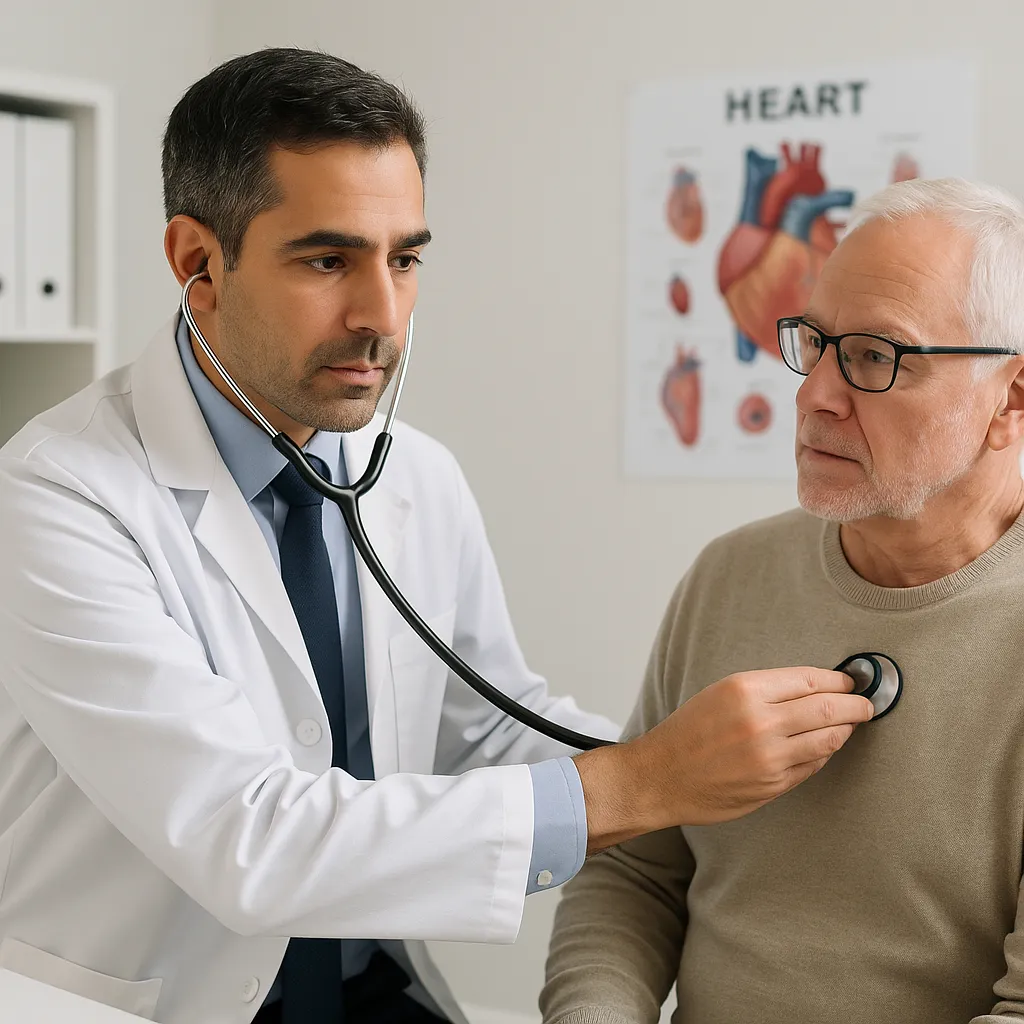
    Is your Heart Trying to Warn you? 10 Early Warning Signs of a Heart Attack You Should Never Ignore

    Warning Signs of a Heart Attack

    A heart attack (myocardial infarction) occurs when blood flow to part of the heart muscle is severely reduced or blocked, usually due to a buildup of plaque (cholesterol, fat, and other substances) in the arteries. This blockage prevents oxygen from reaching the heart tissue, which can cause permanent damage or death if not treated promptly.
    Heart disease remains the leading cause of death worldwide. Many of these deaths could be prevented if people recognized the early warning signs of a heart attack and sought medical attention promptly. Often, the body gives subtle but critical alerts before a major Cardiac event occurs. Unfortunately, these signs are frequently ignored or misinterpreted.

    This comprehensive guide explains the ten key early symptoms of a heart attack in detail—and includes essential prevention tips to help you protect your cardiac health.

    1. Chest Pain or Discomfort

    Chest pain is the hallmark and most common warning sign of a heart attack. It may feel like a heavy weight pressing down on your chest, a squeezing or burning sensation, or a feeling of fullness. Some describe it as if “an elephant is sitting on their chest.” The discomfort may last several minutes or come and go. It usually occurs in the center or left side of the chest but may also radiate elsewhere.

    What to do: Don’t wait it out. If the discomfort lasts more than 5 minutes or returns, seek emergency help immediately.

    2. Shortness of Breath

    Breathing difficulties can be an early and often overlooked Cardiac symptom. This may happen with or without chest pain. People might find it hard to breathe during routine activities or even while resting. It occurs when the heart cannot pump blood efficiently, causing fluid to back up into the lungs.

    When to worry: If you’re winded doing activities that were previously easy, or feel breathless while lying down, it could be a red flag.

    3. Pain in Other Parts of the Body

    Heart attack pain doesn’t always stay in the chest. It may spread to one or both arms (especially the left), neck, jaw, back, or even upper abdomen. In some people, especially women, the pain might feel more like tension or discomfort rather than sharp pain.

    Why it matters: Radiating pain is often dismissed as muscle strain or stress, but when combined with other cardiac symptoms, it’s a significant warning sign.

    4. Cold Sweats

    Sudden sweating, especially when it feels more like clammy skin or a cold sweat, can indicate your body is under extreme stress. This occurs because your nervous system activates the “fight or flight” response due to poor heart function.

    Look out for: Profuse sweating without any clear cause (like heat or exercise), especially alongside chest discomfort or fatigue.

    5. Nausea, Indigestion, or Vomiting

    Many people are surprised to learn that heart attacks can mimic gastrointestinal issues. Symptoms like nausea, acid reflux, or vomiting are more common in women but can occur in anyone.

    Don’t dismiss it: If these symptoms are new, intense, and not clearly linked to food or illness—especially if you’re at risk for Cardiac disease—seek medical advice immediately.

    6. Unusual Fatigue

    Unexplained, persistent fatigue can be a subtle sign that the heart isn’t pumping effectively. It may appear days or even weeks before a heart attack. People may feel drained, even after light activities or a full night’s rest.

    Be alert if: You find yourself unusually exhausted doing simple tasks like climbing stairs, walking short distances, or doing housework.

    7. Lightheadedness or Dizziness

    Feeling dizzy or faint can result from reduced blood flow to the brain due to impaired heart function. It may be accompanied by chest pressure or an irregular heartbeat.

    Action point: Don’t ignore dizziness, especially if it occurs suddenly, is paired with other cardiac symptoms, or causes fainting.

    8. Heart Palpitations

    A racing heart or irregular heartbeat (palpitations) may be a sign of underlying cardiac issues. While occasional fluttering can be harmless, a sustained or erratic rhythm—particularly if it’s accompanied by chest pain or fatigue—could indicate a serious problem.

    What to know: If your heartbeat feels off, fast, or irregular without an obvious cause, it’s time to consult a healthcare provider.

    9. Indigestion or Heartburn Sensation

    Some people describe heart attacks as a burning sensation in the chest, often mistaken for indigestion or acid reflux. This is especially common among older adults and women.

    Distinguish carefully: If you’re experiencing “heartburn” with nausea, sweating, or shortness of breath, it may not be your stomach—it could be your heart.

    10. Swelling in Legs, Feet, or Ankles

    Swelling (edema) in your lower limbs may be an early sign of heart failure or cardiac distress. When the heart doesn’t pump effectively, fluid can build up in the body, especially in gravity-affected areas like the legs and feet.

    Monitor closely: Persistent swelling or sudden weight gain from fluid retention requires medical evaluation.

    Prevention Tips for Cardiac Health

    Eat a Heart-Healthy Diet

    • Focus on whole grains, fruits, vegetables, nuts, and lean protein.

    • Reduce saturated fat, trans fat, and sodium.

    • Limit processed foods and sugary beverages.

    Exercise Regularly

    • Aim for at least 150 minutes of moderate activity per week.

    • Walking, swimming, and cycling are excellent for your heart.

    • Even small bursts of activity are better than none.

    Maintain a Healthy Weight

    • Excess weight, especially around the abdomen, increases your risk for Cardiac events.

    • Combine mindful eating with daily movement for sustainable results.

    Control Blood Pressure & Cholesterol

    Quit Smoking

    • Smoking significantly raises your risk of heart attack.

    • Quitting—at any age—dramatically improves heart health.

    Manage Stress

    • Chronic stress can contribute to high blood pressure and unhealthy habits.

    • Practice mindfulness, meditation, or yoga regularly.

    Get Regular Check-ups

    • Don’t wait until symptoms appear.

    • Annual check-ups can catch cardiac risk factors early.

    Heart Attack Symptoms: That Triggers a Cardiac Event

    Here are the most common causes occurs when blood flow to a part of the heart muscle is severely reduced or completely blocked:

    1. Coronary Artery Disease (CAD)

    Coronary Artery Disease is by far the most common cause of heart attacks. It develops when plaque—composed of fat, cholesterol, calcium, and other substances—builds up inside the coronary arteries that supply blood to the heart muscle. Over time, this buildup, known as atherosclerosis, narrows the arteries and restricts blood flow.

    When a plaque ruptures, a blood clot can form and suddenly block the artery completely, leading to a heart attack.

    Key Risk Factors:

    • High cholesterol

    • Smoking

    • Poor diet

    • Sedentary lifestyle

    Why it matters: CAD often progresses silently. Many people don’t know they have it until they experience major cardiac symptoms or a heart attack.

    2. High Blood Pressure (Hypertension)

    High blood pressure silently wears down the arteries over time. It forces the heart to work harder, which leads to thickened heart muscle and weakened blood vessels. This pressure also accelerates the buildup of plaque, increasing the risk of artery blockages.

    Effects on the heart:

    • Damages artery walls

    • Encourages plaque deposits

    • Increases risk of clot formation

    Connection to symptoms: People with uncontrolled hypertension are more likely to experience warning signs of a heart attack, such as chest pain, fatigue, or shortness of breath.

    3. High Cholesterol

    Cholesterol is a fatty substance in the blood. While your body needs some cholesterol to function, too much LDL (low-density lipoprotein)—the “bad” cholesterol—can lead to plaque buildup in your arteries.

    This restricts blood flow and makes it easier for clots to form and cause Cardiac blockages.

    Types to watch:

    • LDL (bad): Builds plaque

    • HDL (good): Helps remove bad cholesterol

    • Triglycerides: High levels can worsen the risk

    Tip: Routine cholesterol screenings are essential, especially for individuals over 40 or those with a family history of heart disease.

    4. Smoking

    Smoking is one of the most harmful habits for the heart. It damages the lining of arteries, promotes plaque buildup, lowers oxygen in the blood, and makes the blood more likely to clot.

    Direct effects of smoking on Cardiac health:

    • Narrows arteries (vasoconstriction)

    • Reduces oxygen supply to the heart

    • Elevates blood pressure and heart rate

    Important to note: Secondhand smoke is also dangerous. Even occasional smoking significantly increases your risk of a heart attack.

    5. Diabetes

    People with type 1 or type 2 diabetes have higher blood glucose levels, which can damage blood vessels and nerves that control the heart.

    Why it’s dangerous:

    • Speeds up atherosclerosis (plaque formation)

    • Increases triglycerides and lowers good cholesterol

    • Masks warning signs of a heart attack, making detection harder

    Fact: Diabetics are up to 2–4 times more likely to experience a heart attack than non-diabetics.

    6. Obesity

    Carrying excess weight—especially around the abdomen—directly increases your risk for heart disease. Obesity contributes to nearly every other Cardiac risk factor, including high blood pressure, high cholesterol, and insulin resistance.

    How obesity affects the heart:

    • Increases workload on the heart

    • Promotes inflammation

    • Causes hormonal imbalances that strain the cardiovascular system

    BMI Insight: A BMI over 30 is generally considered obese. Reducing weight by even 5–10% can significantly lower your risk of a heart attack.

    7. Stress and Sedentary Lifestyle

    Modern life is full of chronic stress—work pressure, financial concerns, lack of sleep—and all of these put immense pressure on the heart.

    Chronic stress triggers:

    • Increased cortisol and adrenaline

    • Elevated blood pressure

    • Inflammation and artery damage

    Sedentary habits, like prolonged sitting and lack of exercise, weaken heart muscles, promote fat storage, and increase the likelihood of other risk factors like obesity and diabetes.

    Warning Signs Often Missed: Stress-related Cardiac symptoms may feel like fatigue, anxiety, or indigestion—early signs that are commonly ignored.

    🩺 Worried About Your Heart Health? Don’t Wait—Talk to Us Today

    If you’re experiencing any of the warning signs of a heart attack—or if you have risk factors like high blood pressure, diabetes, or a family history of Cardiac issues—it’s time to take action.

    Your heart doesn’t wait. Neither should you.

    👉 Schedule a consultation with our expert cardiologist today to assess your heart health, discuss preventive strategies, and get personalized care that puts your well-being first.

    10 Warning Signs of a Heart Attack (myocardial infarction)

    FAQs About Kidney Stones Symptoms

    Yes, women often experience different or less typical symptoms compared to men. While chest pain is still common, women are more likely to report:

    • Nausea or vomiting

    • Unexplained fatigue

    • Jaw, back, or neck pain

    • Shortness of breath

    • Cold sweats

    • Feeling lightheaded

    Because these symptoms can mimic other conditions (like stress or indigestion), they are often overlooked—leading to delayed treatment.

    A heart attack is a circulation problem—blood can’t reach part of the heart due to a blockage. The heart usually continues beating.

    Cardiac arrest is an electrical problem—the heart suddenly stops beating due to an arrhythmia (irregular heartbeat). Cardiac arrest can occur during or after a heart attack and often leads to sudden collapse and death without immediate CPR or defibrillation.

    People most at risk include:

    • Adults over 45 (men) and over 55 (women)

    • Smokers

    • People with high blood pressure, cholesterol, or diabetes

    • Those with a family history of heart disease

    • Individuals who are overweight or inactive

    • People under chronic stress

    However, heart attacks can occur at any age—even in young adults. Don’t assume you’re safe just because you’re young or thin.

    Common diagnostic tools include:

    • Blood tests (cholesterol, blood sugar, troponin)

    • Electrocardiogram (ECG/EKG)

    • Stress tests

    • Echocardiogram (ultrasound of the heart)

    • CT angiography or coronary calcium scan

    If you’re at high risk or experiencing symptoms, your doctor may recommend a more detailed Cardiac evaluation.

    Related Post

    Book Appointment

  • 10 Warning Signs of Hepatitis | Gastroenterologist’s Guide

    10 Warning Signs of Hepatitis | Gastroenterologist’s Guide

    Top 10 Early Warning Signs of Hepatitis – Advice from a Gastroenterologist

    Warning Signs of Hepatitis – Advice from a Gastroenterologist

    Hepatitis is a silent but serious condition that can cause lasting damage to your liver if not detected and treated early. From the guidance of expert gastroenterologist, We often see patients who overlook the initial symptoms, attributing them to fatigue, indigestion, or flu. However, being aware of the early warning signs of hepatitis can lead to timely diagnosis and better outcomes.
    Lets we’ll explore the early symptoms of hepatitis, what causes the disease, when to seek medical attention, and how a gastroenterologist plays a key role in your diagnosis and recovery.

    10 Early Warning Signs of Hepatitis You Shouldn’t Ignore: A Gastroenterologist’s Advice

    Hepatitis is a serious and potentially life-threatening inflammation of the liver that affects millions of people worldwide. It can be caused by viral infections, excessive alcohol use, autoimmune conditions, toxins, and certain medications. Because the liver plays a vital role in filtering toxins, aiding digestion, and regulating essential bodily functions, any disruption to its health can have severe consequences.  By a gastroenterologist, We’ve seen firsthand how early recognition and treatment of hepatitis can make a significant difference in outcomes. This blog post will walk you through the 10 early warning signs of hepatitis you shouldn’t ignore, why these hepatitis symptoms matter, and when to see a doctor.

    1. Fatigue That Doesn’t Go Away

    Fatigue is one of the earliest and most common warning signs of hepatitis. Unlike normal tiredness, this type of fatigue is persistent and doesn’t improve with rest. People often describe it as a profound sense of exhaustion that interferes with daily activities, productivity, and concentration. This kind of fatigue results from the liver’s inability to adequately filter toxins and metabolize nutrients, which causes a buildup of harmful substances in the body. Since fatigue is a symptom of many conditions, it’s essential to consider other accompanying symptoms to determine whether it could be related to hepatitis.

    2. Yellowing of Skin and Eyes (Jaundice)

    Jaundice is a telltale sign of liver dysfunction and a significant indicator of hepatitis. It causes the skin and the whites of the eyes to take on a yellow hue. This discoloration occurs when the liver is unable to process bilirubin—a yellow pigment produced by the breakdown of red blood cells. Instead of being excreted through bile, bilirubin accumulates in the blood. Jaundice is often one of the more visible and alarming symptoms that lead individuals to seek medical care. If you or someone close to you develops yellowing of the eyes or skin, it is critical to consult a gastroenterologist immediately.

    3. Abdominal Pain or Discomfort (Especially in the Upper Right Side)

    The liver is located in the upper right quadrant of the abdomen, just beneath the ribcage. Inflammation caused by hepatitis can lead to pain, tenderness, or a sense of fullness in that region. This pain may be dull or sharp and might worsen after eating. Some individuals also describe it as a constant discomfort that makes it hard to sit or lie down comfortably. Although abdominal pain can be caused by many digestive issues, pain that is localized in the upper right abdomen—especially when coupled with fatigue or jaundice—should raise concerns about liver involvement.

    4. Nausea and Vomiting

    Hepatitis can disrupt the liver’s role in digestion and toxin filtration, which may result in gastrointestinal symptoms such as nausea and vomiting. These symptoms can appear early in the disease and are often mistaken for food poisoning or gastrointestinal infections. However, persistent nausea without a clear cause is a red flag. Hepatitis-induced nausea may be accompanied by a loss of appetite, weight loss, or a general feeling of being unwell. If you find yourself frequently nauseated or vomiting, especially if it coincides with other signs of hepatitis, consult a medical professional promptly.

    5. Dark-Colored Urine

    Dark urine is a classic and noticeable sign of hepatitis. The urine may take on a brownish or tea-colored appearance due to elevated levels of bilirubin in the bloodstream, which the kidneys then excrete. This happens because the inflamed liver cannot properly process and eliminate bilirubin. While dehydration can cause urine to darken, the discoloration from hepatitis typically persists even when you are well-hydrated. If your urine remains dark over several days, it’s important to undergo a liver function test to determine the underlying cause.

    6. Pale or Clay-Colored Stools

    Healthy liver function contributes to the digestion of fats and the excretion of waste through bile. When bile flow is obstructed or reduced due to liver inflammation, it can result in pale, clay-colored, or grey stools. This change occurs because the bile pigments that usually give stool its brown color are missing. Consistently light-colored stools are not normal and often indicate an issue with bile production or flow, a common occurrence in hepatitis. It’s a subtle but critical sign that warrants further medical evaluation.

    7. Loss of Appetite and Unexplained Weight Loss

    Another early hepatitis symptom is a significant decrease in appetite, which can lead to unintentional weight loss. People with hepatitis often report that food no longer tastes good or that they feel full quickly. This change in eating habits may be due to nausea, abdominal discomfort, or the body’s general response to systemic inflammation. While many people attribute these symptoms to stress or lifestyle changes, ongoing appetite loss and unexplained weight loss are cause for concern and should not be overlooked.

    8. Itchy Skin (Pruritus)

    Pruritus, or itchy skin, can be a surprising symptom of hepatitis. It typically results from the accumulation of bile salts under the skin due to impaired liver function. The itching can be intense, widespread, and often worse at night. Many patients describe it as a deep, unrelenting itch that is not relieved by scratching or over-the-counter anti-itch creams. If you are experiencing persistent itching without an apparent skin condition, it could be a warning sign of liver inflammation, and you should consult a healthcare provider.

    9. Low-Grade Fever

    A mild fever that lasts several days can accompany hepatitis, particularly viral forms such as hepatitis A, B, or C. The fever is generally low-grade but persistent and may occur alongside other flu-like symptoms such as muscle aches, fatigue, or malaise. Unlike other viral illnesses, hepatitis-related fevers are often less acute and more drawn out, which can make them easy to dismiss. However, any prolonged fever that isn’t linked to a clear source should be evaluated, especially if other symptoms of liver dysfunction are present.

    10. Mental Confusion or Difficulty Concentrating

    Mental changes, including confusion, forgetfulness, and difficulty concentrating, can occur even in the early stages of hepatitis. In more advanced liver disease, this condition is known as hepatic encephalopathy. It results from the accumulation of toxins in the bloodstream that are normally filtered by a healthy liver. Even mild cognitive symptoms such as brain fog or sluggish thinking can indicate liver dysfunction. These symptoms should not be ignored, as they may worsen over time and lead to more severe neurological complications.

    Preventing Hepatitis: Tips from a Gastroenterologist

    Prevention is the best strategy against hepatitis. Get vaccinated for hepatitis A and B, especially if you are at high risk. Practice good hygiene, wash your hands frequently, and avoid sharing personal items like razors or toothbrushes. Always use protection during sex and never share needles. If you take long-term medications or have other health issues like diabetes or obesity, monitor your liver function regularly. A healthy diet, regular exercise, and limited alcohol intake can also reduce your risk of developing liver disease.

    Need Expert Help? Don’t Ignore the Early Signs

    Don’t ignore signs like digestive issues or abdominal discomfort. An ultrasound is a quick, safe, and non-invasive way to understand what’s going on inside your body. At Abrol Hospital, we offer expert imaging services with advanced technology and compassionate care.

    Early detection makes all the difference—contact us today or walk in for a fast and confidential scan. Your health deserves clarity.

    Warning Signs of Hepatitis – Advice from a Gastroenterologist

    FAQs About Warning Signs of Hepatitis

    Common early symptoms include fatigue, nausea, loss of appetite, dark urine, and jaundice. These may develop slowly and vary depending on the type of hepatitis.

    A gastroenterologist will usually conduct blood tests to assess liver enzymes and perform a hepatitis panel to determine the specific type. Imaging or biopsy may be required in complex cases.

    Avoid alcohol, fried foods, and highly processed items. Focus on a liver-friendly diet rich in vegetables, lean proteins, and whole grains.

    Chronic hepatitis B and C can increase the risk of liver cancer over time, especially if left untreated. Regular monitoring and early treatment are key.

    Vaccination (for hepatitis A and B), practicing safe sex, avoiding contaminated water and food, and not sharing needles or personal hygiene items are effective preventive measures.

    Absolutely. A gastroenterologist specializes in liver and digestive diseases and is best equipped to diagnose and manage hepatitis.

    Related Post

    Book Appointment

  • Know About Abdominal Ultrasound – Diagnose Liver, Kidney & Pancreas

    Know About Abdominal Ultrasound – Diagnose Liver, Kidney & Pancreas

    Know About Abdominal Ultrasound – Diagnose Liver, Kidney & Pancreatic Problem

    Abdominal Ultrasound in Gurdaspur Procedure Cost & Preparation

    Introduction: What Is an Abdominal Ultrasound?

    An abdominal ultrasound uses high-frequency sound waves to create images of the organs inside your abdomen. It helps your doctor detect any issues inside your body.
    An abdominal ultrasound is one of the most painless, non-invasive diagnostic tools used in modern medicine. It’s especially helpful in checking out organs in the belly area and is commonly used to diagnose everything from gallstones to liver problems. If you’re in Gurdaspur and searching for reliable and affordable ultrasound services, Abrol Hospital is one of the top places to consider.

    Why Ultrasound Is Performed?

    Most of the Doctors specially Expert Gastrorentrologist rely on abdominal ultrasounds for a wide variety of reasons. This scan helps identify the root cause of unexplained abdominal pain, bloating, or a feeling of fullness. It’s also used to examine symptoms like jaundice, blood in urine, or persistent vomiting. If there’s suspicion of gallstones, kidney stones, liver disease, or abdominal tumors, this scan can confirm it. In addition, doctors may use it to monitor the progress of ongoing treatments or check for internal bleeding after an accident. It’s a versatile tool, especially when it comes to evaluating the liver,  pancreas desease, kidneys, spleen, bladder, and gallbladder.

    How Ultrasound Helps in the Early Diagnosis?

    One of the main benefits of getting an abdominal ultrasound early is the ability to catch serious health issues before they become dangerous. Conditions like fatty liver disease, abdominal tumors, or gallbladder stones can often go unnoticed until symptoms worsen. Ultrasound allows for early identification, which means treatment can begin sooner and outcomes are typically better. Moreover, early diagnosis helps reduce long-term healthcare costs by avoiding emergency situations or surgeries.

    How to Prepare for an Abdominal Ultrasound?

    Fasting Guidelines: Doctors generally advise fasting for 6–8 hours before the scan. Food and gas in the stomach can interfere with sound wave transmission, leading to blurry images. Water is allowed, and in some cases, encouraged—especially if the bladder needs to be full for better visibility.

    What to Wear and Bring: Wear loose, comfortable clothing. You may be asked to lift or remove your shirt, so two-piece outfits are recommended. Bring your ID, doctor’s referral, and any previous scan reports if applicable. This helps the radiologist compare findings and spot changes.

    Medication Instructions: Continue taking prescribed medication unless advised otherwise. However, be sure to inform the radiologist about all medications you’re on—some can affect your liver or kidney function, and the technician may adjust scanning angles accordingly.

    The Procedure of Abdominal Ultrasound: What to Expect

    Step-by-Step Walkthrough

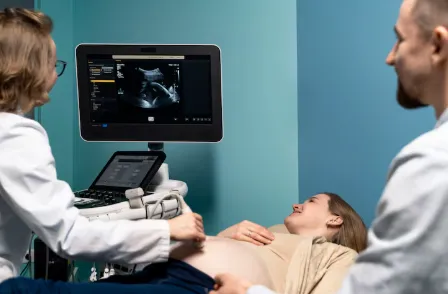
    Once you enter the ultrasound room, you’ll be asked to lie down on your back. A warm or cold gel is applied to your abdomen. The technician then uses a transducer to move over your belly in circular motions. The probe captures images, which appear on the screen. Sometimes you’ll be asked to take a deep breath or hold still. The scan is smooth, and you won’t feel anything beyond slight pressure.

    Duration and Comfort Level: The scan is over in less than half an hour. Most people feel no discomfort at all. The gel may feel sticky, but it’s wiped off afterward, and you’re good to go. It’s one of the most comfortable diagnostic tests available.

    Post-Scan Guidelines: There are no specific restrictions after an ultrasound. You can return to eating, drinking, and performing daily activities immediately unless your doctor instructs you otherwise based on the findings.

    How Soon Will You Get Your Report?
    Most reports are ready within a few hours or by the next working day. If needed urgently, you can request an expedited report—Abrol Hospital often accommodates such requests.
    Your report includes images and descriptions of organ conditions. If anything abnormal is spotted, the report will mention it in detail. Based on this, our consultant or Gastrorentrologist will decide whether you need further tests or treatment.

    Who Needs an Abdominal Ultrasound?

    Symptoms That May Require Scanning: If you’ve been experiencing consistent abdominal pain, swelling, or digestion issues, it might be time for an ultrasound. Other signs include yellowing of the eyes or skin (jaundice), blood in urine, unexplained vomiting, or significant weight loss. Don’t ignore these warning signs—early scanning can prevent complications.

    High-Risk Patients: Patients with diabetes, high blood pressure, alcohol addiction, or a history of liver or kidney disease should undergo routine ultrasounds to monitor internal health. These conditions can silently affect organs over time, and ultrasound helps keep track of any changes.

    Routine Check-Ups for Seniors: For seniors, periodic abdominal ultrasounds are a smart preventive measure. As we age, organs become more susceptible to disease, and early detection through imaging can be a lifesaver. In fact, many doctors recommend annual scans after age 60, especially for patients with chronic conditions.

    Abdominal Ultrasound at Abrol Hospital, Gurdaspur

    Why Choose Abrol Hospital?

    Abrol Hospital in Gurdaspur has built a reputation for affordable, quality diagnostics. It stands out for its commitment to patient care, high standards of hygiene, and qualified medical staff. With years of experience in radiology, they offer reliable results with minimal waiting time. Patients choose Abrol because it combines affordability with expertise—a rare combination in smaller cities.

    Advanced Equipment and Skilled Radiologists

    At Abrol Hospital, ultrasound machines are updated with the latest digital technology, offering better resolution and faster processing times. The team includes certified radiologists who bring both knowledge and experience to the table. This ensures that your reports are accurate, detailed, and clinically useful.

    Patient-Friendly Environment

    From the moment you enter the facility, you’re treated with respect and empathy. Staff members are trained to guide you through the process clearly, especially if you’re undergoing an ultrasound for the first time. Waiting areas are clean and air-conditioned, and appointments are well-managed.

    Cost of Abdominal Ultrasound in Gurdaspur

    The cost of an abdominal ultrasound can vary widely depending on several factors. Key reasons include the quality of imaging equipment, the expertise of the radiologist, and whether additional consultations or evaluations are part of the service. Advanced machines often provide clearer images, and experienced radiologists deliver more precise assessments.
    If you’re seeking reliable and patient-friendly diagnostics, Abrol Hospital ensures accuracy, transparency, and comfort throughout the ultrasound process.

    Get the Accurate Results — Book Your Appointment for Abdominal Ultrasound Today

    Don’t ignore signs like digestive issues or abdominal discomfort. An ultrasound is a quick, safe, and non-invasive way to understand what’s going on inside your body. At Abrol Hospital, we offer expert imaging services with advanced technology and compassionate care.

    Early detection makes all the difference—contact us today or walk in for a fast and confidential scan. Your health deserves clarity.

    abdominal ultrasound in gurdaspur

    FAQs About Kidney Stones Symptoms

    Yes, absolutely. Abdominal ultrasound is widely regarded as one of the safest diagnostic tests available. It does not use radiation and is safe for all age groups, including infants, seniors, and pregnant women. In fact, it’s often the preferred imaging method during pregnancy for both fetal and maternal health checks.

    If your scan detects abnormalities such as fluid accumulation, organ enlargement, cysts, or tumors, your doctor may recommend additional tests like blood work, CT scans, MRIs, or even a biopsy to confirm the diagnosis. Early detection through ultrasound allows for timely intervention, often improving long-term outcomes.

    While ultrasound is excellent for detecting many abdominal conditions, it may not catch every disease. For example, early-stage tumors deep within an organ or certain vascular conditions may require CT or MRI for better clarity. Still, ultrasound is typically the first and most accessible imaging step.

    Choose a diagnostic center or hospital that is well-rated, has qualified radiologists, and uses modern equipment. Abrol Hospital offer a combination of expertise, affordability, and convenience, ensuring accurate results and better patient care.

    Preparation typically includes fasting for 6 to 8 hours prior to the scan, especially if your liver, gallbladder, or pancreas needs to be evaluated. This helps minimize gas and allows for clearer images. However, for kidney or bladder-focused scans, you may be asked to drink water and have a full bladder. Always follow your healthcare provider’s specific instructions.

    Related Post

    Book Appointment

  • Can Vitamin B12 Deficiency be a Warning Sign of Cancer?

    Can Vitamin B12 Deficiency be a Warning Sign of Cancer?

    Can Vitamin B12 Deficiency Be a Warning Sign of Cancer?

    Vitamin B12 Deficiency

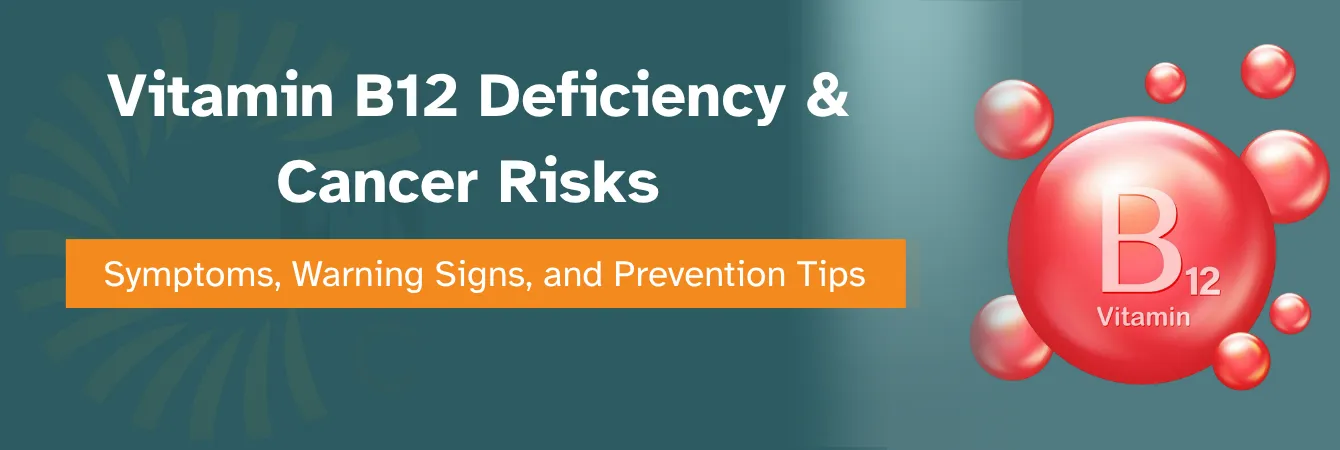
    Vitamin B12, or cobalamin, is an essential water-soluble vitamin that plays a vital role in red blood cell production, neurological function, and DNA synthesis. A deficiency in this crucial nutrient can lead to serious medical conditions such as anemia, neuropathy, and cognitive decline. Interestingly, emerging research and clinical observations suggest that Vitamin B12 deficiency might not always be a standalone nutritional issue—it could be a red flag for deeper pathological processes, including certain cancers. This detailed advice by our expert oncologist dives deep into the intricate relationship between Vitamin B12 deficiency and cancer, exploring whether it can truly serve as an early warning sign for malignancy.

    What Happens When Your Body have Vitamin B12 Deficiency

    Role and Metabolism of Vitamin B12: Vitamin B12 is primarily obtained through animal-based foods such as meat, fish, eggs, and dairy products. Once ingested, B12 binds with intrinsic factor—a glycoprotein secreted by the stomach’s parietal cells—enabling its absorption in the ileum, the last part of the small intestine. The absorbed B12 is stored in the liver and can be retained for years, which is why deficiencies often take time to manifest.

    The body utilizes B12 as a cofactor in two crucial enzymatic reactions: one that converts homocysteine to methionine, supporting methylation processes vital for DNA repair and neurological health, and another that converts methylmalonyl-CoA to succinyl-CoA, a step required for fatty acid metabolism. Disruption of these processes due to low B12 levels can result in defective DNA synthesis, neurological complications, and metabolic dysfunction, setting the stage for potential malignancies.

    Common Causes of Deficiency: There are several pathways through which an individual may develop Vitamin B12 deficiency. One of the most prevalent causes is pernicious anemia, an autoimmune condition in which the body attacks the parietal cells or intrinsic factor itself, leading to impaired absorption of B12. This autoimmune destruction is frequently associated with chronic atrophic gastritis, a known precursor to gastric cancer.

    Other causes include gastrointestinal conditions such as Crohn’s disease, celiac disease, and intestinal surgeries like gastric bypass, which all compromise the ability of the gut to absorb B12. Dietary insufficiency is another concern, especially among individuals following strict vegan or vegetarian diets who do not consume animal products. Additionally, long-term use of medications like proton pump inhibitors (PPIs) and metformin can interfere with B12 absorption by reducing stomach acidity or altering intestinal motility.

    Clinical Presentation and Diagnostic Testing: Clinically, Vitamin B12 deficiency can present with a range of symptoms depending on the duration and severity of the deficiency. Early signs often include fatigue, pallor, glossitis, and mild memory impairment. As the deficiency progresses, patients may experience more severe neurological symptoms such as paresthesia (tingling in hands and feet), unsteady gait, depression, and even dementia-like symptoms.

    Diagnosis involves measuring serum B12 levels, where levels below 200 pg/mL are generally considered deficient. However, borderline cases may require further testing using methylmalonic acid (MMA) and homocysteine levels, both of which rise when B12 is low. A complete blood count (CBC) often reveals macrocytic anemia, and a peripheral blood smear may show hypersegmented neutrophils. Identifying the underlying cause, such as intrinsic factor antibodies or atrophic gastritis, is crucial in guiding treatment and evaluating for more serious conditions like malignancy.

    How B12 Deficiency and Cancer Might Be Connected

    Low B12 Affects Your DNA and Increases Cancer Risk: Your body needs B12 to help with a process called methylation, which protects your DNA and keeps your genes working correctly. Without enough B12, this process breaks down, and your DNA can start to form mistakes. Some of these mistakes may eventually lead to cancer, especially in fast-growing tissues like the stomach or intestines. That’s why long-term vitamin B12 deficiency could be one piece of the cancer puzzle.

    How Stomach Damage Can Lead to B12 Problems and Cancer Risk: When your stomach lining becomes damaged—either from an autoimmune disease or a bacterial infection (like H. pylori)—it can stop making the acid and proteins needed to absorb B12. This condition, known as chronic atrophic gastritis, also happens to increase your risk of stomach cancer. So, when someone develops B12 deficiency because of this stomach issue, it might be an early warning sign that something more serious is going on in the digestive system.

    Does B12 Deficiency Cause Cancer, or Is It Just a Clue?

    It’s important to remember that having low B12 doesn’t always mean you’ll get cancer. Sometimes, cancer causes B12 deficiency—not the other way around. For example, tumors in the stomach or intestines can block the body’s ability to absorb nutrients like B12. Also, certain cancers can release proteins that mess with B12 levels in your blood. That’s why doctors need to look at the full picture when someone has low B12.

    Cancer Types Most Commonly Occured with Vitamin B12 Deficiency

    Gastric (Stomach) Cancer

    Among all cancer types, gastric cancer has the strongest and most direct link with Vitamin B12 deficiency. The chain of events often begins with chronic atrophic gastritis, particularly in individuals with autoimmune gastritis or long-standing Helicobacter pylori infection. The destruction of parietal cells leads to loss of intrinsic factor and gastric acid—both essential for B12 absorption. Over time, these changes not only result in B12 deficiency but also promote a precancerous environment characterized by intestinal metaplasia and dysplasia.

    Therefore, when B12 deficiency is discovered alongside symptoms such as upper abdominal discomfort, early satiety, or unexplained weight loss—particularly in older adults—gastric cancer must be considered in the differential diagnosis. Endoscopic evaluation with biopsy may be warranted in such cases.

    Colorectal Cancer

    Colorectal cancer is another malignancy commonly associated with B12 deficiency. Chronic inflammation, polyps, or tumors in the large intestine can disrupt nutrient absorption and lead to secondary deficiencies. Furthermore, B12 deficiency is more common in individuals over 50—the same age group most at risk for colorectal cancer.

    Some studies suggest that low B12 may not only be a consequence but also a contributor to colorectal carcinogenesis through impaired DNA repair and genomic instability. Nonetheless, more research is required to establish a definitive causal relationship.

    Hematologic Malignancies

    Hematologic cancers, such as leukemia, lymphoma, and multiple myeloma, may interfere with B12 levels in various ways. Firstly, they can affect bone marrow and red blood cell production, leading to anemia that mimics megaloblastic anemia caused by B12 deficiency. Secondly, in some cases, high levels of circulating haptocorrin and transcobalamin—produced by cancerous cells—can bind B12 and lead to falsely elevated levels in blood tests.

    This can mask a true tissue-level B12 deficiency, making diagnosis challenging. Conversely, a true B12 deficiency may cause hematological changes (such as pancytopenia) that mimic malignancy, underscoring the importance of accurate diagnostic workup.

    Liver and Other Solid Tumors

    The liver plays a central role in storing and recycling Vitamin B12. Liver metastases or primary liver cancers can release stored B12 into the bloodstream, leading to falsely high serum levels. In such cases, B12 elevations may reflect tumor burden rather than nutritional status. Similar patterns have been observed in lung, pancreatic, and breast cancers, where elevated B12-binding proteins may serve as indirect tumor markers.

    Thus, Abrol Hospital, a leading cancer care hospital in Gurdaspur, are advised to carefully evaluate unexpectedly high Vitamin B12 deficiency markers—even in the absence of supplementation. Persistently elevated B12 levels can sometimes indicate underlying malignancies or paraneoplastic syndromes, and therefore warrant further diagnostic investigation to rule out serious conditions, including cancer.


    Read in Hindi: विटामिन बी12 की कमी: लक्षण, कारण और उपचार


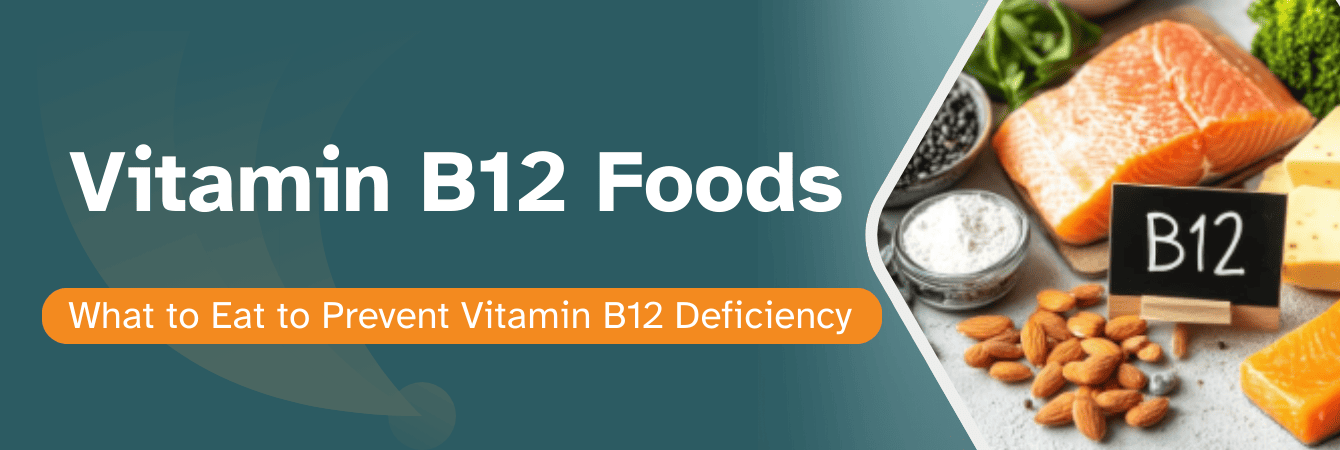
    Sources of Vitamin B12 for Vegetarians vs. Non-Vegetarians

    For Non-Vegetarians

    People who consume animal products generally have multiple natural sources of Vitamin B12, since it is most abundantly found in meat and seafood.

    • Meat & Poultry: Beef, chicken, lamb, turkey, and organ meats (like liver) are excellent sources.

    • Fish & Seafood: Salmon, tuna, sardines, mackerel, trout, and shellfish (clams, crab, shrimp) are rich in B12.

    • Dairy Products: Milk, yogurt, and cheese provide moderate levels of B12.

    • Eggs: Egg yolks contain B12 and can be included in daily diets.

    👉 Non-vegetarians usually meet their B12 needs through diet alone unless absorption issues (like gastritis or intestinal disease) interfere.

    For Vegetarians & Vegans

    Since Vitamin B12 is not naturally present in plant-based foods, vegetarians and especially vegans must rely on fortified foods or supplements.

    • Dairy Products (Vegetarians only): Milk, paneer, curd, and cheese provide some B12.

    • Eggs (Ovo-vegetarians): A moderate source of B12.

    • Fortified Foods:

      • Plant-based milks (soy, almond, oat, coconut) fortified with B12

      • Breakfast cereals fortified with B12

      • Nutritional yeast fortified with B12

      • Plant-based meat substitutes enriched with B12

    • Supplements: Daily oral supplements, sprays, or injections (for severe deficiency) are essential for vegans.

    👉 For strict vegans, supplements or fortified foods are the only reliable way to maintain healthy B12 levels, since plants alone cannot supply this vitamin.

    When You Should Consult an Oncologist?

    If you’re experiencing symptoms like fatigue, numbness, memory issues, or unexplained anemia—don’t ignore them. While Vitamin B12 deficiency is common, it can sometimes point to deeper health concerns, including cancer. Schedule a consultation with our experienced oncologist today to explore the root cause of your symptoms. We’re here to guide you with advanced diagnostics and compassionate care—because your health deserves a closer look.

    Vitamin B12 Deficiency is warning sign of cancer

    FAQs About Kidney Stones Symptoms

    Yes, in some cases. While most Vitamin B12 deficiency are due to poor dietary intake or absorption problems, persistent or unexplained B12 deficiency—especially in older adults or those with gastrointestinal issues—can sometimes be a red flag for underlying malignancies, particularly in the stomach, colon, or pancreas. Cancers in these organs can interfere with B12 absorption or mimic conditions (like chronic gastritis) that reduce B12 levels. So while it’s not a direct cause-and-effect relationship, a persistent deficiency without a clear cause should prompt further investigation.

    The richest natural sources include animal products such as beef, liver, chicken, fish (salmon, tuna, sardines), shellfish (clams, crab), dairy products, and eggs.

    The strongest associations have been found with:

    • Gastric (stomach) cancer – especially in people with pernicious anemia or chronic gastritis.

    • Colorectal cancer – where B12 deficiency may be part of a broader pattern of malabsorption.

    • Pancreatic and liver cancers – where high or abnormal B12 levels may signal hidden malignancies.

    • Blood cancers like leukemia or lymphoma – which can disrupt blood cell production and B12 transport.

    No. Most cases are due to diet, malabsorption, or autoimmune conditions like pernicious anemia. However, persistent deficiency with red-flag symptoms (weight loss, stomach pain, anemia unresponsive to treatment) should be investigated for possible cancer.

    Related Post

    Book Appointment

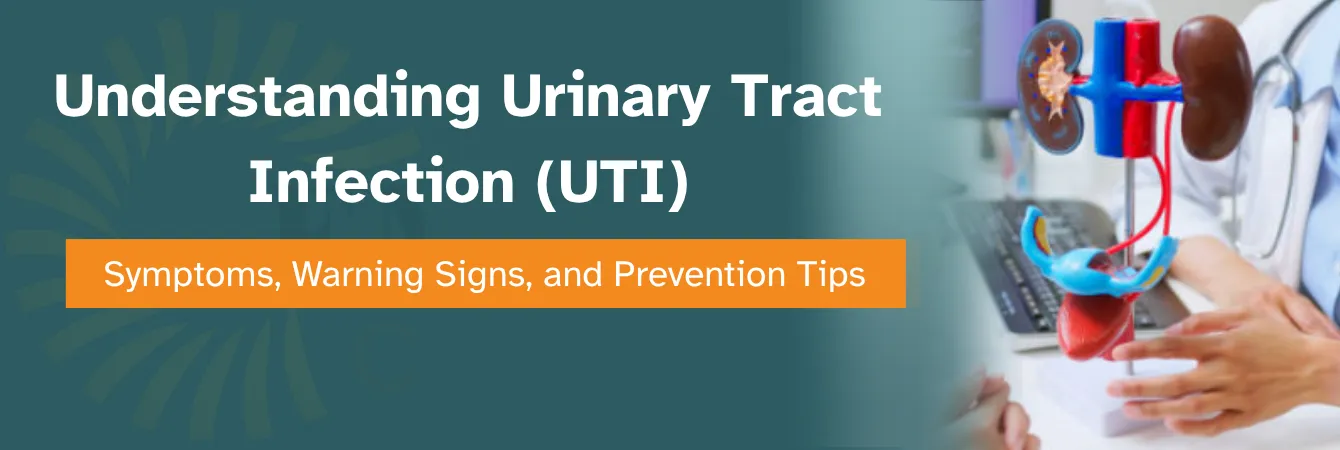
  • Urinary Tract Infection (UTI): Symptoms, Warning Signs, and Prevention Tips

    Urinary Tract Infection (UTI): Symptoms, Warning Signs, and Prevention Tips

    What You Need to Know About Urinary Tract Infections (UTIs): Signs, Causes, and How to Prevent Them

    Urinary Tract Infection (UTI): Symptoms, Warning Signs, and Prevention Tips

    Introduction: What Is a UTI and Why Should You Care?

    A Urinary Tract Infection (UTI) is one of the most common infections that affect the human urinary system, which includes the urethra, bladder, ureters, and kidneys. While both men and women can develop UTIs, women are more likely to suffer due to anatomical differences such as a shorter urethra, which allows bacteria quicker access to the bladder. UTIs are not only uncomfortable but also potentially dangerous if not treated in time. If the infection ascends from the bladder to the kidneys, it can cause serious health complications, including permanent kidney damage or sepsis.

    What Causes a Urinary Tract Infection?

    Bacterial Invasion through the Urethra:

    The most common cause of a UTI is the invasion of bacteria, especially Escherichia coli (E. coli), which is normally found in the gastrointestinal tract. When these bacteria enter the urethra and begin to multiply in the bladder, they can cause an infection. In many cases, the bacteria spread from the anus to the urethral opening due to poor hygiene practices or other lifestyle factors.

    Poor Hygiene Practices

    Improper cleaning habits, such as wiping from back to front after using the toilet, can transfer bacteria from the rectal area to the urethra. This is especially problematic for women, whose urethral opening is closer to the anus. Inadequate cleaning after sexual activity or using unclean public restrooms also increases the risk.

    Holding Urine for Long Periods

    Delaying urination for extended periods allows bacteria more time to multiply within the bladder. This retained urine becomes a breeding ground for harmful microbes, leading to infection. Habitually holding in urine also weakens bladder muscles over time, further exacerbating the problem.

    Dehydration and Infrequent Urination

    When fluid intake is low, urine becomes concentrated and less frequent, reducing the flushing effect that usually removes bacteria from the urinary tract. A lack of hydration is one of the most overlooked causes of recurring UTIs, especially in elderly individuals and office workers who avoid regular water intake.

    Sexual Activity

    During sexual intercourse, bacteria around the genital area can be pushed into the urethra. Women are particularly at risk, and those who are sexually active are advised to urinate both before and after intercourse. Certain sexual positions or practices may also contribute to the transfer of bacteria.

    Use of Contraceptives

    Some contraceptive methods, like diaphragms and spermicides, can alter the natural flora of the vagina or apply pressure to the urethra, making infections more likely. These methods can change the pH balance, disrupt protective barriers, and increase the chances of bacterial overgrowth.

    Urinary Tract Blockages

    Obstructions such as kidney stones, enlarged prostate glands, or tumors can prevent complete emptying of the bladder. Residual urine left behind creates an ideal environment for bacterial growth and increases the risk of infections.

    Underlying Medical Conditions

    People with conditions such as diabetes, spinal cord injuries, or multiple sclerosis are at higher risk of UTIs due to impaired immune function or difficulty in fully emptying the bladder. Diabetics, in particular, may also have sugar in their urine, which encourages bacterial multiplication.

    Common Signs and Symptoms of a UTI

    Burning or Pain During Urination

    A sharp, burning sensation while urinating is one of the first and most noticeable signs of a UTI. The inflammation caused by bacteria irritates the lining of the urethra, making urination uncomfortable and sometimes painful.

    Frequent and Urgent Urge to Urinate

    UTIs often trigger an urgent and persistent need to urinate, even when the bladder is not full. This urgency can be especially inconvenient at night, disrupting sleep and daily routines. It may also be accompanied by an inability to fully empty the bladder.

    Passing Small Amounts of Urine

    Despite the constant urge to urinate, many patients can only pass small quantities. This happens because bladder inflammation prevents normal function, and the sensation of fullness is often caused by irritation rather than actual urine volume.

    Foul-Smelling or Cloudy Urine

    Bacterial waste products, white blood cells, and dead epithelial cells can change the appearance and smell of urine. Patients often report urine that is darker than usual, cloudy, and with a strong, unpleasant odor, which is a clear sign of infection.

    Blood in the Urine (Hematuria)

    Visible blood or pinkish color in urine is an alarming symptom. Hematuria occurs due to irritation and damage to the bladder or urethra lining caused by infection. Although not always present, it is a critical indicator and should never be ignored.

    Lower Abdominal or Pelvic Pain

    Pain or cramping in the lower abdomen, particularly around the bladder area, is a common complaint. This discomfort results from inflammation and pressure within the urinary tract and may worsen with movement or during urination.

    Fever and Chills

    If the infection progresses to the kidneys, fever and chills often follow. These symptoms indicate a systemic response to the infection and require immediate medical attention. Kidney infections can quickly become life-threatening if left untreated.

    Who’s More Likely to Get a Urinary Tract Infection (UTI)?

    🔹 Women

    Women are significantly more likely to get UTIs compared to men, and this mainly comes down to anatomy. A woman’s urethra is shorter than a man’s, which means bacteria have a much shorter distance to travel before reaching the bladder. Additionally, because the urethra is located closer to the anus in women, there’s a greater chance for bacteria like E. coli (commonly found in the intestines) to enter the urinary tract. This is why UTIs are especially common in sexually active women or those who don’t urinate soon after intercourse.

    🔹 Pregnant Women

    Pregnancy increases the risk of UTIs due to both hormonal and physical changes in the body. Hormones like progesterone relax the muscles in the urinary tract, slowing the flow of urine and making it easier for bacteria to multiply. Meanwhile, as the baby grows, the uterus puts pressure on the bladder, reducing its capacity and making it harder to empty completely. Urine that stays in the bladder for longer periods creates an ideal environment for bacteria to thrive, making UTIs more likely during pregnancy. That’s why regular urine tests during prenatal checkups are important.

    🔹 Older Adults

    Older adults, especially those over the age of 65, are more vulnerable to UTIs for several reasons. First, their immune systems may not be as strong, which makes it harder to fight off infections. Second, they may have other health conditions — like incontinence or dementia — that increase the risk. Older adults might not experience the typical symptoms like burning while urinating or frequent urges. Instead, they might just feel generally unwell, confused, weak, or unusually tired. Because these signs can be subtle, UTIs in seniors are often missed or diagnosed late.

    🔹 People with Diabetes

    Individuals with diabetes have a higher risk of developing UTIs. High blood sugar levels can weaken the immune system, making it less effective at fighting off infections. Moreover, sugar in the urine acts as food for bacteria, helping them grow faster. People with poorly managed diabetes may also have issues with bladder function, which can cause incomplete emptying of urine — a key risk factor for bacterial buildup. That’s why maintaining good blood sugar control and regular checkups are essential for preventing UTIs in diabetic patients.

    🔹 People Who Use Catheters

    Catheters — thin tubes used to help drain urine from the bladder — can be a lifesaver for people with certain health conditions, but they come with a downside. If not inserted or maintained properly, catheters can allow bacteria to enter directly into the bladder. Even long-term use of a clean catheter increases the risk of developing what’s known as a catheter-associated urinary tract infection (CAUTI). This is why hospitals and caregivers follow strict hygiene protocols when dealing with catheters and aim to remove them as soon as they’re no longer needed.

    🔹 Men with Enlarged Prostates

    Men with benign prostatic hyperplasia (BPH), or an enlarged prostate, often have difficulty emptying their bladder fully. When urine stays behind in the bladder, it provides a breeding ground for bacteria. Over time, this buildup can lead to frequent or chronic UTIs. Men with BPH may also experience symptoms like weak urine flow, straining to urinate, or feeling like the bladder isn’t fully empty — which further increases the chance of infection.

    What Really Happens If You Don’t Treat a UTI?

    Ignoring a urinary tract infection (UTI) might seem harmless at first—especially if symptoms are mild—but leaving it untreated can lead to serious and even life-threatening complications. Here’s what could happen if you don’t take it seriously:

    🔹 Kidney Infection (Pyelonephritis)

    When bacteria from the bladder are not eliminated, they can travel up the ureters and reach the kidneys. This can cause a kidney infection, which is much more severe than a simple UTI. Kidney infections can bring symptoms like high fever, back or side pain, chills, nausea, and vomiting. If not treated promptly, the infection can permanently damage your kidneys. Most cases need strong antibiotics and sometimes hospitalization to receive fluids and medications through an IV.

    🔹 Sepsis – A Life-Threatening Emergency

    In rare and severe cases, the infection may escape the urinary system and enter your bloodstream. This condition is known as sepsis and it’s considered a medical emergency. Sepsis can cause your body to go into shock, potentially shutting down vital organs like the heart, lungs, and kidneys. This is especially dangerous for older adults or people with weakened immune systems. Without rapid treatment, sepsis can be fatal.

    🔹 Pregnancy Complications

    Pregnant women are more vulnerable to UTIs due to hormonal changes and physical pressure on the bladder. If a UTI is not treated during pregnancy, it can lead to serious problems such as premature birth, low birth weight in babies, and pregnancy-induced high blood pressure (preeclampsia). That’s why doctors regularly check for UTIs during prenatal visits. Expecting mothers should never ignore symptoms like burning during urination, increased urgency, or lower abdominal pain.

    🔹 Recurrent Infections and Long-Term Damage

    Ignoring or poorly treating UTIs can lead to recurring infections that become harder to treat. Over time, this can cause permanent damage to the urinary tract, such as scarring in the bladder or urethra. Some people may develop chronic bladder pain or urinary incontinence, affecting their quality of life. In very serious cases, surgery may be required to correct structural damage caused by ongoing infections.

    How to Prevent UTIs – Simple Habits That Actually Work

    🔹Drink Plenty of Water

    Water is your best defense against UTIs. It helps flush out bacteria from the urinary tract before they can cause an infection. Aim to drink at least 8 to 10 glasses of water a day, unless your doctor advises otherwise. If you’re prone to UTIs, keeping your urine diluted and frequent can make a big difference.

    🔹 Don’t Hold Your Pee

    It may seem harmless to delay a bathroom trip, especially when you’re busy—but holding in urine gives bacteria extra time to multiply in your bladder. This increases the risk of infection. Make it a habit to go to the restroom as soon as you feel the urge to pee. This simple action helps reduce bacterial growth.

    🔹Always Wipe Front to Back

    After using the toilet, especially for women, always wipe from front to back. This prevents bacteria from the rectal area (like E. coli) from getting near the urethra and entering the urinary tract. It’s a small hygiene step with a big impact on prevention.

    🔹 Pee Right After Sexual Activity

    Sexual activity can introduce bacteria into the urethra, especially for women. By urinating right after sex, you flush out any bacteria that may have entered. It’s a simple and effective step to reduce your chances of getting a post-sex UTI.

    🔹 Stay Away from Harsh Soaps and Feminine Sprays

    Using perfumed or harsh cleaning products in your intimate area can disturb the natural pH balance, making it easier for harmful bacteria to thrive. Avoid products like scented soaps, powders, or sprays on or near your genitals. Stick to gentle, unscented cleansers if needed, and avoid douching altogether.

    🔹 Wear Cotton Underwear and Loose Clothing

    Tight clothes or underwear made from synthetic fabrics trap moisture and heat, which creates the perfect environment for bacteria. Choose cotton underwear and loose-fitting pants or skirts when possible. This helps keep the area dry and allows your skin to breathe.

    Don’t Wait – Consult Our Urology Expert Today!

    UTIs can start off as a minor inconvenience but quickly turn into something more serious if left untreated. Whether you’re dealing with burning sensations, frequent urination, pelvic discomfort, or just feel that something isn’t right — you don’t have to suffer in silence. Our expert Urologists and Nephrologists specialize in diagnosing and treating urinary infections with advanced care and personalized attention. Book your consultation today!

    urinary tract infection signs causes prevention

    FAQs About Kidney Stones Symptoms

    Most UTIs begin with symptoms like a burning sensation while urinating, frequent urges to urinate even with little output, cloudy or smelly urine, and lower abdominal discomfort. Some people may also feel fatigued or feverish. Early diagnosis helps prevent the infection from spreading to the kidneys.

    Yes, but it’s very important to use only doctor-prescribed antibiotics that are safe during pregnancy. Untreated UTIs in pregnancy can lead to complications like premature labor or kidney infections. Pregnant women should have regular urine tests to catch infections early.

    Recurrent UTIs can result from incomplete bladder emptying, underlying health conditions like diabetes, anatomical differences, or even poor hygiene habits. Your doctor may suggest preventive antibiotics or additional testing to address the root cause.

    In very mild cases, some UTIs might resolve without antibiotics, especially in young, healthy individuals. However, most cases require proper medical treatment to avoid complications. It’s always best to consult a doctor to assess the severity and need for antibiotics.

    A simple urine test (urinalysis) can detect signs of infection such as bacteria, white blood cells, or red blood cells in your urine. In some cases, a urine culture may be needed to identify the specific bacteria causing the infection.

    Doctors often prescribe antibiotics such as nitrofurantoin, trimethoprim-sulfamethoxazole, or fosfomycin. However, the choice of antibiotic depends on the bacteria strain, your medical history, and potential resistance patterns. Always complete the full course of medication even if symptoms improve.

    Related Post

    Book Appointment

  • Why Consulting a Nephrologist Is Essential for Your Kidney Health

    Why Consulting a Nephrologist Is Essential for Your Kidney Health

    Why Consulting a Nephrologist Is Essential for Your Kidney Health

    good kidney health by nephrologist

    Your kidneys are vital organs that play a crucial role in maintaining the overall balance of your body. They regulate blood pressure, filter waste products from your blood, balance electrolytes, and aid in the production of red blood cells. Despite their importance, kidneys often go unnoticed until something goes wrong. Most kidney diseases are silent killers, progressing slowly with few symptoms until they are advanced. By the time many people seek help, the damage may already be significant. That’s why early consultation with a nephrologist can make all the difference. Being proactive in your kidney care not only improves your health but can also help prevent life-altering complications.

    Who Is a Nephrologist?

    A nephrologist is a medical doctor who specializes in diagnosing and treating kidney-related conditions. After completing medical school and internal medicine training, nephrologists undergo additional specialized education focused solely on kidney health. Their expertise goes far beyond what general physicians or urologists can offer when it comes to kidney diseases. While urologists focus on surgical and structural issues of the urinary tract (like kidney stones or bladder issues), nephrologists are experts in managing how your kidneys function and what to do when they begin to fail. They also handle complications that arise from poor kidney function, including electrolyte imbalances, bone disorders, and anemia.

    Signs You Should See a Nephrologist

    Chronic Fatigue and Weakness: When your kidneys are not working efficiently, toxins and waste products begin to build up in your blood. This toxic environment affects the functioning of your organs, leading to a constant feeling of tiredness, lack of energy, and weakness. Anemia, a common result of chronic kidney disease, can also cause fatigue since the kidneys are responsible for producing a hormone called erythropoietin, which stimulates red blood cell production.

    Changes in Urination: The kidneys’ primary function is to filter and remove excess fluids and waste through urine. So, any change in urination patterns—whether it’s foamy urine (which indicates protein), increased frequency (especially at night), blood in the urine, or decreased output—can signal a problem. These symptoms may not be painful or dramatic initially, but they can be early indicators of kidney distress.

    Swelling in Legs, Ankles, or Feet: When kidneys fail to remove excess sodium and fluid from the body, the retained water starts accumulating in the lower extremities. This causes noticeable swelling, especially around the ankles, feet, and sometimes even the face. This swelling, known as edema, is a common sign of deteriorating kidney function and should not be ignored.

    High Blood Pressure: The kidneys play a major role in regulating blood pressure. If they are not functioning properly, they can contribute to or worsen hypertension. On the flip side, long-standing high blood pressure can also damage the blood vessels in the kidneys, creating a damaging cycle. A nephrologist can help you manage this condition from both ends—protecting the kidneys and regulating your pressure.

    Persistent Nausea and Vomiting: Accumulated waste products in the bloodstream due to poor kidney function can affect your digestive system. This often results in a metallic taste in the mouth, persistent nausea, vomiting, and even loss of appetite. These symptoms may mimic other conditions, but when they’re persistent, a nephrologist should be consulted.

    Common Kidney Conditions Treated by Nephrologists

    Chronic Kidney Disease (CKD)

    CKD is a long-term condition where the kidneys gradually lose function over time. It’s a progressive disease that often has no symptoms in the early stages. By the time signs become apparent, such as fatigue or swelling, the kidneys may already be significantly damaged. Nephrologists are trained to detect CKD early and slow its progression using medications, dietary adjustments, and careful monitoring.

    Acute Kidney Injury (AKI)

    Unlike CKD, AKI comes on suddenly. It may occur after a severe infection, major surgery, trauma, or reaction to medications. The condition is often reversible if treated quickly. Nephrologists can identify the underlying cause and create a treatment plan to restore kidney function and prevent recurrence.

    Kidney Stones

    While often managed by urologists if surgery is required, nephrologists help identify the metabolic causes of kidney stones. They conduct evaluations to determine why stones form and how to prevent them through dietary changes or medication, reducing the chances of recurring episodes.

    Polycystic Kidney Disease (PKD)

    PKD is a hereditary disorder where fluid-filled cysts grow inside the kidneys, leading to enlarged kidneys and eventually kidney failure. Nephrologists help monitor the growth of cysts, manage blood pressure, and delay kidney damage. In severe cases, they also guide patients through dialysis or transplant options.

    Glomerulonephritis

    This is an inflammation of the kidney’s filtering units (glomeruli) and can result from autoimmune diseases or infections. If left untreated, it can lead to CKD. Nephrologists often use immunosuppressive therapy and close monitoring to treat this condition and prevent irreversible damage.

    Nephrotic Syndrome

    Nephrotic syndrome is a combination of symptoms that occur when the kidneys leak too much protein into the urine. Patients may experience swelling, weight gain, and fatigue. A nephrologist can determine the cause (which might include glomerular disease) and develop a treatment strategy to manage symptoms and reduce complications.

    Treatments and Management offers by Nephrologist

    Medication Management: One of the primary roles of a nephrologist is to manage medications that help control underlying issues like high blood pressure, diabetes, and inflammation—conditions that can silently destroy your kidney health. They prescribe specific drugs to slow down disease progression, reduce protein loss in the urine, and manage symptoms like fluid retention or anemia. Moreover, nephrologists ensure that medications being taken for unrelated conditions are not harming the kidneys, by adjusting doses or suggesting safer alternatives.

    Dialysis Preparation and Support: When kidney function drops below 10–15%, dialysis may become necessary to filter waste from the blood. Nephrologists play a pivotal role in determining when dialysis is needed, helping patients understand their options (hemodialysis or peritoneal dialysis), and preparing them emotionally and physically. They also manage the dialysis schedule, troubleshoot complications, and monitor treatment effectiveness over time. Early involvement of a nephrologist can smooth the transition into dialysis and even delay the need for it through timely interventions.

    Kidney Transplant Referrals: For patients whose kidneys have permanently failed, a transplant may offer a new lease on life. Nephrologists identify transplant eligibility, refer patients to transplant centers, and manage the patient before and after the procedure. Post-transplant, they work closely with the surgical team to manage anti-rejection medications and monitor the function of the new kidney.

    Lifestyle and Dietary Changes: Diet plays a crucial role in kidney health. A nephrologist collaborates with renal dietitians to help patients reduce salt, potassium, phosphorus, and protein intake as needed. They also stress lifestyle changes—like quitting smoking, controlling weight, reducing alcohol intake, and engaging in safe physical activity. These changes help alleviate stress on the kidneys and improve overall well-being.

    When to See a Doctor: Consult Our Nephrologist Today

    Are you experiencing unusual fatigue, swelling, or changes in urination? Do you have high blood pressure, diabetes, or a family history of kidney disease? At our clinic, our expert nephrologists provide personalized care, early detection, and effective management of all kidney-related conditions.

    Don’t wait for visible symptoms to take action, Prioritize your kidney health today.

    kidney stone symptoms

    FAQs About Kidney Stones Symptoms

    Early signs include fatigue, swelling in the ankles or feet, frequent urination at night, foamy urine, and high blood pressure. These symptoms may be subtle but should prompt a consultation with a nephrologist.

    If you’re at risk or already have kidney issues, you should see a nephrologist every 3–6 months. For preventive screening, annual visits are typically recommended if you have diabetes, hypertension, or a family history.

    Absolutely. Nephrologists often work closely with endocrinologists and cardiologists to help manage diabetes and high blood pressure—two major causes of kidney disease. They fine-tune your medications, monitor for complications, and guide you on kidney-safe diets and lifestyle changes that support better blood sugar and pressure control, all while protecting your kidneys.

    It’s a common myth that you should only see a nephrologist if you’re already sick. The truth is, early-stage kidney disease often has no symptoms. If you have risk factors like high blood pressure, diabetes, obesity, or a family history of kidney problems, it’s essential to consult a nephrologist for baseline tests and monitoring. They can detect issues early and help prevent long-term damage, even if you currently feel fine.

    No. Dialysis is one option. Kidney transplant is another. Some patients, depending on their condition, can manage with medication and lifestyle changes for years before dialysis is required.

    Limit sodium, red meat, high-phosphorus foods (like processed cheese and soda), and high-potassium foods (like bananas and oranges) if advised. Always follow a nephrologist-guided dietary plan tailored to your condition.

    Related Post

    Book Appointment

  • Best Ways to Improve Your Digestive System & Avoid Stomach Viruses

    Best Ways to Improve Your Digestive System & Avoid Stomach Viruses

    Effective Ways to Improve Your Digestive System and Avoid Stomach Viruses with Gastroenterologist Tips

    Best ways to improve digestive system- Gastroenterologist’s Guide

    Your digestive system is responsible for turning the food you eat into nutrients your body needs and eliminating waste. However, in today’s world, issues like stomach viruses, poor diet, stress, and infections frequently disrupt the normal function of this system. These disturbances can result in bloating, indigestion, constipation, and even chronic conditions.

    Viral gastroenteritis (stomach flu) is one such challenge, affecting millions globally. It spreads easily and often causes diarrhea, cramps, vomiting, and fatigue. But the good news is that digestive health can be strengthened through diet, hygiene, habits, and timely consultations with a gastroenterologist—a specialist for your digestive tract. This guide covers everything you need to know to improve digestion and avoid stomach-related infections naturally and effectively.

    The human digestive system is a complex network that processes food into nutrients for energy, growth, and cell repair. Unfortunately, poor eating habits, lifestyle factors, and exposure to harmful pathogens can disrupt the system, leading to uncomfortable or serious health issues. Among these concerns, stomach infections caused by viruses or bacteria are some of the most common.

    Understanding the Digestive System

    The digestive system is a complex network of organs responsible for breaking down food, absorbing nutrients, and eliminating waste. It starts at the mouth and includes the esophagus, stomach, liver, pancreas, small intestine, large intestine, and ends at the rectum. Each organ has a unique role—for example, the liver produces bile to break down fats, while the pancreas releases enzymes to digest proteins and carbohydrates. When functioning well, this system ensures you get the vitamins, minerals, and energy your body needs to thrive.

    How Digestion Works – A Simple Breakdown

    Digestion begins in the mouth, where enzymes in saliva start breaking down carbohydrates. The food then travels through the esophagus to the stomach, where gastric acid and enzymes further digest proteins. The partially digested food enters the small intestine, where the pancreas and liver contribute more enzymes and bile to complete the digestive process. Nutrients are absorbed through the intestinal walls and transported into the bloodstream. Remaining waste moves into the large intestine, where water is reabsorbed before it is excreted.

    Common Digestive Issues People Face

    Millions of people experience digestive discomfort daily. Common problems include bloating, gas, acid reflux, irritable bowel syndrome (IBS), constipation, and gastritis. Many of these issues stem from poor dietary choices, stress, lack of exercise, or even medications. Understanding these issues can help you take proactive steps to manage or prevent them before they become chronic.

    The Link Between Digestion and Immunity

    A healthy digestive system plays a significant role in your immune defense. About 70% of your immune cells reside in the gut lining, and beneficial bacteria, known as probiotics, help prevent harmful pathogens from entering the bloodstream. A well-balanced gut supports the production of immune cells and signaling molecules that protect against infections.

    How an Unhealthy Gut Makes You Vulnerable to Infections: When your gut microbiome is imbalanced—a condition known as dysbiosis—your body becomes more susceptible to infections and inflammation. This can occur due to antibiotic overuse, stress, poor diet, or exposure to harmful bacteria and viruses. An unhealthy gut may allow viruses to cross the gut barrier, leading to more frequent illnesses and slower recovery.

    What Are Stomach Viruses?

    Stomach viruses, also known as viral gastroenteritis, are caused by viruses like norovirus, rotavirus, and adenovirus. These viruses inflame the stomach and intestines, leading to digestive disturbances. Norovirus is the most common and spreads rapidly in crowded places, while rotavirus mainly affects children.

    Symptoms and Early Signs of Infection

    Typical symptoms include nausea, vomiting, watery diarrhea, abdominal cramps, and sometimes fever and body aches. These signs usually appear suddenly and can last from a day to several days. Early detection can help in managing the symptoms more effectively.

    How Stomach Viruses Spread: Stomach viruses are extremely contagious and spread through contaminated food, water, surfaces, or close contact with infected individuals. Poor hand hygiene and improper food handling are the primary culprits, making prevention crucial in high-risk environments.

    Effective Ways to Boost Digestive Health

    Eat More Fiber (But the Right Kind): Fiber is essential for digestive health, but not all fibers are created equal. Soluble fiber, found in oats, legumes, and apples, forms a gel-like substance in the gut, helping regulate blood sugar and cholesterol. Insoluble fiber, present in whole grains and vegetables, adds bulk to stool and promotes regular bowel movements. A balanced intake of both types keeps your digestive system running smoothly.

    Hydration: The Unsung Hero of Digestion: Water aids in breaking down food so that your body can absorb nutrients. It also softens stool, preventing constipation. Aim to drink at least 8–10 glasses of water a day. In hot weather or when active, increase your intake to compensate for fluid loss.

    Eat Fermented Foods for Gut Flora: Fermented foods like yogurt, kefir, kimchi, sauerkraut, and miso are rich in probiotics, the good bacteria that support your gut health. These foods help maintain the balance of your intestinal flora, reduce inflammation, and even improve mental health through the gut-brain axis.

    Don’t Skip Probiotics and Prebiotics: Probiotics are live beneficial bacteria, while prebiotics are food for those bacteria. Together, they support a thriving gut microbiome. Include foods like garlic, onions, asparagus, and bananas for prebiotics, and consider a high-quality probiotic supplement if recommended by a healthcare provider.

    Avoid These Common Digestive Offenders: Stay away from highly processed foods, excessive sugar, fried items, artificial sweeteners, alcohol, and too much caffeine. These disrupt your gut bacteria, irritate your stomach lining, and contribute to inflammation, bloating, and poor digestion.

    Gastroenterologist-Recommended Tips

    Regular Meal Timings: Irregular eating patterns can confuse your digestive system. Eating at consistent times trains your gut to release digestive enzymes and acids more effectively. This improves digestion and nutrient absorption while minimizing issues like bloating or acid reflux.

    Reduce Stress – Your Gut Can Feel It Too: The gut-brain connection means stress can directly impact your digestive system. Chronic stress affects the movement and contractions of your GI tract, often leading to IBS, ulcers, or decreased immune function. Practice stress-reducing activities like yoga, meditation, or deep breathing exercises daily.

    Limit Overuse of Antibiotics and Painkillers: While necessary in some cases, frequent use of antibiotics and NSAIDs (nonsteroidal anti-inflammatory drugs) can damage your gut lining and disrupt beneficial bacteria. Always use such medications under medical supervision and consider taking probiotics during or after antibiotic treatment.

    Importance of Regular Gut Check-Ups: Routine check-ups with a gastroenterologist can detect early signs of chronic conditions like ulcers, GERD, Crohn’s disease, or infections like H. pylori. Early intervention leads to better outcomes and can prevent serious complications.

    When to See a Gastroenterologist: Symptoms That Shouldn’t Be Ignored

    If you’re experiencing ongoing digestive issues like chronic constipation, diarrhea, bloating, unexplained weight loss, fatigue, or blood in the stool, it’s time to consult a gastroenterologist. These could signal underlying conditions needing targeted treatment. A gastroenterologist may recommend tests such as endoscopy , colonoscopy , stool analysis, and blood work to evaluate for inflammatory markers or nutritional deficiencies.

    stomach infection and digestive system

    FAQs About Kidney Stones Symptoms

    Practice proper hygiene, especially handwashing. Eat immune-supporting foods like garlic, ginger, turmeric, and yogurt. Avoid sharing utensils or food in public places, sanitize surfaces, and keep your gut flora strong with prebiotics and fermented foods.

    A 24-hour fast followed by fiber-rich, probiotic-enhanced meals (like bone broth, fermented veggies, and whole grains) can help reboot digestion—always consult a doctor first.

    Absolutely. The gut-brain axis links digestive imbalances to mood swings, anxiety, and brain fog. A healthy gut microbiome supports mental clarity and emotional well-being .

    Avoid dairy, high-fat foods, caffeine, spicy dishes, alcohol, and anything too fibrous. Stick to bland, easy-to-digest items like rice, bananas, applesauce, toast (the BRAT diet), clear soups, and electrolyte-rich fluids until symptoms improve.

    Clear fluids, coconut water, electrolyte drinks, ginger tea, and chamomile tea help replenish fluids, ease nausea, and support gut recovery.

    No. Stomach viruses are caused by viruses, not bacteria, so antibiotics are ineffective. Overuse of antibiotics can harm your gut flora and worsen symptoms. Focus on hydration, rest, and symptom relief unless a bacterial infection is confirmed.

    Related Post

    Book Appointment