
Vitamin B12 Foods: What to Eat to Prevent Vitamin B12 Deficiency
- December 9, 2025
- Abrol Hospital
Vitamin B12 is one of the most essential nutrients your body needs to function properly. It plays a key role in red blood cell formation, brain health, nerve function, and DNA synthesis. Despite its importance, vitamin B12 deficiency is becoming increasingly common, especially among vegetarians, vegans, and older adults.
If you are searching for the best vitamin B12 foods, this complete guide will help you understand the top sources, daily requirements, symptoms of deficiency, and how to maintain healthy levels naturally.
What is Vitamin B12 and Why Is It Important?
Vitamin B12, also known as cobalamin, is a water-soluble vitamin that your body cannot produce on its own. It must be obtained through diet or supplements.
This vitamin is essential for:
- Maintaining healthy nerve cells
- Supporting brain function and memory
- Producing red blood cells
- Preventing anemia
- Supporting DNA production
A lack of vitamin B12 can disrupt these functions and lead to serious health issues over time.
Common Symptoms of Vitamin B12 Deficiency
Vitamin B12 deficiency often develops slowly, making it difficult to detect in the early stages. However, recognizing the symptoms early can prevent complications.
Physical Symptoms:
- Persistent fatigue and weakness
- Pale or yellowish skin
- Shortness of breath
- Dizziness
Neurological Symptoms:
- Tingling or numbness in hands and feet
- Memory problems
- Difficulty concentrating
- Mood changes such as depression
If left untreated, vitamin B12 deficiency can lead to irreversible nerve damage.
Top Vitamin B12 Foods (Best Natural Sources)
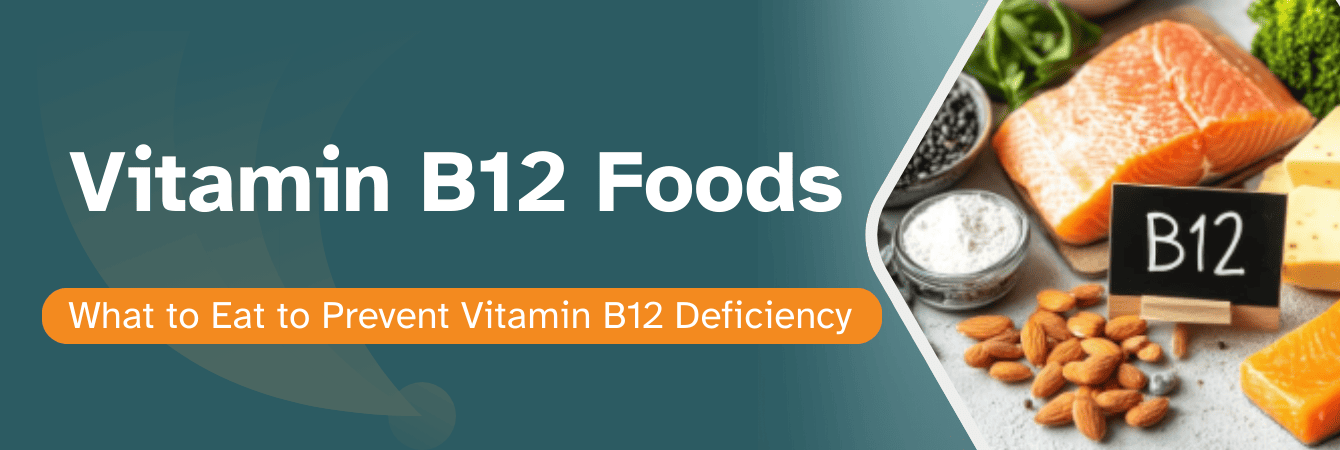
Vitamin B12 is mostly found in animal-based foods, but vegetarians can get it from fortified foods and certain dairy products. Non-vegetarians have a wider range of natural sources like fish, meat, and eggs.
Vegetarian Sources of Vitamin B12
Since plants don’t naturally produce B12, vegetarians rely on fortified foods and dairy products:
Fortified cereals – Many breakfast cereals are enriched with B12.
Fortified plant-based milk – Soy, almond, and oat milk often have added B12.
Fortified nutritional yeast – A popular vegan-friendly source of B12.
Dairy products – Milk, yogurt, and cheese contain moderate amounts.
Paneer (cottage cheese) – Common in Indian diets, provides some B12.
Fortified tofu/soy products – Some brands enrich tofu with B12.
Mushrooms (limited) – Certain varieties like shiitake may contain trace amounts, but not reliable alone.
Non-Vegetarian Sources of Vitamin B12
Animal-based foods are the richest natural sources:
Fish – Salmon, tuna, trout, sardines, and mackerel are excellent sources.
Shellfish – Clams, crab, and shrimp are very high in B12.
Meat – Beef, chicken, and lamb provide significant amounts.
Liver and kidney (organ meats) – Extremely rich in B12.
Eggs – Especially the yolk.
Dairy (shared with vegetarians) – Milk, cheese, and yogurt.
How to Increase Vitamin B12 Levels Naturally
If your vitamin B12 levels are low, you can improve them by:
- Eating B12-rich foods daily
- Including fortified foods in your diet
- Avoiding excessive alcohol consumption
- Maintaining a balanced diet
In severe cases, doctors may recommend:
- Vitamin B12 supplements
- Vitamin B12 injections
Maintaining adequate vitamin B12 levels is essential for overall health, energy, and brain function. Including the right vitamin B12 foods in your diet can help prevent deficiency and improve your quality of life.
Whether you follow a vegetarian or non-vegetarian diet, understanding your sources of vitamin B12 is the key to long-term wellness.
🩺 When Should You Consult a Doctor about Vitamin B12 Deficiency?
If you experience symptoms like fatigue, weakness, or nerve-related issues, it’s important to consult a healthcare professional.
Early diagnosis can help prevent serious complications.
FAQs on Vitamin B12 Foods & Deficiency
The best sources include fish, meat, eggs, dairy products, and fortified cereals.
Only fortified foods contain vitamin B12. Natural plant foods do not.
With proper treatment, levels can improve within a few weeks to months.
Common symptoms include tiredness, weakness, pale skin, numbness in hands or feet, memory issues, and mood changes.
To prevent deficiency, include seafood, eggs, dairy products, fortified cereals, and fortified plant-based milk in your diet.
Recent Post
No Content Available