Category: Blogs

  • Neck Pain: 5 Common Causes and Neck Pain Treatment Options

    Neck Pain: 5 Common Causes and Neck Pain Treatment Options

    Neck Pain: 5 Common Causes and Neck Pain Treatment Options

    Neck Pain 5 Common Causes and Neck Pain Treatment Options

    How Neck Pain is occurs?

    Neck pain typically arises in the cervical spine, which consists of seven small vertebrae supporting the head and enabling movement. These vertebrae are surrounded by muscles, ligaments, and nerves—all of which can be affected by injury, strain, or wear and tear. Neck pain may stay localized or radiate to the shoulders, arms, or even upper back, depending on the cause. Because the neck is both mobile and responsible for bearing the weight of your head, it’s especially vulnerable to stress and injury. hether it’s a dull ache or a sharp, stabbing sensation, neck discomfort makes simple activities like turning your head or working at your desk feel like a chore.

    5 Common Causes of Neck Pain

    1. Poor Posture

    Let’s face it—we’re all guilty of slouching. Whether it’s staring down at our phones, working long hours at a computer, or binge-watching Netflix, poor posture is now a leading cause of chronic neck pain. The human head weighs roughly 10 to 12 pounds, but when you tilt it forward, the pressure on the neck increases dramatically—up to 60 pounds! That kind of strain over time can lead to “text neck,” a modern-day syndrome where bad posture causes muscle fatigue, joint strain, and even disc problems.

    If you notice pain at the base of your skull or upper shoulders after screen time, chances are posture is the culprit. Correcting it through ergonomics and regular movement can be a game-changer.

    How it happens:

    • Slouching weakens neck support muscles

    • Head leaning forward shifts weight and pressure

    • Over time, this becomes chronic and painful

    2. Muscle Strain

    Muscle strain is one of the most common and straightforward causes of neck pain. It usually results from overuse or awkward positioning. Think about sleeping in a strange position, holding your phone between your ear and shoulder, or even carrying a heavy bag on one side. These activities can overwork certain muscles and cause them to tighten or spasm.

    Even something as simple as emotional stress can trigger muscle tension. You might not even realize you’re clenching your neck and shoulder muscles until they start to hurt. Unlike more serious injuries, muscle strains usually resolve with rest and gentle stretching, but recurring strains should be taken seriously to prevent long-term damage.

    Common triggers:

    • Sleeping without neck support

    • Repetitive motion or lifting

    • Spending too long in one position

    3. Herniated or Bulging Discs

    Between each vertebra in your spine is a small disc filled with gel-like material. These discs act as cushions and help absorb shock. But sometimes, due to injury or degeneration, these discs can bulge or rupture—pressing on nearby nerves and causing pain.

    When this happens in the neck, it can lead to cervical radiculopathy, where pain radiates from the neck down into the shoulders, arms, or hands. You might also experience tingling, numbness, or weakness. Herniated discs can be caused by trauma, aging, or even poor posture over time. Treatment often includes physical therapy, medications, and in severe cases, surgical intervention.

    Symptoms include:

    • Radiating pain into shoulders or arms

    • Numbness or weakness in limbs

    • Pain that worsens with movement

    4. Degenerative Disc Disease

    As we age, our spinal discs naturally begin to dry out and lose flexibility. This is called degenerative disc disease, and it’s a leading cause of chronic neck pain in older adults. Over time, the lack of cushioning between vertebrae can lead to inflammation, bone spurs, and nerve compression.

    People with this condition often experience a constant, dull ache in the neck that flares up during activity or after prolonged sitting. While degenerative disc disease is technically a natural part of aging, certain lifestyle factors—like smoking, poor posture, or lack of exercise—can accelerate the process. Managing this condition often requires a multi-pronged approach, including physical therapy, medication, and lifestyle changes.

    Why it happens:

    • Loss of disc fluid and elasticity

    • Bones rubbing together

    • Formation of bone spurs

    5. Injuries and Accidents

    Neck injuries from car accidents, falls, or sports activities can cause sudden and severe neck pain. One of the most well-known injuries is whiplash, which occurs when the head is forcefully whipped forward and then backward, straining the soft tissues in the neck. Symptoms may not appear right away and can include neck stiffness, headaches, dizziness, and fatigue.

    • Pain that appears hours or days after injury

    • Limited neck movement

    • Headaches and dizziness

    Other Contributing Factors

    While these five are the big ones, neck pain can also be caused by:

    • Stress and anxiety – which tighten your muscles

    • Health conditions – like arthritis or infections

    • Obesity – extra weight strains the spine

    Neck Pain Treatment Options

    1. Home Remedies

    The first step in treating mild neck pain is usually self-care. Apply ice packs during the first 48 hours to reduce inflammation. After that, switch to heat to loosen stiff muscles. Gentle neck stretches and light movements can help prevent stiffness from setting in.

    It’s crucial to avoid bed rest for extended periods. While it may seem like the best way to heal, lying still for too long can actually slow recovery and cause muscles to weaken.

    2. Physical Therapy

    Physical therapists can teach you specific exercises to strengthen the neck, improve posture, and reduce pain. They may also use techniques like ultrasound, electrical stimulation, or manual therapy to improve mobility.

    Consistent physical therapy is especially effective for posture-related pain or recovery from injuries like whiplash. Over time, you’ll not only heal but also learn how to prevent future issues.

    3. Medications

    Over-the-counter pain relievers like ibuprofen or acetaminophen are often the first line of defense. For more severe pain, doctors may prescribe muscle relaxants, anti-inflammatory medications, or even short courses of opioids (although these are rarely used long-term due to side effects and addiction risk).

    Topical creams with menthol or capsaicin can also provide localized relief.

    4. Chiropractic Care

    Chiropractors perform spinal adjustments that help realign your vertebrae, relieving pressure on nerves and improving overall function. While some people swear by it, others may not benefit—especially those with severe disc issues or spinal instability.

    If you choose chiropractic care, make sure to go to a certified, experienced professional who understands your medical history.

    5. Massage Therapy

    Massage is excellent for relieving tension in the neck and shoulders. It increases blood flow, reduces muscle stiffness, and helps you relax. Regular sessions can be especially helpful for stress-related or posture-induced neck pain.

    However, massage isn’t recommended if you have an active injury like a herniated disc or spinal instability. Always consult with a healthcare provider before starting treatment.

    Lifestyle Tips for Preventing Neck Pain

    Prevention is just as important as treatment. Here are simple yet effective habits to reduce your risk:

    • Adjust your workstation so your screen is at eye level

    • Use a supportive pillow that keeps your neck aligned

    • Take frequent breaks from sitting or screen time

    • Stretch your neck and shoulders daily

    • Exercise regularly to maintain muscle strength and flexibility

    These habits may seem small, but they add up in a big way over time.

    🩺 Struggling with Neck, Neuro, or Spine Pain? We’re Here to Help!

    Don’t let pain hold you back from living your best life. At Abrol Hospital, Gurdaspur, our experienced team of neurologists, spine specialists, and orthopedic experts offers personalized care using advanced diagnostic tools and effective treatment options.

    ✅ Comprehensive Neck, Neuro & Spine Care
    ✅ Expert Consultations & Accurate Diagnosis
    ✅ Latest Non-Surgical & Surgical Treatments

    Neck Pain Causes and Neck Pain Treatment Options

    FAQs About Neck Pain Causes & Treatment Options

    If your pain doesn’t improve after a week, or if it radiates to your arms or legs, comes with numbness, or follows an accident—see a doctor immediately.

    Absolutely. Emotional stress tightens your muscles, especially around your neck and shoulders. Over time, this tension can lead to chronic pain.

    For quick relief, try ice or heat packs, OTC pain relievers, gentle stretching, and rest. Avoid heavy lifting or sudden movements.

    They can be, when performed by a licensed chiropractor. However, they’re not suitable for everyone, especially those with spinal instability or disc issues.


    Recent Post

    Book Appointment

  • विटामिन बी12 की कमी के लक्षण, कारण और उपचार

    विटामिन बी12 की कमी के लक्षण, कारण और उपचार

    विटामिन बी12 की कमी के लक्षण, कारण और उपचार

    विटामिन बी12 की कमी लक्षण, कारण और उपचार

    विटामिन बी12 की कमी

    विटामिन बी12 की कमी तब होती है जब शरीर को पर्याप्त मात्रा में यह ज़रूरी पोषक तत्व नहीं मिल पाता या फिर शरीर इसे सही ढंग से अवशोषित नहीं कर पाता। यह कमी धीरे-धीरे विकसित होती है और लंबे समय तक पता नहीं चल पाता। बी12 की कमी से खून की कमी (एनीमिया), तंत्रिका तंत्र की समस्या और मानसिक स्वास्थ्य पर नकारात्मक असर पड़ सकता है। आज की भागदौड़ भरी जिंदगी में संतुलित आहार लेना हम अक्सर भूल जाते हैं। इसी कारण कई बार शरीर में जरूरी पोषक तत्वों की कमी हो जाती है। उन्हीं में से एक है विटामिन बी12 (Vitamin B12)। यह विटामिन हमारे शरीर के लिए उतना ही जरूरी है जितना कार के लिए ईंधन। अगर यह कमी हो जाए तो शरीर धीरे-धीरे कई समस्याओं का घर बन जाता है।

    विटामिन बी12 की कमी क्यों होती है?

    बी12 की कमी के पीछे कई कारण हो सकते हैं। सबसे बड़ा कारण आहार संबंधी कमी है, खासकर उन लोगों में जो शाकाहारी या वीगन डाइट लेते हैं। इसके अलावा पाचन तंत्र की समस्याएं जैसे – गैस्ट्रिक बायपास सर्जरी, क्रोहन डिज़ीज़, या पेट में एसिड का कम बनना भी इसकी वजह हो सकते हैं।

    एक और कारण है दवाइयों का लगातार सेवन, जैसे डायबिटीज की दवा (मेटफॉर्मिन) या एंटासिड्स। साथ ही, शराब और धूम्रपान की आदतें भी शरीर की अवशोषण क्षमता को प्रभावित करती हैं, जिससे बी12 की कमी होने लगती है।

    विटामिन बी12 की कमी का कारण

    विटामिन बी12 की कमी मुख्य रूप से इन कारणों से होती है:

    1. खानपान की कमी – पशु-आधारित भोजन न लेना।

    2. अवशोषण की समस्या – आंत और पेट की बीमारी।

    3. उम्र का बढ़ना – बुजुर्गों में पाचन क्षमता कमजोर होना।

    4. दवाइयों का असर – खासकर एंटासिड और डायबिटीज की दवाइयां।

    5. जीवनशैली की आदतें – शराब, धूम्रपान और असंतुलित आहार।

    विटामिन बी12 की कमी से क्या होता है?

    जब शरीर में विटामिन बी12 की मात्रा कम हो जाती है, तो सबसे पहले असर खून पर पड़ता है। लाल रक्त कोशिकाओं की संख्या घटने लगती है, जिससे एनीमिया हो जाता है। इससे शरीर को पर्याप्त ऑक्सीजन नहीं मिल पाती और व्यक्ति हमेशा थका हुआ और कमजोर महसूस करता है।

    इसके अलावा, तंत्रिका तंत्र भी प्रभावित होता है। हाथ-पैरों में झुनझुनी, सुन्नपन, संतुलन बिगड़ना, और भूलने की समस्या बढ़ सकती है। लंबे समय तक कमी रहने पर मानसिक रोग जैसे डिमेंशिया और डिप्रेशन का खतरा भी बढ़ जाता है।

    विटामिन बी12 की कमी के लक्षण

    शारीरिक लक्षण

    • लगातार थकान रहना, चाहे नींद पूरी क्यों न हो।

    • हल्की गतिविधि में भी सांस फूलना।

    • चक्कर आना या कमजोरी महसूस होना।

    • हाथ-पैरों में झुनझुनी या सुन्नपन रहना।

    मानसिक लक्षण

    • भूलने की समस्या बढ़ जाना।
    • डिप्रेशन और मूड स्विंग्स।
    • ध्यान केंद्रित करने में कठिनाई।
    • बेचैनी और चिड़चिड़ापन।

    दीर्घकालिक असर

    अगर लंबे समय तक विटामिन बी12 की कमी बनी रहे तो तंत्रिका तंत्र को स्थायी नुकसान हो सकता है। इससे चलने-फिरने में दिक्कत, हाथ-पैरों की पकड़ कमजोर होना और गंभीर मानसिक रोग जैसे डिमेंशिया तक हो सकते हैं।

    विटामिन बी12 की कमी से होने वाले रोग

    1. पर्निशियस एनीमिया (Pernicious Anemia) – यह खून की गंभीर समस्या है जिसमें शरीर पर्याप्त स्वस्थ लाल रक्त कोशिकाएं नहीं बना पाता।

    2. न्यूरोपैथी (Neuropathy) – नसों को नुकसान होना जिससे सुन्नपन और दर्द होता है।

    3. डिमेंशिया (Dementia) – याददाश्त की कमी और दिमागी कार्यों में गिरावट।

    4. दिल की बीमारियां – बी12 की कमी से होमोसिस्टीन का स्तर बढ़ता है जो हार्ट डिजीज का खतरा बढ़ाता है।

    5. थकान और क्रॉनिक फटीग सिंड्रोम – हमेशा कमजोरी महसूस होना।

    🩺 क्या आप विटामिन बी12 की कमी या उससे जुड़ी बीमारियों से परेशान हैं?

    विटामिन बी12 की कमी को नजरअंदाज करना खतरनाक हो सकता है। यह धीरे-धीरे शरीर को अंदर से कमजोर कर देता है। सही आहार, समय पर जांच और डॉक्टर की सलाह से आप इस कमी से बच सकते हैं। याद रखिए, स्वास्थ्य ही सबसे बड़ी पूंजी है, और विटामिन बी12 उसका अहम हिस्सा है।

    आज ही हमारे गुरदासपुर स्थित विशेषज्ञ डॉक्टर से परामर्श करें और विटामिन बी12 की कमी का सही उपचार पाएं।

    📞 अभी कॉल करें या अपॉइंटमेंट बुक करें और अपने स्वास्थ्य की देखभाल करें।

    विटामिन बी12 की कमी vitamin b12 deficiency Vitamin B12 foods

    FAQs About विटामिन बी12 की कमी के लक्षण

    थकान, चक्कर आना और हाथ-पैरों में झुनझुनी इसके शुरुआती लक्षण हैं।

    गंभीर कमी में इंजेक्शन जल्दी असर दिखाते हैं।

    बच्चों में यह कमी विकास रुकने, कमजोरी और ध्यान की समस्या का कारण बन सकती है।

    No. Most cases are due to diet, malabsorption, or autoimmune conditions like pernicious anemia. However, persistent deficiency with red-flag symptoms (weight loss, stomach pain, anemia unresponsive to treatment) should be investigated for possible cancer.

    Recent Post

    Book Appointment

  • Heart Health: Guide to Keeping Your Heart Strong on Heart Day

    Heart Health: Guide to Keeping Your Heart Strong on Heart Day

    Heart Health: Guide to Keeping Your Heart Strong on Heart Day

    Know About Heart Health Keep Your Heart Strong on Heart Day

    World Heart Day is a global initiative aimed at raising awareness about cardiovascular diseases, which remain the leading cause of death worldwide. Our heart is a vital organ, tirelessly pumping blood and oxygen to sustain life. Despite its critical role, heart disease affects millions, but much of it can be prevented through education and healthy lifestyle choices.

    Why is Heart Health Important?

    The heart is often described as the engine of the body. It works continuously, about 100,000 times a day, to pump blood through a complex network of arteries and veins. This circulation delivers oxygen and essential nutrients to every cell, enabling our organs to function correctly. When the heart is healthy, it supports overall vitality, physical stamina, and mental clarity. However, if heart health declines, the consequences can be severe, leading to diminished quality of life or even fatal outcomes. Maintaining a healthy heart is therefore fundamental not only for longevity but also for day-to-day wellness.

    Common Heart Diseases to Know

    Understanding the types of heart diseases helps in recognizing symptoms early and seeking timely care.

    • Coronary Artery Disease (CAD): This condition occurs when the coronary arteries, which supply blood to the heart muscle, become narrowed or blocked by plaque deposits made up of fat, cholesterol, and other substances. This buildup restricts blood flow, leading to chest pain (angina) and increasing the risk of heart attacks. CAD is the most prevalent heart disease and a major contributor to heart attacks globally.

    • Heart Attack (Myocardial Infarction): A heart attack happens when blood flow to a part of the heart is suddenly blocked, typically by a blood clot. This interruption causes damage or death to part of the heart muscle. Symptoms often include severe chest pain, shortness of breath, sweating, and nausea. Immediate medical attention is crucial to minimize damage and improve survival.

    • Heart Failure: Unlike a heart attack, heart failure refers to the heart’s inability to pump blood efficiently. This can result from conditions like high blood pressure, CAD, or previous heart attacks. Symptoms include fatigue, shortness of breath, swelling in the legs, and persistent coughing or wheezing. Managing heart failure involves medications, lifestyle changes, and sometimes medical devices.

    • Arrhythmias: These are irregular heart rhythms that can be too fast (tachycardia), too slow (bradycardia), or erratic. While some arrhythmias are harmless, others can lead to dizziness, fainting, or stroke if not treated. Common types include atrial fibrillation, which increases stroke risk and requires careful management.

    Risk Factors for Heart Disease

    • Unhealthy Diet: High intake of saturated fats, trans fats, and excessive salt can increase cholesterol and blood pressure.

    • Physical Inactivity: Lack of exercise contributes to obesity, high blood pressure, and poor cardiovascular health.

    • Smoking: Damages blood vessels and reduces oxygen in the blood.

    • High Blood Pressure & Diabetes: Both conditions strain the heart and blood vessels.

    • Stress: Chronic stress can increase heart rate and blood pressure.

    • Family History: Genetics can play a role in your heart disease risk.

    How to Keep Your Heart Healthy

    • Eat a Heart-Friendly Diet: Focus on fruits, vegetables, whole grains, lean proteins, and healthy fats like those found in nuts, seeds, and fish. Limit processed foods and sugary drinks.
    • Stay Active: Aim for at least 150 minutes of moderate-intensity aerobic exercise each week, such as walking, cycling, or swimming.
    • Avoid Tobacco: Quitting smoking and avoiding secondhand smoke significantly reduce heart disease risk.
    • Manage Stress: Practice relaxation techniques such as meditation, yoga, or deep breathing exercises.
    • Monitor Your Health: Regularly check your blood pressure, cholesterol levels, and blood sugar, and follow your doctor’s advice.
    • Maintain a Healthy Weight: Excess weight strains the heart and increases the risk of heart disease.

    Heart Day – Take Control of Your Heart Health Today!

    World Heart Day is more than just a date on the calendar—it’s a call to action. Whether it’s taking a brisk walk, eating a colorful salad, or educating loved ones about heart health, small steps can lead to big changes.

    If you or your loved ones are concerned about heart health or want to learn more about prevention and treatment, don’t wait—consult the experts at best hospital in Gurdaspur. Our experienced cardiologists are dedicated to providing comprehensive care, personalized treatment plans, and heart health awareness to help you live a healthier, longer life.

    Book your appointment today and take the first step towards a stronger heart!

    Heart Health - Heart Strong on Heart Day
    FAQs (Frequently Asked Questions)

    Adopt a healthy diet, exercise regularly, quit smoking, manage stress, and follow your doctor’s advice.

    Eat well, stay active, avoid tobacco, control blood pressure and cholesterol, and get regular check-ups.

    Lower risk factors like high blood pressure and cholesterol through lifestyle changes and medical care.

    Leafy greens, berries, fatty fish, nuts, whole grains, and healthy fats like olive oil.

    Quit smoking, reduce salt, start walking, and practice stress relief techniques.

    Recent Post

    Book Appointment

  • Expert Appendix Removal Surgery in Punjab

    Expert Appendix Removal Surgery in Punjab

    Expert Appendix Removal Surgery in Punjab (Appendicitis)

    Expert Appendix Removal Surgery in Punjab (Appendicitis)

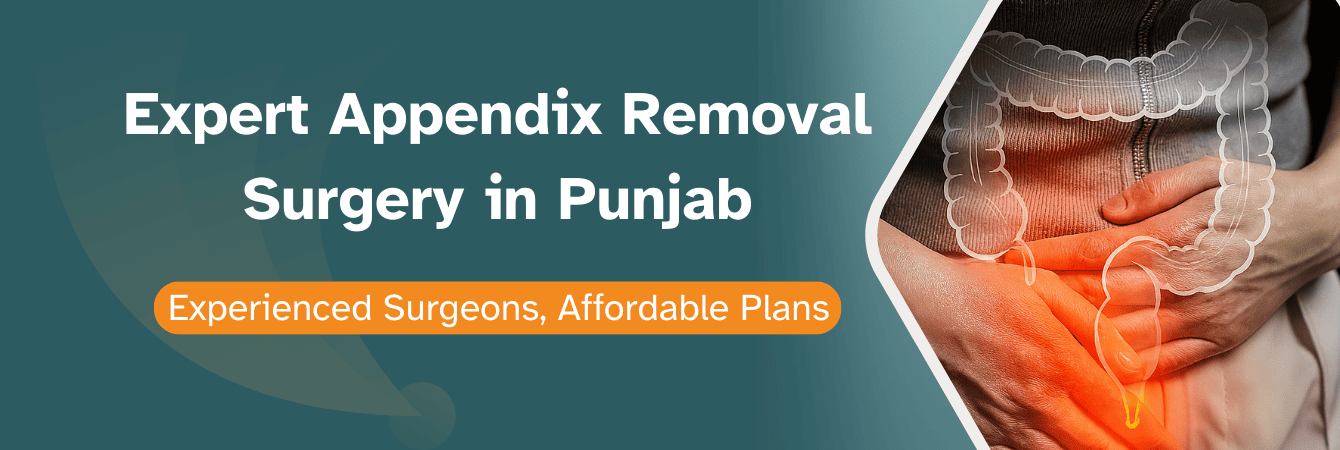
    The appendix might be a tiny, finger-shaped pouch located in the lower right abdomen, but when it becomes inflamed, it can cause a medical emergency known as appendicitis. This small organ, technically called the vermiform appendix, measures only about 3-4 inches long and extends from the cecum, the first part of the large intestine.

    What is an Appendectomy?

    An appendectomy is the surgical procedure to remove the inflamed appendix. It is the definitive treatment for appendicitis. Once removed, the appendix does not regenerate, and most people live entirely normally without it. Because leaving a diseased appendix risks rupture and infection, this surgery is almost always recommended.

    Appendix pain typically starts near the belly button and shifts to the lower right side of the abdomen. It’s often sharp and increases with movement. Other signs include:

    • Nausea or vomiting

    • Loss of appetite

    • Fever

    • Constipation or diarrhea

    • Abdominal bloating
      If these symptoms occur together, especially with worsening pain, seek immediate medical help.

    Types of Appendix Removal Surgery

    Open Appendectomy

    This older, traditional method involves one incision (often 2–4 inches) in the lower right portion of the abdomen. The surgeon reaches the appendix directly, removes it, cleans the area (especially if rupture or infection is present), and closes the layers of tissue. Open surgery may be favored in complicated cases—e.g. ruptured appendix, heavy infection, or when there are adhesions from previous surgeries.

    Laparoscopic Appendectomy

    In this minimally invasive approach, the surgeon makes two or three small “keyhole” incisions. A laparoscope (a thin tube with a camera) is inserted, which provides a video view of the internal abdomen. Specialized instruments are then used to remove the appendix. The incisions are closed with small sutures or surgical glue. Laparoscopy is often preferred because it leads to less pain, smaller scars, quicker recovery, and lower risk of wound infection.

    Benefits of Laparoscopic Surgery

    Laparoscopic surgery offers multiple advantages: smaller wounds that heal faster and leave minimal scarring; reduced post‑operative pain; shorter hospital stays; quicker return to daily life; and lower chances of wound infection or hernia formation. Especially if done early (before rupture), laparoscopy often is safer and more comfortable for patients.

    Step‑by‑Step Process of Appendix Removal – The Surgery Procedure

    Under general anesthesia, the surgeon makes the required incisions (small for laparoscopy or larger for open). In laparoscopic surgery, one port carries the camera and others for surgical tools. The appendix is identified, the blood vessels supplying it are tied or sealed, and the appendix is cut away from the cecum (the start of the large intestine). If there is infection or rupture, the abdominal cavity may be irrigated (washed) to remove contaminants or pus. Finally, the incisions are closed in layers, drains may be placed if needed, and sterile dressings applied.

    Recovery After Appendix Surgery

    Post‑Surgery Care at Home
    Once discharged, rest is essential. Take all prescribed medications (pain relievers, antibiotics). Keep the surgical site clean and dry as advised. Slowly resume light meals—beginning with soft, bland foods. Avoid lifting heavy objects or straining the abdominal area. Walk gently to promote circulation and avoid forming clots, but do so gradually.

    How Long is the Recovery Period?

    Recovery time depends on surgical method and individual health. For laparoscopic appendectomy, many patients feel well within 1 to 2 weeks. For open surgery, full recovery often takes 2 to 4 weeks—or longer if complications occurred. Healing pace depends on age, nutrition, general health, and adherence to postoperative instructions.


    Why Choose Abrol Hospital for Appendix Removal Surgery in Punjab

    Expert Surgeons and Advanced Equipment

    At Abrol Hospital, we pride ourselves on having skilled surgical doctor’s teams proficient in both laparoscopic and open appendectomy techniques. Our operating theatres are equipped with the latest laparoscopy instruments, high-definition cameras, and sterile environments. This enables precision, safety, and efficiency during surgery.

    Patient‑Centric Approach

    We believe in putting the patient first—guiding you from diagnosis through discharge with empathy. Our staff ensures clear communication about risks, benefits, expectations, and recovery. We coordinate preoperative tests, assist with insurance paperwork, and provide continuous monitoring and care throughout your hospital stay.

    Affordable, Transparent Pricing & Insurance Plans

    At Abrol Hospital, transparency is key. We offer clear, itemized cost estimates before surgery—covering diagnostics, surgeon fees, operating theatre costs, medicines, and postoperative care. We strive to make surgical care accessible without hidden “surprise” charges. Many patients in Punjab find our package pricing competitive for quality service.

    🩺 Take Control of Your Health – Consult Expert Doctor for Pneumonia Treatment Today

    If you or your loved one is experiencing signs of appendicitis—don’t wait for it to become an emergency. The sooner you act, the safer the outcome.

    At Abrol Hospital, we combine medical expertise, compassionate care, and advanced surgical technology to provide the safest and most effective appendix removal surgery in Punjab. Whether it’s a simple case of appendicitis or a more complex condition requiring urgent care, our experienced team is ready to guide you every step of the way—from diagnosis to full recovery.

    • Experienced Surgeons
    • Advanced Laparoscopic Surgery
    • Affordable & Transparent Packages
    • Insurance Support from Start to Finish
    • 24/7 Emergency Admission

    Appendix removal Surgery in punjab
    FAQs (Frequently Asked Questions)

    The main reason for appendix issues, especially appendicitis, is a blockage in the appendix. This blockage can be caused by hardened stool, a foreign object, or infection, leading to inflammation. Once blocked, bacteria multiply rapidly, causing swelling and pain—and in severe cases, rupture.

    Appendix surgery is done under general anesthesia, so you won’t feel pain during the procedure. After surgery, mild discomfort or soreness is common but is easily managed with medication. Laparoscopic surgery typically leads to faster and less painful recovery.

    Yes, you can live a completely normal life without your appendix. The appendix does not serve any essential function in modern human health, so removing it has no long-term health consequences.

    After surgery, avoid:

    • Spicy and oily foods

    • High-fat or fried items

    • Alcohol and caffeine

    • Hard-to-digest foods like red meat
      Start with soft, bland foods like porridge, soup, or boiled vegetables, and reintroduce normal foods gradually.

    Recent Post

    Book Appointment

  • Understanding Pneumonia: Causes, Symptoms, and Prevention

    Understanding Pneumonia: Causes, Symptoms, and Prevention

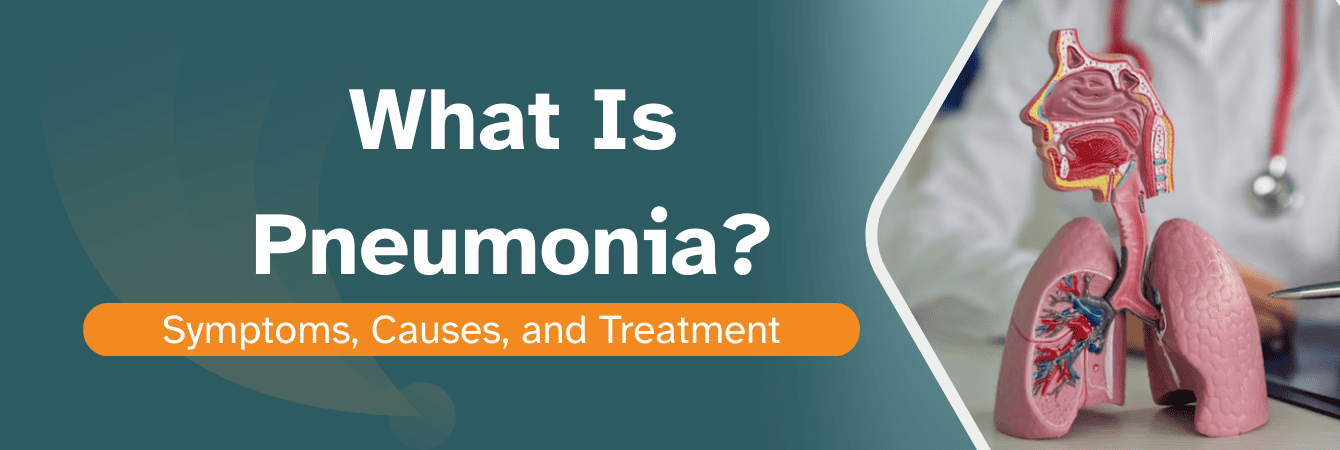
    What Is Pneumonia? Symptoms, Causes, and Treatment

    What Is Pneumonia Symptoms, Causes, and Treatment

    Pneumonia is a lung infection from bacteria, viruses, or fungi that causes inflammation, breathing difficulty, fever, and other flu-like symptoms. It cause infection that inflames the air sacs in one or both lungs. These air sacs, or alveoli, may fill with fluid or pus, making it difficult to breathe and causing symptoms like coughing, fever, chills, and chest pain. It can range from mild to life-threatening, especially in young children, the elderly, and individuals with weakened immune systems.

    Why Is Pneumonia a Serious Health Concern?

    Despite being treatable in most cases, pneumonia is still one of the leading causes of death from infectious diseases worldwide. It’s particularly dangerous because it can escalate quickly, leading to severe complications like respiratory failure or even death if not treated promptly.

    What’s the Difference Between Viral and Bacterial Pneumonia?

    Viral and bacterial pneumonia differ in onset, symptoms, and treatment. Bacterial pneumonia strikes suddenly with high fever and mucus-producing cough, while viral pneumonia develops gradually with dry cough, fatigue, and moderate fever. Diagnosis involves blood tests, sputum cultures, and chest X-rays. Treatment varies—antibiotics for bacterial cases, antivirals and supportive care for viral ones. Recognizing the type is key to effective recovery.

    Nature of Fever, Cough, Symptoms

    • In bacterial pneumonia, fever is typically high, the cough produces thick yellow or green mucus, and the systemic symptoms are more intense.

    • In viral pneumonia, the fever may be moderate, cough is often dry (or with scant sputum), and symptoms like aches, headaches, and fatigue are more prominent.

    What Causes Pneumonia — Types and Agents

    Knowing what causes pneumonia helps us tailor both prevention and therapy. Multiple kinds of pathogens can trigger pneumonia:

    Bacterial Pneumonia

    This is one of the most common pneumonia causes. Common bacterial agents include Streptococcus pneumoniae, Haemophilus influenzae, Staphylococcus aureus, and atypical ones like Mycoplasma pneumoniae. Bacterial pneumonia often leads to more abrupt, aggressive symptoms, and tends to respond well to antibiotics if identified early.

    Viral Pneumonia

    Viruses such as influenza, respiratory syncytial virus (RSV), adenovirus, and coronaviruses (including SARS‑CoV‑2) are frequent causes of pneumonia. These often precede or predispose to bacterial coinfections.

    Fungal Pneumonia

    Fungi like Cryptococcus, Histoplasma, Aspergillus, and Pneumocystis jirovecii cause pneumonia mainly in people with severely weakened immunity (e.g. HIV, transplant recipients). The progression can be gradual but serious.

    Mycoplasma (Atypical) Pneumonia

    Mycoplasma pneumoniae causes a milder, atypical pneumonia often called “walking pneumonia.” Though symptoms are less severe, it can linger. It’s somewhere in between bacterial and viral in behavior.

    Mixed & Opportunistic Infections

    Especially in immunocompromised individuals, mixed infections (viral + bacterial + fungal) may occur. Opportunistic organisms exploit weakened defenses and cause pneumonia.

    Community‑Acquired Pneumonia (CAP)

    This is pneumonia acquired outside of healthcare settings. It’s the most common, and its cause spectrum includes typical and atypical bacteria, viruses, and fungi.

    Hospital‑Acquired Pneumonia (HAP)

    When pneumonia occurs 48 hours or more after hospital admission (and was not incubating at admission), it’s HAP. These are often more resistant to standard antibiotics and associated with more complications.

    Ventilator‑Associated Pneumonia (VAP)

    A subtype of HAP, VAP develops after mechanical ventilation (often after 48 hours). Intubation gives direct access for pathogens to the lower airway.

    Aspiration Pneumonia

    This happens when foreign material (food, liquid, vomit) is inhaled into the lungs. Its bacterial mix is often different (more anaerobic bacteria).

    These classifications address causes & types of pneumonia by their causative organisms and guide targeted pneumonia treatment.

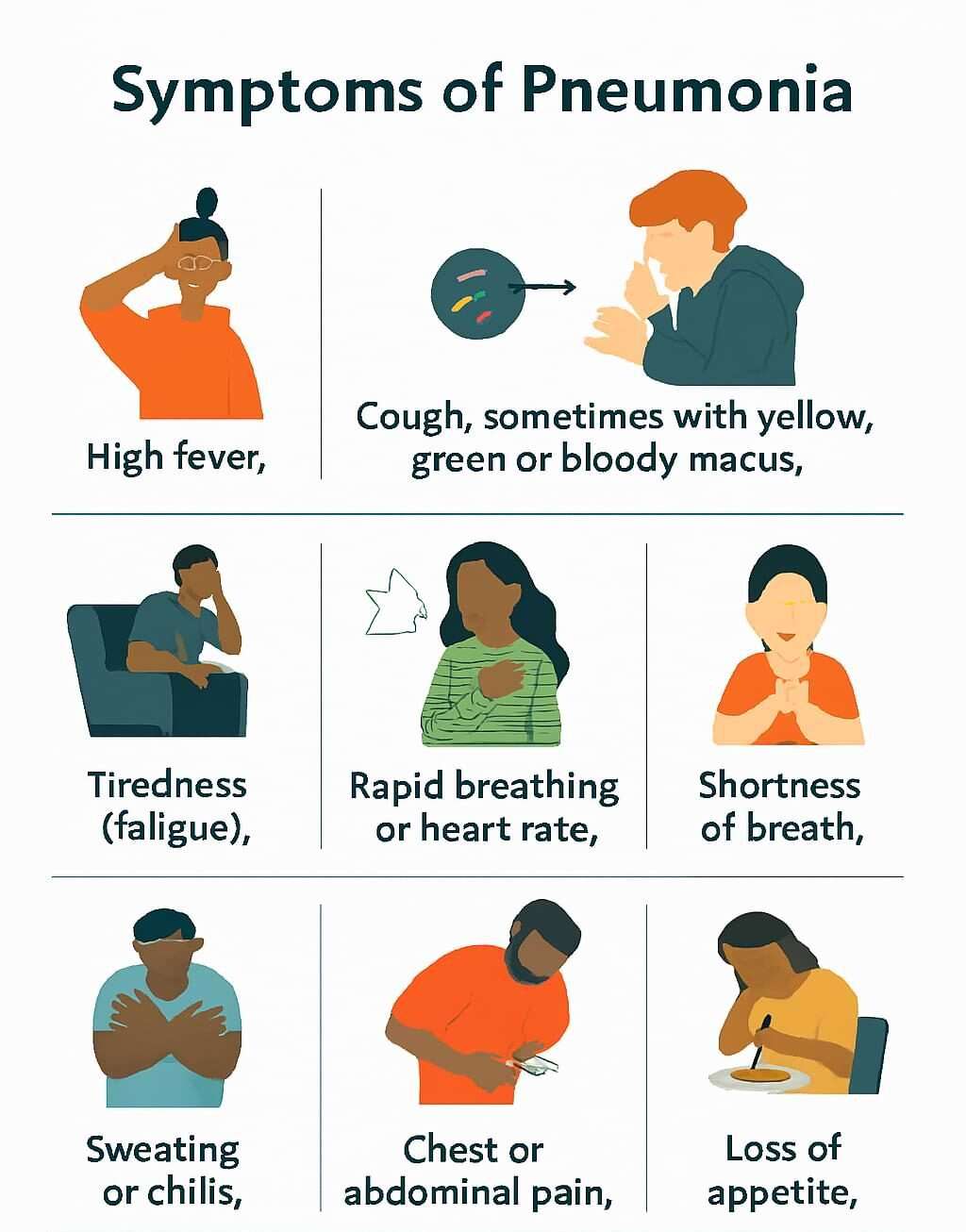
    Pneumonia Symptoms — Recognizing the Body Symptoms

    Let’s dive into pneumonia symptoms and symptoms of pneumonia, making sure you know when to worry.

    Common Pneumonia Symptoms in Adults

    • Cough: This may start dry and later become productive (with sputum), often green, yellow, or even blood‑tinged.

    • Fever and chills: Sudden onset high fever, shaking chills, sweats.

    • Chest pain: Sharp or stabbing pain when breathing deeply or coughing (pleuritic chest pain).

    • Shortness of breath: Feeling that you cannot catch your breath, especially with minimal exertion.

    • Fatigue, malaise, muscle aches: A general “hit by a truck” feeling.

    • Confusion or altered mental status: Especially in older adults.

    These are classic pneumonia symptoms and help distinguish it from a simple cold or bronchitis.

    Symptoms of Pneumonia in Children and Infants

    • Irritability, lethargy, or poor feeding (in infants).

    • Rapid, shallow breathing or grunting.

    • Chest wall retractions or using accessory muscles of breathing.

    • Bluish lips (cyanosis) or nail beds in severe cases.

    • Fever, sometimes very high or sometimes low-grade.

    Treatment & Relief Options for Pneumonia

    Oxygen Therapy

    If pneumonia causes shortness of breath or your blood oxygen levels fall below normal, oxygen therapy can offer fast and effective relief. This involves supplying extra oxygen through a nasal cannula, face mask, or mechanical ventilator, depending on severity.

    Oxygen therapy helps ensure your organs receive enough oxygen to function properly. It’s commonly used in hospitals for moderate to severe pneumonia but can also be used at home in some chronic cases. Keeping oxygen levels stable is critical for preventing complications like respiratory failure.

    Home Remedies & Supportive Care

    Supportive care plays a vital role in recovery, especially in cases of mild pneumonia being treated at home. Here are key practices that promote healing:

    • Stay well-hydrated: Drinking warm fluids helps loosen mucus in the lungs.
    • Rest and sleep: Let your body use its energy to fight the infection.

    • Use a humidifier or steam inhalation: Moist air soothes irritated lungs and helps clear mucus.

    • Nutrition: Eating foods rich in vitamin B,  A, C, D, and zinc supports the immune system.

    • Natural remedies like honey and ginger tea can calm sore throats and reduce inflammation.

    • Though these aren’t substitutes for medical treatment, they can drastically improve comfort and speed up recovery when used alongside doctor-prescribed medications.

    Pulmonary Rehabilitation & Breathing Exercises

    After the infection clears, many pneumonia patients experience lingering fatigue, weakness, or shortness of breath. That’s where pulmonary rehab and breathing exercises come in. These treatments aim to rebuild lung strength and improve overall breathing capacity.

    Some effective options include:

    Incentive spirometry: A handheld device that encourages deep breathing to reopen collapsed air sacs in the lungs.

    Pursed-lip breathing: Helps control shortness of breath by slowing down breathing.

    Chest physiotherapy: Involves gentle tapping or vibration on the chest to loosen mucus.

    🩺 Take Control of Your Health – Consult Expert Doctor for Pneumonia Treatment Today

    Neumonia is not just a common cold or seasonal flu—it’s a serious lung infection that demands timely, accurate, and effective medical care. Whether you’re experiencing persistent pneumonia symptoms, have been diagnosed recently, or are still unsure what’s causing your cough, chest pain, or fever, don’t wait for your condition to worsen.

    Our highly experienced and compassionate doctors in Gurdaspur, Punjab is here to help you or your loved ones recover safely and quickly from pneumonia—be it bacterial, viral, or fungal in nature.

    Why Choose Us?

    • Expert Diagnosis & Tailored Treatment Plans

    • Full guidance on pneumonia symptoms, cause, and types

    • Access to advanced care including antibiotics, antivirals, oxygen therapy, and home-care advice

    • Support for all age groups – from children to elderly

    symptoms of Pneumonia
    FAQs (Frequently Asked Questions)

    Recovery from pneumonia typically takes 1 to 3 weeks for mild cases, but more serious cases can take up to 6 to 8 weeks or longer—especially in older adults, smokers, or those with underlying health conditions. The duration depends on the type of pneumonia, the patient’s overall health, and how quickly treatment began. Rest, hydration, and following your prescribed pneumonia treatment plan are essential for a full recovery.

    The main cause of pneumonia is an infection that inflames the air sacs in one or both lungs. This infection can be caused by:

    • Bacteria (most common)

    • Viruses (like influenza or COVID-19)

    • Fungi (in people with weakened immune systems)

    Among bacterial causes, Streptococcus pneumoniae is the most common culprit. Identifying what causes pneumonia helps doctors provide the right treatment, whether it’s antibiotics, antivirals, or antifungals.

    Yes, certain types of pneumonia, especially viral and bacterial pneumonia, can be contagious. You can catch pneumonia through:

    • Coughing or sneezing (airborne droplets)

    • Touching contaminated surfaces

    • Close contact with an infected person

    However, not everyone who is exposed will develop pneumonia. It depends on your immune system, age, and existing health conditions. Good hygiene and vaccinations can help prevent catching pneumonia.

    Recent Post

    Book Appointment

  • I-Pill Side Effects: Impact on Pregnancy, Periods & Health Risks

    I-Pill Side Effects: Impact on Pregnancy, Periods & Health Risks

    I-Pill Side Effects: Impact on Pregnancy, Periods & Health Risks

    I-Pill Side Effects - Impact on Pregnancy, Periods & Health Risks

    The I-Pill is a widely used emergency contraceptive pill designed to help prevent pregnancy after unprotected intercourse or contraceptive failure. It’s not meant for regular birth control, but as a backup option when things don’t go as planned.

    How Does the I-Pill Work?

    The I-Pill contains levonorgestrel, a synthetic hormone that mimics progesterone, naturally found in the female body. Once taken, it works primarily in three ways:

    » Stops or delays ovulation (the release of an egg)

    » Prevents sperm from reaching the egg

    » Alters the uterine lining, making it harder for a fertilized egg to attach

    Important Note: If fertilization and implantation have already occurred, the I-Pill cannot reverse pregnancy. It’s not an abortion pill.

    Common Side Effects of the I-Pill Tablets

    Nausea and Vomiting

    Probably the most common side effect. In some women, it kicks in within an hour. If you vomit within 2 hours of taking the pill, you may need another dose.

    Headaches and Dizziness

    Mild headaches and light-headedness can occur due to hormonal imbalance. Nothing to panic about unless they persist.

    Fatigue and Breast Tenderness

    You may feel unusually tired or notice sore breasts for a few days. It’s your body adjusting to a sudden hormone overload.

    I-Pill side effects on Pregnancy

    Can You Still Get Pregnant After Taking the I-Pill?

    Yes. It reduces the chance of pregnancy but doesn’t guarantee prevention. The sooner you take it, the better your odds.

    What If You Take It While Already Pregnant?

    The I-Pill won’t harm an existing pregnancy. It doesn’t cause abortions. If you’re already pregnant, it simply won’t work.

    Misconceptions About I-Pill and Abortion

    Let’s bust the myth: The I-Pill is not an abortion pill. It prevents pregnancy — it doesn’t terminate one.

    I-Pill and Period Changes

    How the I-Pill Affects Your Menstrual Cycle

    One of the most noticeable effects of the I-Pill is its impact on your period. Since it interferes with your ovulation, it can alter the timing and flow of your next cycle. Your period might arrive earlier or later than expected, and its duration may be shorter or longer.

    Delayed or Early Periods — What’s Normal?

    A delay of up to a week is common after taking the I-Pill. On the flip side, some women may experience an earlier-than-expected period. These variations are usually temporary. However, if your period is more than 7 days late, it’s advisable to take a pregnancy test to rule out conception.

    Spotting or Bleeding Between Periods

    Some women may experience spotting or light bleeding before their next actual period. This is not a cause for concern and is a typical response to the hormone surge. It usually resolves on its own and does not indicate any long-term issues. Consult with expert doctors for personalized advice and safe guidance.

    Long-Term Health Risks

    Is It Safe to Use Frequently?

    Nope. The I-Pill is for emergency use only — not a backup for regular contraception. Taking it often can wreak havoc on your cycle and hormone balance.

    Hormonal Imbalance

    Using it frequently can disturb your natural hormonal rhythm, leading to irregular periods, mood swings, and acne flare-ups.

    Effects on Fertility

    There’s no long-term impact on fertility if used occasionally. But repeated use? It can make your cycle unpredictable, which can confuse your fertility tracking.

    FAQs (Frequently Asked Questions)

    Common side effects of the I-Pill include nausea, vomiting, headaches, fatigue, dizziness, breast tenderness, and changes in your menstrual cycle such as early or delayed periods. These effects are generally short-term and subside within a few days.

    Yes, the I-Pill can delay your period by up to a week. This is due to the high dose of hormones that can interfere with your normal ovulation cycle. If your period is more than 7 days late, take a pregnancy test.

    Taking the I-Pill multiple times in a month is not recommended. Frequent use can lead to hormonal imbalances, irregular periods, and reduced effectiveness. It’s meant for emergency use only, not as a regular birth control method.

    No, the I-Pill does not cause abortion. It works by preventing ovulation and fertilization. If you’re already pregnant, the I-Pill won’t terminate the pregnancy or harm the fetus.

    Yes, pregnancy is still possible after taking the I-Pill, especially if taken too late or during ovulation. The effectiveness is highest (up to 95%) within 24 hours of unprotected sex and decreases over time.

    If you vomit within two hours of taking the I-Pill, it may not be effective. You should consult a doctor and may need to take another dose.

    Related Post

    Book Appointment

  • Brain Eating Amoeba: Symptoms, Causes, and Prevention

    Brain Eating Amoeba: Symptoms, Causes, and Prevention

    Brain Eating Amoeba: Symptoms, Causes, and Prevention

    Brain Eating Amoeba Symptoms, Causes, and Prevention

    What is Brain Eating Amoeba?

    The brain eating amoeba, or Naegleria fowleri, is a microscopic organism that primarily lives in warm, fresh water environments like lakes, rivers, and hot springs. It’s a free-living amoeba, meaning it exists naturally in these habitats and is not typically harmful to humans—unless certain conditions align.

    When the amoeba enters the human body, typically through the nose, it travels to the brain and causes a rare, but devastating, infection known as primary amoebic meningoencephalitis (PAM). This disease progresses rapidly and can lead to brain damage and death.

    How Does Brain Eating Amoeba Infect Humans?

    The infection occurs when water containing Naegleria fowleri is introduced into the nose, often during activities like swimming, diving, or water sports in warm, stagnant freshwater. The amoeba uses the nasal passages to reach the brain, where it causes inflammation and destroys brain tissue.

    While the infection isn’t spread through drinking contaminated water, the amoeba can enter the body when water enters the nose, especially if it’s forced up during activities like diving or water sports.

    Symptoms of Brain Eating Amoeba Infection

    The early symptoms of a brain eating amoeba infection usually start within 1-9 days after exposure to the contaminated water. These symptoms are often flu-like, making early diagnosis challenging. Some common symptoms include:

    As the infection progresses, the symptoms become much more severe, including:

    • Stiff neck

    • Seizures

    • Confusion or hallucinations

    • Loss of balance and coordination

    • Coma

    The infection often leads to death within about 5 days of symptom onset, due to the rapid destruction of brain tissue. However, survival is extremely rare, and there is no guaranteed cure once the infection progresses to a critical stage.

    What Are the Causes of Brain Eating Amoeba Infection?

    The main cause of brain eating amoeba infection is exposure to warm, stagnant freshwater. This includes:

    • Lakes and rivers

    • Hot springs and geothermal areas

    • Swimming pools that are improperly maintained

    • Water-related activities in warm environments

    Increased water temperatures and low water flow rates can promote the growth of Naegleria fowleri, which is why the infection is more commonly seen in hotter climates or during the summer months.

    How to Prevent Brain Eating Amoeba Infection?

    While it’s impossible to completely eliminate the risk, there are several ways you can reduce your chances of contracting a brain eating amoeba infection:

    • Avoid water entering the nose: If you’re swimming in warm, freshwater, avoid getting water up your nose. This can be done by keeping your head above water or using nose plugs.

    • Stay out of warm, stagnant water: The amoeba thrives in hot and stagnant water, so it’s best to avoid swimming in lakes or rivers during peak heat months.

    • Keep pools properly chlorinated: Chlorine in pools helps kill most harmful organisms, including the brain eating amoeba. Proper pool maintenance is crucial.

    Conclusion

    While the brain eating amoeba is rare, it is a serious and potentially deadly infection. Understanding its causes, symptoms, and preventative measures can help protect you and your loved ones. By taking simple precautions, like avoiding water entry into the nose during swimming activities and staying away from warm, stagnant freshwater, you can greatly reduce your risk.
    Meet our Neurologists, Infectious Disease Specialists, and Emergency Care Team who are experienced in handling rare infections like brain eating amoeba.

    FAQs (Frequently Asked Questions)

    It’s a microscopic organism (Naegleria fowleri) that can cause a severe brain infection when introduced through the nose.

    It spreads when contaminated water enters the nose, usually during activities like swimming or diving in warm freshwater.

    Symptoms start with headache, fever, nausea, and vomiting before progressing to more severe symptoms like seizures and confusion.

    Avoid getting water up your nose, stay out of warm, stagnant water, and ensure pools are properly chlorinated.

    Related Post

    Book Appointment

  • Irritable Bowel Syndrome (IBS): Symptoms and Relief Options

    Irritable Bowel Syndrome (IBS): Symptoms and Relief Options

    Irritable Bowel Syndrome (IBS): Symptoms and Relief Options

    Irritable Bowel Syndrome (IBS) Symptoms

    Introduction to Irritable Bowel Syndrome (IBS)

    Irritable bowel syndrome (IBS) causes uncomfortable abdominal symptoms, including constipation, diarrhea, gas and bloating.
    Irritable Bowel Syndrome, commonly called IBS, is a digestive condition that affects millions of people worldwide. Even though it isn’t life-threatening, it has a significant impact on daily routines, eating habits, and overall quality of life. People with IBS often live with constant uncertainty—never sure when symptoms might appear. This unpredictability can lead to frustration, embarrassment, and even anxiety, making it crucial to understand the condition in depth.

    IBS can disrupt a person’s entire daily schedule. Many people with IBS hesitate to attend social gatherings, travel, or even eat out because they’re worried about sudden symptoms. Simple tasks, like commuting to work or attending a meeting, can feel overwhelming when constant trips to the bathroom or unpredictable pain are in the picture. Over time, the stress of managing IBS symptoms can take a toll on emotional health, creating a cycle where stress worsens IBS, and IBS increases stress.

    Key Points:

    • IBS affects the large intestine.

    • It doesn’t cause permanent damage but disrupts bowel functions.

    • Symptoms are unpredictable and vary in severity.

    • It significantly affects quality of life and routines.

    Common Symptoms of IBS

    IBS symptoms vary among individuals, but the most common ones include abdominal pain, bloating, constipation, diarrhea, and changes in stool consistency. Symptoms may appear together or alternate over time.

    1. Abdominal Pain and Cramping

    Abdominal pain is a core IBS symptom, caused by irregular gut contractions. These contractions may be too fast or too slow, leading to cramping or aching sensations. The pain often improves after passing stool.

    Difference from Other Stomach Conditions

    Unlike ulcers, kidney stones or gallstones, IBS pain isn’t caused by inflammation or tissue damage. It is directly linked to bowel movements and stool consistency, which helps distinguish it from other conditions.

    Key Points:

    • Pain comes from irregular gut contractions.

    • Cramping or aching is common.

    • Pain often improves after bowel movements.

    • Different from ulcers or gallbladder pain.

    2. Bloating and Gas

    Bloating is a frequent complaint in IBS. The stomach feels swollen or tight, often worsening throughout the day. Gas buildup happens because IBS alters food digestion, leading to excessive fermentation in the gut.

    Key Points:

    • Belly feels full or swollen.

    • Clothes may feel tighter by evening.

    • Excess gas results from disrupted digestion.

    • Bloating is often worse after meals.

    3. Diarrhea-Predominant IBS (IBS-D)

    Some people with IBS primarily struggle with diarrhea, known as IBS-D. Loose, watery stools and sudden urgency are common.

    Characteristics

    • Frequent bowel movements.

    • Sudden urgency to use the bathroom.

    • Loose or watery stool.

    • Risk of dehydration if severe.

    Triggers of Diarrhea in IBS

    • High-fat and spicy foods.

    • Caffeine and alcohol.

    • Stress and emotional strain.

    • Large or heavy meals.

    4. Constipation-Predominant IBS (IBS-C)

    IBS-C involves difficulty passing stool, infrequent bowel movements, and hard stools.

    Key Signs

    • Bowel movements fewer than 3 per week.

    • Hard, dry, or lumpy stool.

    • Straining while using the bathroom.

    • Lingering discomfort even after passing stool.

    Why Constipation Happens

    • Colon absorbs too much water from waste.

    • Intestinal muscles contract too slowly.

    • Digestive system becomes sluggish.

    5. Mixed Type IBS (IBS-M)

    IBS-M combines symptoms of diarrhea and constipation, making it unpredictable.

    Alternating Diarrhea and Constipation

    • Periods of diarrhea followed by constipation.

    • Unpredictable bowel habits.

    • Patients often feel out of control.

    6. Mucus in Stool

    Mucus is naturally produced by the intestines, but in IBS, it’s often more noticeable. Though not usually dangerous, it’s an important symptom to watch.

    Key Points:

    • Mucus is visible in stool.

    • It indicates intestinal irritation.

    • Harmless in IBS but should be checked if persistent.

    • Seek medical advice if accompanied by blood.

    7. Extra-Intestinal Symptoms of IBS

    IBS doesn’t just affect digestion—it impacts the whole body.

    • Fatigue – Constant tiredness, even after rest.

    • Headaches – Triggered by digestive stress and tension.

    • Sleep issues – Trouble sleeping due to discomfort or anxiety.

    Key Points:

    • IBS symptoms extend beyond the gut.

    • Fatigue, headaches, and poor sleep are common.

    • Overall quality of life is reduced.

    Treatment & Relief Options of Irritable Bowel Syndrome (IBS)

    Diet Changes

    One of the most effective approaches is following a low-FODMAP diet, which eliminates foods that are difficult to digest. Adding fiber gradually can help with constipation, while staying hydrated prevents discomfort. Keeping a food diary is often recommended to identify personal triggers.

    Stress Management

    Because stress is such a strong trigger, relaxation techniques like yoga, meditation, breathing exercises, and regular physical activity can make a big difference. Even simple routines, like consistent sleep and regular mealtimes, help reduce flare-ups.

    Medical Treatments

    Doctors may prescribe medications depending on the type of IBS. Antispasmodics help with cramping, probiotics improve gut health, and targeted medicines address diarrhea or constipation. Counseling or cognitive behavioral therapy (CBT) may also help break the cycle of stress and symptoms.

    Take Control of Your Digestive Health Today!

    If you’re struggling with symptoms of Irritable Bowel Syndrome (IBS) such as abdominal pain, bloating, diarrhea, or constipation, don’t ignore them. The right treatment and lifestyle guidance can make a world of difference.

    📍 Visit Abrol Hospital, the best hospital in Gurdaspur, where our expert doctors provide personalized care, advanced diagnostics, and effective treatments for IBS and other digestive disorders.

    📞 Book Your Consultation Today and start your journey towards a healthier, more comfortable life.

    FAQs (Frequently Asked Questions)

    The exact cause of IBS isn’t fully known, but several factors are linked to its development:

    • Abnormal gut muscle contractions

    • Increased sensitivity of the intestines

    • Imbalance of gut microbiota

    • Previous gut infections

    • Stress, anxiety, and emotional triggers

    • Hormonal Imbalance (more common in women)

    IBS symptoms in women are often similar to men but may be influenced by hormonal changes:

    • Abdominal cramping and bloating, especially before or during periods

    • Diarrhea or constipation that worsens with menstrual cycles

    • Increased fatigue and mood swings

    • Gas and discomfort after meals

    Certain foods can trigger or worsen IBS symptoms. Common culprits include:

    • Dairy products (milk, cheese, ice cream)

    • Fatty or fried foods

    • Carbonated drinks

    • Beans and lentils

    • Artificial sweeteners (sorbitol, mannitol)

    • Caffeinated beverages (coffee, energy drinks)

    • Spicy foods

    An IBS-friendly diet focuses on gentle foods that reduce bloating, gas, and bowel issues. Key diet strategies include:

    • Low-FODMAP foods (zucchini, carrots, oats, rice, bananas)

    • Lean proteins (chicken, fish, eggs)

    • Gluten-free alternatives (quinoa, rice pasta)

    • Probiotic-rich foods (yogurt, kefir, fermented vegetables)

    • Plenty of fluids (especially water and herbal teas)

    Currently, there is no permanent cure for IBS, but symptoms can be controlled effectively with long-term strategies:

    • Identifying and avoiding trigger foods

    • Following a personalized diet (often low-FODMAP)

    • Reducing stress and anxiety levels

    • Taking prescribed medications when necessary

    • Maintaining a healthy gut with probiotics

    Managing IBS naturally focuses on lifestyle and diet improvements. Helpful strategies include:

    • Eating smaller, frequent meals

    • Avoiding gas-producing foods (beans, carbonated drinks)

    • Practicing yoga, meditation, or deep breathing

    • Staying hydrated

    • Regular exercise to regulate bowel movements

    • Keeping a food diary to track triggers

    Related Post

    Book Appointment

  • What Is Diarrhea? Symptoms, Types, and Relief Options

    What Is Diarrhea? Symptoms, Types, and Relief Options

    What Is Diarrhea? Symptoms, Causes, and Relief Options

    What Is Diarrhea Symptoms

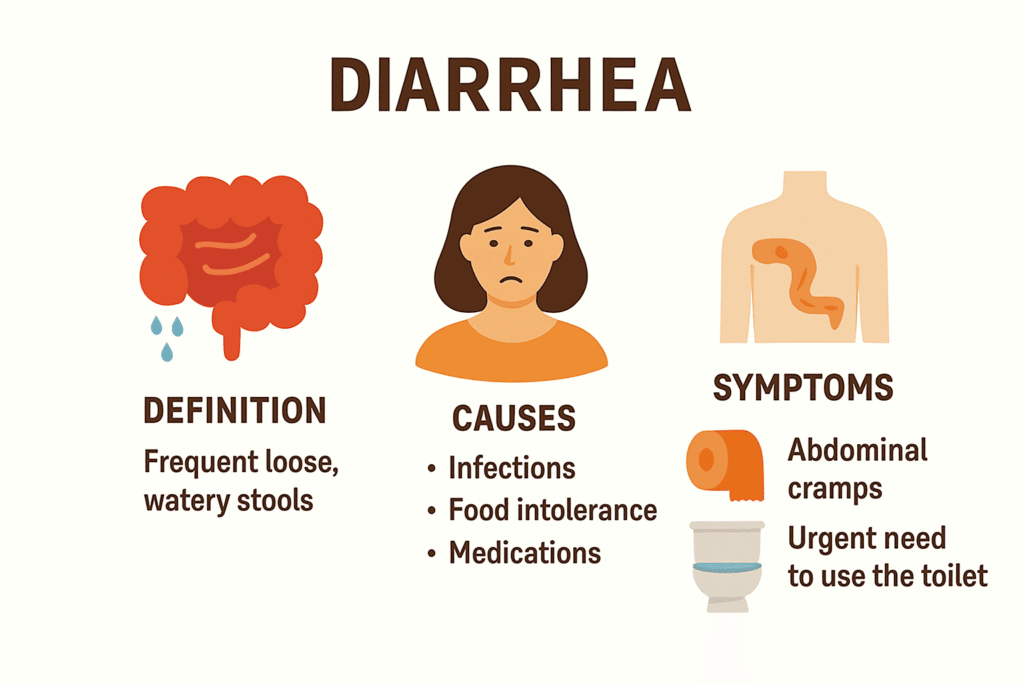
    Diarrhea is something most of us have faced, yet it always feels overwhelming when it strikes. Imagine planning your day only to be interrupted by repeated bathroom trips, stomach cramps, and weakness. While many people dismiss diarrhea as a minor inconvenience, it can actually reveal important insights about your digestive health. At times, it may simply be your body’s way of flushing out infections or toxins. But persistent diarrhea may indicate deeper medical problems like Irritable Bowel Syndrome (IBS), food poisoning, or chronic digestive disorders.

    Diarrhea Impact on Digestive Health
    The digestive system is designed to absorb nutrients and fluids from food. But when infections, irritants, or chronic conditions disrupt this process, water and electrolytes pass into the stool instead of being absorbed. This rapid movement of waste is what causes diarrhea. In other words, diarrhea is not just a symptom—it’s a sign that your digestive balance has been disturbed.

    Main Causes of Diarrhea

    1. Infections

      Viral infections: Norovirus and rotavirus are common viral causes. Rotavirus especially affects children, while norovirus spreads rapidly in groups like cruise ships or schools.

      Bacterial infections: E. coli, Salmonella, and Shigella are often found in undercooked or contaminated food.

      Parasitic infections: Giardia and Entamoeba histolytica spread through dirty water and unhygienic conditions.

    2. Food-Related Triggers

      Food poisoning: Eating spoiled or contaminated food leads to sudden diarrhea.

      Lactose intolerance: People with lactose intolerance cannot digest milk sugar, leading to bloating, cramps, and diarrhea.

      Food allergies: Certain foods trigger immune responses that irritate the gut.

    3. Medication-Induced Diarrhea

      Antibiotics: These disturb gut bacteria balance, leading to diarrhea.

      Chemotherapy drugs: Often damage intestinal lining.

      Antacids with magnesium: Speed up bowel movements.

    4. Chronic Conditions

      Irritable Bowel Syndrome (IBS): Alternating diarrhea and constipation with bloating.

      Inflammatory Bowel Disease (IBD): Includes Crohn’s disease and ulcerative colitis, both of which cause long-term diarrhea with blood and mucus.

      Celiac disease: Triggered by gluten intake, damaging the intestines.


    Symptoms of Diarrhea

    1. Frequent Loose Stools

    Passing watery stools more than three times a day is the most obvious symptom.

    2. Abdominal Cramps

    Intestinal muscles contract rapidly, causing painful abdominal cramps that accompany each bowel movement.

    3. Bloating and Gas

    Since digestion is rushed, gases build up, making the stomach feel tight and uncomfortable.

    4. Nausea and Vomiting

    Infections or food poisoning often irritate both the stomach and intestines, leading to vomiting alongside diarrhea.

    5. Dehydration Signs

    Dry mouth and lips

    Extreme thirst

    Dark, concentrated urine

    Psychosomatic Disorder

    Fatigue and dizziness

    If dehydration becomes severe, it may require medical attention or IV fluids.


    Relief and Treatment Options

    1. Hydration

    Oral Rehydration Solution (ORS) is the gold standard. It contains the right balance of salts, glucose, and water to restore electrolyte levels.

    2. Over-the-Counter Medicines

    • Loperamide (Imodium): Slows down stool movement.

    • Bismuth subsalicylate (Pepto-Bismol): Reduces stomach irritation and kills bacteria.

    3. Prescription Medications

    For bacterial infections, antibiotics may be necessary. For chronic diarrhea, treatment depends on the underlying condition.

    4. Home Remedies

    Ginger tea to soothe digestion

    Chamomile tea to reduce cramps

    Clear broths to maintain hydration

    💡 Experiencing symptoms of diarrhea? Don’t ignore it!

    At Abrol Hospital, the best hospital in  Gurdaspur, our expert doctors are here to provide safe, effective, and personalized treatment to help you recover quickly. Whether it’s mild or chronic diarrhea, timely consultation is the key to preventing complications.

    📞 Book your appointment today and consult our specialists for trusted care.

    Diarrhea causes

    FAQs (Frequently Asked Questions)

    Diarrhea can be caused by viral or bacterial infections, contaminated food or water, food intolerances (like lactose intolerance), stress, medications such as antibiotics, and digestive conditions such as irritable bowel syndrome (IBS) or inflammatory bowel disease (IBD). Identifying the cause is important for proper treatment.

    To stop diarrhea, it’s essential to stay hydrated, rest, and eat bland foods like rice, bananas, toast, and applesauce. Over-the-counter medicines such as loperamide may help in mild cases, but if diarrhea lasts more than two days or is severe, medical attention is required.

    Recovery involves rehydration, rest, and following a simple diet. Gradually introduce easily digestible foods such as rice, oatmeal, boiled potatoes, and toast. Taking probiotics may also help restore healthy gut bacteria. If diarrhea is prolonged or severe, consult a doctor.

    Treatment depends on the cause. For mild cases, rehydration and dietary adjustments are enough. For bacterial infections, antibiotics may be prescribed. Chronic or recurring diarrhea requires a doctor’s evaluation to rule out digestive disorders.

    Symptoms include frequent loose or watery stools, stomach cramps, bloating, nausea, urgent need to use the toilet, fever, and dehydration signs like dry mouth, fatigue, and dizziness.

    Sudden watery diarrhea is often caused by viral gastroenteritis (stomach flu), contaminated food or water, or food poisoning. In most cases, it lasts for a short period, but severe or persistent symptoms need medical attention.

    Related Post

    Book Appointment

  • High Cholesterol Level? Learn How to Control High Cholesterol

    High Cholesterol Level? Learn How to Control High Cholesterol

    High Cholesterol Level? Learn How to Control High Cholesterol

    How to Control High Cholesterol

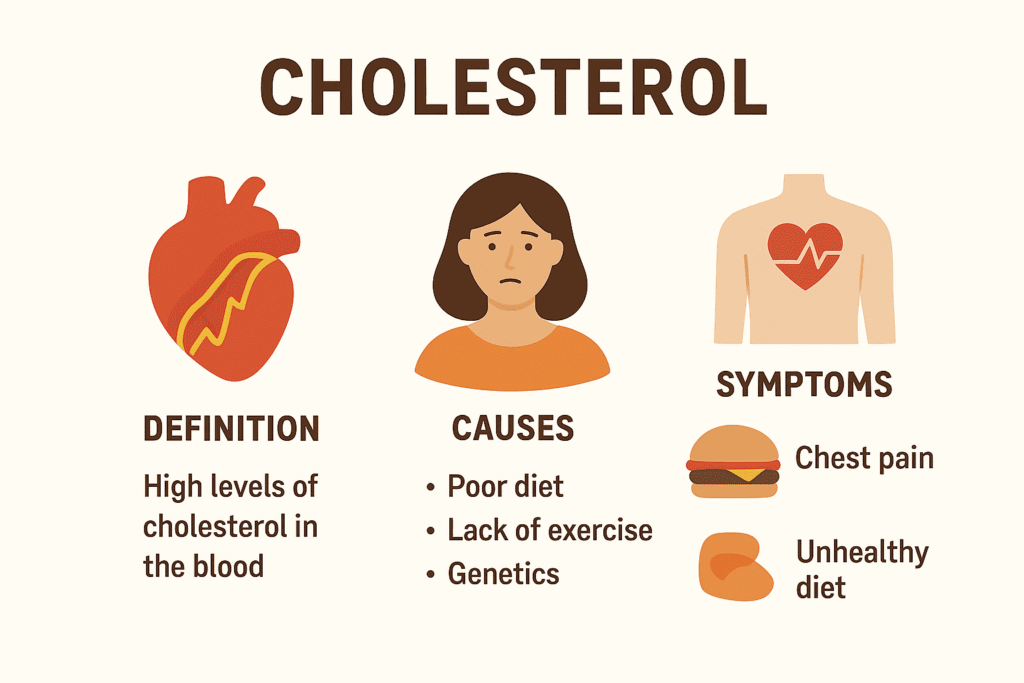
    Cholesterol is often labeled as the “silent danger” because it can slowly build up in your body without showing clear signs until it causes serious health problems like heart disease or stroke. But here’s the truth: not all cholesterol is bad. In fact, your body needs some cholesterol to build cells and hormones. The real problem begins when there’s too much of the wrong kind circulating in your bloodstream. If you’ve ever wondered how to control high cholesterol or whether you should even care about your cholesterol levels, this guide will clear everything up for you.

    Cholesterol is a waxy, fat-like substance found in every cell of your body. Your liver makes most of it, and the rest comes from the foods you eat, especially animal-based products like meat, eggs, and dairy.

    Types of Cholesterol

    There are three main types of cholesterol that matter when it comes to health:

    • LDL (Low-Density Lipoprotein): Often called the “bad cholesterol” because it can build up in artery walls, forming plaque that narrows blood vessels.

    • HDL (High-Density Lipoprotein): Known as the “good cholesterol” because it carries excess cholesterol back to the liver, where it can be broken down and removed.

    • Triglycerides: Another type of fat in the blood that, when elevated, increases your risk of heart disease.

    Role of Cholesterol in the Body

    Cholesterol is essential for producing vitamin D, certain hormones like estrogen and testosterone, and bile acids that help digest fat. So, it’s not about eliminating cholesterol but about maintaining balance.

    Causes of High Cholesterol

    Poor Diet Choices

    Eating foods high in saturated fats, trans fats, and processed sugars can spike LDL and triglycerides. Fast foods, fried snacks, and packaged desserts are common culprits.

    Lack of Physical Activity

    When you don’t move enough, your body struggles to increase HDL cholesterol, the protective kind. Sedentary lifestyles make cholesterol imbalances worse.

    Smoking and Alcohol Consumption

    Smoking lowers HDL cholesterol, while excess alcohol intake raises triglycerides. Both habits damage arteries and increase heart risks.

    Genetics and Family History

    Sometimes, high cholesterol runs in families. Known as familial hypercholesterolemia, it requires stricter medical management.

    Age and Other Health Conditions

    As you age, your metabolism slows, and cholesterol levels naturally rise. Conditions like diabetes, obesity, and thyroid issues also contribute.

    Health Risks of High Cholesterol

    Unchecked cholesterol levels are like a time bomb waiting to explode. Over time, cholesterol deposits build up in your arteries, leading to:

    • Heart disease: Plaques narrow arteries, restricting blood flow to the heart and increasing heart attack risk.

    • Stroke: A ruptured plaque can block blood supply to the brain, causing a stroke.

    • Peripheral artery disease (PAD): Cholesterol buildup in the limbs reduces blood circulation, causing pain and mobility issues.

    • High blood pressure: Narrowed arteries force the heart to pump harder, raising blood pressure levels and straining the cardiovascular system.

    Symptoms of High Cholesterol – The Silent Killer

    One of the most challenging aspects of cholesterol is that it doesn’t usually show direct symptoms. Unlike conditions such as fever or abdominal pain, high cholesterol creeps up quietly and often goes unnoticed until it causes a major health crisis. This is why it’s often called the “silent killer.”

    Why There Are No Early Symptoms

    Cholesterol itself doesn’t make you feel sick. Instead, the problems occur when cholesterol levels are high for a long time and fatty deposits (plaques) start forming inside your arteries. These plaques narrow and stiffen the arteries, a process known as atherosclerosis. This reduced blood flow can remain unnoticed for years until it reaches a critical level.

    Indirect Warning Signs

    While high cholesterol doesn’t cause clear symptoms, it can lead to health problems that may serve as warning signs:

    • Chest pain (angina): If plaques narrow the coronary arteries, you may feel tightness or pressure in the chest.

    • Shortness of breath: Reduced blood flow to the heart makes it harder for your body to get enough oxygen.

    • Pain in the legs or arms: Blockages in the arteries of the limbs can cause pain, especially while walking (known as claudication).

    • Xanthomas: In some cases, yellowish deposits of cholesterol appear under the skin, especially around the eyes, elbows, knees, or hands.

    • Sudden health events: Sometimes, the very first “symptom” of high cholesterol is a heart attack or stroke, which is why early testing is critical.

    Recommended Daily Intake of Vitamin D

    Health organizations around the world have established guidelines for Vitamin D intake, but these numbers can vary depending on age, lifestyle, and health conditions.

    • Infants (0–12 months): 400 IU (International Units) per day

    • Children and Adults (1–70 years): 600 IU per day

    • Adults over 70 years: 800 IU per day

    • Pregnant and Breastfeeding Women: 600 IU per day

    It’s important to note that these recommendations are for healthy individuals under normal conditions. People with deficiency, chronic illness, or absorption issues may require higher doses prescribed by a doctor.

    The upper safe limit for most adults is 4,000 IU per day. Consistently exceeding this level without medical supervision can lead to Vitamin D toxicity, which causes high calcium levels and kidney problems.

    Understanding Cholesterol Levels – What Your Numbers Mean

    Getting your cholesterol checked is the first step toward prevention and control. The results of your blood test give you four main numbers: total cholesterol, LDL, HDL, and triglycerides. Each one tells a different story about your heart health.

    1. Total Cholesterol

    This is the combined measure of LDL, HDL, and part of triglycerides.

    • Desirable: Less than 200 mg/dL

    • Borderline high: 200–239 mg/dL

    • High: 240 mg/dL and above

    A high total cholesterol doesn’t always mean you’re at risk, but it does signal the need to look deeper into the LDL and HDL balance.

    2. LDL Cholesterol (Bad Cholesterol)

    LDL is the main culprit behind artery-clogging plaques. Lower LDL means a lower risk of heart disease.

    • Optimal: Less than 100 mg/dL

    • Near optimal: 100–129 mg/dL

    • Borderline high: 130–159 mg/dL

    • High: 160–189 mg/dL

    • Very high: 190 mg/dL and above

    Doctors usually focus on bringing LDL down first if it’s elevated, since it’s directly linked to cardiovascular problems.

    3. HDL Cholesterol (Good Cholesterol)

    HDL works like a cleanup crew, carrying excess cholesterol away from the arteries and back to the liver. Higher HDL is protective.

    • Low (risk factor): Less than 40 mg/dL for men, less than 50 mg/dL for women

    • Acceptable: 40–59 mg/dL

    • Protective: 60 mg/dL and above

    Even if your total cholesterol is high, strong HDL levels can balance the risk.

    4. Triglycerides

    Triglycerides are a type of fat stored from unused calories, especially from sugary and high-carb diets. When combined with high LDL or low HDL, triglycerides significantly increase heart risks.

    • Normal: Less than 150 mg/dL

    • Borderline high: 150–199 mg/dL

    • High: 200–499 mg/dL

    • Very high: 500 mg/dL and above

    Take Control of Your Health Today!

    Worried about high cholesterol? Don’t wait until it’s too late. Book your appointment with our expert doctor in Gurdaspur for a personalized cholesterol check-up, treatment, and diet guidance. Stay one step ahead of heart disease and live a healthier life.
    📞 Call us now to schedule your consultation in Gurdaspur and start your journey to better heart health!

    High Cholesterol level

    FAQs (Frequently Asked Questions)

    When cholesterol levels rise above normal, fatty deposits called plaques start to accumulate inside your blood vessels. Over time, these deposits narrow the arteries, restricting blood flow. This condition, known as atherosclerosis, increases the risk of heart attack, stroke, and peripheral artery disease. High cholesterol can also cause chest pain (angina) and other circulation issues, even if you don’t feel immediate symptoms.

    Foods high in saturated and trans fats are the biggest culprits behind high cholesterol. These include:

    • Fried foods (like French fries and fried chicken)

    • Processed meats (sausages, bacon, salami)

    • Full-fat dairy products (butter, cheese, whole milk)

    • Packaged snacks (cookies, chips, cakes)

    • Fast food (burgers, pizzas, nuggets)

    • Hydrogenated oils and margarine

    Replacing these with lean proteins, whole grains, nuts, seeds, fruits, and vegetables can dramatically improve cholesterol levels.

    To lower cholesterol naturally, focus on a mix of diet, exercise, and lifestyle changes:

    • Eat more fiber-rich foods like oats, beans, lentils, apples, and flaxseeds.

    • Choose healthy fats (olive oil, avocado, salmon, almonds).

    • Limit alcohol and quit smoking.

    • Engage in 30 minutes of exercise (walking, cycling, swimming) most days.

    • Maintain a healthy weight.
      If lifestyle changes are not enough, your doctor may prescribe statins or other cholesterol-lowering medications.

    Cholesterol is measured in milligrams per deciliter (mg/dL). Here’s the breakdown:

    • Total Cholesterol: Less than 200 mg/dL = Desirable

    • LDL (Bad Cholesterol): Less than 100 mg/dL = Optimal

    • HDL (Good Cholesterol): 40 mg/dL or higher (men), 50 mg/dL or higher (women) = Protective

    • Triglycerides: Less than 150 mg/dL = Normal

    Keeping your numbers in these ranges reduces the risk of heart disease and stroke.

    Related Post

    Book Appointment