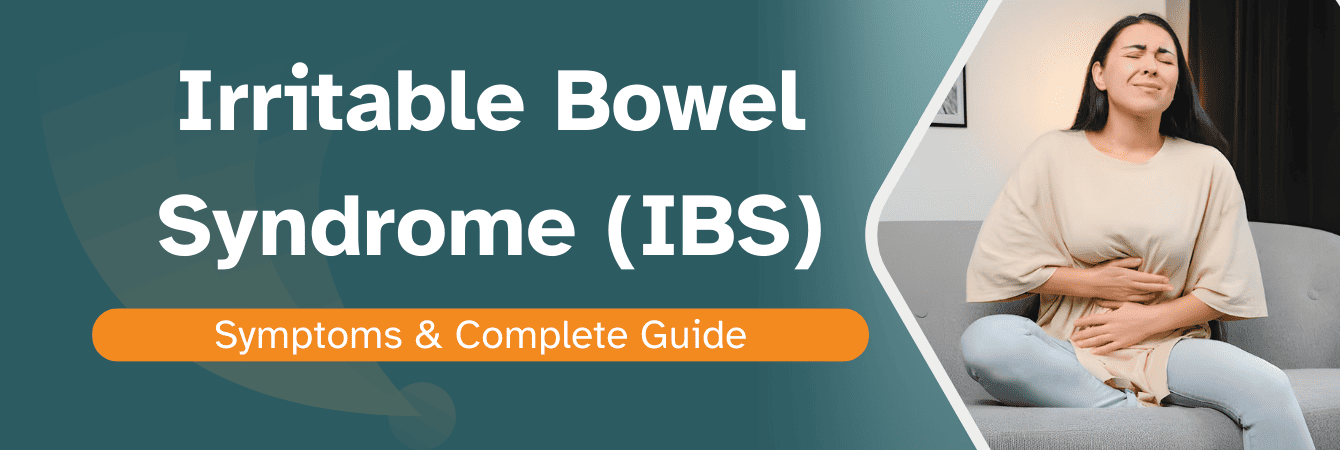
Irritable Bowel Syndrome (IBS): Symptoms and Relief Options
- September 15, 2025
- Abrol Hospital
Introduction to Irritable Bowel Syndrome (IBS)
Irritable bowel syndrome (IBS) causes uncomfortable abdominal symptoms, including constipation, diarrhea, gas and bloating.
Irritable Bowel Syndrome, commonly called IBS, is a digestive condition that affects millions of people worldwide. Even though it isn’t life-threatening, it has a significant impact on daily routines, eating habits, and overall quality of life. People with IBS often live with constant uncertainty—never sure when symptoms might appear. This unpredictability can lead to frustration, embarrassment, and even anxiety, making it crucial to understand the condition in depth.
IBS can disrupt a person’s entire daily schedule. Many people with IBS hesitate to attend social gatherings, travel, or even eat out because they’re worried about sudden symptoms. Simple tasks, like commuting to work or attending a meeting, can feel overwhelming when constant trips to the bathroom or unpredictable pain are in the picture. Over time, the stress of managing IBS symptoms can take a toll on emotional health, creating a cycle where stress worsens IBS, and IBS increases stress.
Key Points:
IBS affects the large intestine.
It doesn’t cause permanent damage but disrupts bowel functions.
Symptoms are unpredictable and vary in severity.
It significantly affects quality of life and routines.
Common Symptoms of IBS
IBS symptoms vary among individuals, but the most common ones include abdominal pain, bloating, constipation, diarrhea, and changes in stool consistency. Symptoms may appear together or alternate over time.
1. Abdominal Pain and Cramping
Abdominal pain is a core IBS symptom, caused by irregular gut contractions. These contractions may be too fast or too slow, leading to cramping or aching sensations. The pain often improves after passing stool.
Difference from Other Stomach Conditions
Unlike ulcers, kidney stones or gallstones, IBS pain isn’t caused by inflammation or tissue damage. It is directly linked to bowel movements and stool consistency, which helps distinguish it from other conditions.
Key Points:
Pain comes from irregular gut contractions.
Cramping or aching is common.
Pain often improves after bowel movements.
Different from ulcers or gallbladder pain.
2. Bloating and Gas
Bloating is a frequent complaint in IBS. The stomach feels swollen or tight, often worsening throughout the day. Gas buildup happens because IBS alters food digestion, leading to excessive fermentation in the gut.
Key Points:
Belly feels full or swollen.
Clothes may feel tighter by evening.
Excess gas results from disrupted digestion.
Bloating is often worse after meals.
3. Diarrhea-Predominant IBS (IBS-D)
Some people with IBS primarily struggle with diarrhea, known as IBS-D. Loose, watery stools and sudden urgency are common.
Characteristics
Frequent bowel movements.
Sudden urgency to use the bathroom.
Loose or watery stool.
Risk of dehydration if severe.
Triggers of Diarrhea in IBS
High-fat and spicy foods.
Caffeine and alcohol.
Stress and emotional strain.
Large or heavy meals.
4. Constipation-Predominant IBS (IBS-C)
IBS-C involves difficulty passing stool, infrequent bowel movements, and hard stools.
Key Signs
Bowel movements fewer than 3 per week.
Hard, dry, or lumpy stool.
Straining while using the bathroom.
Lingering discomfort even after passing stool.
Why Constipation Happens
Colon absorbs too much water from waste.
Intestinal muscles contract too slowly.
Digestive system becomes sluggish.
5. Mixed Type IBS (IBS-M)
IBS-M combines symptoms of diarrhea and constipation, making it unpredictable.
Alternating Diarrhea and Constipation
Periods of diarrhea followed by constipation.
Unpredictable bowel habits.
Patients often feel out of control.
6. Mucus in Stool
Mucus is naturally produced by the intestines, but in IBS, it’s often more noticeable. Though not usually dangerous, it’s an important symptom to watch.
Key Points:
Mucus is visible in stool.
It indicates intestinal irritation.
Harmless in IBS but should be checked if persistent.
Seek medical advice if accompanied by blood.
7. Extra-Intestinal Symptoms of IBS
IBS doesn’t just affect digestion—it impacts the whole body.
Fatigue – Constant tiredness, even after rest.
Headaches – Triggered by digestive stress and tension.
Sleep issues – Trouble sleeping due to discomfort or anxiety.
Key Points:
IBS symptoms extend beyond the gut.
Fatigue, headaches, and poor sleep are common.
Overall quality of life is reduced.
Treatment & Relief Options of Irritable Bowel Syndrome (IBS)
Diet Changes
One of the most effective approaches is following a low-FODMAP diet, which eliminates foods that are difficult to digest. Adding fiber gradually can help with constipation, while staying hydrated prevents discomfort. Keeping a food diary is often recommended to identify personal triggers.
Stress Management
Because stress is such a strong trigger, relaxation techniques like yoga, meditation, breathing exercises, and regular physical activity can make a big difference. Even simple routines, like consistent sleep and regular mealtimes, help reduce flare-ups.
Medical Treatments
Doctors may prescribe medications depending on the type of IBS. Antispasmodics help with cramping, probiotics improve gut health, and targeted medicines address diarrhea or constipation. Counseling or cognitive behavioral therapy (CBT) may also help break the cycle of stress and symptoms.
Take Control of Your Digestive Health Today!
If you’re struggling with symptoms of Irritable Bowel Syndrome (IBS) such as abdominal pain, bloating, diarrhea, or constipation, don’t ignore them. The right treatment and lifestyle guidance can make a world of difference.
📍 Visit Abrol Hospital, the best hospital in Gurdaspur, where our expert doctors provide personalized care, advanced diagnostics, and effective treatments for IBS and other digestive disorders.
📞 Book Your Consultation Today and start your journey towards a healthier, more comfortable life.
FAQs (Frequently Asked Questions)
The exact cause of IBS isn’t fully known, but several factors are linked to its development:
Abnormal gut muscle contractions
Increased sensitivity of the intestines
Imbalance of gut microbiota
Previous gut infections
Stress, anxiety, and emotional triggers
Hormonal Imbalance (more common in women)
IBS symptoms in women are often similar to men but may be influenced by hormonal changes:
Abdominal cramping and bloating, especially before or during periods
Diarrhea or constipation that worsens with menstrual cycles
Increased fatigue and mood swings
Gas and discomfort after meals
Certain foods can trigger or worsen IBS symptoms. Common culprits include:
Dairy products (milk, cheese, ice cream)
Fatty or fried foods
Carbonated drinks
Beans and lentils
Artificial sweeteners (sorbitol, mannitol)
Caffeinated beverages (coffee, energy drinks)
Spicy foods
An IBS-friendly diet focuses on gentle foods that reduce bloating, gas, and bowel issues. Key diet strategies include:
Low-FODMAP foods (zucchini, carrots, oats, rice, bananas)
Lean proteins (chicken, fish, eggs)
Gluten-free alternatives (quinoa, rice pasta)
Probiotic-rich foods (yogurt, kefir, fermented vegetables)
Plenty of fluids (especially water and herbal teas)
Currently, there is no permanent cure for IBS, but symptoms can be controlled effectively with long-term strategies:
Identifying and avoiding trigger foods
Following a personalized diet (often low-FODMAP)
Reducing stress and anxiety levels
Taking prescribed medications when necessary
Maintaining a healthy gut with probiotics
Managing IBS naturally focuses on lifestyle and diet improvements. Helpful strategies include:
Eating smaller, frequent meals
Avoiding gas-producing foods (beans, carbonated drinks)
Practicing yoga, meditation, or deep breathing
Staying hydrated
Regular exercise to regulate bowel movements
Keeping a food diary to track triggers