Category: Blogs

  • Abdominal Pain & Bloating: Causes, Diagnosis & Treatment
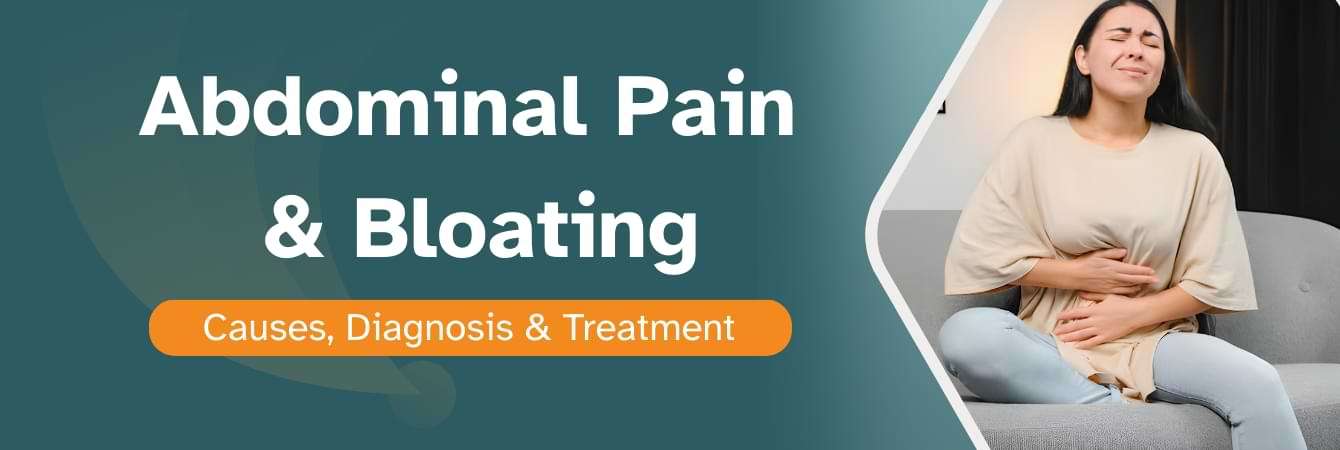
    Abdominal Pain & Bloating: Causes, Diagnosis & Treatment

    Abdominal Pain & Bloating: Causes, Diagnosis & Treatment

    Abdominal Pain & Bloating Causes, Diagnosis & Treatment

    Abdominal pain and bloating are among the most frequent digestive complaints reported worldwide. While occasional stomach pain or belly bloating is usually harmless, persistent or intense abdominal pain may indicate an underlying medical condition that requires professional evaluation.

    Understanding Abdominal Pain & Bloating

    • Abdominal pain, often described as a stomach ache or abdomen ache, refers to discomfort felt anywhere between the rib cage and the pelvic region. The pain may vary in nature depending on the affected organ, intensity, and duration.
    • Bloating refers to the uncomfortable sensation of fullness, tightness, or swelling in the abdomen. Many individuals describe bloating as having a bloated stomach or belly bloating, often accompanied by visible distension and gas.

    Types of Abdominal Pain

    1. Acute abdominal pain develops suddenly and is often severe. It may be associated with conditions such as appendicitis, food poisoning, or gallstones. This type of pain requires urgent medical attention, especially if it worsens rapidly.
    2. Chronic abdominal pain persists for weeks or months and may come and go. Conditions like irritable bowel syndrome (IBS), acid reflux, or chronic gastritis commonly cause long-term stomach pain and bloating.
    3. Localized abdominal pain: occurs in one specific area, such as the lower abdomen or upper right side. For example, lower left abdominal pain may be associated with conditions affecting the colon, intestines, or reproductive organs and should be evaluated if persistent.
    4. Generalized abdominal pain affects a larger area of the abdomen and is often linked to digestive disorders, gas accumulation, or infections.

    Common Causes of Abdominal Pain and Bloating

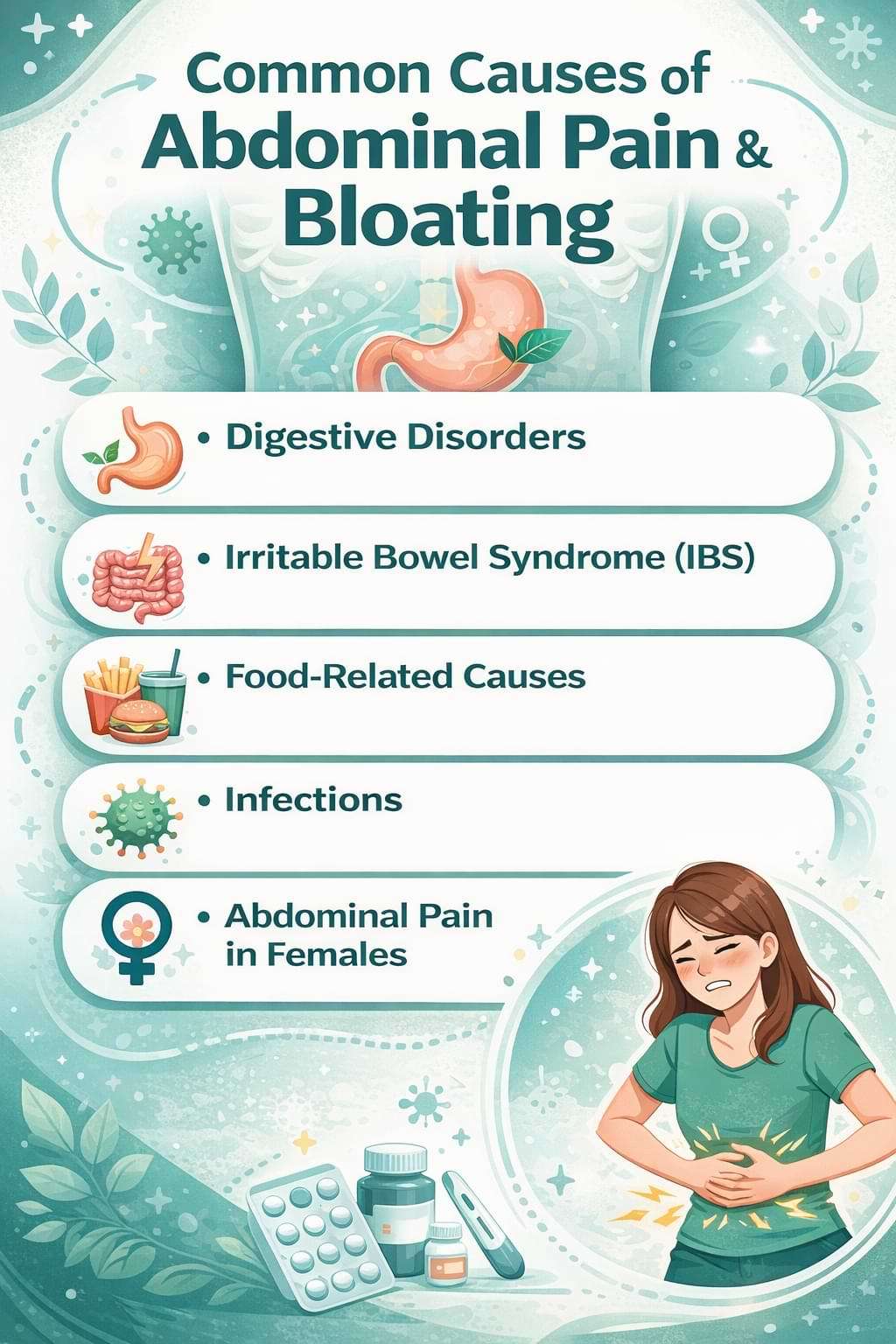
    • Digestive Disorders:
      Digestive conditions are the most common causes of stomach pain and bloating. Indigestion occurs when the stomach struggles to break down food properly, leading to discomfort, fullness, and gas. Gastritis, which is inflammation of the stomach lining, often causes burning pain, nausea, and bloating stomach symptoms.
      Read: Best Ways to Improve Digestive System
    • Irritable Bowel Syndrome (IBS)
      It is a functional digestive disorder characterized by chronic abdominal pain, bloating, diarrhea, or constipation. Stress, diet, and gut sensitivity play major roles in IBS-related belly bloating and stomach aches.
    • Food-Related Causes
      Certain foods can trigger abdominal pain and bloating, especially when consumed in excess. Overeating places pressure on the digestive system, causing stomach pain and bloated stomach sensations. Food intolerances such as lactose intolerance or gluten sensitivity prevent proper digestion, leading to gas, cramping, and belly bloating.
    • Infections
      Gastrointestinal infections caused by bacteria, viruses, or parasites can result in intense abdominal pain and bloating. Food poisoning often presents with sudden stomach pain, vomiting, diarrhea, and abdominal swelling. Parasitic infections may cause chronic gut bloating, weight loss, and persistent discomfort if left untreated.
    • Abdominal Pain in Females
      Abdominal pain in females may be related to reproductive health. Menstrual cramps commonly cause lower abdominal pain and bloating due to hormonal changes. Conditions such as ovarian cysts, endometriosis, and pelvic inflammatory disease can lead to recurring abdomen female pain and bloated stomach symptoms.

    Treatment Options for Abdominal Pain and Bloating

    • Medical Treatment
      Treatment depends on the underlying cause. Acid-reducing medications relieve gastritis and acid reflux. Antibiotics are prescribed for bacterial infections. Antispasmodic drugs help reduce cramping in IBS (Irritable Bowel Syndrome), while probiotics improve gut health and reduce gut bloating.
    • Dietary Management
      Diet plays a crucial role in managing stomach pain and bloating. Eating smaller, frequent meals reduces digestive strain. Identifying and avoiding trigger foods helps prevent recurring belly bloating. Increasing fiber gradually supports bowel health without worsening bloating stomach symptoms.
    • Lifestyle Modifications
      Regular physical activity improves digestion and reduces gas buildup. Stress management techniques such as yoga and meditation help alleviate IBS-related abdominal pain. Avoiding smoking, alcohol, and late-night meals also supports digestive health.

    Diagnosis of Abdominal Pain and Bloating

    Accurate diagnosis begins with a thorough medical history and physical examination. Doctors assess the location, duration, intensity, and pattern of stomach pain and bloating, along with dietary habits and associated symptoms.

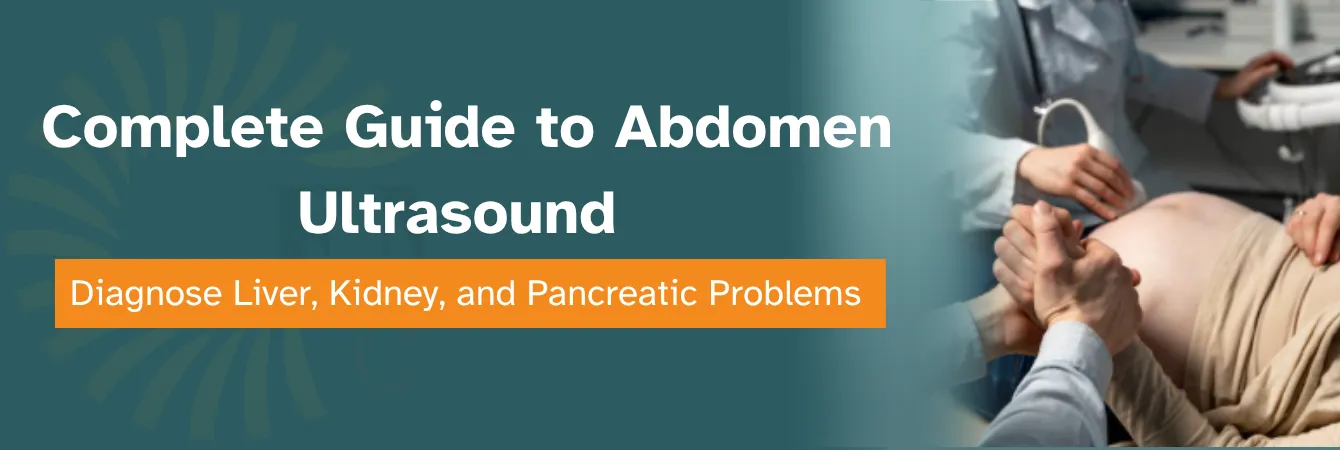
    Diagnostic tests such as blood tests help detect infections or inflammation. Imaging studies like abdominal ultrasound or CT scans provide detailed views of abdominal organs. Endoscopy and colonoscopy may be recommended to evaluate the stomach and intestines for ulcers, inflammation, or tumors.

    Consult Our Expert Gastroenterologist in Punjab

    If you are experiencing persistent abdominal pain, stomach ache, or bloating, do not ignore the symptoms. Early diagnosis can prevent complications and ensure effective treatment.

    👉 Consult our experienced Gastroenterologist in Punjab for accurate diagnosis and personalized treatment of abdominal pain and bloating. Our specialist uses advanced diagnostic tools and evidence-based treatment approaches to help you achieve long-term digestive health.

    📞 Book your consultation today and take the first step toward relief from stomach pain, bloated stomach, and gut bloating.
    bloting & Gastroenterologist in Punjab

    Frequently Asked Questions (FAQs) About Abdominal Pain & Bloating

    The most common causes of abdominal pain and bloating include indigestion, gastritis, acid reflux, irritable bowel syndrome (IBS), food intolerance, infections, and excessive gas formation. In some cases, serious conditions like gallstones or appendicitis may also cause intense abdominal pain and bloated stomach symptoms.

    You should consult a gastroenterologist if abdominal pain or bloating lasts more than a few days, becomes severe, or is associated with symptoms like vomiting, blood in stool, fever, or unexplained weight loss. Persistent stomach pain and gut bloating require professional evaluation.

    Diagnosis involves a detailed medical history, physical examination, and diagnostic tests such as blood tests, ultrasound, CT scan, endoscopy, or colonoscopy. These tests help identify the exact cause of stomach pain and bloating stomach problems.

    Treatment depends on the underlying cause and may include medications such as antacids, antibiotics, probiotics, or antispasmodics. Dietary changes, lifestyle modifications, and stress management also play a crucial role in relieving belly bloating and abdominal discomfort.

    Yes, stress can significantly affect digestion and is a common trigger for irritable bowel syndrome (IBS). Stress-related digestive issues often cause stomach pain, belly bloating, and changes in bowel habits.

    Abdominal pain in females may be linked to menstrual cycles, ovarian cysts, endometriosis, or pregnancy, in addition to digestive causes. A gastroenterologist may collaborate with a gynecologist for accurate diagnosis.
    Recent Post

    Book Appointment

  • What is Meningitis? Symptoms, Causes, and Prevention Options

    What is Meningitis? Symptoms, Causes, and Prevention Options

    What is Meningitis? Key Symptoms, Causes, and and Prevention Options

    What is Meningitis Key Symptoms, Causes, and and Prevention Options

    Meningitis is a serious and potentially life-threatening medical condition that requires immediate attention. Every year, thousands of people worldwide are affected by meningitis, and while some recover fully, others may face severe complications or long-term health problems. Understanding what meningitis is, recognizing meningitis symptoms early, and knowing the causes and treatment options can save lives.

    What Is Meningitis?

    Meningitis is an inflammation of the meninges—the protective membranes that surround the brain and spinal cord. These membranes play a critical role in protecting the central nervous system. When they become inflamed, it can disrupt normal brain function and lead to serious complications.

    Many people ask, “what is meningitis?” In simple terms, it is usually caused by an infection—most commonly viral or bacterial—but it can also result from fungi, parasites, autoimmune diseases, or certain medications.

    What Is Spinal Meningitis?

    Spinal meningitis is a term often used interchangeably with meningitis, but it specifically refers to inflammation affecting the membranes around the spinal cord. Because the brain and spinal cord are closely connected, most meningitis cases affect both areas.

    Spinal meningitis is especially dangerous because inflammation can interfere with nerve signaling, potentially leading to:

    • Muscle weakness

    • Loss of coordination

    • Paralysis

    • Permanent nerve damage

    Types of Meningitis

    1. Viral Meningitis

    This is the most common and generally the least severe form. It is often caused by enteroviruses and usually improves without specific treatment.

    2. Bacterial Meningitis

    Bacterial meningitis is a medical emergency. It can progress rapidly and may cause death or permanent disability if untreated. Common bacteria include:

    • Streptococcus pneumoniae
    • Neisseria meningitidis
    • Haemophilus influenzae

    3. Fungal Meningitis

    This rare type usually affects people with weakened immune systems and develops more slowly than bacterial meningitis.

    4. Parasitic Meningitis

    Very uncommon, parasitic meningitis can be severe and is often linked to contaminated food or water.

    5. Non-Infectious Meningitis

    Caused by conditions such as lupus, cancer, head injury, or certain medications.

    Know About Meningitis Symptoms

    Recognizing meningitis symptoms early is one of the most critical factors in improving outcomes. Symptoms can appear suddenly or develop gradually, depending on the cause.

    Early Meningitis Symptoms

    In the early stages, meningitis symptoms often resemble those of common infections. These may include fever, headache, fatigue, nausea, psychosomatic disorders  and a general feeling of being unwell. Neck stiffness is a classic symptom and occurs because inflammation makes it painful to move the neck. Sensitivity to light and difficulty concentrating are also common early signs.

    Severe or Advanced Symptoms

    As the condition progresses, symptoms can become more severe and alarming. These include confusion, difficulty staying awake, seizures, cold hands and feet, rapid breathing, and changes in skin color. In advanced cases, loss of consciousness may occur. These symptoms indicate a medical emergency and require immediate attention.

    Meningitis Symptoms in Adults

    In adults, meningitis symptoms often include intense headache, high fever, stiff neck, and confusion. Adults may also experience sensitivity to light, vomiting, and difficulty focusing. Because adults may dismiss early symptoms as flu or stress, diagnosis is sometimes delayed, increasing the risk of complications.

    Symptoms in Children and Infants

    In infants and young children, meningitis symptoms may look different. Signs can include persistent crying, poor feeding, vomiting, unusual sleepiness, or a bulging soft spot on the head. Because infants cannot communicate symptoms clearly, caregivers should seek medical help if they notice sudden behavioral or physical changes.

    What Causes Meningitis?

    Many people search what causes meningitis because the condition can develop unexpectedly. The cause depends on the type of meningitis, but infections are the most common triggers.

    Viral Causes of Meningitis

    Viruses are responsible for most meningitis cases worldwide. These viruses spread easily through close contact, coughing, sneezing, or poor hygiene. While viral meningitis is usually less severe, it can still cause significant discomfort and require medical evaluation.

    Bacterial Causes of Meningitis

    Bacterial meningitis occurs when bacteria enter the bloodstream and travel to the brain and spinal cord. It can also develop from infections in nearby areas such as the sinuses or ears. This form progresses rapidly and requires immediate antibiotic treatment.

    Other Causes of Meningitis

    Fungal, parasitic, and non-infectious causes account for a smaller number of cases. These are often associated with weakened immune systems, chronic illness, or environmental exposure.

    Causes of Meningitis in Adults

    The causes of meningitis in adults often include bacterial infections, particularly in those with underlying health conditions. Adults with weakened immune systems, chronic diseases, alcohol misuse, or recent infections are at higher risk. Lifestyle and environmental factors also play a role.

    Prevention of Meningitis

    Preventing meningitis is far more effective than treating it after infection occurs. Vaccination is the most powerful preventive tool, particularly against bacterial meningitis. Maintaining good hygiene, avoiding sharing personal items, and strengthening the immune system also help reduce risk.

    Consult an Experienced Doctor in Gurdaspur for Meningitis Treatment

    If you or a loved one is experiencing symptoms of meningitis, timely medical care is critical. Early diagnosis and proper treatment can significantly reduce the risk of serious complications. Our experienced and qualified doctors in Gurdaspur specialize in diagnosing and treating meningitis with a patient-centered approach and up-to-date medical protocols.

    📞 Book a consultation now and take the first step toward safe and effective meningitis care.

    what is meningitis symptoms causes

    Frequently Asked Questions (FAQs) About Meningitis

    When people refer to meningitis disease, they are describing the overall condition rather than a single illness. Meningitis is not one disease but a group of conditions that cause inflammation of the brain and spinal cord coverings.

    Spinal meningitis refers to meningitis that affects the membranes around the spinal cord. Since the brain and spinal cord share the same protective layers, most meningitis cases involve both areas.

    The most common meningitis symptoms include high fever, severe headache, stiff neck, nausea, vomiting, sensitivity to light, and confusion. Symptoms can develop suddenly or gradually and may worsen quickly. In severe cases, seizures, difficulty waking, and changes in skin color may occur.

    Early meningitis symptoms often resemble flu-like illness and may include fever, headache, fatigue, nausea, and neck stiffness. Sensitivity to light and difficulty concentrating are also early warning signs. Because symptoms can escalate rapidly, early medical evaluation is crucial.

    Yes, meningitis symptoms in adults often include intense headache, high fever, stiff neck, confusion, and sensitivity to light. Adults may also experience vomiting, difficulty focusing, and extreme tiredness.

    Recent Post

    Book Appointment

  • What Sickness Is Going Around Right Now? Cold Illness Symptoms Parents Should Know

    What Sickness Is Going Around Right Now? Cold Illness Symptoms Parents Should Know

    What Sickness Is Going Around Right Now? Cold Illness Symptoms Parents Should Know

    What Sickness Is Going Around Right Now Cold Illness Symptoms Parents Should Know

    Every winter, parents start asking the same question: “What sickness is going around right now?” Between sniffles at school, coughs at daycare, and viruses going around in the community, it can feel overwhelming. Understanding the cold illness symptoms, psychosomatic disorders & knowing when to seek medical help, and learning simple prevention tips can help you keep your family healthier and less stressed.

    During colder months, kids spend more time indoors where air circulation is poor. Germs thrive in these environments and spread easily through:

    • Coughing and sneezing

    • Touching shared objects (toys, desks, doorknobs)

    • Close contact at school, buses, sports, or daycare

    • Poor hand-washing habits

    The Most Common Illnesses Going Around Right Now:

    Seasonal changes, crowded classrooms, and indoor gatherings create the perfect environment for germs to spread. Understanding what sickness is going around right now — and learning how to prevent it — helps parents protect their children before illness takes hold.

    1. The Common Cold — The Most Frequent Virus Going Around
    The common cold remains the most widespread virus going around each winter. Because more than 200 different viruses cause colds, children may catch one several times a year. Symptoms usually include a runny or blocked nose, sore throat, mild cough, sneezing, and occasional low fever. These cold illness symptoms develop slowly and typically last 5–10 days.

    Prevention tips for colds:

    • Teach kids to wash hands frequently (20 seconds)

    • Avoid touching eyes, nose, and mouth

    • Disinfect phones, toys, doorknobs, school bags

    • Encourage personal towels, bottles, and utensils

    • Keep children home when they have fever or heavy cough

    2. Influenza (Flu) — Sudden and Intense Illness
    Influenza — often referred to as the flu going around — spreads rapidly and can cause severe fatigue, high fever, chills, cough, headaches, and body aches. Unlike colds, flu symptoms appear suddenly and can make children extremely weak. Young children, elderly adults, and those with medical conditions face higher risks of complications such as pneumonia.

    Prevention tips for flu:

    • Annual flu vaccination

    • Avoid close contact with sick people

    • Keep kids home at the first sign of fever

    • Clean frequently touched surfaces

    • Encourage good sleep — strong immunity fights flu faster

    3. RSV -Respiratory Syncytial Virus (Common Among Babies and Toddlers)

    RSV (Respiratory Syncytial Virus) is another virus going around frequently in winter. For older children it may look like a bad cold, but in infants and toddlers it can affect breathing. Symptoms include runny nose, heavy cough, wheezing, and reduced appetite. Babies may struggle to feed or breathe comfortably when infected.

    Prevention tips for RSV:

    • Wash hands before touching babies

    • Avoid kissing babies on the face

    • Keep infants away from crowded indoor places

    • Clean pacifiers, bottles, and toys daily

    • Keep smokers away — smoke worsens RSV symptoms

    4. Strep Throat — Bacterial Illness Going Around
    Unlike many illnesses going around that are viral, strep throat is bacterial and requires antibiotics. Children experience sudden severe throat pain, fever, difficulty swallowing, and swollen glands. Without proper treatment, strep can cause complications such as rheumatic fever.

    Prevention tips:

    • Don’t share water bottles or utensils

    • Teach children not to share food in school

    • Replace toothbrush after treatment begins

    • Complete the full antibiotic course (doctor prescribed)

    5. Stomach Viruses (Gastroenteritis)
    When schools report a stomach virus going around, they usually mean viral gastroenteritis. Symptoms include vomiting, diarrhea, abdominal cramps, and dehydration risk. These viruses spread through contaminated food, unwashed hands, and shared bathrooms.

    Prevention tips:

    • Wash hands before eating and after bathroom use

    • Sanitize bathroom surfaces regularly

    • Avoid raw or improperly stored foods

    • Keep sick children home for 48 hours after symptoms stop

    • Encourage frequent hydration

    Don’t Guess the Illness — Get Expert Care Today

    If your child is showing cold illness symptoms, fever, cough, breathing difficulty, or you are unsure what sickness is going around right now, don’t wait.

    📞 Consult our experienced doctors in Abrol Hospital, Gurdaspur, for proper diagnosis and treatment.
    We’ll evaluate symptoms, provide the right care plan, and help prevent complications — so your child recovers faster and stays protected.

    Cold Illness Symptoms Parents Should Know

    Frequently Asked Questions About Illnesses Going Around Right Now

    Most commonly, the illnesses going around right now include the common cold, flu, RSV, stomach viruses, strep throat, and COVID-19. These infections spread quickly in schools, daycare centers, and crowded indoor spaces. Knowing what sickness is going around right now helps parents recognize symptoms early and prevent complications.

    Typical symptoms for cold include a runny nose, sore throat, cough, sneezing, mild fever, and congestion. These cold illness symptoms usually appear gradually and last 5–10 days. If your child has difficulty breathing, persistent fever, or severe fatigue, seek medical advice.

    A cold develops slowly and usually causes mild symptoms.
    The flu appears suddenly and brings high fever, body aches, chills, and extreme tiredness. If you suspect flu — especially when a virus is going around at school — consult your doctor for guidance and treatment options.

    Cold weather drives people indoors, where germs circulate more easily. Dry air weakens the body’s natural defenses and makes it easier for respiratory viruses to enter. That’s why we often hear about multiple illnesses going around during winter months.

    Hand-washing, disinfecting high-touch surfaces, avoiding shared cups, and keeping sick children at home greatly reduce risk. Staying hydrated, sleeping well, and maintaining good nutrition also strengthen immunity against viruses going around your community.

    Recent Post

    Book Appointment

  • Leukocytes in Urine: Common Causes & Symptoms of WBC Urine

    Leukocytes in Urine: Common Causes & Symptoms of WBC Urine

    Leukocytes in Urine: Common Causes of Leukocytes (White Blood Cells) in Urine

    Leukocytes in Urine Common Causes of Leukocytes (White Blood Cells) in Urine

    leukocytes in urine is a common laboratory result that often raises concern. Leukocytes—also known as white blood cells (WBCs)—are an essential part of the immune system. Their presence in urine can indicate infection, inflammation, or other underlying health conditions affecting the urinary tract or kidneys.

    What Are Leukocytes?

    Leukocytes, or white blood cells, are immune cells that protect the body from infections and foreign invaders. They circulate in the blood and tissues, identifying and fighting bacteria, viruses, fungi, and other harmful organisms.

    Under normal conditions, urine contains little to no white blood cells. When leukocytes are detected in urine, it usually suggests the body is responding to inflammation or infection somewhere in the urinary system.

    What Does Leukocytes in Urine Mean?

    Leukocytes in urine (also called pyuria) means that white blood cells are present in the urine sample. This can occur when:

    • The urinary tract is inflamed or infected

    • The kidneys are affected

    • There is irritation or contamination of the urine sample

    While leukocytes in urine are most commonly linked to urinary tract infections (UTIs), they are not exclusive to infections and may appear in other conditions.

    Normal vs Abnormal Levels of White Blood Cells in Urine

    • Normal urine: 0–5 white blood cells per high-power field (HPF)

    • Abnormal urine: More than 5 WBCs per HPF

    Higher levels of white blood cells in urine increase the likelihood of infection or inflammation and often require further testing.

    Common Causes of Leukocytes in Urine

    1. Urinary Tract Infection (UTI)

    The most common cause of leukocytes in urine is a urinary tract infection. UTIs occur when bacteria enter the urinary tract and begin to multiply, triggering an immune response. As white blood cells move in to fight the bacteria, they appear in the urine.

    People with UTIs often have both leukocyte esterase in urine and increased white blood cells in urine, along with symptoms such as burning during urination, frequent urination, and cloudy urine.

    2. Kidney Infection (Pyelonephritis)

    A kidney infection is a serious type of UTI that affects the kidneys rather than just the bladder or urethra. In this condition, leukocytes in urine are usually present in high numbers because the infection triggers a strong immune response.

    Symptoms may include fever, chills, lower back or side pain, nausea, and fatigue. Kidney infections require prompt medical treatment, as untreated cases can lead to long-term kidney damage.

    3. Inflammation of the Urinary Tract

    Not all cases of leukocytes in urine are caused by infection. Inflammation of the urinary tract lining can also allow white blood cells to enter the urine. This inflammation may be caused by physical irritation, trauma, chemical exposure, or chronic conditions.

    In such cases, leukocyte esterase in urine may be positive even when urine cultures show no bacterial growth.

    4. Kidney Stones

    Kidney stones can irritate the urinary tract as they move through it. This irritation often causes inflammation, which leads to the release of white blood cells into the urine.

    People with kidney stones may have white blood cells in urine, blood in urine, and significant pain. Leukocytes may be present even if there is no infection.

    5. Contamination During Urine Collection

    Improper urine collection is a common reason for leukocytes appearing in urine test results. White blood cells from the skin or genital area can enter the sample, especially if a clean-catch method is not used.

    This is particularly common in females and may lead to a false-positive result for leukocytes in urine.

    6. Leukocytes in Urine Without Infection (Sterile Pyuria)

    Sometimes, leukocytes are found in urine even though no bacteria are detected. This condition is known as sterile pyuria.

    Possible causes include chronic kidney disease, autoimmune disorders, recent infections, or the use of certain medications. Further evaluation is often needed to identify the underlying reason.

    7. Leukocytes in Urine During Pregnancy

    Pregnancy increases the risk of urinary changes due to hormonal shifts and pressure on the urinary tract. As a result, leukocytes in urine may be detected more frequently.

    Routine urine tests during pregnancy help identify infections early and prevent complications that could affect both the parent and baby.

    Symptoms Associated With Leukocytes in Urine

    Leukocytes themselves do not cause symptoms. Symptoms depend entirely on the underlying cause. Common symptoms include pain during urination, frequent urination, pelvic discomfort, cloudy urine, or fever.

    In some cases, individuals may have leukocytes in urine with no symptoms, discovered only during routine testing.

    Expert care for leukocytes in urine and urinary infections—consult a specialist in Gurdaspur

    If your urine test shows leukocytes in urine or a positive leukocyte esterase in urine, it’s important not to ignore it. Early evaluation can help prevent complications such as worsening infections or kidney problems.

    👉 Consult an experienced urologist or relevant doctors in Gurdaspur for accurate diagnosis and personalized treatment. Our specialists use advanced diagnostic tests to identify the exact cause of white blood cells in urine and provide timely, effective care.

    Causes of Leukocytes (White Blood Cells) in Urine

    FAQs on Leukocytes in Urine

    Leukocytes in urine indicate the presence of white blood cells, which usually means the body is responding to an infection or inflammation in the urinary tract, bladder, or kidneys. The most common cause is a urinary tract infection, but other conditions can also lead to this finding.

    Not exactly. Leukocyte esterase in urine is an enzyme released by white blood cells. A positive leukocyte esterase test suggests the presence of leukocytes in urine, but microscopic examination is needed to confirm the actual number of white blood cells.

    Yes. White blood cells in urine can appear without infection due to inflammation, kidney stones, contamination during urine collection, or chronic conditions. This is sometimes called sterile pyuria and requires further medical evaluation.

    Leukocytes themselves are not dangerous, but they signal an underlying issue. If left untreated, the cause—such as a urinary tract or kidney infection—can lead to complications. That’s why timely consultation with a doctor is important.

    You can consult a qualified urologist or relevant doctor in Gurdaspur for proper diagnosis and treatment of leukocytes in urine. Local specialists can perform urine tests, imaging, and provide targeted care.

    Recent Post

    Book Appointment

  • What Is Lactose Intolerance? Common Signs and Symptoms of Lactose Intolerance

    What Is Lactose Intolerance? Common Signs and Symptoms of Lactose Intolerance

    What Is Lactose Intolerance? Common Signs and Symptoms of Lactose Intolerance

    What Is Lactose Intolerance Common Signs and Symptoms of Lactose Intolerance

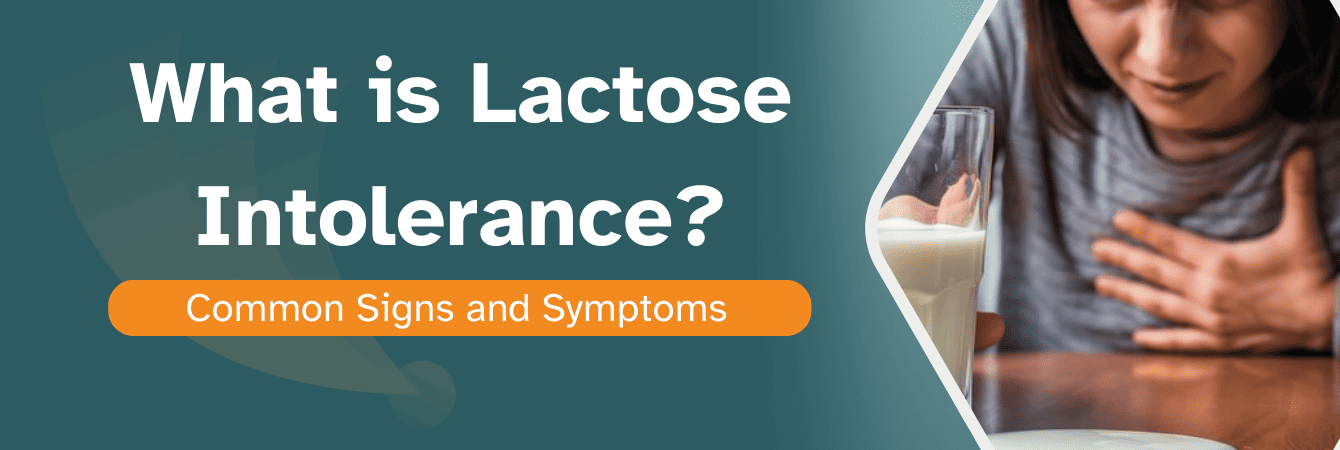
    Lactose intolerance is a widespread digestive issue that impacts individuals of all ages, Lactose intolerance is a widespread digestive issue that impacts individuals discomfort after the consumption of dairy products.

    Lactose intolerance is far more common than most people think. If you’ve ever felt bloated, gassy, or rushed to the bathroom after drinking milk or eating ice cream, your body might be trying to tell you something. Lactose intolerance isn’t a disease, but it can seriously affect your comfort, diet, and quality of life if ignored. Let’s break it down in simple, human terms—no medical jargon overload, just clear, helpful information.

    Understanding Lactose and Digestion

    What Is Lactose?

    Lactose is a natural sugar found in milk and dairy products. Think of it as a two-piece puzzle made of glucose and galactose. Your body needs a specific enzyme to break this puzzle apart before it can absorb it properly.

    Role of Lactase Enzyme in the Body

    Lactase is the enzyme responsible for breaking down lactose in the small intestine. When lactase levels are low or missing, lactose remains undigested. This undigested lactose then travels to the large intestine, where bacteria ferment it—leading to gas, bloating, and other uncomfortable symptoms of lactose intolerance.

    Types of Lactose Intolerance

    Primary Lactose Intolerance

    This is the most common type. People are born with enough lactase, but production decreases with age. Symptoms often appear in adulthood and worsen over time.

    Secondary Lactose Intolerance

    This type develops due to damage to the small intestine from conditions like gastroenteritis, celiac disease, or Crohn’s disease. Treating the underlying condition may improve lactose digestion.

    Congenital Lactose Intolerance

    A rare genetic condition where babies are born without the ability to produce lactase. Symptoms appear immediately after consuming breast milk or formula.

    Developmental Lactose Intolerance in Infants

    Premature babies may temporarily lack lactase. This usually improves as the digestive system matures.

    Common Symptoms of Lactose Intolerance

    Bloating and Gas

    One of the earliest and most common symptoms of lactose intolerance. The belly may feel tight, swollen, or noisy after consuming dairy.

    Diarrhea

    Undigested lactose pulls water into the intestine, leading to loose stools or frequent bowel movements.

    Abdominal Pain and Cramps

    Cramping pain often occurs in the lower left abdomen pain and may range from mild discomfort to severe pain.

    Non-Digestive Symptoms

    Headache and Fatigue & Psychosomatic Disorder

    Though less common, some people report feeling drained or foggy after consuming lactose-containing foods.

    Nausea and Vomiting

    This is more common in children but can also affect adults with severe lactose intolerance.

    Foods That Trigger Lactose Intolerance Symptoms

    Dairy Foods High in Lactose

    Milk, ice cream, soft cheese, condensed milk, and milk-based desserts are common triggers.

    Hidden Sources of Lactose

    Bread, cereals, processed foods, medications, and salad dressings may contain hidden lactose.

    Importance of Consulting a Gastroenterologist for Lactose Intolerance

    Best Gastroenterologist in Gurdaspur – Why Expert Care Matters

    If you are experiencing ongoing digestive discomfort, consulting the best gastroenterologist in Gurdaspur can help you get accurate diagnosis and personalized treatment. Expert guidance ensures that symptoms of lactose intolerance are not confused with more serious gastrointestinal conditions and helps you maintain proper nutrition while managing your diet effectively.

    Lactose Intolerance Common Signs and Symptoms of Lactose Intolerance

    FAQs on Lactose Intolerance

    The most common symptoms of lactose intolerance in adults include bloating, abdominal cramps, diarrhea, gas, and nausea after consuming milk or dairy products. These symptoms usually begin within 30 minutes to 2 hours after eating lactose-containing foods.

    Yes, untreated lactose intolerance can cause daily digestive discomfort such as frequent bloating, loose stools, stomach pain, and excessive gas, especially if dairy products are consumed regularly without management.

    If your stomach pain occurs consistently after consuming milk, cheese, tea with milk, or dairy sweets and improves when dairy is avoided, it is likely related to lactose intolerance. A gastroenterologist can confirm this with proper tests.

    Absolutely. Excess gas production is one of the most common symptoms of lactose intolerance. Undigested lactose ferments in the gut, leading to gas, acidity, and a heavy feeling in the abdomen.

    In some cases, yes. Chronic diarrhea, poor digestion, and fear of eating may lead to unintended weight loss if lactose intolerance is left unmanaged.

    People with lactose intolerance should limit or avoid milk, ice cream, condensed milk, soft cheese, milk-based sweets, and processed foods with hidden lactose.

    Lactose intolerance can worsen symptoms of IBS (Irritable Bowel Syndrome). Many people with IBS also have lactose intolerance, which is why identifying and managing lactose intake is important for gut health.

    You should consult a gastroenterologist if symptoms are severe, persistent, affecting daily life, or not improving despite avoiding dairy products.

    Recent Post

    Book Appointment

  • Vitamin B12 Foods: What to Eat to Prevent Vitamin B12 Deficiency

    Vitamin B12 Foods: What to Eat to Prevent Vitamin B12 Deficiency

    Vitamin B12 Foods: What to Eat to Prevent Vitamin B12 Deficiency

    vitamin b12 foods & Vitamin B12 Deficiency

    Vitamin B12 is one of the most essential nutrients your body needs for energy, brain function, mood stability, and healthy blood cells. Yet surprisingly, millions of people worldwide unknowingly suffer from Vitamin B12 Deficiency. The good news? Preventing it is easy when you know the right Vitamin B12 Foods to include in your daily meals. VitaminB12 supports nerve health, boosts memory, produces red blood cells, and even helps in DNA formation. Without enough B12, your body simply slows down—physically and mentally.

    Most adults need around 2.4 mcg of Vitamin B12 per day. Pregnant and breastfeeding women require slightly more. Thankfully, a balanced diet can easily provide this amount if you include the right foods.

    Understanding Vitamin B12 Deficiency

    1. Low intake of animal products: People who follow a vegetarian or vegan diet often struggle because Vitamin B12 is mainly found in animal-based foods.

    2. Digestive issues: Conditions like gastritis, celiac disease, Crohn’s disease, and IBS can interfere with B12 absorption.

    3. Medications: Certain medicines, such as metformin (for diabetes) and acid-reducing drugs (PPIs), reduce the body’s ability to absorb Vitamin B12.

    4. Old age: People over 50 naturally produce less stomach acid, which is needed to absorb B12 from food.

    5. Alcohol consumption: Excessive alcohol weakens the stomach lining, reducing B12 absorption.

    Vegetarian vs Non-vegetarian B12 Foods

    Vitamin B12 is mostly found in animal-based foods, but vegetarians can get it from fortified foods and certain dairy products. Non-vegetarians have a wider range of natural sources like fish, meat, and eggs.

    Vegetarian Sources of Vitamin B12

    Since plants don’t naturally produce B12, vegetarians rely on fortified foods and dairy products:

    Fortified cereals – Many breakfast cereals are enriched with B12.

    Fortified plant-based milk – Soy, almond, and oat milk often have added B12.

    Fortified nutritional yeast – A popular vegan-friendly source of B12.

    Dairy products – Milk, yogurt, and cheese contain moderate amounts.

    Paneer (cottage cheese) – Common in Indian diets, provides some B12.

    Fortified tofu/soy products – Some brands enrich tofu with B12.

    Mushrooms (limited) – Certain varieties like shiitake may contain trace amounts, but not reliable alone.

    Non-Vegetarian Sources of Vitamin B12

    Animal-based foods are the richest natural sources:

    Fish – Salmon, tuna, trout, sardines, and mackerel are excellent sources.

    Shellfish – Clams, crab, and shrimp are very high in B12.

    Meat – Beef, chicken, and lamb provide significant amounts.

    Liver and kidney (organ meats) – Extremely rich in B12.

    Eggs – Especially the yolk.

    Dairy (shared with vegetarians) – Milk, cheese, and yogurt.

    Vitamin B12 in Dry Fruits

    1. Almonds: Almonds are naturally nutrient-rich, and many brands now offer B12-fortified almond packs, making them a smart choice to complement your daily intake.

    2. Pistachios: Fortified pistachio mixes are becoming popular as brands enrich them with Vitamin B12, providing a crunchy, satisfying snack with added nutritional value.

    3. Cashews: Some premium dry fruit manufacturers produce B12-enhanced cashews, offering a creamy and nutrient-dense snack option for those avoiding meat or dairy.

    4. Dates: Energy bites made from dates often come fortified with Vitamin B12, making them a sweet, convenient way to include extra nutrition in your routine.

    5. Raisins: Raisins combined in B12-enriched dry fruit mixes help support overall nutrient intake and make for a portable, easy-to-eat snack.

    6. Pumpkin Seeds: Pumpkin seeds themselves don’t have B12, but fortified seed mixes offer the benefits of fiber, iron, and B12 in one nutrient-rich combination.

    7. Sunflower Seeds: Special sunflower seed packs enriched with Vitamin B12 provide a wholesome and crunchy way to support daily nutritional goals.

    8. Figs: While figs are naturally sweet and fibrous, certain fig bars and fig-based snacks are fortified with Vitamin B12, making them a great snack choice.

    9. Walnuts: Walnuts included in fortified mixes provide omega-3 fats along with added Vitamin B12, supporting brain and nerve health.

    10. Pecans: Premium pecan mixes often come with added Vitamin B12, offering a buttery, crunchy snack that complements a vegetarian diet.

    Concerned about Vitamin B12 Deficiency?

    Don’t let fatigue, weakness, or health risks slow you down. At Abrol Hospital, Gurdaspur, our expert doctors provide personalized diagnosis and treatment for Vitamin B12 and other deficiencies.

    📞 Book your consultation today and take the first step toward restoring your energy and well-being.

    विटामिन बी12 की कमी vitamin b12 deficiency Vitamin B12 foods

    FAQs on Vitamin B12 Foods & Deficiency

    The richest natural sources of Vitamin B12 include fish (salmon, tuna, trout), shellfish (clams, crab, shrimp), meat (beef, chicken, lamb), eggs, and dairy products like milk, yogurt, and cheese.

    Vegetarians can get Vitamin B12 from dairy products, paneer, and fortified foods such as cereals, plant-based milk, and nutritional yeast. Vegans especially need fortified foods or supplements since plant-based foods naturally contain very little Vitamin B12

    Vitamin B12 is essential for red blood cell formation, nerve health, DNA synthesis, and energy production.

    Common symptoms include tiredness, weakness, pale skin, numbness in hands or feet, memory issues, and mood changes.

    To prevent deficiency, include seafood, eggs, dairy products, fortified cereals, and fortified plant-based milk in your diet.

    Yes. Fortified cereals, nutritional yeast, and plant-based milk are reliable sources for vegetarians and vegans. Always check the nutrition label to confirm Vitamin B12 quantity.

    Recent Post

    Book Appointment

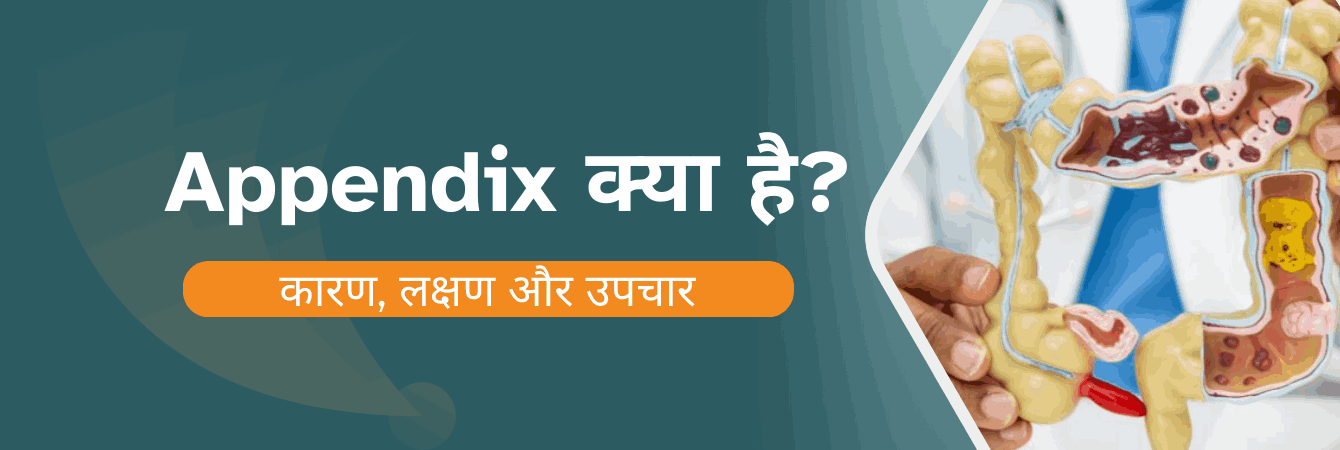
  • Appendix क्या है?  कारण, लक्षण और उपचार

    Appendix क्या है? कारण, लक्षण और उपचार

    Appendix क्या है? कारण, लक्षण और उपचार

    Appendix क्या है? कारण, लक्षण और उपचार

    हमारे शरीर में कई ऐसे अंग हैं जो अक्सर हमारी नजर में नहीं आते, लेकिन उनकी भूमिका हमारे स्वास्थ्य के लिए महत्वपूर्ण होती है। Appendix भी एक ऐसा ही अंग है। अक्सर इसे एक “बेकार” अंग कहा जाता है, लेकिन वास्तव में यह हमारी प्रतिरक्षा प्रणाली में मदद कर सकता है।

    Appendix क्या है?

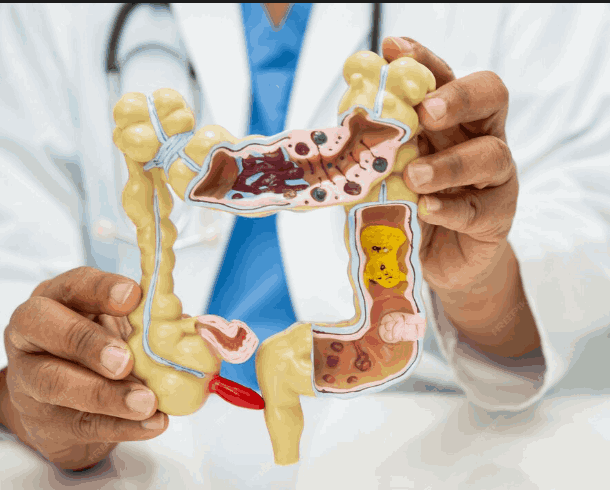
    Appendix को हिंदी में “अंतड़ी ग्रंथी” भी कहा जाता है। यह एक छोटा, अंगुली के आकार का पतला ट्यूब है जो बड़ी आंत (Large Intestine) के प्रारंभिक हिस्से, यानी Cecum, से जुड़ा होता है। Appendix की लंबाई लगभग 3–4 इंच (लगभग 7–10 सेमी) होती है, और यह पेट के दाएँ निचले हिस्से (Lower Right Abdomen) में स्थित होता है।

    प्राचीन समय में वैज्ञानिकों का मानना था कि Appendix शरीर में कोई उपयोग नहीं करता और यह सिर्फ एक “बेकार अंग” है। लेकिन हाल की शोध से पता चला है कि यह अंग प्रतिरक्षा प्रणाली का हिस्सा है और शरीर में लाभकारी बैक्टीरिया (Good Bacteria) को स्टोर करके पेट की सेहत बनाए रखने में मदद कर सकता है।

    Appendix की संरचना और कार्य (Functions of Appendix)

    Appendix एक पतली, नली जैसी संरचना है, जिसके अंदर लसीका ऊतक (Lymphatic Tissue) होता है। इसका मुख्य कार्य है:

    1. प्रतिरक्षा प्रणाली में मदद करना: Appendix में पाए जाने वाले लसीका ऊतक शरीर को संक्रमण से लड़ने में मदद करते हैं।

    2. अच्छे बैक्टीरिया का भंडारण: पेट में लाभकारी बैक्टीरिया की संख्या संतुलित रखने में Appendix मदद करता है।

    3. पाचन में सहायक: हालांकि यह मुख्य पाचन अंग नहीं है, लेकिन कुछ शोधों के अनुसार यह पाचन तंत्र को बैक्टीरिया के माध्यम से सहारा देता है।

    Appendix में समस्या क्यों होती है? (Problems occur in Appendix)

    Appendix में समस्या मुख्य रूप से Appendicitis के कारण होती है। Appendicitis वह स्थिति है जिसमें Appendix सूज जाता है और अक्सर संक्रमण का कारण बनता है।

    सामान्य कारण:
    1. फूड या मल का अटटना (Blockage): Appendix का मार्ग फूड के टुकड़ों या कठोर मल (Fecalith) के कारण बंद हो सकता है।

    2. संक्रमण (Infection): पेट या आंत में किसी वायरस या बैक्टीरिया के संक्रमण के कारण Appendix में सूजन हो सकती है।

    3. लसीका ऊतक में वृद्धि (Lymphoid Hyperplasia): शरीर में संक्रमण के दौरान Appendix की लसीका ग्रंथि बढ़ सकती है, जिससे रास्ता बंद हो जाता है।

    4. अन्य कारण: कभी-कभी पेट में चोट, आंतरिक सूजन या ट्यूमर की वजह से भी Appendix में समस्या हो सकती है।

    ध्यान दें: Appendicitis एक गंभीर स्थिति है, यदि समय पर इलाज न किया जाए तो Appendix फट सकता है, जिससे पेट में गंभीर संक्रमण (Peritonitis) हो सकता है।

    Appendix में समस्या के लक्षण

    Appendicitis के लक्षण कई प्रकार के होते हैं। शुरुआती चरण में लक्षण हल्के हो सकते हैं, लेकिन समय के साथ यह गंभीर हो सकते हैं।

    मुख्य लक्षण:

    1. पेट में दर्द: आमतौर पर दर्द पेट के मध्य से शुरू होकर दाएं निचले हिस्से में बढ़ता है।

    2. उल्टी और मतली: मरीज को बार-बार उल्टी या मतली महसूस हो सकती है।

    3. बुखार: हल्का या तेज बुखार भी आम है।

    4. भूख न लगना: खाना खाने की इच्छा कम हो जाती है।

    5. पेट फूलना या गैस: पेट में भारीपन और सूजन महसूस हो सकती है।

    6. दस्त या कब्ज: कुछ मामलों में दस्त या कब्ज भी हो सकते हैं।

    चेतावनी: अगर Appendix फट जाए, तो अचानक तेज दर्द, तेज बुखार और उल्टी होना गंभीर स्थिति का संकेत है।

    Appendix में समस्या से बचाव (Prevention)

    Appendix में समस्या को पूरी तरह से रोकना संभव नहीं है, लेकिन कुछ आदतों से जोखिम कम किया जा सकता है:

    1. फाइबर युक्त आहार: हरी सब्जियाँ, फल, और अनाज खाने से मल सॉफ्ट रहता है।

    2. पर्याप्त पानी पीना: डिहाइड्रेशन से कब्ज़ और Appendix ब्लॉकेज का खतरा बढ़ सकता है।

    3. संतुलित जीवनशैली: नियमित व्यायाम और सही भोजन से पेट की सेहत अच्छी रहती है।

    4. संक्रमण से बचाव: साफ-सफाई और स्वच्छ आहार से पेट के संक्रमण का खतरा कम होता है।

    ध्यान दें: Appendix फटने की स्थिति में तत्काल मेडिकल इमरजेंसी है।

    Appendix की समस्या? तुरंत विशेषज्ञ डॉक्टर से इलाज कराएँ

    यदि आप या आपके किसी परिवार के सदस्य को पेट के दाएँ निचले हिस्से में तेज दर्द, उल्टी, बुखार या भूख न लगना जैसी समस्याएँ महसूस हो रही हैं, तो इसे हल्के में न लें। Appendix में सूजन (Appendicitis) एक गंभीर स्थिति है, और समय पर इलाज से जान का खतरा टाला जा सकता है।

    हम सुझाव देते हैं कि आप तुरंत किसी अनुभवी गैस्ट्रोएन्टेरोलॉजिस्ट या General Surgeon से संपर्क करें।
    EMC Hospital Batala में विशेषज्ञ डॉक्टर आपकी स्थिति का सही निदान करेंगे और आवश्यक उपचार या Surgery का सुझाव देंगे।

    Appendix क्या है

    Appendix से जुड़ी आम सवाल और उनके जवाब (FAQs)

    पेट के दाएँ निचले हिस्से में तेज दर्द, उल्टी, बुखार, भूख कम लगना, पेट फूलना या कब्ज।

    आम तौर पर Appendectomy (Surgery) ही सबसे प्रभावी उपचार है। हल्की स्थिति में डॉक्टर एंटीबायोटिक्स के माध्यम से भी इलाज कर सकते हैं।

    नहीं, आधुनिक लैप्रोस्कोपिक सर्जरी सुरक्षित होती है। ऑपरेशन के बाद मरीज जल्दी स्वस्थ हो जाते हैं।

    यह एक इमरजेंसी स्थिति है। तुरंत अस्पताल जाएँ और डॉक्टर से संपर्क करें। समय पर सर्जरी और एंटीबायोटिक्स जीवन बचा सकते हैं।

    फाइबर युक्त आहार लें, पर्याप्त पानी पिएँ, पेट की साफ-सफाई का ध्यान रखें और समय-समय पर मेडिकल चेकअप कराएँ।

    Recent Post

    Book Appointment

  • What Are Senility Symptoms (Dementia)? Causes & Prevention Tips

    What Are Senility Symptoms (Dementia)? Causes & Prevention Tips

    What Are Senility Symptoms (Dementia)? Causes & Prevention Tips

    Senility Symptoms - dementia

    As people grow older, it’s common to experience mild forgetfulness or slower thinking. However, when memory loss and confusion start interfering with daily life, these may be recognized as senility symptoms. Although the word senility is still widely used, the medical term for these symptoms is dementia. Understanding the causes, early signs, and prevention strategies can help individuals and families take proactive steps for long-term brain health.

    What Is Senility? (Senility vs. Dementia)

    The term senility is an outdated, non-medical term used to describe a decline in cognitive abilities in older adults. Today, doctors use the term dementia to describe these symptoms more accurately.

    Common Senility Symptoms

    1. Memory Loss That Goes Beyond Normal Forgetfulness

    Memory loss is often the earliest and most noticeable senility symptom, but it is important to differentiate normal aging from dementia-related decline. With normal aging, you may occasionally forget where you placed your keys or struggle to recall the name of an acquaintance.

    2. Difficulty Performing Familiar Daily Tasks

    Another major indicator of senility symptoms is struggling with tasks that were once second nature. This includes activities like preparing a favorite meal, managing household bills, or using appliances that the individual has used for many years.

    3. Confusion About Time, Places, and Familiar People

    Disorientation is one of the most troubling senile symptoms, both for individuals and their families. A person may suddenly forget what day it is, confuse morning with evening, or struggle to recall the current year or season. They may also lose their sense of direction, even in familiar environments such as their neighborhood or home.

    4. Decline in Judgment and Poor Decision-Making

    Poor judgment is a hallmark of dementia and frequently appears as one of the early senile symptoms. Individuals may make choices that seem unusual, risky, or illogical.

    5. Language Problems and Difficulty Communicating

    Communication becomes increasingly challenging for individuals experiencing senility symptoms. They may struggle to find the right words, pause frequently during conversations, or repeat themselves unknowingly. Sentence structure may become fragmented, and understanding what others are saying can also grow difficult.

    6. Noticeable Changes in Mood, Personality, and Behavior

    Behavioral and emotional changes are powerful indicators of senile symptoms and are sometimes more noticeable than memory loss. A person may become unusually irritable, anxious, or depressed. Others may develop apathy, losing interest in hobbies or social engagements they once enjoyed.

    7. Difficulty With Planning, Problem-Solving, and Critical Thinking

    Planning and problem-solving become increasingly difficult as cognition declines. Individuals with senility symptoms may struggle to follow recipes, plan daily schedules, understand instructions, or solve simple problems that require reasoning. Tasks with multiple steps—such as organizing a meal, preparing for a trip, or even managing household chores—may feel overwhelming.

    How to Prevent Senility Symptoms

    1. Regular Physical Exercise

    Engaging in physical activity boosts blood circulation to the brain, supports healthy neurons, and reduces inflammation. Activities such as brisk walking, strength training, swimming, or yoga stimulate new neural connections and improve memory. Exercise also lowers the risk of stroke and heart disease, both of which contribute to vascular dementia.

    2. Eat a Brain-Healthy Diet

    Nutrition plays a central role in preventing cognitive decline. A Mediterranean-style diet—rich in leafy greens, berries, nuts, legumes, whole grains, and omega-3 fatty acids found in fish—has been shown to protect brain health. These foods help reduce inflammation, support blood flow, and provide essential nutrients that protect neurons.

    3. Keep Your Mind Stimulated

    Mental stimulation strengthens neural pathways and improves cognitive resilience. Reading, solving puzzles, learning new skills, engaging in hobbies, and playing strategic games all challenge the brain.

    4. Social Interaction and Emotional Well-Being

    Loneliness is strongly linked to memory loss and cognitive decline. Regular social engagement keeps the brain active and reduces stress, depression, and anxiety—conditions that can worsen senile symptoms.

    5. Managing Chronic Health Conditions

    Chronic conditions such as diabetes, hypertension, and high cholesterol increase the risk of vascular dementia. Managing these conditions through proper medication, lifestyle changes, and regular medical checkups helps protect the blood vessels in the brain.

    6. Quality Sleep

    A consistent sleep schedule of 7–9 hours per night allows the brain to repair itself, process memories, and clear waste products associated with dementia. Poor sleep or sleep disorders such as sleep apnea can accelerate cognitive decline.

    7. Avoid Smoking and Excessive Alcohol

    Smoking restricts blood flow to the brain and increases inflammation, while long-term alcohol misuse damages brain cells and disrupts communication between neurons.

    Concerned About Senility Symptoms or Memory Loss? We’re Here to Help

    If you or your loved one is experiencing senility symptoms, memory problems, confusion, or behavioral changes, early evaluation is essential. At Abrol Hospital, Gurdaspur, our experienced doctors provide comprehensive dementia assessment, diagnosis, and personalized treatment plans to support long-term brain health.

    📞 Book your consultation today with our specialist at Abrol Hospital, Gurdaspur.
    Let us help you take the first step toward clarity, confidence, and better cognitive health.

    Senility Symptoms - dementia (2)

    FAQs Senility Symptoms (Dementia)

    Yes. What people commonly call senility symptoms are medically known as dementia symptoms. Dementia is a progressive neurological condition that affects memory, reasoning, and daily functioning.

    Early senile symptoms often include mild memory loss, difficulty performing familiar tasks, confusion about time or place, changes in mood, and trouble finding the right words.

    Causes include vitamin deficiencies, thyroid problems, chronic infections, medication side effects, and alcohol-related brain damage. Some causes are reversible if detected early.

    Prevention focuses on maintaining a healthy lifestyle. Regular exercise, a brain-healthy diet, mental stimulation, social engagement, quality sleep, and managing conditions like diabetes or high blood pressure all help reduce the risk of senility symptoms. Avoiding smoking and excessive alcohol also supports brain health.

    Recent Post

    Book Appointment

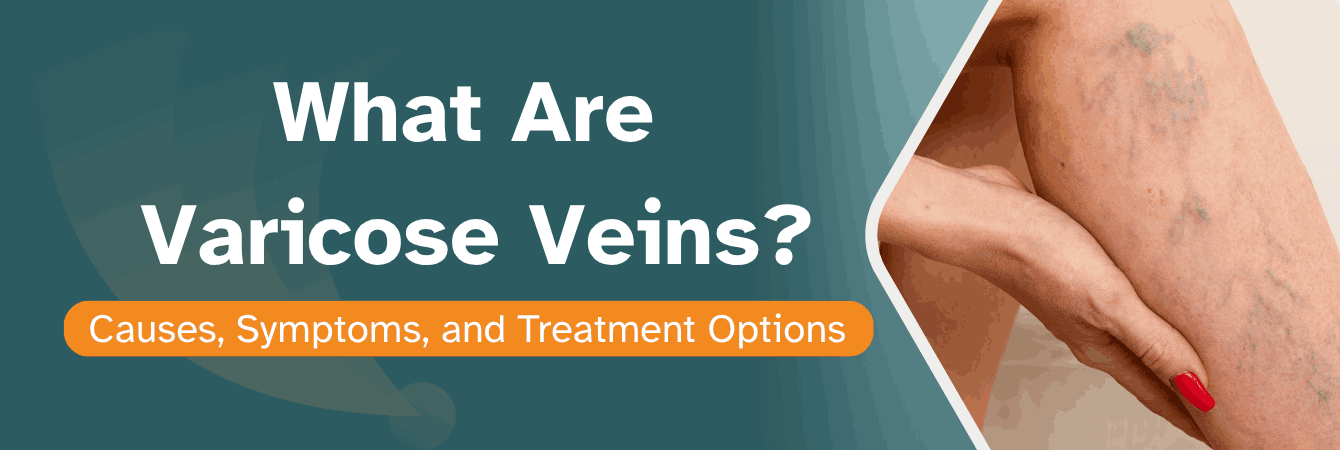
  • What Are Varicose Veins? Causes, Symptoms, and Treatment

    What Are Varicose Veins? Causes, Symptoms, and Treatment

    What Are Varicose Veins? Causes, Symptoms, and Treatment Options

    Varicose Veins Causes, Symptoms, and Treatment Options

    What Are Varicose Veins?

    Varicose veins are enlarged, swollen, and twisted veins that appear just under the surface of the skin. They typically develop in the legs because standing or walking increases the pressure in the veins of your lower body. Normally, valves in the veins help blood flow toward your heart, but when these valves weaken or fail, blood pools in the veins, causing them to stretch and bulge.

    How Do Varicose Veins Develop?
    When the vein valves fail to close properly, blood flows backward and accumulates in the vein. This increased pressure causes the vein walls to weaken, leading to visible, rope-like bulges on the skin’s surface. Over time, this condition worsens if not treated.

    Your veins carry deoxygenated blood back to the heart. Inside the veins are tiny one-way valves that prevent blood from flowing backward. In varicose veins, these valves don’t function properly, allowing blood to pool, particularly in the legs, where gravity plays a major role.

    Common Causes of Varicose Veins

    1. Genetics

    Heredity plays a major role in varicose vein development. If one or both of your parents had varicose veins, your risk increases significantly. This is because the structure of your vein walls and valves can be inherited. People with a genetic predisposition may have weaker connective tissues in their veins, making them more prone to dilation and malfunction over time.

    2. Pregnancy

    Pregnancy is one of the leading triggers for varicose veins in women. During pregnancy, the body produces more blood to support the growing fetus, which increases pressure in the veins. Hormonal changes also relax the vein walls, making them more elastic and susceptible to enlargement. Additionally, as the uterus grows, it exerts extra pressure on the veins in the pelvis and legs, slowing blood flow. Although pregnancy-related varicose veins often improve after delivery, they can persist or worsen with subsequent pregnancies.

    3. Prolonged Standing or Sitting

    Occupations that require long hours of standing — like teaching, nursing, or retail work — place extra stress on leg veins. Similarly, jobs involving prolonged sitting, such as driving or office work, restrict circulation and reduce muscle activity. When leg muscles don’t contract frequently, veins can’t efficiently push blood toward the heart, leading to pooling and swelling.

    4. Age and Gender

    As we age, our veins naturally lose elasticity, and valves weaken. This makes it harder for blood to flow upward, resulting in varicose veins. Women are particularly vulnerable due to hormonal fluctuations during pregnancy, menstruation and menopause, which relax vein walls. Estrogen, the female hormone, plays a significant role in weakening the vein structure.

    5. Obesity and Lifestyle

    Carrying excess weight increases pressure on leg veins, making it harder for valves to function correctly. A sedentary lifestyle also contributes, as physical inactivity reduces muscle contractions that help pump blood upward. People who rarely exercise or have poor posture are more likely to develop varicose veins early.

    Who Is Most at Risk of Developing Varicose Veins?

    Certain groups are more prone to developing varicose veins:

    • Women, especially during hormonal changes or pregnancy

    • Older adults, due to natural wear and tear on veins

    • Individuals with a family history of venous disease

    • People with sedentary or standing occupations

    • Those who are overweight or lead an inactive lifestyle

    Understanding your risk factors can help you take preventive steps early.

    Varicose Veins Symptoms and Signs

    At first, varicose veins might appear as faint blue or purple lines under the skin. Over time, symptoms progress and may include:

    • Aching or heavy legs, especially after standing for long periods

    • Swelling around the ankles and feet

    • Throbbing, burning, or muscle cramps at night

    • Itchy, dry skin near the affected veins

    • Visible bulging veins that look rope-like

    These early signs are a warning to address the condition before it worsens.

    Available Treatment Options for the Varicose Veins

    1. Compression Therapy

    Compression stockings are one of the simplest yet most effective non-invasive treatments. They apply gentle pressure to your legs, helping veins push blood upward and reducing swelling. They’re often recommended as the first step in treatment.

    2. Lifestyle Changes

    Small lifestyle changes can go a long way in managing varicose veins:

    • Exercise regularly to improve circulation

    • Elevate your legs whenever possible

    • Avoid prolonged sitting or standing

    • Maintain a healthy weight
      These steps relieve pressure on your veins and promote healthy blood flow.

      3. Sclerotherapy

      This procedure involves injecting a special solution into the affected veins, causing them to collapse and eventually fade. Sclerotherapy is ideal for small to medium-sized varicose veins and spider veins. It’s a quick, outpatient procedure that delivers visible improvement in just a few sessions.

      4. Laser Treatments

      Laser therapy uses concentrated light energy to close off damaged veins without any incisions. Over time, the treated vein disappears as the body absorbs it naturally. It’s a preferred option for those seeking a painless and scar-free solution.

      5. Radiofrequency Ablation

      In this method, a catheter is inserted into the affected vein, and radiofrequency energy heats the vein walls, causing them to seal shut. It’s minimally invasive and has a short recovery period, making it one of the most effective modern treatments.

      6. Surgical Treatments

      In severe cases, surgical intervention may be necessary. Vein stripping and ligation are traditional surgeries where damaged veins are tied off or removed. However, modern techniques have reduced the need for surgery, offering safer and less painful alternatives.

    Ready to Get Relief from Varicose Veins?

    Don’t let pain or discomfort hold you back any longer! Our expert doctors in Gurdaspur specialize in advanced varicose vein treatments using safe, modern, and minimally invasive techniques.

    Book your consultation today to get a personalized treatment plan and restore your leg health.

    📞 Call us now or visit Abrol Hospital, the best hospital in Gurdaspur to schedule your appointment and take the first step toward pain-free, healthy legs!

    Varicose Veins Causes, Symptoms, and Treatment Options
    dr tanveer ali

    Dr. Tanveer Ali


    Specialties : Consultant Orthopaedics

    FAQs Varicose Veins

    Early signs include visible veins, leg heaviness, mild swelling, itching, and aching after standing for long hours. These symptoms often worsen by evening and can indicate poor vein circulation.

    While often not dangerous, untreated varicose veins can lead to ulcers or clots over time.

    Simple habits like regular exercise, maintaining a healthy weight, elevating your legs, and avoiding long periods of sitting or standing can help prevent varicose veins.

    Modern treatments include laser therapy, sclerotherapy, and minimally invasive vein surgery. These procedures effectively close or remove damaged veins, improving appearance and comfort with minimal downtime.

    Recent Post

    Book Appointment

  • Knee Pain Treatment in Gurdaspur: Causes & Symptoms

    Knee Pain Treatment in Gurdaspur: Causes & Symptoms

    Knee Pain Treatment in Gurdaspur: Causes, Symptoms & Best Remedies

    Knee Joint Pain Treatment in Gurdaspur Causes, Symptoms & Best Remedies

    Understanding Knee Pain

    Knee pain is one of the most common joint complaints affecting people of all ages. From young athletes to older adults, knee discomfort can limit movement, reduce flexibility, and significantly impact quality of life. When knee pain becomes chronic or severe, it may even require surgical intervention such as knee joint pain or knee replacement to restore normal mobility.

    In some people, bone alignment problems such as knock knees (genu valgum) or bow legs can cause uneven pressure on the joint, leading to chronic pain. Before discussing treatments, it’s essential to understand what causes knee pain, its symptoms, and how modern medical care can help you regain an active, pain-free life.

    Common Causes of Knee Pain

    1. Osteoarthritis (Degenerative Arthritis)

    Osteoarthritis is the most common cause of knee pain, especially among people over 50. It occurs when the cartilage — the smooth tissue that cushions the bones inside the joint — wears away gradually.

    As the cartilage becomes thin, bones begin to rub against each other, causing pain, stiffness, and swelling. Over time, osteoarthritis can lead to deformity and loss of joint function. Factors like aging, obesity, previous knee injuries, and family history can increase the risk.

    2. Rheumatoid Arthritis

    Rheumatoid arthritis (RA) is an autoimmune disease where the body’s immune system attacks the joint lining, leading to inflammation and damage. It usually affects both knees symmetrically and can cause pain, swelling, and stiffness, especially morning sickness. If left untreated, RA can permanently damage the knee joint.

    3. Knee Injuries

    Injuries such as ligament tears (ACL, MCL), meniscus tears, or fractures can cause sudden knee pain. Sports players and individuals who perform heavy physical work are more prone to such injuries. Even after healing, untreated injuries can lead to chronic pain and instability.

    4. Overuse and Repetitive Strain

    Overuse of the knee joint due to activities like running, climbing, or prolonged standing can irritate the tendons and surrounding tissues. This condition, called tendinitis or bursitis, leads to localized pain and swelling around the knee.

    5. Obesity and Aging

    Excess body weight increases pressure on the knee joints during walking or climbing stairs. Over time, this additional load accelerates cartilage damage. Aging also naturally reduces joint lubrication and elasticity, making the knee more prone to stiffness and pain.

    Symptoms of Knee Pain Problems

    Recognizing the symptoms early can help prevent worsening of knee joint issues. Common symptoms include:

    • Pain or discomfort in the front, sides, or back of the knee

    • Swelling or fluid buildup around the knee joint

    • Stiffness and limited range of motion

    • Clicking, grinding, or popping sounds when bending or straightening the leg

    • Weakness or instability, making it difficult to walk or climb stairs

    • Persistent pain even during rest or at night

    If these symptoms persist for more than a few weeks, it’s advisable to consult an orthopedic specialist for evaluation.

    Treatment Options for Knee Pain

    1. Lifestyle Modifications

    Making small but consistent changes can reduce pain and slow down joint degeneration:

    • Weight Management: Maintaining a healthy weight reduces stress on the knees.

    • Exercise: Gentle, low-impact exercises like swimming, cycling, or yoga strengthen muscles around the knee and improve flexibility.

    • Avoid Overexertion: Rest when pain increases and avoid heavy lifting or prolonged standing.

    • Proper Footwear: Use supportive shoes to maintain correct posture and reduce knee strain.

    • Balanced Diet: Include calcium, vitamin D, and anti-inflammatory foods like turmeric and fish oil for joint health.

    2. Medications

    Doctors may prescribe medications to control pain and inflammation:

    • Pain Relievers (NSAIDs): Such as ibuprofen or naproxen to reduce inflammation.

    • Corticosteroids: To control swelling and pain in severe cases.

    • Hyaluronic Acid Supplements: Help lubricate the joint and improve movement.

    • Disease-Modifying Drugs: For autoimmune conditions like rheumatoid arthritis.

    Medication provides temporary relief but must be combined with physiotherapy and lifestyle management for lasting improvement.

    3. Physiotherapy and Rehabilitation

    Physiotherapy is one of the most effective non-surgical treatments for knee pain.
    A physiotherapist designs exercises to strengthen the muscles surrounding the knee, enhance balance, and improve flexibility. Techniques like ultrasound therapy, heat therapy, and electrical stimulation may also be used to relieve pain.

    Regular physiotherapy sessions can delay the need for surgery and improve the success rate of post-surgical recovery.

    4. Injections and Minimally Invasive Procedures

    For patients who don’t respond to medications or physiotherapy:

    • Corticosteroid Injections: Provide immediate but temporary relief from inflammation.

    • Viscosupplementation (Hyaluronic Acid Injections): Acts as a lubricant to ease movement in arthritic knees.

    • Platelet-Rich Plasma (PRP) Therapy: Uses a patient’s own blood to promote natural healing of damaged tissues.

    5. Knee Replacement Surgery

    When knee pain becomes severe and other treatments no longer work, knee replacement surgery (also called knee arthroplasty) becomes the best option.

    What is Knee Replacement Surgery?

    Knee replacement involves removing the damaged bone and cartilage from the knee joint and replacing them with artificial components made of metal and high-grade plastic. The new joint mimics natural movement, reduces pain, and improves mobility.

    Types of Knee Replacement

    • Total Knee Replacement (TKR): The entire joint surface is replaced with prosthetic components.

    • Partial Knee Replacement (PKR): Only the damaged part of the knee is replaced, preserving healthy bone and tissue.

    Benefits of Knee Replacement

    • Long-term relief from pain

    • Improved walking ability and flexibility

    • Correction of deformities and leg alignment

    • Return to normal daily activities

    • Better quality of life

    Recovery After Surgery

    Recovery depends on the patient’s overall health and post-surgery rehabilitation. Most patients can walk with support within a few days. Physiotherapy plays a crucial role in strengthening muscles and ensuring smooth joint movement. Full recovery usually takes 6–12 weeks.

    Knee Join Pain Treatment at Abrol Hospital, Gurdaspur

    Our Expertise

    Our orthopedic department is led by experienced knee replacement surgeons who have performed numerous successful procedures. Using state-of-the-art technology, we offer both total and partial knee replacement surgeries customized to each patient’s needs.

    Our Facilities Include:

    • Digital X-ray, MRI, and diagnostic imaging

    • Modular operation theatres with infection control systems

    • Advanced physiotherapy and rehabilitation center

    • Pain management and post-surgical recovery programs

    Why Choose Us

    • Skilled orthopedic specialists and surgical team

    • Personalized pre- and post-operative care

    • Latest implant technology ensuring long-lasting results

    • Affordable treatment packages for all patients

    Take the First Step Toward a Pain-Free Life!

    If knee pain is limiting your movement or comfort, don’t wait until it becomes worse. Book a consultation with our experienced orthopedic specialist in Gurdaspur today. Our expert team will assess your condition and suggest the best possible treatment — from advanced therapies to knee replacement surgery if needed.

    📞 Book your appointment today to consult our knee replacement expert in Gurdaspur today!

    Joint Pain Treatment in Gurdaspur Causes, Symptoms & Best Remedies
    dr tanveer ali

    Dr. Tanveer Ali


    Specialties : Consultant Orthopaedics

    FAQs About Morning Sickness during Pregnancy

    The most common causes of knee pain include osteoarthritis, rheumatoid arthritis, ligament injuries (like ACL tears), meniscus tears, overuse, and obesity.

    Treatment depends on the cause and severity of your pain. Common options include medications, physiotherapy, lifestyle changes, injections, and, in advanced cases, knee replacement surgery. At Abrol Hospital, Gurdaspur, our orthopedic experts provide a personalized treatment plan for lasting relief.

    Yes, in many cases, knee pain can be managed without surgery. Treatments such as weight management, exercise therapy, physiotherapy, anti-inflammatory medications, and PRP or hyaluronic acid injections often provide excellent results.

    Knee replacement surgery (or knee arthroplasty) involves removing damaged cartilage and bone from the knee joint and replacing them with artificial components.

    Recent Post

    Book Appointment