Category: Diseases and Health

  • बुढ़ापे में घुटनों के दर्द से बचने के आसान और असरदार तरीके

    बुढ़ापे में घुटनों के दर्द से बचने के आसान और असरदार तरीके

    बुढ़ापे में घुटनों के दर्द से बचने के आसान और असरदार तरीके

    बुढ़ापे में घुटनों के दर्द से बचने के आसान और असरदार तरीके

    बढ़ती उम्र के साथ शरीर में कई तरह के बदलाव आते हैं, जिनमें सबसे आम समस्या है घुटनों का दर्द (Knee Pain)। यह दर्द धीरे-धीरे शुरू होकर रोजमर्रा की जिंदगी को प्रभावित कर सकता है। कई लोग इसे उम्र का सामान्य हिस्सा मानकर नजरअंदाज कर देते हैं, लेकिन सही देखभाल और समय पर कदम उठाकर इस समस्या को काफी हद तक रोका जा सकता है।

    इस लेख में हम आपको बताएंगे कि बुढ़ापे में घुटनों के दर्द से कैसे बचें, इसके कारण क्या हैं, और कौन से आसान लेकिन असरदार उपाय आपको लंबे समय तक सक्रिय और स्वस्थ रख सकते हैं।

    घुटनों के दर्द के मुख्य कारण

    बुढ़ापे में घुटनों के दर्द के पीछे कई कारण हो सकते हैं, और हर व्यक्ति में इसके कारण अलग-अलग हो सकते हैं। सबसे सामान्य कारण है जोड़ों की घिसावट (Osteoarthritis), जिसमें घुटनों की कार्टिलेज धीरे-धीरे खत्म होने लगती है, जिससे दर्द और जकड़न महसूस होती है।

    इसके अलावा, मांसपेशियों की कमजोरी भी एक बड़ा कारण है। जैसे-जैसे उम्र बढ़ती है, मसल्स कमजोर होने लगते हैं, जिससे घुटनों को सपोर्ट नहीं मिल पाता। वहीं, वजन बढ़ना भी घुटनों पर अतिरिक्त दबाव डालता है, जिससे दर्द की समस्या बढ़ जाती है।

    पुरानी चोट, गलत बैठने-उठने की आदतें और लंबे समय तक निष्क्रिय रहना भी घुटनों की सेहत को खराब कर सकते हैं। इसलिए कारणों को समझना ही सही रोकथाम की पहली सीढ़ी है।

    • ऑस्टियोआर्थराइटिस (Osteoarthritis) – जोड़ों की घिसावट
    • मांसपेशियों की कमजोरी
    • वजन बढ़ना (Obesity)
    • शारीरिक गतिविधि की कमी
    • पुरानी चोट या गलत पोस्चर

    घुटनों के दर्द से बचने के आसान और असरदार तरीके

    1. नियमित व्यायाम करें

    घुटनों को स्वस्थ और मजबूत बनाए रखने के लिए नियमित व्यायाम करना बेहद जरूरी है। जब आप हल्का-फुल्का व्यायाम करते हैं, तो इससे घुटनों के आसपास की मांसपेशियां मजबूत होती हैं, जिससे जोड़ों पर दबाव कम पड़ता है।

    आप अपनी दिनचर्या में वॉकिंग, योग और हल्की स्ट्रेचिंग शामिल कर सकते हैं। रोजाना 20–30 मिनट की वॉकिंग न केवल घुटनों को मजबूत बनाती है, बल्कि पूरे शरीर को एक्टिव भी रखती है। वहीं योग करने से शरीर की लचीलापन (flexibility) बढ़ती है, जिससे घुटनों में जकड़न कम होती है।

    ध्यान रखें कि बहुत ज्यादा या गलत तरीके से किया गया व्यायाम नुकसान भी पहुंचा सकता है, इसलिए हमेशा अपनी क्षमता के अनुसार ही एक्सरसाइज करें।

    2. वजन को नियंत्रित रखें

    घुटनों के दर्द का सबसे बड़ा कारणों में से एक है बढ़ता हुआ वजन। जब शरीर का वजन ज्यादा होता है, तो उसका सीधा असर घुटनों पर पड़ता है। हर अतिरिक्त किलो वजन घुटनों पर कई गुना ज्यादा दबाव डालता है, जिससे जोड़ों की घिसावट तेजी से बढ़ती है।

    अगर आप अपना वजन संतुलित रखते हैं, तो आप न केवल घुटनों के दर्द से बच सकते हैं, बल्कि अन्य बीमारियों जैसे डायबिटीज और हृदय रोग से भी दूर रह सकते हैं। इसके लिए आपको संतुलित आहार और नियमित व्यायाम दोनों पर ध्यान देना होगा।

    धीरे-धीरे और प्राकृतिक तरीके से वजन कम करना ही सबसे सुरक्षित और प्रभावी तरीका है।

    3.  सही डाइट लें

    घुटनों की सेहत बनाए रखने के लिए सही पोषण लेना बहुत जरूरी है। एक संतुलित आहार न केवल हड्डियों को मजबूत बनाता है, बल्कि जोड़ों को भी लचीला और स्वस्थ बनाए रखता है।

    आपको अपने खाने में कैल्शियम, विटामिन D और ओमेगा-3 फैटी एसिड जरूर शामिल करना चाहिए। दूध, दही, पनीर जैसे डेयरी प्रोडक्ट्स हड्डियों के लिए फायदेमंद होते हैं, जबकि धूप से मिलने वाला विटामिन D कैल्शियम के अवशोषण में मदद करता है।

    इसके अलावा, हरी सब्जियां, फल, अखरोट और अलसी जैसे खाद्य पदार्थ शरीर में सूजन को कम करते हैं और जोड़ों को स्वस्थ बनाए रखते हैं। जंक फूड और ज्यादा तले-भुने खाने से बचना भी उतना ही जरूरी है।

    4. सही पोस्चर बनाए रखें

    घुटनों के दर्द से बचने के लिए सही पोस्चर का होना बहुत जरूरी है। अक्सर लोग गलत तरीके से बैठते या उठते हैं, जिससे घुटनों पर अतिरिक्त दबाव पड़ता है और धीरे-धीरे दर्द शुरू हो जाता है।

    लंबे समय तक एक ही पोजीशन में बैठने से बचें और बीच-बीच में हल्का मूवमेंट करते रहें। कुर्सी से उठते समय धीरे-धीरे उठें और जरूरत पड़े तो सहारा लें। बुजुर्गों को खासकर फर्श पर बैठने या घुटनों को ज्यादा मोड़ने से बचना चाहिए।

    सही पोस्चर अपनाने से घुटनों पर पड़ने वाला अनावश्यक दबाव कम होता है और दर्द से बचाव होता है।

    5. सही जूते पहनें

    अक्सर लोग इस बात को नजरअंदाज कर देते हैं कि उनके जूते भी घुटनों के दर्द का कारण बन सकते हैं। गलत या सख्त जूते पहनने से शरीर का संतुलन बिगड़ता है, जिससे घुटनों पर असर पड़ता है।

    हमेशा ऐसे जूते पहनें जिनका सोल मुलायम हो और जो आपके पैरों को सही सपोर्ट दें। हाई हील्स या बहुत ज्यादा फ्लैट चप्पल पहनने से बचें, क्योंकि ये घुटनों पर दबाव बढ़ा सकते हैं।

    सही फुटवियर न केवल घुटनों की सुरक्षा करता है, बल्कि चलने-फिरने को भी आरामदायक बनाता है।

    6. गर्म और ठंडी सिकाई करें

    अगर कभी घुटनों में दर्द या सूजन महसूस हो, तो गर्म और ठंडी सिकाई बहुत फायदेमंद साबित हो सकती है। यह एक सरल और प्रभावी घरेलू उपाय है, जो तुरंत राहत देता है।

    गर्म सिकाई करने से मांसपेशियां रिलैक्स होती हैं और ब्लड सर्कुलेशन बेहतर होता है, जिससे दर्द कम होता है। वहीं ठंडी सिकाई सूजन और जलन को कम करने में मदद करती है।

    आप अपनी स्थिति के अनुसार दोनों का इस्तेमाल कर सकते हैं, लेकिन अगर दर्द ज्यादा हो तो डॉक्टर की सलाह जरूर लें।

    7. एक्टिव रहें, लेकिन ओवरएक्टिव नहीं

    घुटनों की सेहत के लिए एक्टिव रहना बहुत जरूरी है, लेकिन जरूरत से ज्यादा एक्टिव रहना भी नुकसानदायक हो सकता है। लंबे समय तक बैठे रहने से जोड़ों में जकड़न आ जाती है, जबकि ज्यादा मेहनत करने से घुटनों पर दबाव बढ़ता है।

    इसलिए संतुलन बनाए रखना बेहद जरूरी है। हल्की-फुल्की गतिविधियां जैसे टहलना, घर के छोटे-मोटे काम करना या स्ट्रेचिंग करना फायदेमंद होता है।

    अपने शरीर की सुनें और थकान महसूस होने पर आराम जरूर करें।

    8. डॉक्टर की सलाह जरूर लें

    अगर घुटनों का दर्द लंबे समय तक बना रहता है या बढ़ता जा रहा है, तो इसे नजरअंदाज करना सही नहीं है। समय पर डॉक्टर से सलाह लेने से आप बड़ी समस्या से बच सकते हैं।

    डॉक्टर आपकी स्थिति के अनुसार दवाइयां, फिजियोथेरेपी या अन्य उपचार बता सकते हैं। शुरुआती स्टेज में इलाज शुरू करने से घुटनों को ज्यादा नुकसान होने से रोका जा सकता है।

    अपनी समस्या को नजरअंदाज न करें – आज ही विशेषज्ञ से सलाह लें!

    अगर आप या आपके परिवार में किसी को घुटनों में लगातार दर्द, सूजन या चलने में परेशानी हो रही है, तो इसे नजरअंदाज करना सही नहीं है। समय पर सही जांच और उपचार से आप बड़ी समस्या से बच सकते हैं।

    हमारे अनुभवी डॉक्टर आपकी स्थिति को समझकर आपको सही सलाह, इलाज और व्यक्तिगत देखभाल प्रदान करते हैं, ताकि आप फिर से बिना दर्द के अपनी जिंदगी जी सकें।

    👉 आज ही अपॉइंटमेंट बुक करें और अपने घुटनों को दें सही देखभाल!

    FAQs (अक्सर पूछे जाने वाले सवाल)

    बुढ़ापे में घुटनों का दर्द मुख्य रूप से जोड़ों की घिसावट (Osteoarthritis), मांसपेशियों की कमजोरी, और बढ़ते वजन के कारण होता है। उम्र बढ़ने के साथ घुटनों की कार्टिलेज कमजोर होने लगती है, जिससे दर्द, सूजन और जकड़न की समस्या बढ़ जाती है। इसके अलावा, गलत लाइफस्टाइल और शारीरिक गतिविधि की कमी भी इस समस्या को बढ़ा सकती है।

    घुटनों के दर्द को पूरी तरह रोकना हर मामले में संभव नहीं होता, लेकिन सही लाइफस्टाइल अपनाकर इसे काफी हद तक कंट्रोल किया जा सकता है। नियमित व्यायाम, संतुलित आहार, वजन नियंत्रण और सही पोस्चर अपनाने से घुटनों को लंबे समय तक स्वस्थ रखा जा सकता है।

    घुटनों के लिए सबसे सुरक्षित और प्रभावी एक्सरसाइज में वॉकिंग, योग, स्ट्रेचिंग और साइक्लिंग शामिल हैं। ये एक्सरसाइज घुटनों के आसपास की मांसपेशियों को मजबूत बनाती हैं और जोड़ों पर दबाव कम करती हैं। हालांकि, किसी भी नई एक्सरसाइज शुरू करने से पहले डॉक्टर या फिजियोथेरेपिस्ट से सलाह लेना बेहतर होता है।

    हाँ, वजन कम करने से घुटनों के दर्द में काफी राहत मिलती है। जब शरीर का वजन कम होता है, तो घुटनों पर पड़ने वाला दबाव भी कम हो जाता है, जिससे दर्द और सूजन में सुधार होता है। इसलिए हेल्दी डाइट और नियमित एक्सरसाइज के जरिए वजन नियंत्रित रखना बहुत जरूरी है।

    घुटनों की सेहत के लिए कैल्शियम, विटामिन D और ओमेगा-3 फैटी एसिड से भरपूर आहार फायदेमंद होता है। दूध, दही, हरी सब्जियां, फल, अखरोट और अलसी जैसे खाद्य पदार्थ जोड़ों को मजबूत बनाने और सूजन कम करने में मदद करते हैं। जंक फूड और तले-भुने खाने से बचना भी जरूरी है।

    हाँ, कुछ घरेलू उपाय जैसे हल्दी वाला दूध, सरसों के तेल से मालिश और मेथी दाना दर्द में अस्थायी राहत दे सकते हैं। लेकिन यदि दर्द लंबे समय तक बना रहे या बढ़ता जाए, तो डॉक्टर से परामर्श लेना जरूरी है क्योंकि घरेलू उपाय केवल सपोर्टिव होते हैं, इलाज का विकल्प नहीं।

    Recent Post
    Book Appointment

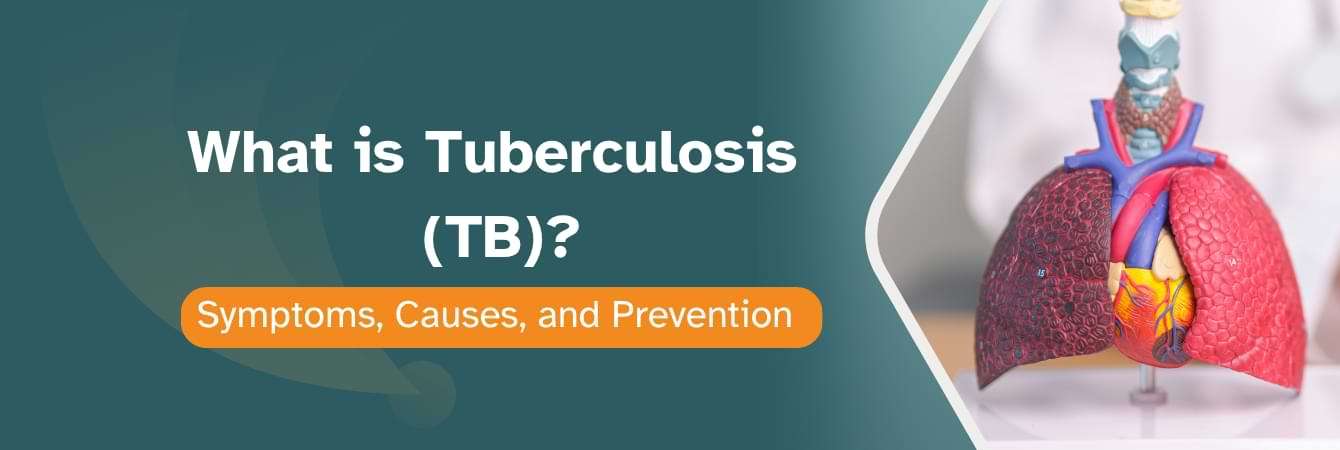
  • What is Tuberculosis (TB)? Symptoms, Causes, and Prevention

    What is Tuberculosis (TB)? Symptoms, Causes, and Prevention

    What is Tuberculosis (TB)? Symptoms, Causes, and Prevention

    What is Tuberculosis (TB) Symptoms, Causes, and Prevention

    Tuberculosis (TB) remains one of the most serious infectious diseases in the world, affecting millions of people every year. Despite medical advancements, lack of awareness still leads to delayed diagnosis and treatment. On World Tuberculosis Day, it becomes even more important to understand what TB is, how it spreads, and how it can be prevented and cured.

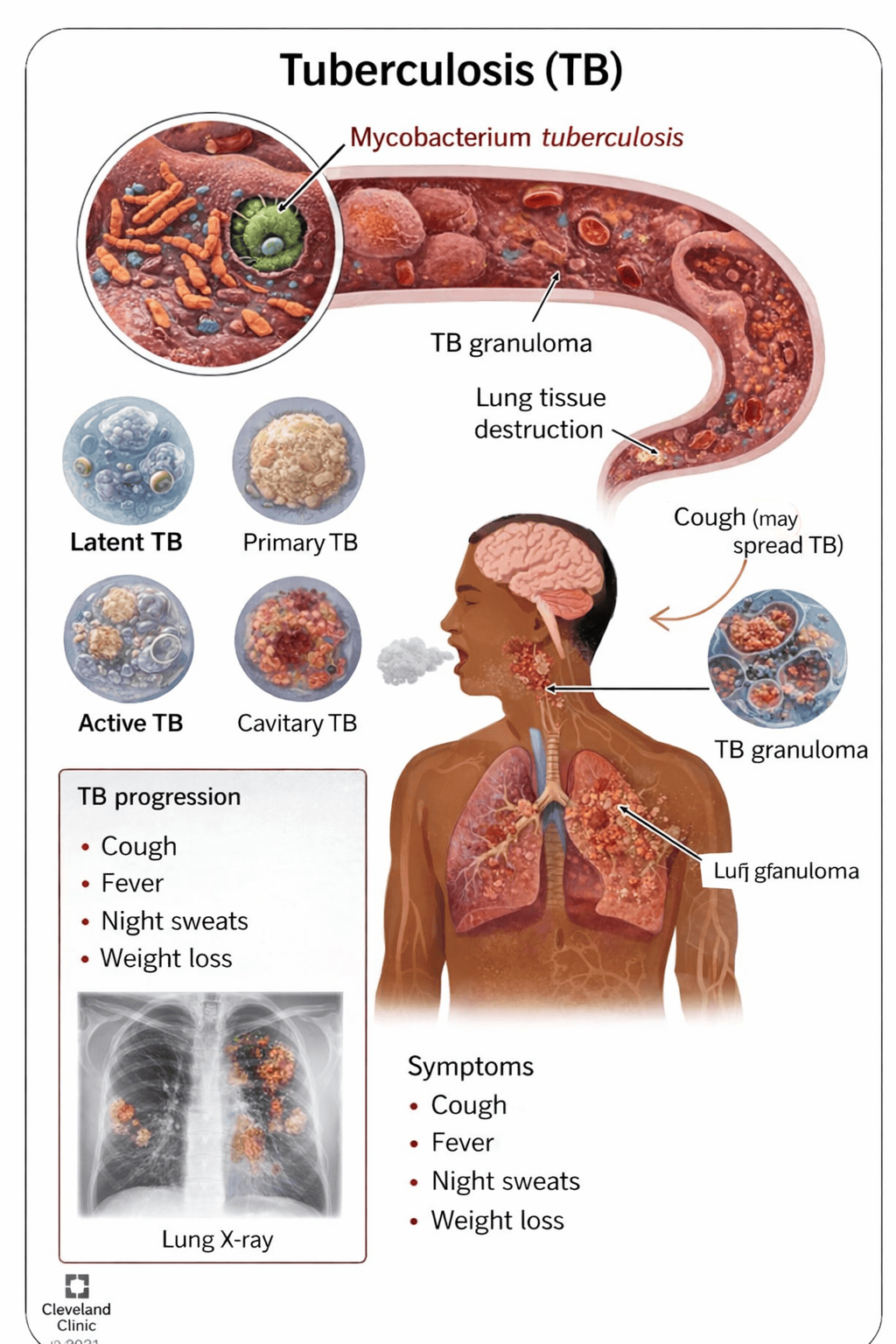
    The tuberculosis refers to a contagious airborne disease that spreads from person to person. In simple terms, TB is an illness that spreads through the air when an infected person coughs, sneezes, or talks.

    Is Tuberculosis Contagious? How is TB Transmitted?

    A common concern people have is: is TB contagious or is tuberculosis contagious? The answer is yes—TB is contagious, but not in every situation.

    TB spreads through the air, making it an airborne disease. When a person with active TB coughs, sneezes, laughs, or speaks, tiny infectious droplets are released into the air. If another person inhales these droplets, they may become infected.

    Understanding how is TB transmitted or how is tuberculosis transmitted is essential. The disease is more likely to spread in crowded and poorly ventilated environments such as public transport, small rooms, or shared living spaces. However, TB does not spread through physical contact like shaking hands, sharing food, or touching surfaces.

    TB Symptoms: Early Warning Signs You Should Not Ignore

    Recognizing TB symptoms early is one of the most effective ways to control the spread of the disease. Many people search for tuberculosis symptoms or symptoms of tuberculosis because early signs are often mild and easily ignored.

    The most common symptom is a persistent cough that lasts more than two to three weeks. This cough may gradually worsen and can sometimes include blood. Chest pain and difficulty breathing may also develop as the infection progresses.

    Other important symptoms of tuberculosis include fever, especially in the evening, and night sweats that can disrupt sleep. Unexplained weight loss and constant fatigue are also common, as the body uses more energy to fight the infection.

    These tuberculosis symptoms should never be ignored. Early diagnosis not only improves recovery chances but also prevents the infection from spreading to others.

    • Persistent cough lasting more than 2–3 weeks
    • Chest pain
    • Coughing up blood
    • Fever and chills
    • Night sweats
    • Unexplained weight loss
    • Fatigue

    Causes of Tuberculosis

    Tuberculosis is caused by bacteria called Mycobacterium tuberculosis. However, not everyone infected becomes sick.

    Factors that increase risk include:

    Understanding the cause helps in early prevention and treatment.

    TB Treatment: Is TB Treatable and Curable?

    One of the most important questions people ask is: is TB treatable and is tuberculosis curable? The answer is yes—TB is both treatable and curable with proper medical care.

    TB treatment involves a combination of antibiotics taken over a period of 6 to 9 months. These medications work together to kill the bacteria completely and prevent relapse.

    Consistent treatment is crucial. Skipping doses or stopping medication early can lead to drug-resistant TB, which is much more difficult and expensive to treat. This is why patients are often monitored closely during their tuberculosis treatment.

    Modern tuberculosis treatments are highly effective when followed correctly. With early diagnosis and proper adherence to medication, most patients recover fully.

    Prevention of Tuberculosis

    • Cover your mouth while coughing or sneezing
    • Ensure good ventilation indoors
    • Avoid close contact with infected individuals
    • Maintain a strong immune system
    • Get vaccinated (BCG vaccine for children)
    • Seek early testing if symptoms appear

    Take the First Step Toward a TB-Free Life

    If you or your loved ones are experiencing symptoms of Tuberculosis, don’t delay diagnosis or treatment. Early care can make all the difference.

    Consult the experienced medical team at Abrol Hospital for accurate diagnosis, personalized treatment, and compassionate care. Book your consultation today and take a confident step toward recovery.

    what-is-tuberculosis-tb-symptoms-causes-treatment-prevention

    Frequently Asked Questions (FAQs) About Tuberculosis (TB)

    The most common TB symptoms include a persistent cough lasting more than 2–3 weeks, chest pain, coughing up blood, fever, night sweats, weight loss, and fatigue. These tuberculosis symptoms may start mild but can worsen if left untreated.

    Early symptoms of tuberculosis often include mild cough, low-grade fever (especially in the evening), fatigue, and slight weight loss. Because these signs are subtle, many people ignore them, which delays diagnosis and treatment.

    Yes, tuberculosis is contagious. A common question is is TB contagious or is tuberculosis contagious, and the answer is yes. It spreads through the air when a person with active TB coughs, sneezes, or talks.

    If you’re wondering how is TB transmitted or how is tuberculosis transmitted, it spreads through airborne droplets. When an infected person releases bacteria into the air, others can inhale it, especially in crowded or poorly ventilated spaces.

    Tuberculosis is caused by the bacterium Mycobacterium tuberculosis. However, not everyone exposed to the bacteria becomes sick. Factors like weak immunity, malnutrition, smoking, and chronic illnesses increase the risk of developing active TB.

    TB treatment involves a combination of antibiotics taken for 6 to 9 months. Proper adherence to the full course of tuberculosis treatment is essential to completely eliminate the bacteria and prevent drug resistance.

    The TB meaning or tuberculosis meaning refers to a bacterial infection that spreads through the air and primarily affects the lungs. It is one of the oldest known infectious diseases but remains a major global health concern.

    Recent Post

    Book Appointment

  • What Is Sepsis? Symptoms, Warning Signs & Treatment Options

    What Is Sepsis? Symptoms, Warning Signs & Treatment Options

    What Is Sepsis? Symptoms, Warning Signs & Treatment Options

    What Is Sepsis Symptoms, Warning Signs & Treatment Options

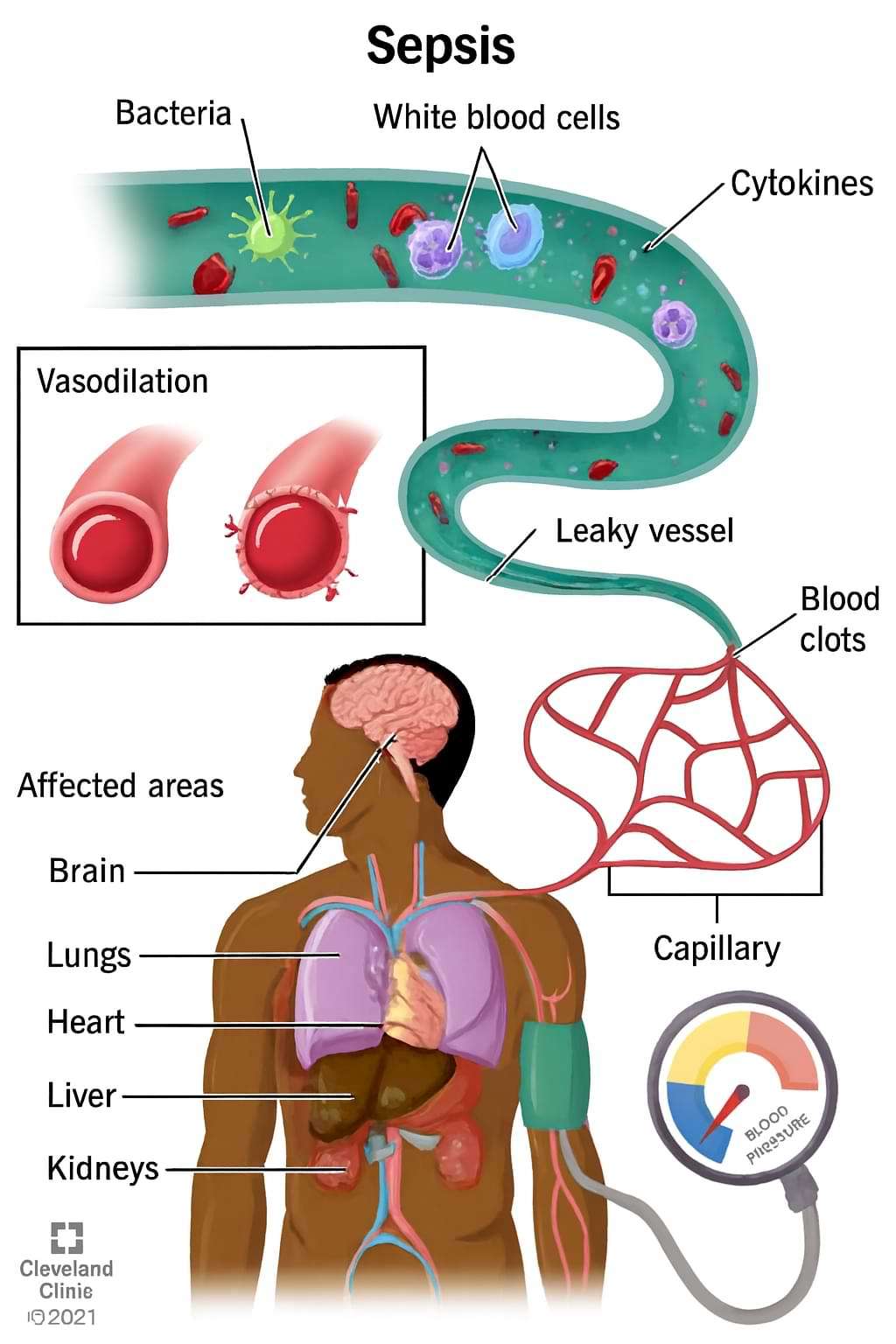
    Sepsis is a life-threatening medical emergency that occurs when the body’s response to an infection becomes dysregulated and damages its own tissues and organs. Instead of targeting only the invading pathogen, the immune system triggers widespread inflammation throughout the body. This systemic inflammatory response can impair blood flow, cause clot formation in small vessels, and reduce oxygen delivery to vital organs. Without rapid treatment, sepsis can progress to organ failure, septic shock, and death.

    Understanding sepsis symptoms, early warning signs, and treatment options is critical because early intervention dramatically improves survival rates. This guide provides a detailed explanation of causes, risk factors, symptoms, diagnosis, treatment, and prevention strategies.

    What Is Sepsis?

    Sepsis develops when the body’s immune response to an infection becomes overwhelming and harmful. Normally, when bacteria, viruses, or fungi invade the body, the immune system releases chemicals into the bloodstream to fight the infection. However, in sepsis, these chemicals trigger widespread inflammation that disrupts normal blood flow and organ function.

    As inflammation spreads, blood vessels may become leaky, blood pressure may drop, and tiny clots can form throughout the bloodstream. This combination reduces oxygen and nutrient delivery to organs such as the brain, heart, kidneys, and lungs. If not treated promptly, this process can escalate into severe sepsis and septic shock.

    Septic shock is the most dangerous stage of sepsis. It occurs when blood pressure drops to critically low levels despite fluid replacement, leading to multiple organ failure. Septic shock requires intensive care and carries a significantly higher risk of death.

    What Causes Sepsis?

    Sepsis is not an infection itself but a complication of an infection. Almost any infection can lead to sepsis if it spreads or triggers an extreme immune response.

    ➖ Lung Infections

    Respiratory infections are one of the most common causes of sepsis. Severe pneumonia, whether bacterial or viral, can spread into the bloodstream and trigger systemic inflammation. Older adults and individuals with weakened immune systems are particularly vulnerable.

    ➖ Urinary Tract Infections (UTIs)

    Untreated urinary tract infections, especially those that spread to the kidneys, can enter the bloodstream and cause sepsis. This risk is higher in elderly individuals and patients with urinary catheters.

    ➖ Abdominal Infections

    Infections such as appendicitis, gallbladder infections, or peritonitis can lead to sepsis if bacteria enter the bloodstream. Gastrointestinal perforations are particularly dangerous.

    ➖ Skin and Soft Tissue Infections

    Infections such as cellulitis, infected wounds, surgical site infections, or severe burns can allow bacteria to invade deeper tissues and trigger sepsis.

    ➖ Bloodstream Infections

    Infections directly involving the bloodstream, sometimes associated with intravenous lines or medical devices, can rapidly lead to sepsis.

    Although bacterial infections are the most common cause, viral infections (such as influenza), fungal infections, and parasitic infections can also result in sepsis.

    Early Symptoms of Sepsis

    Recognizing early signs of sepsis is crucial because the condition can worsen rapidly within hours.

    ➖ Fever or Low Body Temperature

    A high fever is a common early symptom, but some individuals, particularly the elderly, may experience abnormally low body temperature instead.

    ➖ Rapid Heart Rate

    The heart may beat faster as the body attempts to compensate for inflammation and reduced blood flow.

    ➖ Rapid Breathing or Shortness of Breath

    Increased breathing rate may occur as the body struggles to maintain oxygen levels.

    ➖ Confusion or Disorientation

    Changes in mental status, such as confusion or difficulty staying alert, are important early warning signs, especially in older adults.

    ➖ Extreme Pain or Discomfort

    Many patients describe severe discomfort or a feeling that “something is seriously wrong.”

    ➖ Clammy or Sweaty Skin

    Skin may appear pale, cool, or clammy due to circulation problems.

    Early recognition and immediate medical attention can prevent progression to severe sepsis.

    Treatment Options for Sepsis

    Antibiotics

    Broad-spectrum intravenous antibiotics are administered as soon as possible to combat the infection. Once lab results identify the specific organism, antibiotics may be adjusted accordingly.

    Intravenous (IV) Fluids

    Large volumes of IV fluids are given to maintain blood pressure and improve circulation.

    Vasopressors

    If blood pressure remains dangerously low despite fluids, medications called vasopressors are used to constrict blood vessels and raise blood pressure.

    Oxygen Therapy and Ventilation

    Supplemental oxygen may be provided. In severe cases, mechanical ventilation is required to support breathing.

    Source Control

    If an abscess, infected device, or damaged tissue is causing the infection, surgical intervention may be necessary to remove the source.

    Don’t Ignore the Warning Signs of Sepsis — Act Fast, Save a Life

    At Abrol Hospital, our experienced doctors and critical care specialists are equipped to provide prompt diagnosis, advanced monitoring, and evidence-based treatment for sepsis and severe infections. From emergency stabilization to intensive care support, our team is committed to delivering timely and life-saving care.

    Consult Our Doctors Today at Abrol Hospital, Gurdaspur — Because Every Minute Matters in Sepsis Care.

    What is Sepsis & Sepsis Symptoms

    Frequently Asked Questions (FAQs) About Sepsis

    Sepsis is a life-threatening condition that happens when the body’s response to an infection damages its own tissues and organs. It can start from common infections like pneumonia, urinary tract infections, or skin infections and quickly become dangerous without treatment.

    Early signs of sepsis may include fever or low body temperature, rapid heartbeat, fast breathing, confusion, extreme discomfort, and clammy or sweaty skin. In elderly patients, confusion may be the first noticeable symptom.

    Sepsis can develop rapidly — sometimes within hours. An infection that initially seems mild can escalate quickly, which is why early recognition and immediate medical care are critical.

    Sepsis itself is not contagious. However, the infections that lead to sepsis (such as bacterial or viral infections) can sometimes spread from person to person.

    People at higher risk include adults over 65, infants under one year, individuals with weakened immune systems, patients with chronic illnesses (such as diabetes or kidney disease), and hospitalized patients with invasive medical devices.

    Septic shock is the most severe stage of sepsis. It occurs when blood pressure drops dangerously low despite fluid treatment, leading to organ failure. It is a medical emergency requiring intensive care.

    Seek immediate medical attention if someone with an infection develops confusion, difficulty breathing, high or very low temperature, rapid heartbeat, extreme weakness, or low blood pressure. Prompt treatment can save lives.

    Recent Post

    Book Appointment

  • Abdominal Pain & Bloating: Causes, Diagnosis & Treatment

    Abdominal Pain & Bloating: Causes, Diagnosis & Treatment

    Abdominal Pain & Bloating: Causes, Diagnosis & Treatment

    Abdominal Pain & Bloating Causes, Diagnosis & Treatment

    Abdominal pain and bloating are among the most frequent digestive complaints reported worldwide. While occasional stomach pain or belly bloating is usually harmless, persistent or intense abdominal pain may indicate an underlying medical condition that requires professional evaluation.

    Understanding Abdominal Pain & Bloating

    • Abdominal pain, often described as a stomach ache or abdomen ache, refers to discomfort felt anywhere between the rib cage and the pelvic region. The pain may vary in nature depending on the affected organ, intensity, and duration.
    • Bloating refers to the uncomfortable sensation of fullness, tightness, or swelling in the abdomen. Many individuals describe bloating as having a bloated stomach or belly bloating, often accompanied by visible distension and gas.

    Types of Abdominal Pain

    1. Acute abdominal pain develops suddenly and is often severe. It may be associated with conditions such as appendicitis, food poisoning, or gallstones. This type of pain requires urgent medical attention, especially if it worsens rapidly.
    2. Chronic abdominal pain persists for weeks or months and may come and go. Conditions like irritable bowel syndrome (IBS), acid reflux, or chronic gastritis commonly cause long-term stomach pain and bloating.
    3. Localized abdominal pain: occurs in one specific area, such as the lower abdomen or upper right side. For example, lower left abdominal pain may be associated with conditions affecting the colon, intestines, or reproductive organs and should be evaluated if persistent.
    4. Generalized abdominal pain affects a larger area of the abdomen and is often linked to digestive disorders, gas accumulation, or infections.

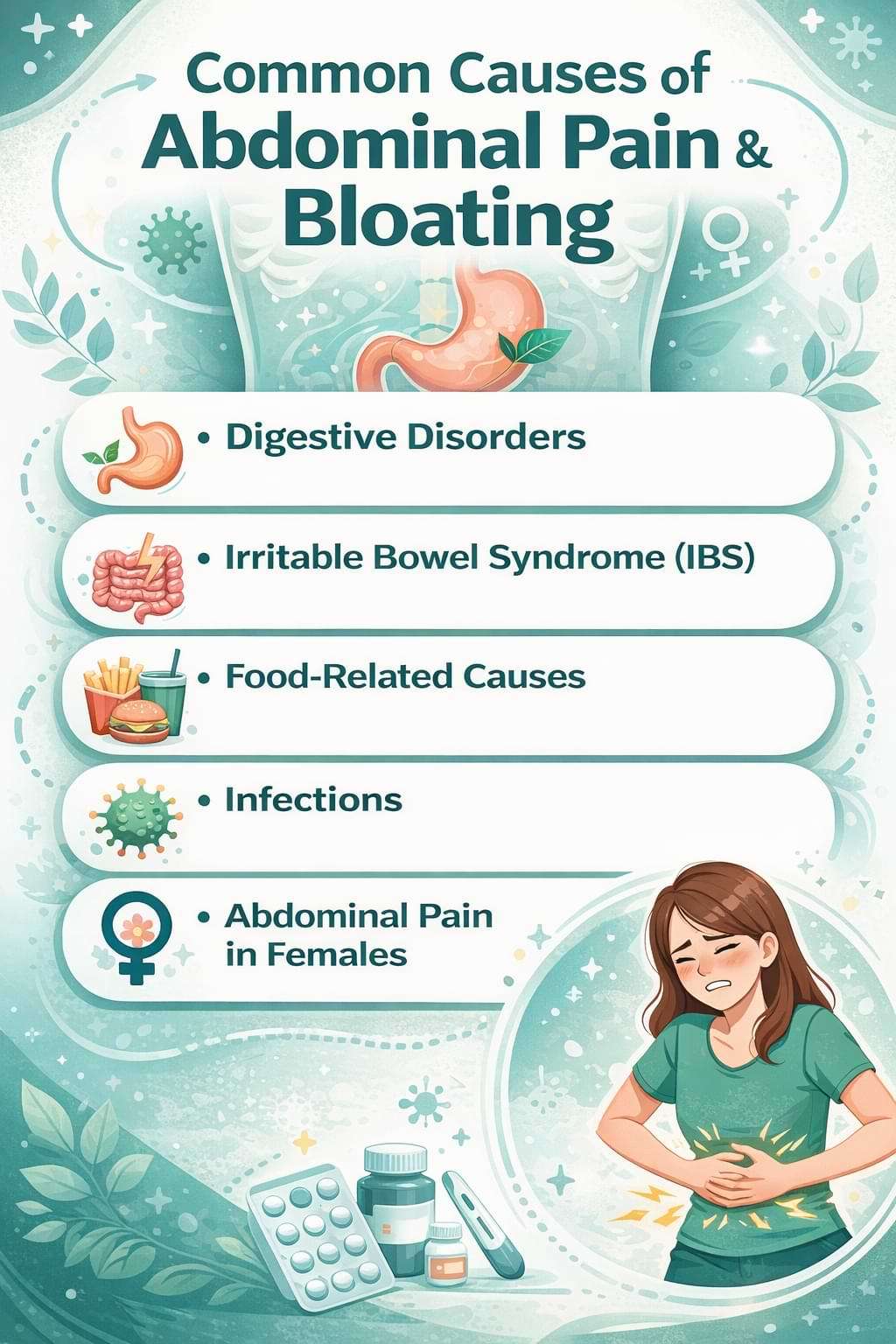
    Common Causes of Abdominal Pain and Bloating

    • Digestive Disorders:
      Digestive conditions are the most common causes of stomach pain and bloating. Indigestion occurs when the stomach struggles to break down food properly, leading to discomfort, fullness, and gas. Gastritis, which is inflammation of the stomach lining, often causes burning pain, nausea, and bloating stomach symptoms.
      Read: Best Ways to Improve Digestive System
    • Irritable Bowel Syndrome (IBS)
      It is a functional digestive disorder characterized by chronic abdominal pain, bloating, diarrhea, or constipation. Stress, diet, and gut sensitivity play major roles in IBS-related belly bloating and stomach aches.
    • Food-Related Causes
      Certain foods can trigger abdominal pain and bloating, especially when consumed in excess. Overeating places pressure on the digestive system, causing stomach pain and bloated stomach sensations. Food intolerances such as lactose intolerance or gluten sensitivity prevent proper digestion, leading to gas, cramping, and belly bloating.
    • Infections
      Gastrointestinal infections caused by bacteria, viruses, or parasites can result in intense abdominal pain and bloating. Food poisoning often presents with sudden stomach pain, vomiting, diarrhea, and abdominal swelling. Parasitic infections may cause chronic gut bloating, weight loss, and persistent discomfort if left untreated.
    • Abdominal Pain in Females
      Abdominal pain in females may be related to reproductive health. Menstrual cramps commonly cause lower abdominal pain and bloating due to hormonal changes. Conditions such as ovarian cysts, endometriosis, and pelvic inflammatory disease can lead to recurring abdomen female pain and bloated stomach symptoms.

    Treatment Options for Abdominal Pain and Bloating

    • Medical Treatment
      Treatment depends on the underlying cause. Acid-reducing medications relieve gastritis and acid reflux. Antibiotics are prescribed for bacterial infections. Antispasmodic drugs help reduce cramping in IBS (Irritable Bowel Syndrome), while probiotics improve gut health and reduce gut bloating.
    • Dietary Management
      Diet plays a crucial role in managing stomach pain and bloating. Eating smaller, frequent meals reduces digestive strain. Identifying and avoiding trigger foods helps prevent recurring belly bloating. Increasing fiber gradually supports bowel health without worsening bloating stomach symptoms.
    • Lifestyle Modifications
      Regular physical activity improves digestion and reduces gas buildup. Stress management techniques such as yoga and meditation help alleviate IBS-related abdominal pain. Avoiding smoking, alcohol, and late-night meals also supports digestive health.

    Diagnosis of Abdominal Pain and Bloating

    Accurate diagnosis begins with a thorough medical history and physical examination. Doctors assess the location, duration, intensity, and pattern of stomach pain and bloating, along with dietary habits and associated symptoms.

    Diagnostic tests such as blood tests help detect infections or inflammation. Imaging studies like abdominal ultrasound or CT scans provide detailed views of abdominal organs. Endoscopy and colonoscopy may be recommended to evaluate the stomach and intestines for ulcers, inflammation, or tumors.

    Consult Our Expert Gastroenterologist in Punjab

    If you are experiencing persistent abdominal pain, stomach ache, or bloating, do not ignore the symptoms. Early diagnosis can prevent complications and ensure effective treatment.

    👉 Consult our experienced Gastroenterologist in Punjab for accurate diagnosis and personalized treatment of abdominal pain and bloating. Our specialist uses advanced diagnostic tools and evidence-based treatment approaches to help you achieve long-term digestive health.

    📞 Book your consultation today and take the first step toward relief from stomach pain, bloated stomach, and gut bloating.

    bloting & Gastroenterologist in Punjab

    Frequently Asked Questions (FAQs) About Abdominal Pain & Bloating

    The most common causes of abdominal pain and bloating include indigestion, gastritis, acid reflux, irritable bowel syndrome (IBS), food intolerance, infections, and excessive gas formation. In some cases, serious conditions like gallstones or appendicitis may also cause intense abdominal pain and bloated stomach symptoms.

    You should consult a gastroenterologist if abdominal pain or bloating lasts more than a few days, becomes severe, or is associated with symptoms like vomiting, blood in stool, fever, or unexplained weight loss. Persistent stomach pain and gut bloating require professional evaluation.

    Diagnosis involves a detailed medical history, physical examination, and diagnostic tests such as blood tests, ultrasound, CT scan, endoscopy, or colonoscopy. These tests help identify the exact cause of stomach pain and bloating stomach problems.

    Treatment depends on the underlying cause and may include medications such as antacids, antibiotics, probiotics, or antispasmodics. Dietary changes, lifestyle modifications, and stress management also play a crucial role in relieving belly bloating and abdominal discomfort.

    Yes, stress can significantly affect digestion and is a common trigger for irritable bowel syndrome (IBS). Stress-related digestive issues often cause stomach pain, belly bloating, and changes in bowel habits.

    Abdominal pain in females may be linked to menstrual cycles, ovarian cysts, endometriosis, or pregnancy, in addition to digestive causes. A gastroenterologist may collaborate with a gynecologist for accurate diagnosis.

    Recent Post

    Book Appointment

  • What is Meningitis? Symptoms, Causes, and Prevention Options

    What is Meningitis? Symptoms, Causes, and Prevention Options

    What is Meningitis? Key Symptoms, Causes, and and Prevention Options

    What is Meningitis Key Symptoms, Causes, and and Prevention Options

    Meningitis is a serious and potentially life-threatening medical condition that requires immediate attention. Every year, thousands of people worldwide are affected by meningitis, and while some recover fully, others may face severe complications or long-term health problems. Understanding what meningitis is, recognizing meningitis symptoms early, and knowing the causes and treatment options can save lives.

    What Is Meningitis?

    Meningitis is an inflammation of the meninges—the protective membranes that surround the brain and spinal cord. These membranes play a critical role in protecting the central nervous system. When they become inflamed, it can disrupt normal brain function and lead to serious complications.

    Many people ask, “what is meningitis?” In simple terms, it is usually caused by an infection—most commonly viral or bacterial—but it can also result from fungi, parasites, autoimmune diseases, or certain medications.

    What Is Spinal Meningitis?

    Spinal meningitis is a term often used interchangeably with meningitis, but it specifically refers to inflammation affecting the membranes around the spinal cord. Because the brain and spinal cord are closely connected, most meningitis cases affect both areas.

    Spinal meningitis is especially dangerous because inflammation can interfere with nerve signaling, potentially leading to:

    • Muscle weakness

    • Loss of coordination

    • Paralysis

    • Permanent nerve damage

    Types of Meningitis

    1. Viral Meningitis

    This is the most common and generally the least severe form. It is often caused by enteroviruses and usually improves without specific treatment.

    2. Bacterial Meningitis

    Bacterial meningitis is a medical emergency. It can progress rapidly and may cause death or permanent disability if untreated. Common bacteria include:

    • Streptococcus pneumoniae
    • Neisseria meningitidis
    • Haemophilus influenzae

    3. Fungal Meningitis

    This rare type usually affects people with weakened immune systems and develops more slowly than bacterial meningitis.

    4. Parasitic Meningitis

    Very uncommon, parasitic meningitis can be severe and is often linked to contaminated food or water.

    5. Non-Infectious Meningitis

    Caused by conditions such as lupus, cancer, head injury, or certain medications.

    Know About Meningitis Symptoms

    Recognizing meningitis symptoms early is one of the most critical factors in improving outcomes. Symptoms can appear suddenly or develop gradually, depending on the cause.

    Early Meningitis Symptoms

    In the early stages, meningitis symptoms often resemble those of common infections. These may include fever, headache, fatigue, nausea, psychosomatic disorders  and a general feeling of being unwell. Neck stiffness is a classic symptom and occurs because inflammation makes it painful to move the neck. Sensitivity to light and difficulty concentrating are also common early signs.

    Severe or Advanced Symptoms

    As the condition progresses, symptoms can become more severe and alarming. These include confusion, difficulty staying awake, seizures, cold hands and feet, rapid breathing, and changes in skin color. In advanced cases, loss of consciousness may occur. These symptoms indicate a medical emergency and require immediate attention.

    Meningitis Symptoms in Adults

    In adults, meningitis symptoms often include intense headache, high fever, stiff neck, and confusion. Adults may also experience sensitivity to light, vomiting, and difficulty focusing. Because adults may dismiss early symptoms as flu or stress, diagnosis is sometimes delayed, increasing the risk of complications.

    Symptoms in Children and Infants

    In infants and young children, meningitis symptoms may look different. Signs can include persistent crying, poor feeding, vomiting, unusual sleepiness, or a bulging soft spot on the head. Because infants cannot communicate symptoms clearly, caregivers should seek medical help if they notice sudden behavioral or physical changes.

    What Causes Meningitis?

    Many people search what causes meningitis because the condition can develop unexpectedly. The cause depends on the type of meningitis, but infections are the most common triggers.

    Viral Causes of Meningitis

    Viruses are responsible for most meningitis cases worldwide. These viruses spread easily through close contact, coughing, sneezing, or poor hygiene. While viral meningitis is usually less severe, it can still cause significant discomfort and require medical evaluation.

    Bacterial Causes of Meningitis

    Bacterial meningitis occurs when bacteria enter the bloodstream and travel to the brain and spinal cord. It can also develop from infections in nearby areas such as the sinuses or ears. This form progresses rapidly and requires immediate antibiotic treatment.

    Other Causes of Meningitis

    Fungal, parasitic, and non-infectious causes account for a smaller number of cases. These are often associated with weakened immune systems, chronic illness, or environmental exposure.

    Causes of Meningitis in Adults

    The causes of meningitis in adults often include bacterial infections, particularly in those with underlying health conditions. Adults with weakened immune systems, chronic diseases, alcohol misuse, or recent infections are at higher risk. Lifestyle and environmental factors also play a role.

    Prevention of Meningitis

    Preventing meningitis is far more effective than treating it after infection occurs. Vaccination is the most powerful preventive tool, particularly against bacterial meningitis. Maintaining good hygiene, avoiding sharing personal items, and strengthening the immune system also help reduce risk.

    Consult an Experienced Doctor in Gurdaspur for Meningitis Treatment

    If you or a loved one is experiencing symptoms of meningitis, timely medical care is critical. Early diagnosis and proper treatment can significantly reduce the risk of serious complications. Our experienced and qualified doctors in Gurdaspur specialize in diagnosing and treating meningitis with a patient-centered approach and up-to-date medical protocols.

    📞 Book a consultation now and take the first step toward safe and effective meningitis care.

    what is meningitis symptoms causes

    Frequently Asked Questions (FAQs) About Meningitis

    When people refer to meningitis disease, they are describing the overall condition rather than a single illness. Meningitis is not one disease but a group of conditions that cause inflammation of the brain and spinal cord coverings.

    Spinal meningitis refers to meningitis that affects the membranes around the spinal cord. Since the brain and spinal cord share the same protective layers, most meningitis cases involve both areas.

    The most common meningitis symptoms include high fever, severe headache, stiff neck, nausea, vomiting, sensitivity to light, and confusion. Symptoms can develop suddenly or gradually and may worsen quickly. In severe cases, seizures, difficulty waking, and changes in skin color may occur.

    Early meningitis symptoms often resemble flu-like illness and may include fever, headache, fatigue, nausea, and neck stiffness. Sensitivity to light and difficulty concentrating are also early warning signs. Because symptoms can escalate rapidly, early medical evaluation is crucial.

    Yes, meningitis symptoms in adults often include intense headache, high fever, stiff neck, confusion, and sensitivity to light. Adults may also experience vomiting, difficulty focusing, and extreme tiredness.

    Recent Post

    Book Appointment

  • What Sickness Is Going Around Right Now? Cold Illness Symptoms Parents Should Know

    What Sickness Is Going Around Right Now? Cold Illness Symptoms Parents Should Know

    What Sickness Is Going Around Right Now? Cold Illness Symptoms Parents Should Know

    What Sickness Is Going Around Right Now Cold Illness Symptoms Parents Should Know

    Every winter, parents start asking the same question: “What sickness is going around right now?” Between sniffles at school, coughs at daycare, and viruses going around in the community, it can feel overwhelming. Understanding the cold illness symptoms, psychosomatic disorders & knowing when to seek medical help, and learning simple prevention tips can help you keep your family healthier and less stressed.

    During colder months, kids spend more time indoors where air circulation is poor. Germs thrive in these environments and spread easily through:

    • Coughing and sneezing

    • Touching shared objects (toys, desks, doorknobs)

    • Close contact at school, buses, sports, or daycare

    • Poor hand-washing habits

    The Most Common Illnesses Going Around Right Now:

    Seasonal changes, crowded classrooms, and indoor gatherings create the perfect environment for germs to spread. Understanding what sickness is going around right now — and learning how to prevent it — helps parents protect their children before illness takes hold.

    1. The Common Cold — The Most Frequent Virus Going Around
    The common cold remains the most widespread virus going around each winter. Because more than 200 different viruses cause colds, children may catch one several times a year. Symptoms usually include a runny or blocked nose, sore throat, mild cough, sneezing, and occasional low fever. These cold illness symptoms develop slowly and typically last 5–10 days.

    Prevention tips for colds:

    • Teach kids to wash hands frequently (20 seconds)

    • Avoid touching eyes, nose, and mouth

    • Disinfect phones, toys, doorknobs, school bags

    • Encourage personal towels, bottles, and utensils

    • Keep children home when they have fever or heavy cough

    2. Influenza (Flu) — Sudden and Intense Illness
    Influenza — often referred to as the flu going around — spreads rapidly and can cause severe fatigue, high fever, chills, cough, headaches, and body aches. Unlike colds, flu symptoms appear suddenly and can make children extremely weak. Young children, elderly adults, and those with medical conditions face higher risks of complications such as pneumonia.

    Prevention tips for flu:

    • Annual flu vaccination

    • Avoid close contact with sick people

    • Keep kids home at the first sign of fever

    • Clean frequently touched surfaces

    • Encourage good sleep — strong immunity fights flu faster

    3. RSV -Respiratory Syncytial Virus (Common Among Babies and Toddlers)

    RSV (Respiratory Syncytial Virus) is another virus going around frequently in winter. For older children it may look like a bad cold, but in infants and toddlers it can affect breathing. Symptoms include runny nose, heavy cough, wheezing, and reduced appetite. Babies may struggle to feed or breathe comfortably when infected.

    Prevention tips for RSV:

    • Wash hands before touching babies

    • Avoid kissing babies on the face

    • Keep infants away from crowded indoor places

    • Clean pacifiers, bottles, and toys daily

    • Keep smokers away — smoke worsens RSV symptoms

    4. Strep Throat — Bacterial Illness Going Around
    Unlike many illnesses going around that are viral, strep throat is bacterial and requires antibiotics. Children experience sudden severe throat pain, fever, difficulty swallowing, and swollen glands. Without proper treatment, strep can cause complications such as rheumatic fever.

    Prevention tips:

    • Don’t share water bottles or utensils

    • Teach children not to share food in school

    • Replace toothbrush after treatment begins

    • Complete the full antibiotic course (doctor prescribed)

    5. Stomach Viruses (Gastroenteritis)
    When schools report a stomach virus going around, they usually mean viral gastroenteritis. Symptoms include vomiting, diarrhea, abdominal cramps, and dehydration risk. These viruses spread through contaminated food, unwashed hands, and shared bathrooms.

    Prevention tips:

    • Wash hands before eating and after bathroom use

    • Sanitize bathroom surfaces regularly

    • Avoid raw or improperly stored foods

    • Keep sick children home for 48 hours after symptoms stop

    • Encourage frequent hydration

    Don’t Guess the Illness — Get Expert Care Today

    If your child is showing cold illness symptoms, fever, cough, breathing difficulty, or you are unsure what sickness is going around right now, don’t wait.

    📞 Consult our experienced doctors in Abrol Hospital, Gurdaspur, for proper diagnosis and treatment.
    We’ll evaluate symptoms, provide the right care plan, and help prevent complications — so your child recovers faster and stays protected.

    Cold Illness Symptoms Parents Should Know

    Frequently Asked Questions About Illnesses Going Around Right Now

    Most commonly, the illnesses going around right now include the common cold, flu, RSV, stomach viruses, strep throat, and COVID-19. These infections spread quickly in schools, daycare centers, and crowded indoor spaces. Knowing what sickness is going around right now helps parents recognize symptoms early and prevent complications.

    Typical symptoms for cold include a runny nose, sore throat, cough, sneezing, mild fever, and congestion. These cold illness symptoms usually appear gradually and last 5–10 days. If your child has difficulty breathing, persistent fever, or severe fatigue, seek medical advice.

    A cold develops slowly and usually causes mild symptoms.
    The flu appears suddenly and brings high fever, body aches, chills, and extreme tiredness. If you suspect flu — especially when a virus is going around at school — consult your doctor for guidance and treatment options.

    Cold weather drives people indoors, where germs circulate more easily. Dry air weakens the body’s natural defenses and makes it easier for respiratory viruses to enter. That’s why we often hear about multiple illnesses going around during winter months.

    Hand-washing, disinfecting high-touch surfaces, avoiding shared cups, and keeping sick children at home greatly reduce risk. Staying hydrated, sleeping well, and maintaining good nutrition also strengthen immunity against viruses going around your community.

    Recent Post

    Book Appointment

  • Leukocytes in Urine: Common Causes & Symptoms of WBC Urine

    Leukocytes in Urine: Common Causes & Symptoms of WBC Urine

    Leukocytes in Urine: Common Causes of Leukocytes (White Blood Cells) in Urine

    Leukocytes in Urine Common Causes of Leukocytes (White Blood Cells) in Urine

    leukocytes in urine is a common laboratory result that often raises concern. Leukocytes—also known as white blood cells (WBCs)—are an essential part of the immune system. Their presence in urine can indicate infection, inflammation, or other underlying health conditions affecting the urinary tract or kidneys.

    What Are Leukocytes?

    Leukocytes, or white blood cells, are immune cells that protect the body from infections and foreign invaders. They circulate in the blood and tissues, identifying and fighting bacteria, viruses, fungi, and other harmful organisms.

    Under normal conditions, urine contains little to no white blood cells. When leukocytes are detected in urine, it usually suggests the body is responding to inflammation or infection somewhere in the urinary system.

    What Does Leukocytes in Urine Mean?

    Leukocytes in urine (also called pyuria) means that white blood cells are present in the urine sample. This can occur when:

    • The urinary tract is inflamed or infected

    • The kidneys are affected

    • There is irritation or contamination of the urine sample

    While leukocytes in urine are most commonly linked to urinary tract infections (UTIs), they are not exclusive to infections and may appear in other conditions.

    Normal vs Abnormal Levels of White Blood Cells in Urine

    • Normal urine: 0–5 white blood cells per high-power field (HPF)

    • Abnormal urine: More than 5 WBCs per HPF

    Higher levels of white blood cells in urine increase the likelihood of infection or inflammation and often require further testing.

    Common Causes of Leukocytes in Urine

    1. Urinary Tract Infection (UTI)

    The most common cause of leukocytes in urine is a urinary tract infection. UTIs occur when bacteria enter the urinary tract and begin to multiply, triggering an immune response. As white blood cells move in to fight the bacteria, they appear in the urine.

    People with UTIs often have both leukocyte esterase in urine and increased white blood cells in urine, along with symptoms such as burning during urination, frequent urination, and cloudy urine.

    2. Kidney Infection (Pyelonephritis)

    A kidney infection is a serious type of UTI that affects the kidneys rather than just the bladder or urethra. In this condition, leukocytes in urine are usually present in high numbers because the infection triggers a strong immune response.

    Symptoms may include fever, chills, lower back or side pain, nausea, and fatigue. Kidney infections require prompt medical treatment, as untreated cases can lead to long-term kidney damage.

    3. Inflammation of the Urinary Tract

    Not all cases of leukocytes in urine are caused by infection. Inflammation of the urinary tract lining can also allow white blood cells to enter the urine. This inflammation may be caused by physical irritation, trauma, chemical exposure, or chronic conditions.

    In such cases, leukocyte esterase in urine may be positive even when urine cultures show no bacterial growth.

    4. Kidney Stones

    Kidney stones can irritate the urinary tract as they move through it. This irritation often causes inflammation, which leads to the release of white blood cells into the urine.

    People with kidney stones may have white blood cells in urine, blood in urine, and significant pain. Leukocytes may be present even if there is no infection.

    5. Contamination During Urine Collection

    Improper urine collection is a common reason for leukocytes appearing in urine test results. White blood cells from the skin or genital area can enter the sample, especially if a clean-catch method is not used.

    This is particularly common in females and may lead to a false-positive result for leukocytes in urine.

    6. Leukocytes in Urine Without Infection (Sterile Pyuria)

    Sometimes, leukocytes are found in urine even though no bacteria are detected. This condition is known as sterile pyuria.

    Possible causes include chronic kidney disease, autoimmune disorders, recent infections, or the use of certain medications. Further evaluation is often needed to identify the underlying reason.

    7. Leukocytes in Urine During Pregnancy

    Pregnancy increases the risk of urinary changes due to hormonal shifts and pressure on the urinary tract. As a result, leukocytes in urine may be detected more frequently.

    Routine urine tests during pregnancy help identify infections early and prevent complications that could affect both the parent and baby.

    Symptoms Associated With Leukocytes in Urine

    Leukocytes themselves do not cause symptoms. Symptoms depend entirely on the underlying cause. Common symptoms include pain during urination, frequent urination, pelvic discomfort, cloudy urine, or fever.

    In some cases, individuals may have leukocytes in urine with no symptoms, discovered only during routine testing.

    Expert care for leukocytes in urine and urinary infections—consult a specialist in Gurdaspur

    If your urine test shows leukocytes in urine or a positive leukocyte esterase in urine, it’s important not to ignore it. Early evaluation can help prevent complications such as worsening infections or kidney problems.

    👉 Consult an experienced urologist or relevant doctors in Gurdaspur for accurate diagnosis and personalized treatment. Our specialists use advanced diagnostic tests to identify the exact cause of white blood cells in urine and provide timely, effective care.

    Causes of Leukocytes (White Blood Cells) in Urine

    FAQs on Leukocytes in Urine

    Leukocytes in urine indicate the presence of white blood cells, which usually means the body is responding to an infection or inflammation in the urinary tract, bladder, or kidneys. The most common cause is a urinary tract infection, but other conditions can also lead to this finding.

    Not exactly. Leukocyte esterase in urine is an enzyme released by white blood cells. A positive leukocyte esterase test suggests the presence of leukocytes in urine, but microscopic examination is needed to confirm the actual number of white blood cells.

    Yes. White blood cells in urine can appear without infection due to inflammation, kidney stones, contamination during urine collection, or chronic conditions. This is sometimes called sterile pyuria and requires further medical evaluation.

    Leukocytes themselves are not dangerous, but they signal an underlying issue. If left untreated, the cause—such as a urinary tract or kidney infection—can lead to complications. That’s why timely consultation with a doctor is important.

    You can consult a qualified urologist or relevant doctor in Gurdaspur for proper diagnosis and treatment of leukocytes in urine. Local specialists can perform urine tests, imaging, and provide targeted care.

    Recent Post

    Book Appointment

  • What Is Lactose Intolerance? Common Signs and Symptoms of Lactose Intolerance

    What Is Lactose Intolerance? Common Signs and Symptoms of Lactose Intolerance

    What Is Lactose Intolerance? Common Signs and Symptoms of Lactose Intolerance

    What Is Lactose Intolerance Common Signs and Symptoms of Lactose Intolerance

    Lactose intolerance is a widespread digestive issue that impacts individuals of all ages, Lactose intolerance is a widespread digestive issue that impacts individuals discomfort after the consumption of dairy products.

    Lactose intolerance is far more common than most people think. If you’ve ever felt bloated, gassy, or rushed to the bathroom after drinking milk or eating ice cream, your body might be trying to tell you something. Lactose intolerance isn’t a disease, but it can seriously affect your comfort, diet, and quality of life if ignored. Let’s break it down in simple, human terms—no medical jargon overload, just clear, helpful information.

    Understanding Lactose and Digestion

    What Is Lactose?

    Lactose is a natural sugar found in milk and dairy products. Think of it as a two-piece puzzle made of glucose and galactose. Your body needs a specific enzyme to break this puzzle apart before it can absorb it properly.

    Role of Lactase Enzyme in the Body

    Lactase is the enzyme responsible for breaking down lactose in the small intestine. When lactase levels are low or missing, lactose remains undigested. This undigested lactose then travels to the large intestine, where bacteria ferment it—leading to gas, bloating, and other uncomfortable symptoms of lactose intolerance.

    Types of Lactose Intolerance

    Primary Lactose Intolerance

    This is the most common type. People are born with enough lactase, but production decreases with age. Symptoms often appear in adulthood and worsen over time.

    Secondary Lactose Intolerance

    This type develops due to damage to the small intestine from conditions like gastroenteritis, celiac disease, or Crohn’s disease. Treating the underlying condition may improve lactose digestion.

    Congenital Lactose Intolerance

    A rare genetic condition where babies are born without the ability to produce lactase. Symptoms appear immediately after consuming breast milk or formula.

    Developmental Lactose Intolerance in Infants

    Premature babies may temporarily lack lactase. This usually improves as the digestive system matures.

    Common Symptoms of Lactose Intolerance

    Bloating and Gas

    One of the earliest and most common symptoms of lactose intolerance. The belly may feel tight, swollen, or noisy after consuming dairy.

    Diarrhea

    Undigested lactose pulls water into the intestine, leading to loose stools or frequent bowel movements.

    Abdominal Pain and Cramps

    Cramping pain often occurs in the lower left abdomen pain and may range from mild discomfort to severe pain.

    Non-Digestive Symptoms

    Headache and Fatigue & Psychosomatic Disorder

    Though less common, some people report feeling drained or foggy after consuming lactose-containing foods.

    Nausea and Vomiting

    This is more common in children but can also affect adults with severe lactose intolerance.

    Foods That Trigger Lactose Intolerance Symptoms

    Dairy Foods High in Lactose

    Milk, ice cream, soft cheese, condensed milk, and milk-based desserts are common triggers.

    Hidden Sources of Lactose

    Bread, cereals, processed foods, medications, and salad dressings may contain hidden lactose.

    Importance of Consulting a Gastroenterologist for Lactose Intolerance

    Best Gastroenterologist in Gurdaspur – Why Expert Care Matters

    If you are experiencing ongoing digestive discomfort, consulting the best gastroenterologist in Gurdaspur can help you get accurate diagnosis and personalized treatment. Expert guidance ensures that symptoms of lactose intolerance are not confused with more serious gastrointestinal conditions and helps you maintain proper nutrition while managing your diet effectively.

    Lactose Intolerance Common Signs and Symptoms of Lactose Intolerance

    FAQs on Lactose Intolerance

    The most common symptoms of lactose intolerance in adults include bloating, abdominal cramps, diarrhea, gas, and nausea after consuming milk or dairy products. These symptoms usually begin within 30 minutes to 2 hours after eating lactose-containing foods.

    Yes, untreated lactose intolerance can cause daily digestive discomfort such as frequent bloating, loose stools, stomach pain, and excessive gas, especially if dairy products are consumed regularly without management.

    If your stomach pain occurs consistently after consuming milk, cheese, tea with milk, or dairy sweets and improves when dairy is avoided, it is likely related to lactose intolerance. A gastroenterologist can confirm this with proper tests.

    Absolutely. Excess gas production is one of the most common symptoms of lactose intolerance. Undigested lactose ferments in the gut, leading to gas, acidity, and a heavy feeling in the abdomen.

    In some cases, yes. Chronic diarrhea, poor digestion, and fear of eating may lead to unintended weight loss if lactose intolerance is left unmanaged.

    People with lactose intolerance should limit or avoid milk, ice cream, condensed milk, soft cheese, milk-based sweets, and processed foods with hidden lactose.

    Lactose intolerance can worsen symptoms of IBS (Irritable Bowel Syndrome). Many people with IBS also have lactose intolerance, which is why identifying and managing lactose intake is important for gut health.

    You should consult a gastroenterologist if symptoms are severe, persistent, affecting daily life, or not improving despite avoiding dairy products.

    Recent Post

    Book Appointment

  • Vitamin B12 Foods: What to Eat to Prevent Vitamin B12 Deficiency

    Vitamin B12 Foods: What to Eat to Prevent Vitamin B12 Deficiency

    Vitamin B12 Foods: What to Eat to Prevent Vitamin B12 Deficiency

    vitamin b12 foods & Vitamin B12 Deficiency

    Vitamin B12 is one of the most essential nutrients your body needs for energy, brain function, mood stability, and healthy blood cells. Yet surprisingly, millions of people worldwide unknowingly suffer from Vitamin B12 Deficiency. The good news? Preventing it is easy when you know the right Vitamin B12 Foods to include in your daily meals. VitaminB12 supports nerve health, boosts memory, produces red blood cells, and even helps in DNA formation. Without enough B12, your body simply slows down—physically and mentally.

    Most adults need around 2.4 mcg of Vitamin B12 per day. Pregnant and breastfeeding women require slightly more. Thankfully, a balanced diet can easily provide this amount if you include the right foods.

    Understanding Vitamin B12 Deficiency

    1. Low intake of animal products: People who follow a vegetarian or vegan diet often struggle because Vitamin B12 is mainly found in animal-based foods.

    2. Digestive issues: Conditions like gastritis, celiac disease, Crohn’s disease, and IBS can interfere with B12 absorption.

    3. Medications: Certain medicines, such as metformin (for diabetes) and acid-reducing drugs (PPIs), reduce the body’s ability to absorb Vitamin B12.

    4. Old age: People over 50 naturally produce less stomach acid, which is needed to absorb B12 from food.

    5. Alcohol consumption: Excessive alcohol weakens the stomach lining, reducing B12 absorption.

    Vegetarian vs Non-vegetarian B12 Foods

    Vitamin B12 is mostly found in animal-based foods, but vegetarians can get it from fortified foods and certain dairy products. Non-vegetarians have a wider range of natural sources like fish, meat, and eggs.

    Vegetarian Sources of Vitamin B12

    Since plants don’t naturally produce B12, vegetarians rely on fortified foods and dairy products:

    Fortified cereals – Many breakfast cereals are enriched with B12.

    Fortified plant-based milk – Soy, almond, and oat milk often have added B12.

    Fortified nutritional yeast – A popular vegan-friendly source of B12.

    Dairy products – Milk, yogurt, and cheese contain moderate amounts.

    Paneer (cottage cheese) – Common in Indian diets, provides some B12.

    Fortified tofu/soy products – Some brands enrich tofu with B12.

    Mushrooms (limited) – Certain varieties like shiitake may contain trace amounts, but not reliable alone.

    Non-Vegetarian Sources of Vitamin B12

    Animal-based foods are the richest natural sources:

    Fish – Salmon, tuna, trout, sardines, and mackerel are excellent sources.

    Shellfish – Clams, crab, and shrimp are very high in B12.

    Meat – Beef, chicken, and lamb provide significant amounts.

    Liver and kidney (organ meats) – Extremely rich in B12.

    Eggs – Especially the yolk.

    Dairy (shared with vegetarians) – Milk, cheese, and yogurt.

    Vitamin B12 in Dry Fruits

    1. Almonds: Almonds are naturally nutrient-rich, and many brands now offer B12-fortified almond packs, making them a smart choice to complement your daily intake.

    2. Pistachios: Fortified pistachio mixes are becoming popular as brands enrich them with Vitamin B12, providing a crunchy, satisfying snack with added nutritional value.

    3. Cashews: Some premium dry fruit manufacturers produce B12-enhanced cashews, offering a creamy and nutrient-dense snack option for those avoiding meat or dairy.

    4. Dates: Energy bites made from dates often come fortified with Vitamin B12, making them a sweet, convenient way to include extra nutrition in your routine.

    5. Raisins: Raisins combined in B12-enriched dry fruit mixes help support overall nutrient intake and make for a portable, easy-to-eat snack.

    6. Pumpkin Seeds: Pumpkin seeds themselves don’t have B12, but fortified seed mixes offer the benefits of fiber, iron, and B12 in one nutrient-rich combination.

    7. Sunflower Seeds: Special sunflower seed packs enriched with Vitamin B12 provide a wholesome and crunchy way to support daily nutritional goals.

    8. Figs: While figs are naturally sweet and fibrous, certain fig bars and fig-based snacks are fortified with Vitamin B12, making them a great snack choice.

    9. Walnuts: Walnuts included in fortified mixes provide omega-3 fats along with added Vitamin B12, supporting brain and nerve health.

    10. Pecans: Premium pecan mixes often come with added Vitamin B12, offering a buttery, crunchy snack that complements a vegetarian diet.

    Concerned about Vitamin B12 Deficiency?

    Don’t let fatigue, weakness, or health risks slow you down. At Abrol Hospital, Gurdaspur, our expert doctors provide personalized diagnosis and treatment for Vitamin B12 and other deficiencies.

    📞 Book your consultation today and take the first step toward restoring your energy and well-being.

    विटामिन बी12 की कमी vitamin b12 deficiency Vitamin B12 foods

    FAQs on Vitamin B12 Foods & Deficiency

    The richest natural sources of Vitamin B12 include fish (salmon, tuna, trout), shellfish (clams, crab, shrimp), meat (beef, chicken, lamb), eggs, and dairy products like milk, yogurt, and cheese.

    Vegetarians can get Vitamin B12 from dairy products, paneer, and fortified foods such as cereals, plant-based milk, and nutritional yeast. Vegans especially need fortified foods or supplements since plant-based foods naturally contain very little Vitamin B12

    Vitamin B12 is essential for red blood cell formation, nerve health, DNA synthesis, and energy production.

    Common symptoms include tiredness, weakness, pale skin, numbness in hands or feet, memory issues, and mood changes.

    To prevent deficiency, include seafood, eggs, dairy products, fortified cereals, and fortified plant-based milk in your diet.

    Yes. Fortified cereals, nutritional yeast, and plant-based milk are reliable sources for vegetarians and vegans. Always check the nutrition label to confirm Vitamin B12 quantity.

    Recent Post

    Book Appointment

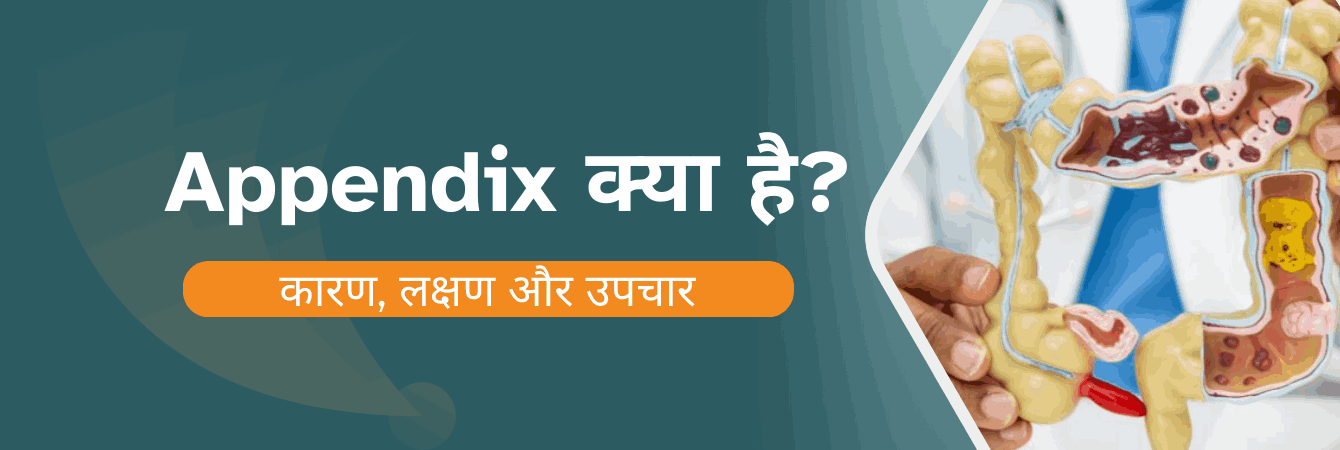
  • Appendix क्या है?  कारण, लक्षण और उपचार

    Appendix क्या है? कारण, लक्षण और उपचार

    Appendix क्या है? कारण, लक्षण और उपचार

    Appendix क्या है? कारण, लक्षण और उपचार

    हमारे शरीर में कई ऐसे अंग हैं जो अक्सर हमारी नजर में नहीं आते, लेकिन उनकी भूमिका हमारे स्वास्थ्य के लिए महत्वपूर्ण होती है। Appendix भी एक ऐसा ही अंग है। अक्सर इसे एक “बेकार” अंग कहा जाता है, लेकिन वास्तव में यह हमारी प्रतिरक्षा प्रणाली में मदद कर सकता है।

    Appendix क्या है?

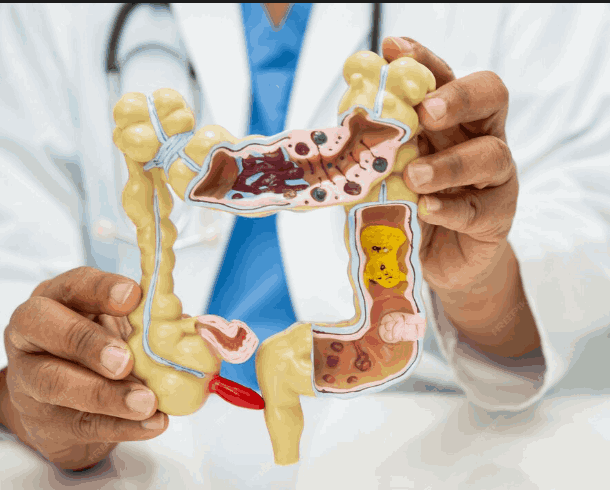
    Appendix को हिंदी में “अंतड़ी ग्रंथी” भी कहा जाता है। यह एक छोटा, अंगुली के आकार का पतला ट्यूब है जो बड़ी आंत (Large Intestine) के प्रारंभिक हिस्से, यानी Cecum, से जुड़ा होता है। Appendix की लंबाई लगभग 3–4 इंच (लगभग 7–10 सेमी) होती है, और यह पेट के दाएँ निचले हिस्से (Lower Right Abdomen) में स्थित होता है।

    प्राचीन समय में वैज्ञानिकों का मानना था कि Appendix शरीर में कोई उपयोग नहीं करता और यह सिर्फ एक “बेकार अंग” है। लेकिन हाल की शोध से पता चला है कि यह अंग प्रतिरक्षा प्रणाली का हिस्सा है और शरीर में लाभकारी बैक्टीरिया (Good Bacteria) को स्टोर करके पेट की सेहत बनाए रखने में मदद कर सकता है।

    Appendix की संरचना और कार्य (Functions of Appendix)

    Appendix एक पतली, नली जैसी संरचना है, जिसके अंदर लसीका ऊतक (Lymphatic Tissue) होता है। इसका मुख्य कार्य है:

    1. प्रतिरक्षा प्रणाली में मदद करना: Appendix में पाए जाने वाले लसीका ऊतक शरीर को संक्रमण से लड़ने में मदद करते हैं।

    2. अच्छे बैक्टीरिया का भंडारण: पेट में लाभकारी बैक्टीरिया की संख्या संतुलित रखने में Appendix मदद करता है।

    3. पाचन में सहायक: हालांकि यह मुख्य पाचन अंग नहीं है, लेकिन कुछ शोधों के अनुसार यह पाचन तंत्र को बैक्टीरिया के माध्यम से सहारा देता है।

    Appendix में समस्या क्यों होती है? (Problems occur in Appendix)

    Appendix में समस्या मुख्य रूप से Appendicitis के कारण होती है। Appendicitis वह स्थिति है जिसमें Appendix सूज जाता है और अक्सर संक्रमण का कारण बनता है।

    सामान्य कारण:
    1. फूड या मल का अटटना (Blockage): Appendix का मार्ग फूड के टुकड़ों या कठोर मल (Fecalith) के कारण बंद हो सकता है।

    2. संक्रमण (Infection): पेट या आंत में किसी वायरस या बैक्टीरिया के संक्रमण के कारण Appendix में सूजन हो सकती है।

    3. लसीका ऊतक में वृद्धि (Lymphoid Hyperplasia): शरीर में संक्रमण के दौरान Appendix की लसीका ग्रंथि बढ़ सकती है, जिससे रास्ता बंद हो जाता है।

    4. अन्य कारण: कभी-कभी पेट में चोट, आंतरिक सूजन या ट्यूमर की वजह से भी Appendix में समस्या हो सकती है।

    ध्यान दें: Appendicitis एक गंभीर स्थिति है, यदि समय पर इलाज न किया जाए तो Appendix फट सकता है, जिससे पेट में गंभीर संक्रमण (Peritonitis) हो सकता है।

    Appendix में समस्या के लक्षण

    Appendicitis के लक्षण कई प्रकार के होते हैं। शुरुआती चरण में लक्षण हल्के हो सकते हैं, लेकिन समय के साथ यह गंभीर हो सकते हैं।

    मुख्य लक्षण:

    1. पेट में दर्द: आमतौर पर दर्द पेट के मध्य से शुरू होकर दाएं निचले हिस्से में बढ़ता है।

    2. उल्टी और मतली: मरीज को बार-बार उल्टी या मतली महसूस हो सकती है।

    3. बुखार: हल्का या तेज बुखार भी आम है।

    4. भूख न लगना: खाना खाने की इच्छा कम हो जाती है।

    5. पेट फूलना या गैस: पेट में भारीपन और सूजन महसूस हो सकती है।

    6. दस्त या कब्ज: कुछ मामलों में दस्त या कब्ज भी हो सकते हैं।

    चेतावनी: अगर Appendix फट जाए, तो अचानक तेज दर्द, तेज बुखार और उल्टी होना गंभीर स्थिति का संकेत है।

    Appendix में समस्या से बचाव (Prevention)

    Appendix में समस्या को पूरी तरह से रोकना संभव नहीं है, लेकिन कुछ आदतों से जोखिम कम किया जा सकता है:

    1. फाइबर युक्त आहार: हरी सब्जियाँ, फल, और अनाज खाने से मल सॉफ्ट रहता है।

    2. पर्याप्त पानी पीना: डिहाइड्रेशन से कब्ज़ और Appendix ब्लॉकेज का खतरा बढ़ सकता है।

    3. संतुलित जीवनशैली: नियमित व्यायाम और सही भोजन से पेट की सेहत अच्छी रहती है।

    4. संक्रमण से बचाव: साफ-सफाई और स्वच्छ आहार से पेट के संक्रमण का खतरा कम होता है।

    ध्यान दें: Appendix फटने की स्थिति में तत्काल मेडिकल इमरजेंसी है।

    Appendix की समस्या? तुरंत विशेषज्ञ डॉक्टर से इलाज कराएँ

    यदि आप या आपके किसी परिवार के सदस्य को पेट के दाएँ निचले हिस्से में तेज दर्द, उल्टी, बुखार या भूख न लगना जैसी समस्याएँ महसूस हो रही हैं, तो इसे हल्के में न लें। Appendix में सूजन (Appendicitis) एक गंभीर स्थिति है, और समय पर इलाज से जान का खतरा टाला जा सकता है।

    हम सुझाव देते हैं कि आप तुरंत किसी अनुभवी गैस्ट्रोएन्टेरोलॉजिस्ट या General Surgeon से संपर्क करें।
    EMC Hospital Batala में विशेषज्ञ डॉक्टर आपकी स्थिति का सही निदान करेंगे और आवश्यक उपचार या Surgery का सुझाव देंगे।

    Appendix क्या है

    Appendix से जुड़ी आम सवाल और उनके जवाब (FAQs)

    पेट के दाएँ निचले हिस्से में तेज दर्द, उल्टी, बुखार, भूख कम लगना, पेट फूलना या कब्ज।

    आम तौर पर Appendectomy (Surgery) ही सबसे प्रभावी उपचार है। हल्की स्थिति में डॉक्टर एंटीबायोटिक्स के माध्यम से भी इलाज कर सकते हैं।

    नहीं, आधुनिक लैप्रोस्कोपिक सर्जरी सुरक्षित होती है। ऑपरेशन के बाद मरीज जल्दी स्वस्थ हो जाते हैं।

    यह एक इमरजेंसी स्थिति है। तुरंत अस्पताल जाएँ और डॉक्टर से संपर्क करें। समय पर सर्जरी और एंटीबायोटिक्स जीवन बचा सकते हैं।

    फाइबर युक्त आहार लें, पर्याप्त पानी पिएँ, पेट की साफ-सफाई का ध्यान रखें और समय-समय पर मेडिकल चेकअप कराएँ।

    Recent Post

    Book Appointment