
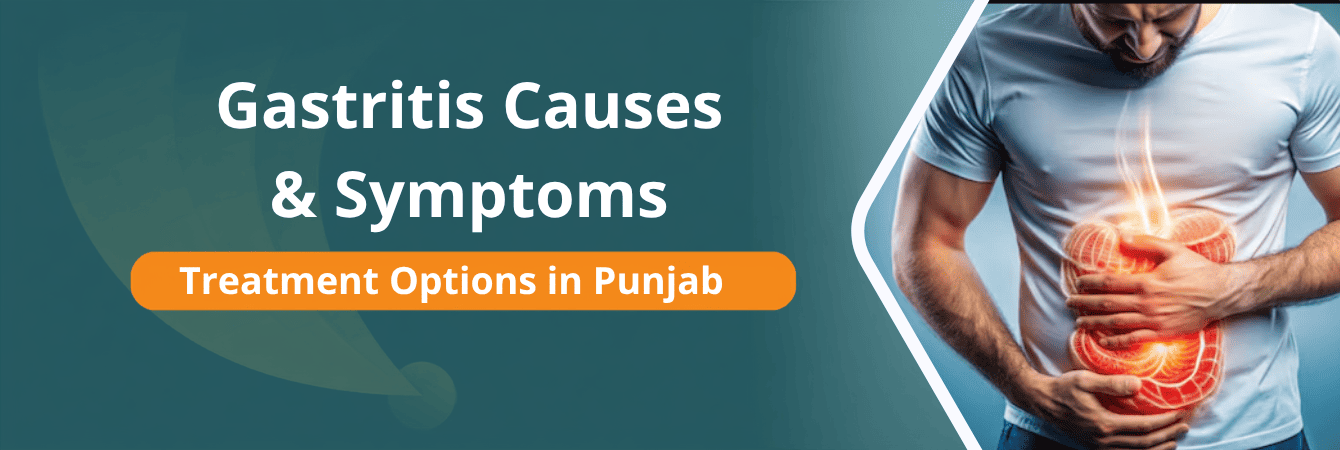
Gastritis: Causes, Symptoms & Treatment Options in Punjab
What Is Gastritis?
Gastritis refers to inflammation of the stomach lining. The condition can be acute, meaning it develops suddenly, or chronic, meaning it develops gradually and may continue for a longer period.
Not everyone with gastritis experiences noticeable symptoms. However, when symptoms occur, they can resemble common digestive problems such as indigestion or acidity. This is why persistent or recurring symptoms should not simply be ignored.
Gastritis is different from gastropathy, although the two terms are sometimes used together. Gastritis specifically involves inflammation of the stomach lining, while gastropathy refers to damage to the stomach lining with little or no inflammation.
What Causes Gastritis?
There is no single cause of gastritis. The appropriate treatment depends largely on what is causing irritation or inflammation in the stomach.
1. H. pylori Infection
One of the major causes of gastritis is infection with Helicobacter pylori (H. pylori). This bacterium can live in the stomach and cause long-term inflammation of the stomach lining.
H. pylori gastritis can persist for years if it is not identified and treated. It is also associated with peptic ulcer disease and certain long-term stomach complications.
2. Frequent Use of Painkillers
Certain pain-relieving medicines, particularly NSAIDs (nonsteroidal anti-inflammatory drugs), can irritate the stomach lining when used regularly.
If you frequently take painkillers and develop recurring abdominal pain, indigestion or other digestive symptoms, speak with a doctor about your medication use. Do not stop an essential prescribed medicine without medical advice.
3. Alcohol Consumption
Excessive alcohol consumption can irritate the stomach lining and contribute to acute erosive damage. Reducing or avoiding alcohol may therefore be an important part of managing certain forms of gastritis.
5. Severe Physical Stress
Serious illness, major injuries, severe burns, critical illness or sepsis can sometimes cause acute stomach lining damage. This type of condition is sometimes referred to as stress-related gastritis or acute erosive gastropathy.
6. Other Medical Conditions
Less common causes may include certain infections, inflammatory digestive conditions, celiac disease, food allergies and other medical problems.
Because there are multiple possible causes, recurring stomach symptoms should be evaluated rather than treated as acidity alone.
Symptoms of Gastritis
Some people with gastritis have no symptoms. Others may experience digestive discomfort that can range from mild to significant.
Common gastritis symptoms include:
- Upper abdominal pain or discomfort
- Nausea
- Vomiting
- Indigestion
- Feeling full unusually quickly while eating
- Feeling excessively full after meals
- Reduced appetite
- Unexplained weight loss in some cases
These symptoms can overlap with several other digestive conditions. Therefore, symptoms alone cannot confirm that a person has gastritis.
Gastritis Treatment Options: When to Seek Specialist Care
If you are searching for gastritis treatment in Punjab, it is important to choose medical care that focuses on finding the underlying cause rather than simply providing temporary relief.
Persistent gastritis symptoms may require a combination of clinical assessment, appropriate diagnostic testing, medication and lifestyle guidance. Early evaluation can also help identify complications when they are present.
For patients experiencing recurring stomach discomfort, nausea, indigestion or other digestive symptoms, specialist gastroenterology evaluation can help determine the most appropriate next step.
Gastroenterology Care at Abrol Hospital in Gurdaspur, Punjab
At Abrol Hospital, our Gastroenterology Department provides specialized care for a wide range of digestive health conditions. The department focuses on accurate diagnosis, appropriate treatment and long-term digestive wellness, supported by specialist expertise and advanced diagnostic facilities.
If you are experiencing persistent gastritis symptoms, recurrent stomach discomfort, nausea, indigestion or other digestive concerns, the team at Abrol Hospital can help evaluate your condition and guide you toward an appropriate treatment plan.
For patients looking for gastritis treatment in Punjab, Abrol Hospital is committed to providing patient-focused gastroenterology care with an emphasis on proper diagnosis and individualized treatment.
Do not continue to ignore recurring stomach symptoms or rely on self-medication for long periods. Consult the gastroenterology team at Abrol Hospital for appropriate evaluation and care.
Frequently Asked Questions About Gastritis
No. Gastritis involves inflammation of the stomach lining, while acidity or acid-related symptoms can occur for several different reasons. Similar symptoms can occur in other digestive conditions, so persistent symptoms should be properly evaluated.
H. pylori infection is an important and common cause of gastritis. Other causes include NSAID use, alcohol-related irritation, autoimmune conditions and severe physical stress.
Common symptoms include upper abdominal discomfort, nausea, vomiting, indigestion, early fullness during meals and reduced appetite. Some people may have no symptoms.
Yes. Nausea and vomiting can occur with gastritis. Persistent or severe vomiting should be medically evaluated.