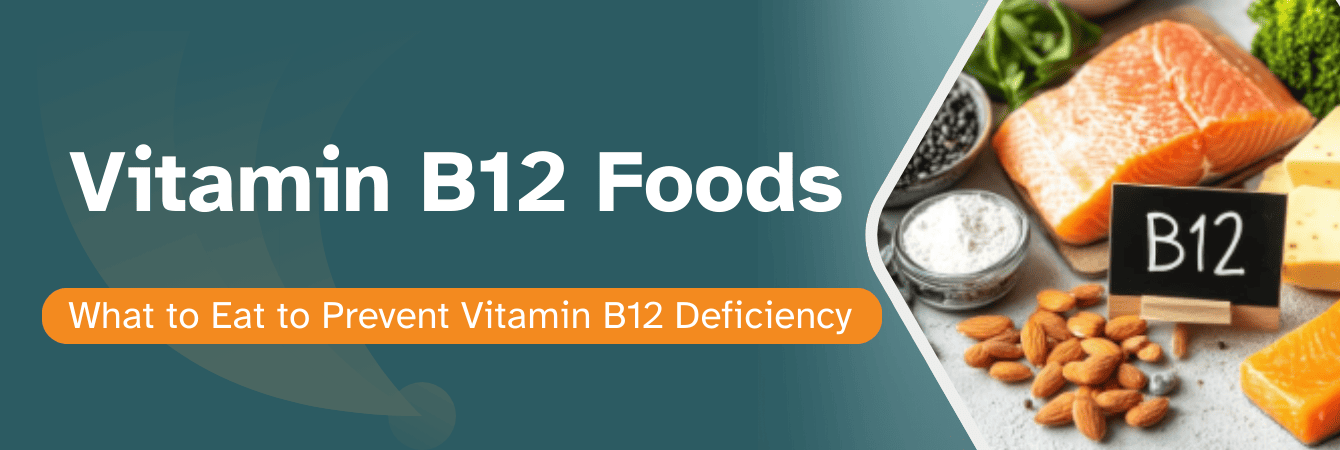
Vitamin B12 Foods: What to Eat to Prevent Vitamin B12 Deficiency
- December 9, 2025
- Abrol Hospital
Vitamin B12 is one of the most essential nutrients your body needs for energy, brain function, mood stability, and healthy blood cells. Yet surprisingly, millions of people worldwide unknowingly suffer from Vitamin B12 Deficiency. The good news? Preventing it is easy when you know the right Vitamin B12 Foods to include in your daily meals. VitaminB12 supports nerve health, boosts memory, produces red blood cells, and even helps in DNA formation. Without enough B12, your body simply slows down—physically and mentally.
Most adults need around 2.4 mcg of Vitamin B12 per day. Pregnant and breastfeeding women require slightly more. Thankfully, a balanced diet can easily provide this amount if you include the right foods.
Understanding Vitamin B12 Deficiency
1. Low intake of animal products: People who follow a vegetarian or vegan diet often struggle because Vitamin B12 is mainly found in animal-based foods.
2. Digestive issues: Conditions like gastritis, celiac disease, Crohn’s disease, and IBS can interfere with B12 absorption.
3. Medications: Certain medicines, such as metformin (for diabetes) and acid-reducing drugs (PPIs), reduce the body’s ability to absorb Vitamin B12.
4. Old age: People over 50 naturally produce less stomach acid, which is needed to absorb B12 from food.
5. Alcohol consumption: Excessive alcohol weakens the stomach lining, reducing B12 absorption.
Vegetarian vs Non-vegetarian B12 Foods
Vitamin B12 is mostly found in animal-based foods, but vegetarians can get it from fortified foods and certain dairy products. Non-vegetarians have a wider range of natural sources like fish, meat, and eggs.
Vegetarian Sources of Vitamin B12
Since plants don’t naturally produce B12, vegetarians rely on fortified foods and dairy products:
Fortified cereals – Many breakfast cereals are enriched with B12.
Fortified plant-based milk – Soy, almond, and oat milk often have added B12.
Fortified nutritional yeast – A popular vegan-friendly source of B12.
Dairy products – Milk, yogurt, and cheese contain moderate amounts.
Paneer (cottage cheese) – Common in Indian diets, provides some B12.
Fortified tofu/soy products – Some brands enrich tofu with B12.
Mushrooms (limited) – Certain varieties like shiitake may contain trace amounts, but not reliable alone.
Non-Vegetarian Sources of Vitamin B12
Animal-based foods are the richest natural sources:
Fish – Salmon, tuna, trout, sardines, and mackerel are excellent sources.
Shellfish – Clams, crab, and shrimp are very high in B12.
Meat – Beef, chicken, and lamb provide significant amounts.
Liver and kidney (organ meats) – Extremely rich in B12.
Eggs – Especially the yolk.
Dairy (shared with vegetarians) – Milk, cheese, and yogurt.
Vitamin B12 in Dry Fruits
1. Almonds: Almonds are naturally nutrient-rich, and many brands now offer B12-fortified almond packs, making them a smart choice to complement your daily intake.
2. Pistachios: Fortified pistachio mixes are becoming popular as brands enrich them with Vitamin B12, providing a crunchy, satisfying snack with added nutritional value.
3. Cashews: Some premium dry fruit manufacturers produce B12-enhanced cashews, offering a creamy and nutrient-dense snack option for those avoiding meat or dairy.
4. Dates: Energy bites made from dates often come fortified with Vitamin B12, making them a sweet, convenient way to include extra nutrition in your routine.
5. Raisins: Raisins combined in B12-enriched dry fruit mixes help support overall nutrient intake and make for a portable, easy-to-eat snack.
6. Pumpkin Seeds: Pumpkin seeds themselves don’t have B12, but fortified seed mixes offer the benefits of fiber, iron, and B12 in one nutrient-rich combination.
7. Sunflower Seeds: Special sunflower seed packs enriched with Vitamin B12 provide a wholesome and crunchy way to support daily nutritional goals.
8. Figs: While figs are naturally sweet and fibrous, certain fig bars and fig-based snacks are fortified with Vitamin B12, making them a great snack choice.
9. Walnuts: Walnuts included in fortified mixes provide omega-3 fats along with added Vitamin B12, supporting brain and nerve health.
10. Pecans: Premium pecan mixes often come with added Vitamin B12, offering a buttery, crunchy snack that complements a vegetarian diet.
Concerned about Vitamin B12 Deficiency?
Don’t let fatigue, weakness, or health risks slow you down. At Abrol Hospital, Gurdaspur, our expert doctors provide personalized diagnosis and treatment for Vitamin B12 and other deficiencies.
📞 Book your consultation today and take the first step toward restoring your energy and well-being.
FAQs on Vitamin B12 Foods & Deficiency
The richest natural sources of Vitamin B12 include fish (salmon, tuna, trout), shellfish (clams, crab, shrimp), meat (beef, chicken, lamb), eggs, and dairy products like milk, yogurt, and cheese.
Vegetarians can get Vitamin B12 from dairy products, paneer, and fortified foods such as cereals, plant-based milk, and nutritional yeast. Vegans especially need fortified foods or supplements since plant-based foods naturally contain very little Vitamin B12
Vitamin B12 is essential for red blood cell formation, nerve health, DNA synthesis, and energy production.
Common symptoms include tiredness, weakness, pale skin, numbness in hands or feet, memory issues, and mood changes.
To prevent deficiency, include seafood, eggs, dairy products, fortified cereals, and fortified plant-based milk in your diet.
Yes. Fortified cereals, nutritional yeast, and plant-based milk are reliable sources for vegetarians and vegans. Always check the nutrition label to confirm Vitamin B12 quantity.
Recent Post