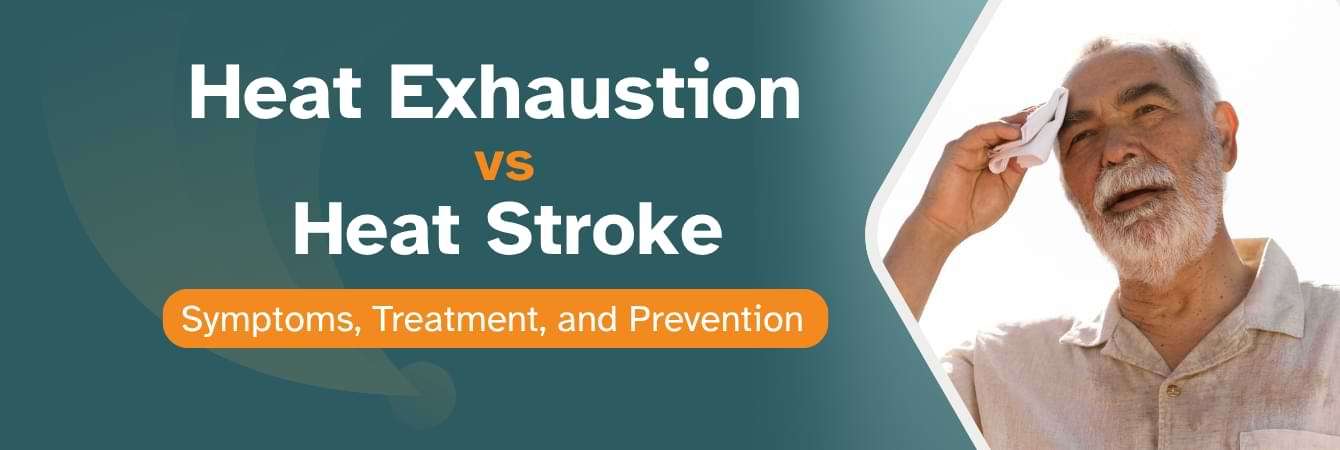
Heat Exhaustion vs. Heat Stroke: Symptoms, Treatment, and Prevention
- April 28, 2026
- Abrol Hospital
As temperatures rise globally, understanding the spectrum of heat-related illnesses is no longer just for athletes or outdoor workers—it is essential for everyone. While “mild heat exhaustion” can often be managed at home, failing to recognize its progression can lead to “heat stroke,” a life-threatening medical emergency.
Recognizing the Symptoms: Is it Exhaustion or Stroke?
Heat Exhaustion Symptoms (The Warning Stage)
When your body loses too much water and salt (usually through excessive sweating), you enter heat exhaustion. Watch for:
- Heavy sweating and a rapid, weak pulse.
- Cool, moist skin with goosebumps even in the heat.
- Muscle cramps (often the very first sign).
- Dizziness, fainting, or fatigue.
- Nausea or a mild headache.
Heat Stroke Symptoms (The Emergency Stage)
Heat stroke occurs when the body’s internal temperature rises above 40°C (104°F). This is a medical emergency.
- High body temperature (104°F or higher).
- Altered mental state: Confusion, agitation, slurred speech, or seizures.
- Dry skin: Interestingly, in heat stroke, the skin may feel hot and bone-dry because the body has stopped sweating.
- Nausea and vomiting.
- Rapid, strong pulse.
How to Treat Mild Heat Exhaustion Symptoms
If you or someone else is showing early signs of overheating, you must act immediately to prevent the condition from escalating.
Step 1: Move to a Cool Environment
Get out of the sun immediately. Find an air-conditioned building or, at the very least, a shady spot with good airflow.
Step 2: Active Cooling Techniques
Loosen Clothing: Remove unnecessary layers like shoes, socks, or heavy jackets.
Apply Cool Water: Use wet towels or a cool mist on the skin. Focus on “pulse points” where blood vessels are close to the surface: the neck, armpits, and groin.
Fan the Skin: Air movement over wet skin facilitates evaporation, which is the body’s natural cooling mechanism.
Step 3: Rehydrate Wisely
Drink cool water or sports drinks containing electrolytes. Avoid caffeinated or alcoholic beverages, as these can worsen dehydration. Sip slowly rather than gulping to avoid stomach cramps.
Prevention: How to Stay Ahead of the Heat
The best heat exhaustion treatment is prevention.
Wear Lightweight Clothing: Opt for light-colored, loose-fitting fabrics.
Hydrate Early: Don’t wait until you are thirsty to drink water.
Limit Peak Sun Exposure: Stay indoors between 11:00 AM and 4:00 PM when temperatures are highest.
Check the UV Index: Use weather apps to plan your outdoor activities around high-heat windows.
Feeling Overwhelmed by the Heat?
Heat exhaustion can take a toll on your heart and kidneys. Ensure a full recovery by consulting our specialists at Abrol Hospital, Gurdaspur. We provide comprehensive screenings to ensure your vitals are back to normal.
📞 Book your consultation today and take control of your health before it’s too late.
Frequently Asked Questions: Heat Illness & Recovery
The earliest warning signs often include heavy sweating, muscle cramps, and a rapid but weak pulse. You may also notice "overheating symptoms" like mild dizziness, fatigue, or a persistent headache.
To treat mild symptoms, immediately move to a cool or shaded area, loosen tight clothing, and apply cool, wet cloths to your skin. It is essential to rehydrate slowly with water or electrolyte-rich drinks while avoiding caffeine and alcohol.
Heat Exhaustion: Characterized by heavy sweating, cool clammy skin, and faintness. It is generally manageable with active cooling and rest.
Heat Stroke: A life-threatening emergency where the body temperature exceeds 104°F. Symptoms include confusion, a rapid strong pulse, and skin that feels hot and dry (no sweating).
Most people begin to feel better within 30 to 60 minutes of starting treatment. however, if symptoms do not improve within an hour, or if vomiting occurs, you should seek professional medical care at Abrol Hospital Gurdaspur immediately.
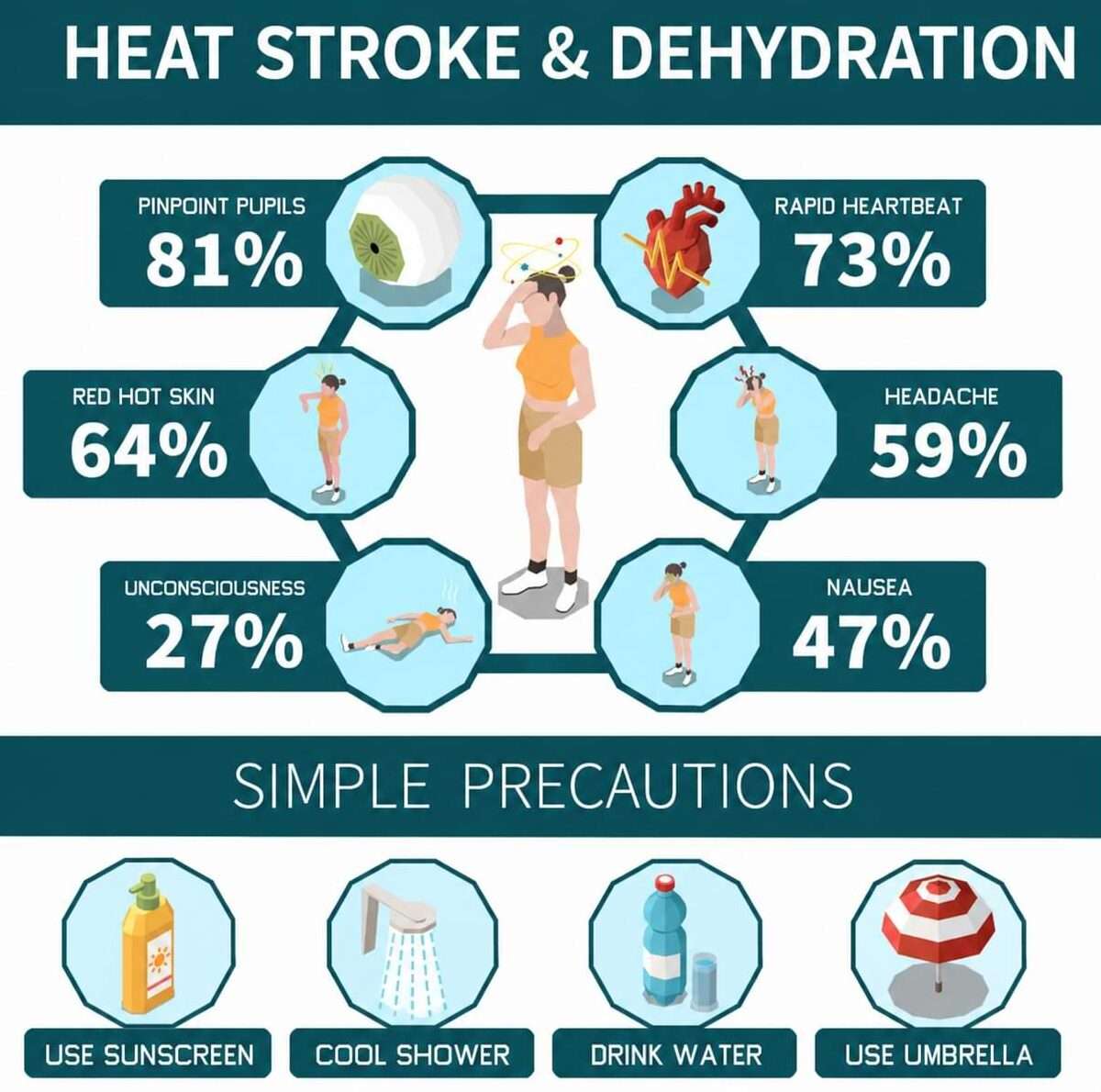
Yes. If left untreated, heat exhaustion can quickly progress to heat stroke as the body's internal cooling system fails. Recognizing early signs like "pinpoint pupils" or "red hot skin" is vital for prevention.
Recent Post