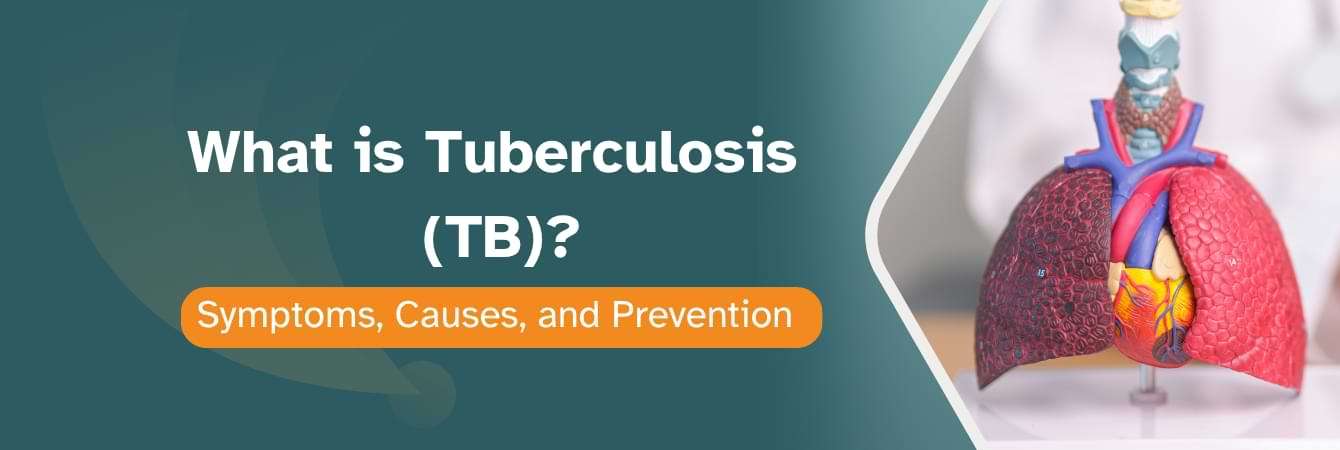
What is Tuberculosis (TB)? Symptoms, Causes, and Prevention
- March 24, 2026
- Abrol Hospital
Tuberculosis (TB) remains one of the most serious infectious diseases in the world, affecting millions of people every year. Despite medical advancements, lack of awareness still leads to delayed diagnosis and treatment. On World Tuberculosis Day, it becomes even more important to understand what TB is, how it spreads, and how it can be prevented and cured.
The tuberculosis refers to a contagious airborne disease that spreads from person to person. In simple terms, TB is an illness that spreads through the air when an infected person coughs, sneezes, or talks.
Is Tuberculosis Contagious? How is TB Transmitted?
A common concern people have is: is TB contagious or is tuberculosis contagious? The answer is yes—TB is contagious, but not in every situation.
TB spreads through the air, making it an airborne disease. When a person with active TB coughs, sneezes, laughs, or speaks, tiny infectious droplets are released into the air. If another person inhales these droplets, they may become infected.
Understanding how is TB transmitted or how is tuberculosis transmitted is essential. The disease is more likely to spread in crowded and poorly ventilated environments such as public transport, small rooms, or shared living spaces. However, TB does not spread through physical contact like shaking hands, sharing food, or touching surfaces.
TB Symptoms: Early Warning Signs You Should Not Ignore
Recognizing TB symptoms early is one of the most effective ways to control the spread of the disease. Many people search for tuberculosis symptoms or symptoms of tuberculosis because early signs are often mild and easily ignored.
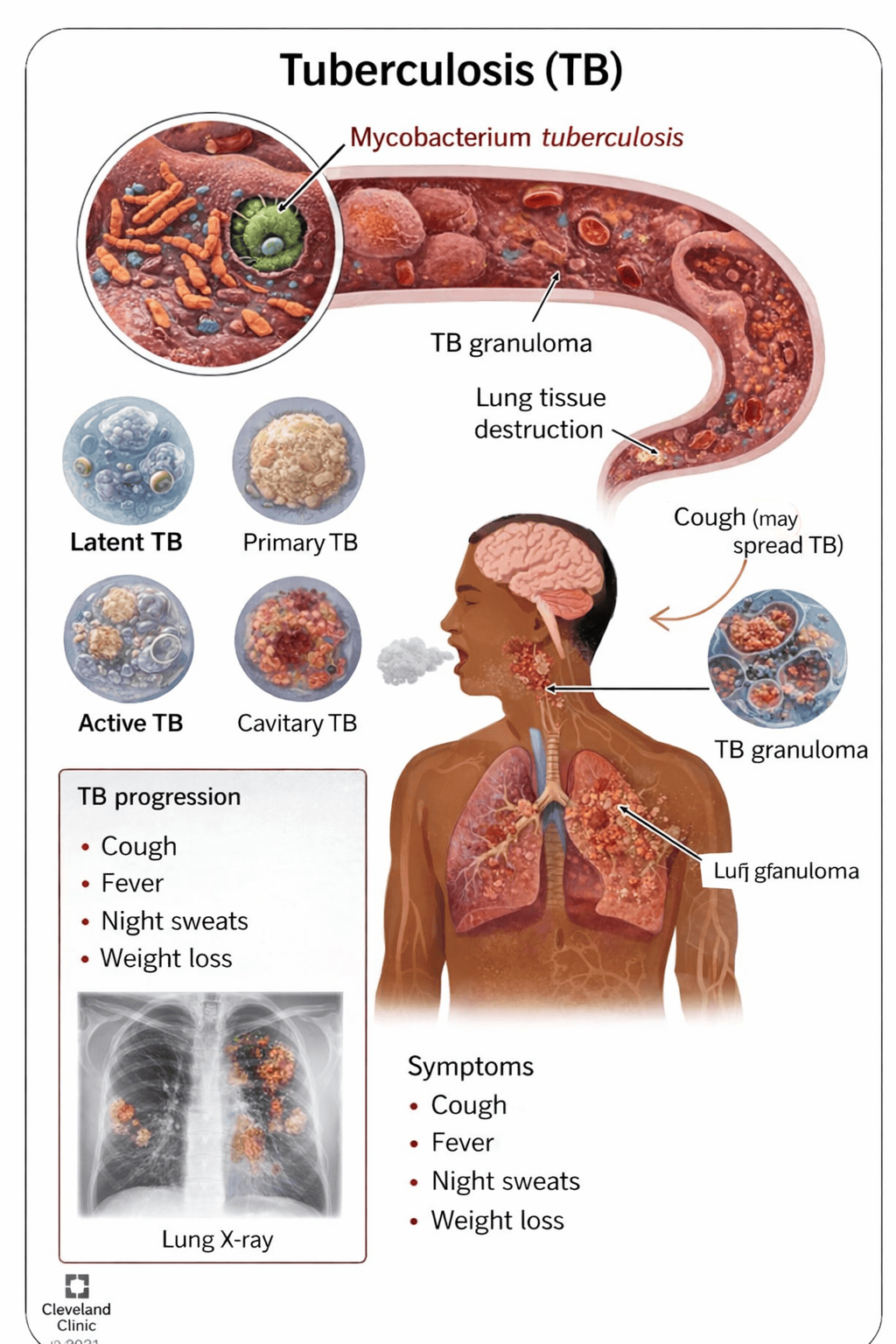
The most common symptom is a persistent cough that lasts more than two to three weeks. This cough may gradually worsen and can sometimes include blood. Chest pain and difficulty breathing may also develop as the infection progresses.
Other important symptoms of tuberculosis include fever, especially in the evening, and night sweats that can disrupt sleep. Unexplained weight loss and constant fatigue are also common, as the body uses more energy to fight the infection.
These tuberculosis symptoms should never be ignored. Early diagnosis not only improves recovery chances but also prevents the infection from spreading to others.
- Persistent cough lasting more than 2–3 weeks
- Chest pain
- Coughing up blood
- Fever and chills
- Night sweats
- Unexplained weight loss
- Fatigue
Causes of Tuberculosis
Tuberculosis is caused by bacteria called Mycobacterium tuberculosis. However, not everyone infected becomes sick.
Factors that increase risk include:
- Weak immune system
- Malnutrition
- Smoking
- Diabetes or other chronic illnesses
- Living in crowded environments
Understanding the cause helps in early prevention and treatment.
TB Treatment: Is TB Treatable and Curable?
One of the most important questions people ask is: is TB treatable and is tuberculosis curable? The answer is yes—TB is both treatable and curable with proper medical care.
TB treatment involves a combination of antibiotics taken over a period of 6 to 9 months. These medications work together to kill the bacteria completely and prevent relapse.
Consistent treatment is crucial. Skipping doses or stopping medication early can lead to drug-resistant TB, which is much more difficult and expensive to treat. This is why patients are often monitored closely during their tuberculosis treatment.
Modern tuberculosis treatments are highly effective when followed correctly. With early diagnosis and proper adherence to medication, most patients recover fully.
Prevention of Tuberculosis
- Cover your mouth while coughing or sneezing
- Ensure good ventilation indoors
- Avoid close contact with infected individuals
- Maintain a strong immune system
- Get vaccinated (BCG vaccine for children)
- Seek early testing if symptoms appear
Take the First Step Toward a TB-Free Life
If you or your loved ones are experiencing symptoms of Tuberculosis, don’t delay diagnosis or treatment. Early care can make all the difference.
Consult the experienced medical team at Abrol Hospital for accurate diagnosis, personalized treatment, and compassionate care. Book your consultation today and take a confident step toward recovery.
Frequently Asked Questions (FAQs) About Tuberculosis (TB)
The most common TB symptoms include a persistent cough lasting more than 2–3 weeks, chest pain, coughing up blood, fever, night sweats, weight loss, and fatigue. These tuberculosis symptoms may start mild but can worsen if left untreated.
Early symptoms of tuberculosis often include mild cough, low-grade fever (especially in the evening), fatigue, and slight weight loss. Because these signs are subtle, many people ignore them, which delays diagnosis and treatment.
Yes, tuberculosis is contagious. A common question is is TB contagious or is tuberculosis contagious, and the answer is yes. It spreads through the air when a person with active TB coughs, sneezes, or talks.
If you’re wondering how is TB transmitted or how is tuberculosis transmitted, it spreads through airborne droplets. When an infected person releases bacteria into the air, others can inhale it, especially in crowded or poorly ventilated spaces.
Tuberculosis is caused by the bacterium Mycobacterium tuberculosis. However, not everyone exposed to the bacteria becomes sick. Factors like weak immunity, malnutrition, smoking, and chronic illnesses increase the risk of developing active TB.
TB treatment involves a combination of antibiotics taken for 6 to 9 months. Proper adherence to the full course of tuberculosis treatment is essential to completely eliminate the bacteria and prevent drug resistance.
The TB meaning or tuberculosis meaning refers to a bacterial infection that spreads through the air and primarily affects the lungs. It is one of the oldest known infectious diseases but remains a major global health concern.
Recent Post