
What Is Sepsis? Symptoms, Warning Signs & Treatment Options
- February 23, 2026
- Abrol Hospital
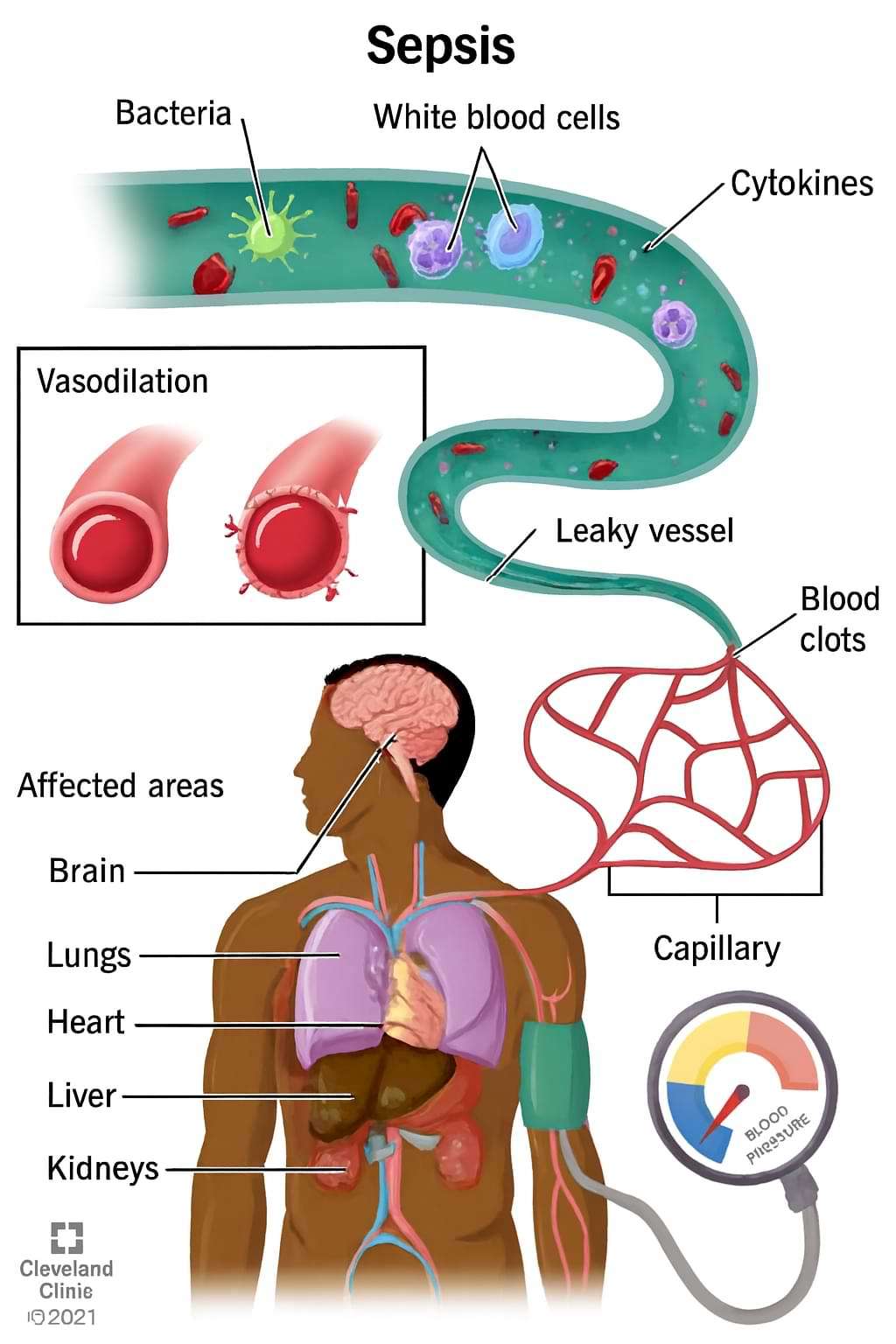
Sepsis is a life-threatening medical emergency that occurs when the body’s response to an infection becomes dysregulated and damages its own tissues and organs. Instead of targeting only the invading pathogen, the immune system triggers widespread inflammation throughout the body. This systemic inflammatory response can impair blood flow, cause clot formation in small vessels, and reduce oxygen delivery to vital organs. Without rapid treatment, sepsis can progress to organ failure, septic shock, and death.
Understanding sepsis symptoms, early warning signs, and treatment options is critical because early intervention dramatically improves survival rates. This guide provides a detailed explanation of causes, risk factors, symptoms, diagnosis, treatment, and prevention strategies.
What Is Sepsis?
Sepsis develops when the body’s immune response to an infection becomes overwhelming and harmful. Normally, when bacteria, viruses, or fungi invade the body, the immune system releases chemicals into the bloodstream to fight the infection. However, in sepsis, these chemicals trigger widespread inflammation that disrupts normal blood flow and organ function.
As inflammation spreads, blood vessels may become leaky, blood pressure may drop, and tiny clots can form throughout the bloodstream. This combination reduces oxygen and nutrient delivery to organs such as the brain, heart, kidneys, and lungs. If not treated promptly, this process can escalate into severe sepsis and septic shock.
Septic shock is the most dangerous stage of sepsis. It occurs when blood pressure drops to critically low levels despite fluid replacement, leading to multiple organ failure. Septic shock requires intensive care and carries a significantly higher risk of death.
What Causes Sepsis?
Sepsis is not an infection itself but a complication of an infection. Almost any infection can lead to sepsis if it spreads or triggers an extreme immune response.
➖ Lung Infections
Respiratory infections are one of the most common causes of sepsis. Severe pneumonia, whether bacterial or viral, can spread into the bloodstream and trigger systemic inflammation. Older adults and individuals with weakened immune systems are particularly vulnerable.
➖ Urinary Tract Infections (UTIs)
Untreated urinary tract infections, especially those that spread to the kidneys, can enter the bloodstream and cause sepsis. This risk is higher in elderly individuals and patients with urinary catheters.
➖ Abdominal Infections
Infections such as appendicitis, gallbladder infections, or peritonitis can lead to sepsis if bacteria enter the bloodstream. Gastrointestinal perforations are particularly dangerous.
➖ Skin and Soft Tissue Infections
Infections such as cellulitis, infected wounds, surgical site infections, or severe burns can allow bacteria to invade deeper tissues and trigger sepsis.
➖ Bloodstream Infections
Infections directly involving the bloodstream, sometimes associated with intravenous lines or medical devices, can rapidly lead to sepsis.
Although bacterial infections are the most common cause, viral infections (such as influenza), fungal infections, and parasitic infections can also result in sepsis.
Early Symptoms of Sepsis
Recognizing early signs of sepsis is crucial because the condition can worsen rapidly within hours.
➖ Fever or Low Body Temperature
A high fever is a common early symptom, but some individuals, particularly the elderly, may experience abnormally low body temperature instead.
➖ Rapid Heart Rate
The heart may beat faster as the body attempts to compensate for inflammation and reduced blood flow.
➖ Rapid Breathing or Shortness of Breath
Increased breathing rate may occur as the body struggles to maintain oxygen levels.
➖ Confusion or Disorientation
Changes in mental status, such as confusion or difficulty staying alert, are important early warning signs, especially in older adults.
➖ Extreme Pain or Discomfort
Many patients describe severe discomfort or a feeling that “something is seriously wrong.”
➖ Clammy or Sweaty Skin
Skin may appear pale, cool, or clammy due to circulation problems.
Early recognition and immediate medical attention can prevent progression to severe sepsis.
Treatment Options for Sepsis
Antibiotics
Broad-spectrum intravenous antibiotics are administered as soon as possible to combat the infection. Once lab results identify the specific organism, antibiotics may be adjusted accordingly.
Intravenous (IV) Fluids
Large volumes of IV fluids are given to maintain blood pressure and improve circulation.
Vasopressors
If blood pressure remains dangerously low despite fluids, medications called vasopressors are used to constrict blood vessels and raise blood pressure.
Oxygen Therapy and Ventilation
Supplemental oxygen may be provided. In severe cases, mechanical ventilation is required to support breathing.
Source Control
If an abscess, infected device, or damaged tissue is causing the infection, surgical intervention may be necessary to remove the source.
Don’t Ignore the Warning Signs of Sepsis — Act Fast, Save a Life
At Abrol Hospital, our experienced doctors and critical care specialists are equipped to provide prompt diagnosis, advanced monitoring, and evidence-based treatment for sepsis and severe infections. From emergency stabilization to intensive care support, our team is committed to delivering timely and life-saving care.
Consult Our Doctors Today at Abrol Hospital, Gurdaspur — Because Every Minute Matters in Sepsis Care.
Frequently Asked Questions (FAQs) About Sepsis
Sepsis is a life-threatening condition that happens when the body’s response to an infection damages its own tissues and organs. It can start from common infections like pneumonia, urinary tract infections, or skin infections and quickly become dangerous without treatment.
Early signs of sepsis may include fever or low body temperature, rapid heartbeat, fast breathing, confusion, extreme discomfort, and clammy or sweaty skin. In elderly patients, confusion may be the first noticeable symptom.
Sepsis can develop rapidly — sometimes within hours. An infection that initially seems mild can escalate quickly, which is why early recognition and immediate medical care are critical.
Sepsis itself is not contagious. However, the infections that lead to sepsis (such as bacterial or viral infections) can sometimes spread from person to person.
People at higher risk include adults over 65, infants under one year, individuals with weakened immune systems, patients with chronic illnesses (such as diabetes or kidney disease), and hospitalized patients with invasive medical devices.
Septic shock is the most severe stage of sepsis. It occurs when blood pressure drops dangerously low despite fluid treatment, leading to organ failure. It is a medical emergency requiring intensive care.
Seek immediate medical attention if someone with an infection develops confusion, difficulty breathing, high or very low temperature, rapid heartbeat, extreme weakness, or low blood pressure. Prompt treatment can save lives.