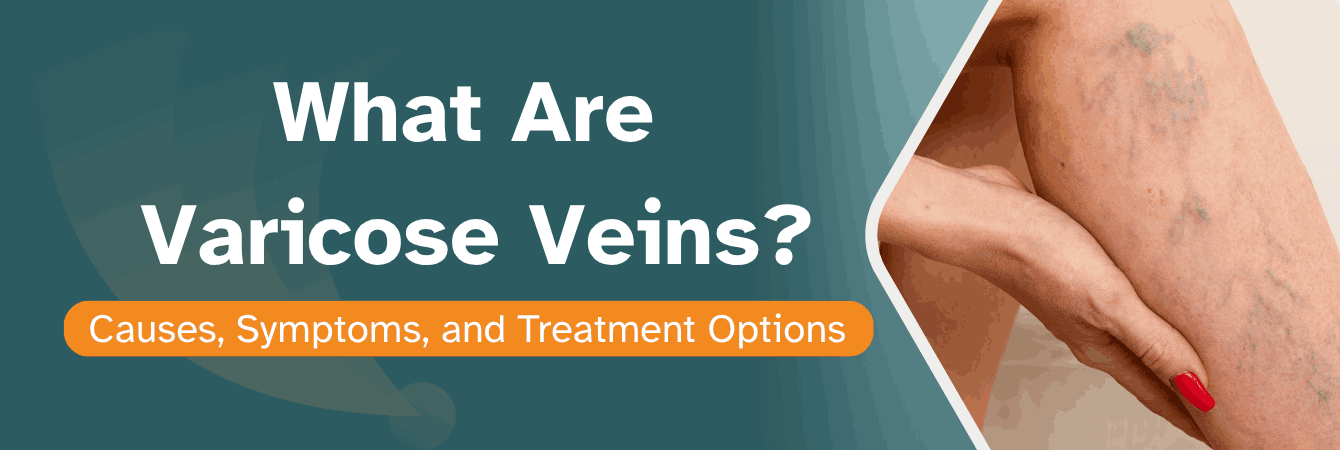
What Are Varicose Veins? Causes, Symptoms, and Treatment Options
- November 10, 2025
- Abrol Hospital
What Are Varicose Veins?
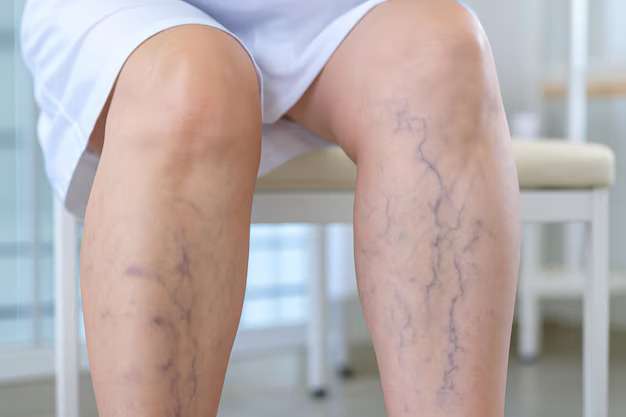
Varicose veins are enlarged, swollen, and twisted veins that appear just under the surface of the skin. They typically develop in the legs because standing or walking increases the pressure in the veins of your lower body. Normally, valves in the veins help blood flow toward your heart, but when these valves weaken or fail, blood pools in the veins, causing them to stretch and bulge.
How Do Varicose Veins Develop?
When the vein valves fail to close properly, blood flows backward and accumulates in the vein. This increased pressure causes the vein walls to weaken, leading to visible, rope-like bulges on the skin’s surface. Over time, this condition worsens if not treated.
Your veins carry deoxygenated blood back to the heart. Inside the veins are tiny one-way valves that prevent blood from flowing backward. In varicose veins, these valves don’t function properly, allowing blood to pool, particularly in the legs, where gravity plays a major role.
Common Causes of Varicose Veins
1. Genetics
Heredity plays a major role in varicose vein development. If one or both of your parents had varicose veins, your risk increases significantly. This is because the structure of your vein walls and valves can be inherited. People with a genetic predisposition may have weaker connective tissues in their veins, making them more prone to dilation and malfunction over time.
2. Pregnancy
Pregnancy is one of the leading triggers for varicose veins in women. During pregnancy, the body produces more blood to support the growing fetus, which increases pressure in the veins. Hormonal changes also relax the vein walls, making them more elastic and susceptible to enlargement. Additionally, as the uterus grows, it exerts extra pressure on the veins in the pelvis and legs, slowing blood flow. Although pregnancy-related varicose veins often improve after delivery, they can persist or worsen with subsequent pregnancies.
3. Prolonged Standing or Sitting
Occupations that require long hours of standing — like teaching, nursing, or retail work — place extra stress on leg veins. Similarly, jobs involving prolonged sitting, such as driving or office work, restrict circulation and reduce muscle activity. When leg muscles don’t contract frequently, veins can’t efficiently push blood toward the heart, leading to pooling and swelling.
4. Age and Gender
As we age, our veins naturally lose elasticity, and valves weaken. This makes it harder for blood to flow upward, resulting in varicose veins. Women are particularly vulnerable due to hormonal fluctuations during pregnancy, menstruation and menopause, which relax vein walls. Estrogen, the female hormone, plays a significant role in weakening the vein structure.
5. Obesity and Lifestyle
Carrying excess weight increases pressure on leg veins, making it harder for valves to function correctly. A sedentary lifestyle also contributes, as physical inactivity reduces muscle contractions that help pump blood upward. People who rarely exercise or have poor posture are more likely to develop varicose veins early.
Who Is Most at Risk of Developing Varicose Veins?
Certain groups are more prone to developing varicose veins:
Women, especially during hormonal changes or pregnancy
Older adults, due to natural wear and tear on veins
Individuals with a family history of venous disease
People with sedentary or standing occupations
Those who are overweight or lead an inactive lifestyle
Understanding your risk factors can help you take preventive steps early.
Varicose Veins Symptoms and Signs
At first, varicose veins might appear as faint blue or purple lines under the skin. Over time, symptoms progress and may include:
Aching or heavy legs, especially after standing for long periods
Swelling around the ankles and feet
Throbbing, burning, or muscle cramps at night
Itchy, dry skin near the affected veins
Visible bulging veins that look rope-like
These early signs are a warning to address the condition before it worsens.
Available Treatment Options for the Varicose Veins
1. Compression Therapy
Compression stockings are one of the simplest yet most effective non-invasive treatments. They apply gentle pressure to your legs, helping veins push blood upward and reducing swelling. They’re often recommended as the first step in treatment.
2. Lifestyle Changes
Small lifestyle changes can go a long way in managing varicose veins:
Exercise regularly to improve circulation
Elevate your legs whenever possible
Avoid prolonged sitting or standing
Maintain a healthy weight
These steps relieve pressure on your veins and promote healthy blood flow.3. Sclerotherapy
This procedure involves injecting a special solution into the affected veins, causing them to collapse and eventually fade. Sclerotherapy is ideal for small to medium-sized varicose veins and spider veins. It’s a quick, outpatient procedure that delivers visible improvement in just a few sessions.
4. Laser Treatments
Laser therapy uses concentrated light energy to close off damaged veins without any incisions. Over time, the treated vein disappears as the body absorbs it naturally. It’s a preferred option for those seeking a painless and scar-free solution.
5. Radiofrequency Ablation
In this method, a catheter is inserted into the affected vein, and radiofrequency energy heats the vein walls, causing them to seal shut. It’s minimally invasive and has a short recovery period, making it one of the most effective modern treatments.
6. Surgical Treatments
In severe cases, surgical intervention may be necessary. Vein stripping and ligation are traditional surgeries where damaged veins are tied off or removed. However, modern techniques have reduced the need for surgery, offering safer and less painful alternatives.
Ready to Get Relief from Varicose Veins?
Don’t let pain or discomfort hold you back any longer! Our expert doctors in Gurdaspur specialize in advanced varicose vein treatments using safe, modern, and minimally invasive techniques.
Book your consultation today to get a personalized treatment plan and restore your leg health.
📞 Call us now or visit Abrol Hospital, the best hospital in Gurdaspur to schedule your appointment and take the first step toward pain-free, healthy legs!
Dr. Tanveer Ali
Specialties : Consultant Orthopaedics
FAQs Varicose Veins
Early signs include visible veins, leg heaviness, mild swelling, itching, and aching after standing for long hours. These symptoms often worsen by evening and can indicate poor vein circulation.
While often not dangerous, untreated varicose veins can lead to ulcers or clots over time.
Simple habits like regular exercise, maintaining a healthy weight, elevating your legs, and avoiding long periods of sitting or standing can help prevent varicose veins.
Modern treatments include laser therapy, sclerotherapy, and minimally invasive vein surgery. These procedures effectively close or remove damaged veins, improving appearance and comfort with minimal downtime.
Recent Post