
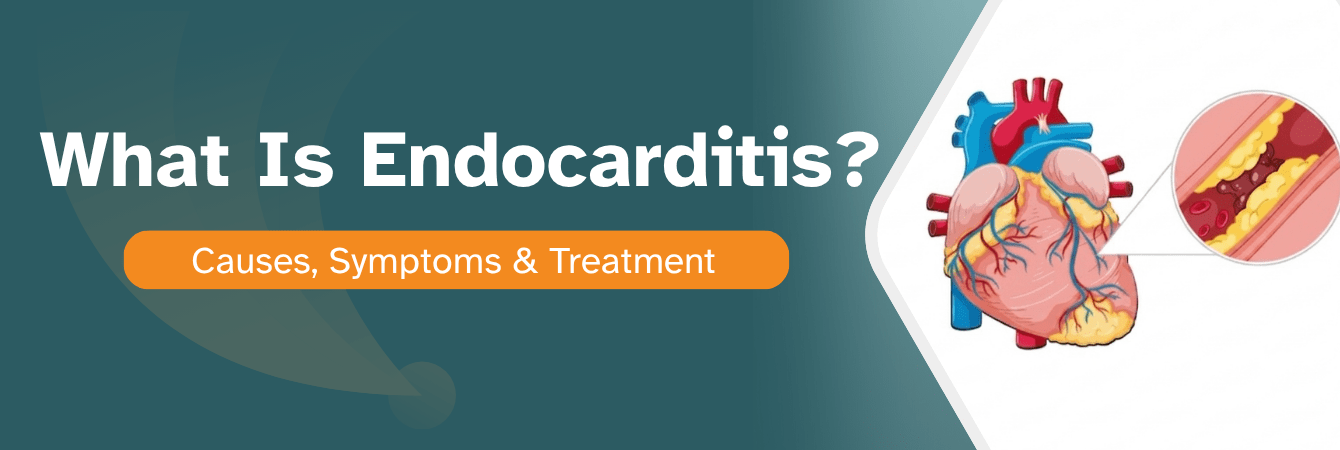
What Is Endocarditis? Causes, Symptoms & Treatment
- June 18, 2026
- Abrol Hospital
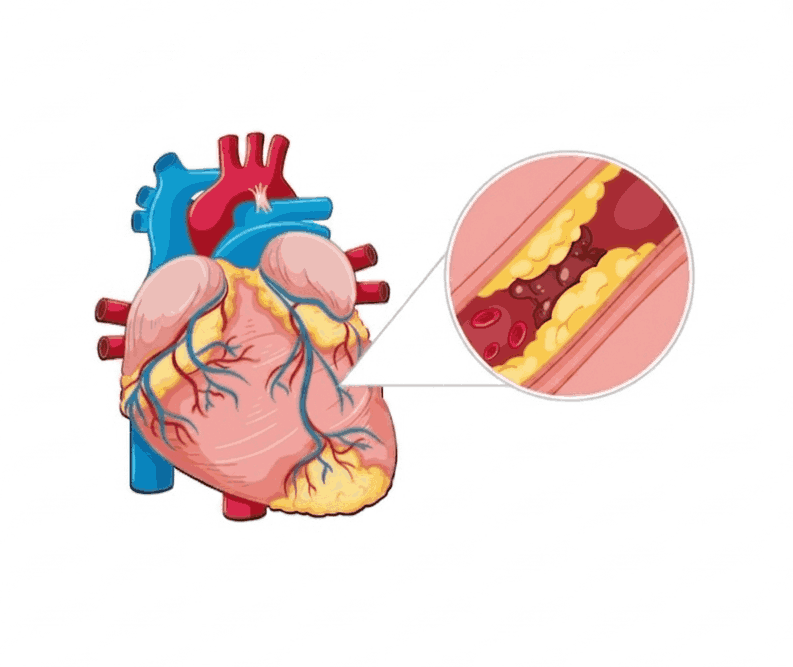
Endocarditis is a potentially life-threatening infection of the inner lining of the heart, known as the endocardium. This condition most commonly affects the heart valves and occurs when bacteria, fungi, or other microorganisms enter the bloodstream and attach to damaged areas of the heart. If left untreated, endocarditis can lead to severe complications, including heart valve damage, heart failure, stroke, and even death. As a Best Hospital in Punjab, our cardiology specialists emphasize early diagnosis and timely treatment to prevent serious health consequences associated with infective endocarditis.
Let’s understand endocarditis in simple terms, including its causes, symptoms, and treatment options. If you are dealing with a serious heart condition and looking for heart treatment in Punjab or elsewhere in India, knowing about endocarditis can help you make informed healthcare decisions.
What Is Endocarditis?
Endocarditis, also known as infective endocarditis, is an infection that develops when germs circulating in the bloodstream settle on the heart’s inner lining or valves. The infection can create masses of bacteria and cellular debris called vegetations, which interfere with normal heart function and may break off, causing complications elsewhere in the body. Although endocarditis is relatively rare, it remains a serious medical emergency requiring immediate attention.
Causes of Endocarditis
Several microorganisms can cause endocarditis, with bacteria being the most common culprit.
Bacterial Causes
Common bacteria responsible include:
- Streptococcus species
- Staphylococcus aureus
- Enterococcus species
Fungal Causes
In some cases, fungal infections can cause endocarditis, particularly in individuals with weakened immune systems.
Non-Infectious Endocarditis
Rarely, endocarditis may occur without infection due to autoimmune diseases, cancer, or blood clotting disorders.
Risk Factors
One of the most significant risk factors is having a pre-existing heart health condition. Individuals with congenital heart defects, damaged heart valves, artificial heart valves, or a previous history of endocarditis are particularly vulnerable because their heart structures provide favorable conditions for bacterial attachment.
Poor oral hygiene is another major risk factor. Gum disease, untreated dental infections, and inadequate dental care can allow harmful bacteria to enter the bloodstream repeatedly. This is why maintaining good oral health is considered an important part of endocarditis prevention.
Symptoms of Endocarditis
The symptoms of endocarditis can vary significantly depending on the type of microorganism causing the infection, the severity of the disease, and the patient’s overall health. Some individuals develop symptoms gradually, making the condition difficult to recognize in its early stages. Others experience sudden and severe symptoms that require emergency medical attention.
Common Symptoms
- Persistent fever and chills
- Night sweats
- Fatigue and weakness
- Shortness of breath
- Rapid heartbeat
- Muscle and joint pain
- Unexplained weight loss
- Persistent cough
- Chest pain
- Swelling in the legs, feet, or abdomen
One of the most common symptoms is a persistent fever that does not improve despite routine treatment. Fever is often accompanied by chills, excessive sweating, particularly during the night, and a general feeling of illness.
Treatment Options for Endocarditis
The treatment of endocarditis depends on the cause of the infection, the severity of the condition, and whether the heart valves have been damaged. Early diagnosis and prompt treatment are essential to prevent serious complications.
For bacterial endocarditis, intravenous (IV) antibiotics are the primary treatment. Patients typically require several weeks of antibiotic therapy to completely eliminate the infection.
If the infection is caused by fungi, antifungal medications may be required. Fungal endocarditis is less common but often requires longer treatment and close medical monitoring.
Prevention form Endocarditis
Preventing endocarditis is especially important for individuals at higher risk. Recommended preventive measures include:
- Maintaining good oral hygiene and regular dental checkups.
- Treating dental infections promptly.
- Following medical advice before undergoing certain dental or surgical procedures.
- Managing existing heart conditions effectively.
- Avoiding intravenous drug use.
Conclusion
Endocarditis is a serious heart infection that requires early diagnosis and prompt treatment to prevent complications. If you experience symptoms such as persistent fever, fatigue, or shortness of breath, consult experienced doctors immediately. Seeking care from the best cardiologist in Punjab can help ensure timely diagnosis and effective heart treatment, improving your chances of a successful recovery and better heart health.
Frequently Asked Questions About Endocarditis
Endocarditis is an infection of the inner lining of the heart (endocardium), usually caused by bacteria or fungi that enter the bloodstream and attach to the heart valves.
Early symptoms may include fever, chills, fatigue, night sweats, muscle aches, and shortness of breath. Some people may also experience unexplained weight loss.
Endocarditis is most commonly caused by bacteria entering the bloodstream through dental infections, medical procedures, skin infections, or intravenous drug use.
Treatment usually involves several weeks of intravenous (IV) antibiotics. The exact duration depends on the severity of the infection and the type of microorganism involved.
You should seek medical attention if you experience persistent fever, unexplained fatigue, shortness of breath, chest pain, or other symptoms that may indicate a heart infection.
Recent Post